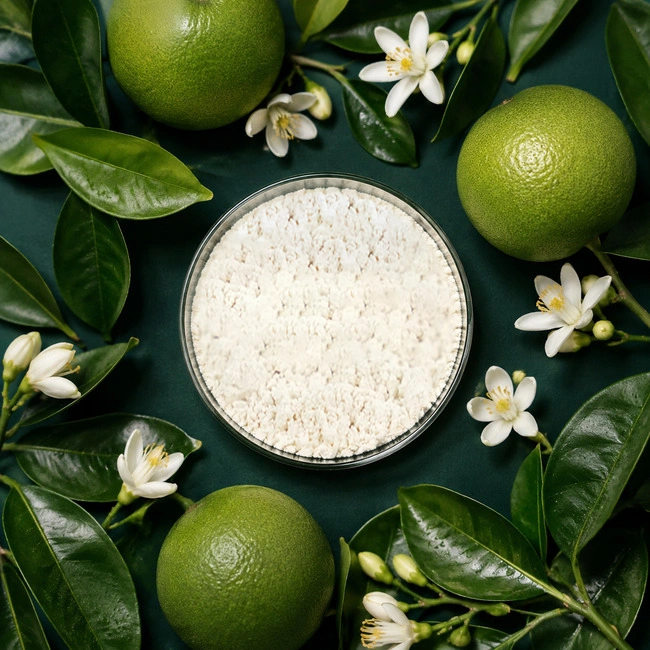
Naringin Assay HPLC
Active ingredient: Naringin
CAS No: 10236-47-2
Specification: 98% HPLC
Grade: Food grade
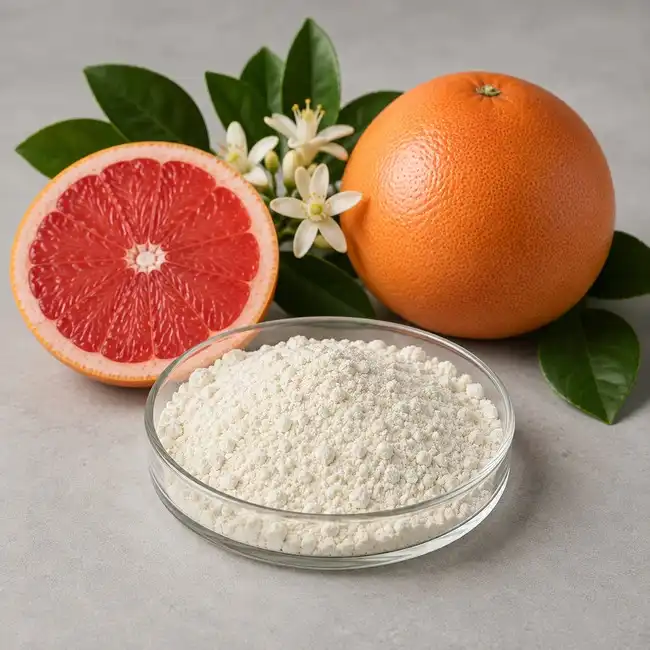
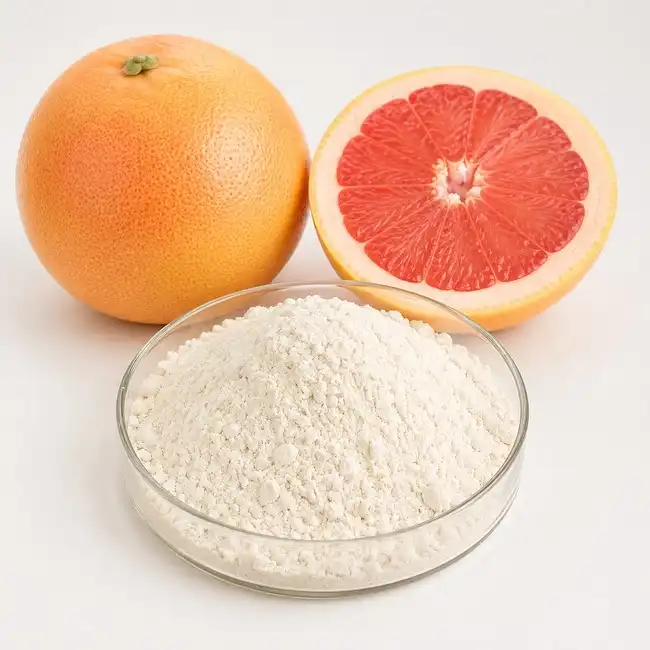
Appearance: Off-white powder
Package specification: 25 kg/drum
Mode of transportation: Air, sea, and express delivery
Delivery: Flexible logistics solutions based on order quantity.
OEM/ODM: Supported
Minimum order quantity: 1 kg, samples available.

- Free Samples
- Quality Assurance
- 24/7 Customer Service
Product Introduction
Naringin Assay HPLC – Precision Analysis for Citrus Extract Quality Control
High-purity naringin from Kang Biotech meets Naringin Assay HPLC procedures' rigorous analytical standards thru sophisticated water or ethanol extraction. Naringin products vary from 10%-98% HPLC, with premium-grade choices reaching 98% purity (CAS No: 10236-47-2).
Our 11 years of production experience and 20,000,000 m² of managed bitter orange plantations ensure consistent batch-to-batch results for pharmaceutical API standardization, nutraceutical supply chain verification, and food & beverage quality control. With ISO 9001, ISO 22000, HACCP, and worldwide certifications, our facility guaranties reliable, reproducible product testing with resolution >1.5 and RSD <2.0%.
What is Naringin Assay HPLC?
We utilize High-Performance Liquid Chromatography to measure naringin content in citrus extracts. This approach is the gold standard for phytochemical and medicinal product potency and identification.
The assay tackles major industry issues. These include distinguishing naringin from its isomer neohesperidin, reducing matrix influence from complicated plant extracts, and achieving USP and EP-compliant high-precision measurement.
Your lab needs this approach to validate dietary supplement, herbal medicine, and functional beverage raw materials. It detects economically driven adulteration and verifies supplier claims before large-scale buying with precision.
Technical Specifications
| Parameter | Specification |
|---|---|
| Botanical Source | Grapefruit (Citrus paradisi), Bitter Orange (Citrus aurantium) |
| Active Ingredient | Naringin |
| Molecular Formula | C27H32O14 |
| CAS Number | 10236-47-2 |
| EINECS | 236-216-9 |
| Specification Range | 10%-98% HPLC |
| Premium Grade | 98% HPLC |
| Appearance | Off-white powder |
| Grade | Food grade |
| Standard Package | 25 kg/drum |
| Minimum Order | 1 kg (samples available) |
Key Analytical Properties
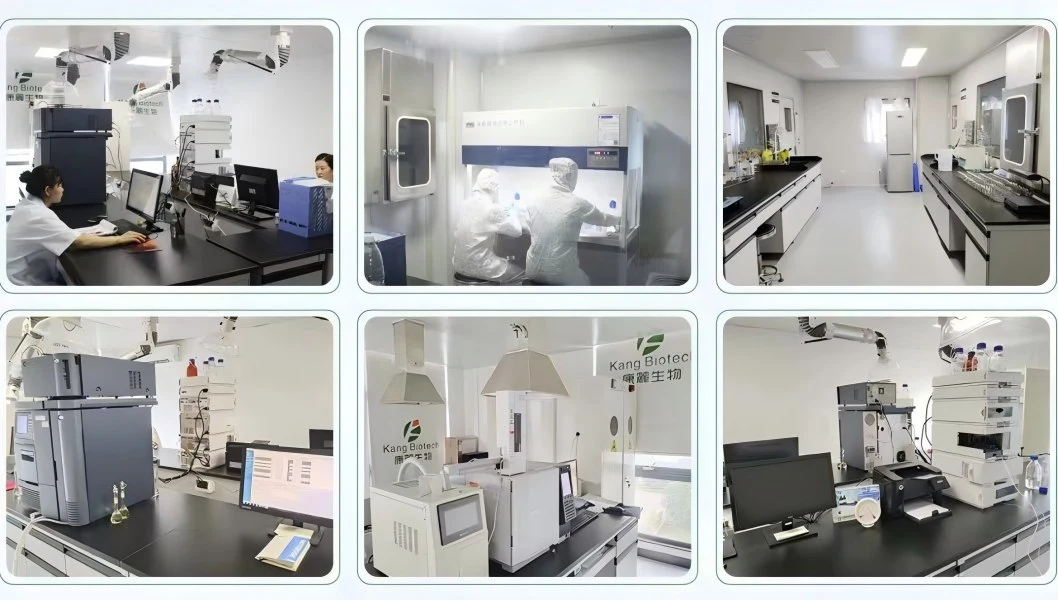
A reliable product approach requires accurate chromatographic parameters. The conventional setup employs a Reversed-Phase C18 column (250mm × 4.6mm, 5μm particle size) to effectively separate naringin from flavonoids.
The mobile phase is usually aqueous-organic gradient. Common pairings include acetonitrile with 0.1% phosphoric acid or methanol and water. The gradient regulates phenolic hydroxyl group ionization, guaranteeing crisp peak development.
UV-Vis or PDA detectors detect at 283 nm, the highest absorption wavelength. The approach reaches a LOQ at ppm values with a linear range and R² > 0.999.
Peak symmetry is essential for repeatability. Your tailing factors should be 0.8–1.2 across labs. You may reliably compare findings from numerous testing facilities due to this uniformity.
Quality Control Standards
Naringin Assay HPLC quality control includes SST and Method Validation. Prioritize resolution values above 1.5 between naringin and similar flavonoids like hesperidin.
RSD measures repeatability. Six successive injections must have RSD < 2.0% to fulfill international standards. This tight control provides reliable batch testing throughout production cycles.
Known naringin amounts are spiked in recovery testing. The technique must extract 95%-105% of the target analyte from complicated matrices. This confirms your extraction method doesn't lose active chemicals during sample preparation.
Column pressure and baseline noise measurements are also done. These audits avoid ghost peak and column deterioration false positives. Regular SST checks protect your analytical workflow.
Industrial Applications
Pharmaceutical Quality Control: The test standardizes API concentrations in venous insufficiency and antioxidant medicines. This procedure is critical for compliance submissions since regulatory authorities want accurate dose data.
B2B purchasers use nutraceutical supply chain verification to detect economically driven adulteration in bulk citrus extracts. The process ensures suppliers haven't diluted high-value naringin with cheaper flavonoids, safeguarding your brand.
Food and Beverage Flavor Profiling: Grapefruit-based beverage makers monitor debittering with this test. Controlling naringin concentrations enables constant sensory characteristics regardless seasonal raw fruit development.
Your procurement team benefits from analytical clarity. It turns trust-based supplier certifications of analysis into quality guaranties. Transparency minimizes foreign ingredient sourcing risk.
Why Choose Kang Biotech?
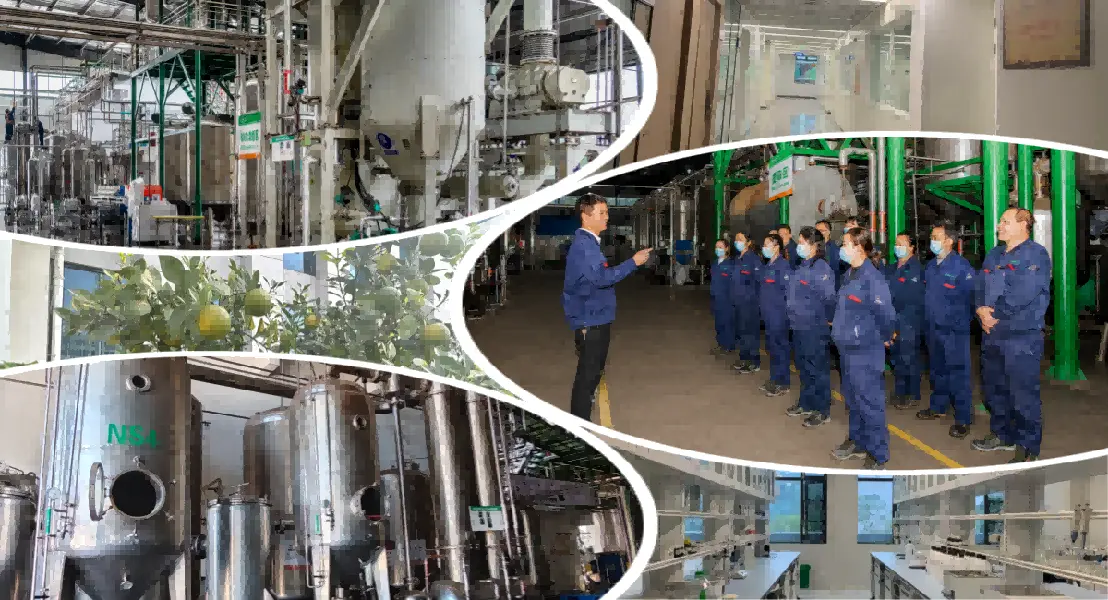
Our integrated supply chain begins at 20,000,000 m² of managed bitter orange plantations in Lianyuan, Hunan Province. This vertical integration ensures you receive naringin with consistent phytochemical profiles, eliminating the variability common in third-party sourced materials.
Our 33,000 m² manufacturing facility operates nine advanced production lines under ISO 22000, HACCP, Halal, Kosher, and FAMI-QS certifications. These systems guarantee that every batch meets the purity requirements your product validation demands.
The Joint Research Center established with the Hunan Institute of Agricultural Product Processing provides ongoing method optimization support. Our technical team assists with protocol transfer, troubleshooting chromatographic issues, and customizing extraction procedures for applications.
We maintain ready stock for standard specifications and offer flexible OEM/ODM services. Whether you need custom purity levels, specific packaging configurations, or tailored documentation for regulatory submissions, our experienced team adapts to your requirements.
Global logistics solutions via air, sea, and express delivery support both small trial orders (1 kg minimum) and large-scale commercial shipments. Your supply continuity remains protected through our mature inventory management systems.
FAQ
Q: Why does the naringin peak occasionally split during analysis?
A: This is often due to solvent mismatch between your sample diluent and the mobile phase. Using the initial mobile phase composition as the diluent typically resolves this issue.
Q: How can I distinguish naringin from neohesperidin?
A: While they are isomers, a fine-tuned gradient elution with lower organic strength at the start will separate them. Their slightly different polarities on a C18 column allow baseline separation.
Q: What is the impact of pH on results?
A: Naringin remains stable in acidic conditions. Maintaining a mobile phase pH of 3.0 to 4.0 prevents dissociation of phenolic groups, ensuring sharp peaks and reproducible retention times.
Q: Is UPLC compatible with standard HPLC methods?
A: Yes, UPLC can reduce runtime from 30 minutes to under 5 minutes. However, you must re-validate the method to confirm equivalent selectivity and precision.
Q: What should I do if my recovery rate falls below 90%?
A: Check your extraction efficiency during sample preparation. Naringin has limited solubility in pure water and often requires 50-70% ethanol or methanol for complete extraction.
Contact Us
Ready to ensure the accuracy of your citrus extract testing with Naringin Assay HPLC?
Email: sales02@kangbiotech.com
Send Inquiry