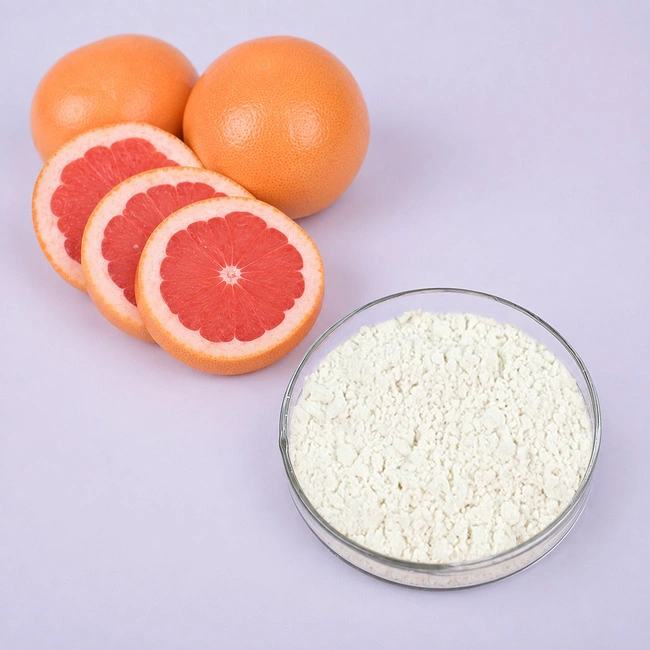
Naringin vs Naringenin
Active ingredient: Naringenin
CAS No: 480-41-1
Specification: 98% HPLC
Grade: Food grade
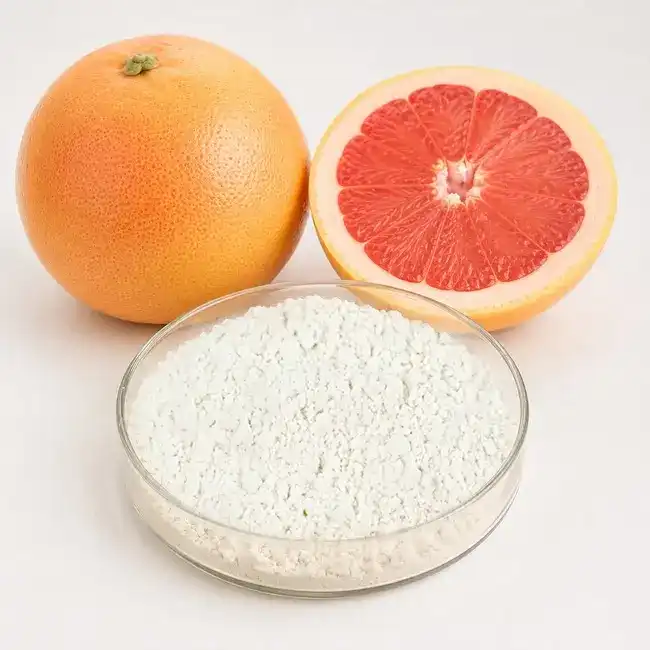
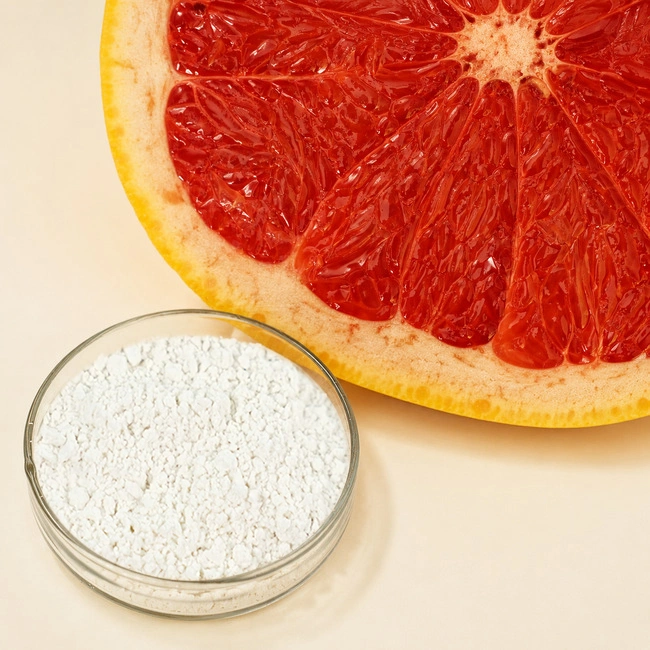
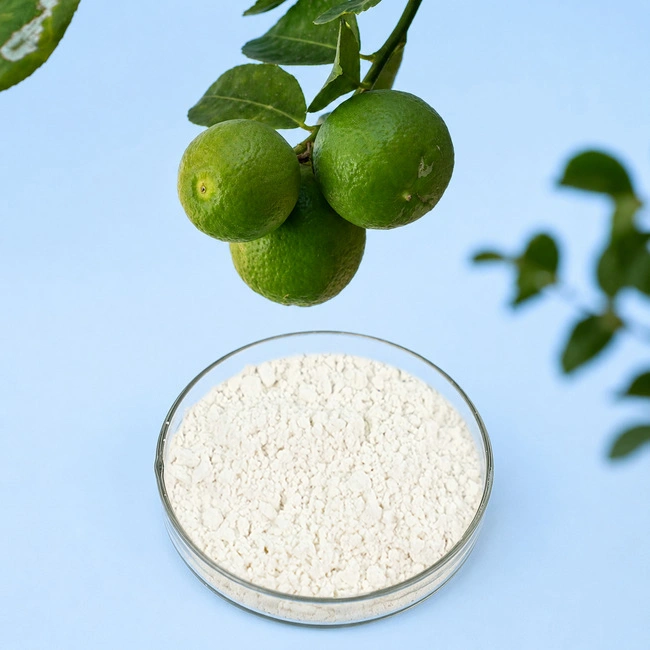
Appearance: White powder
Package specification: 25 kg/drum
Mode of transportation: Express delivery, air transportation, sea transportation
Delivery: In-stock products can be shipped quickly. Small orders via FedEx and large orders by air or sea.
OEM/ODM: Available
Minimum order quantity: 1 kg, samples available.

- Free Samples
- Quality Assurance
- 24/7 Customer Service
Product Introduction
Naringin vs Naringenin: Premium Citrus Flavonoid Ingredients from Kang Biotech
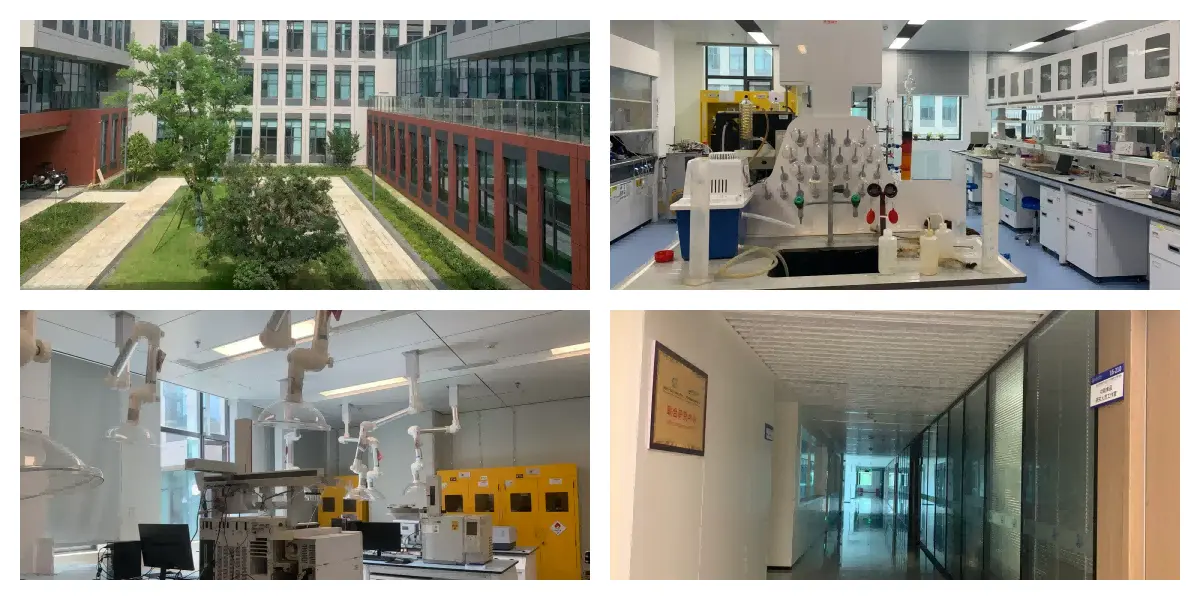
Kang Biotech provides Naringin vs Naringenin from our 20,000,000 m² controlled citrus farms in Hunan Province, China. Over 11 years of production experience and 20 years of citrus extraction knowledge allow us to deliver both chemicals at 98% HPLC purity. We run 9 modern manufacturing lines in our 33,000 m² facility, certified with ISO 9001, ISO 22000, HACCP, Halal, Kosher, and FAMI-QS The key difference: Naringin is a bitter glycoside for standardized extraction, whereas Naringenin is a bioavailable aglycone for nutraceuticals. Understanding the product helps you choose the optimal chemical for bioavailability and sensory characteristics.
What Makes Naringin vs Naringenin Different?
Difference between flavanone-7-O-glycoside and its aglycone metabolite is Naringin vs Naringenin. Naringin (C27H32O14, MW: 580.5) is grapefruit peel's main bitter chemical, with neohesperidose sugar. Naringenin (C15H12O5, MW: 272.25) is produced via enzymatic or acidic hydrolysis of this sugar structure.
The "Bioavailability Paradox." Naringin extracts citrus biomass cheaply but needs gut bacteria conversion for absorption. Surpassing metabolic pathways, naringenin improves lipophilicity and intestinal permeability.
Your formulation approach relies on whether you value high-yield raw materials or increased biological activity in final goods.
Technical Specifications Comparison
| Parameter | Naringin | Naringenin |
|---|---|---|
| Botanical Source | Citrus aurantium L. | Citrus aurantium L. |
| Molecular Formula | C27H32O14 | C15H12O5 |
| CAS Number | 10236-47-2 | 480-41-1 |
| Specification | 98% HPLC | 98% HPLC |
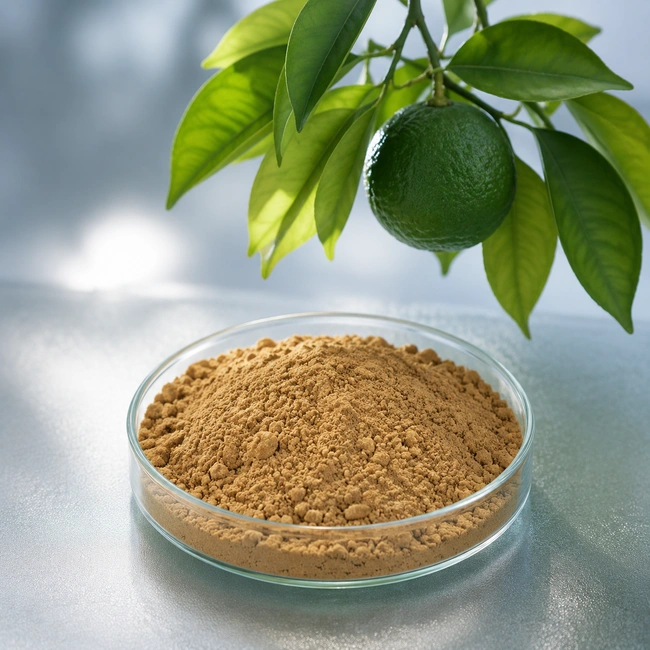
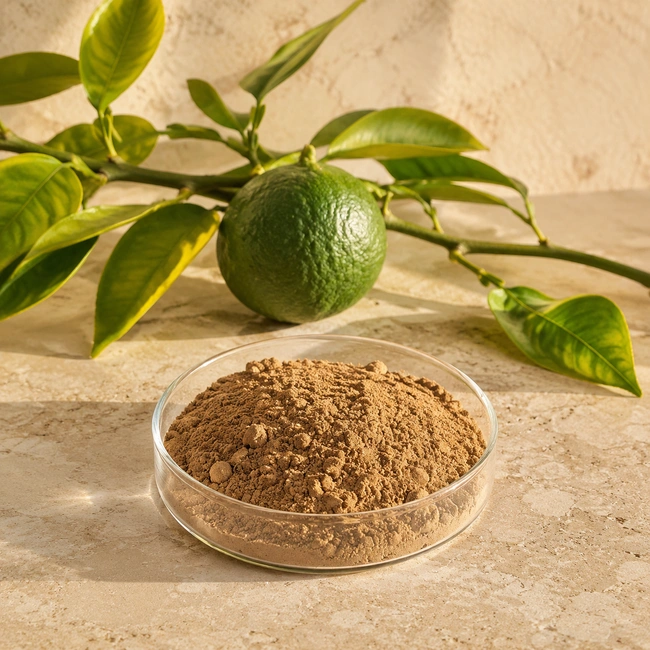
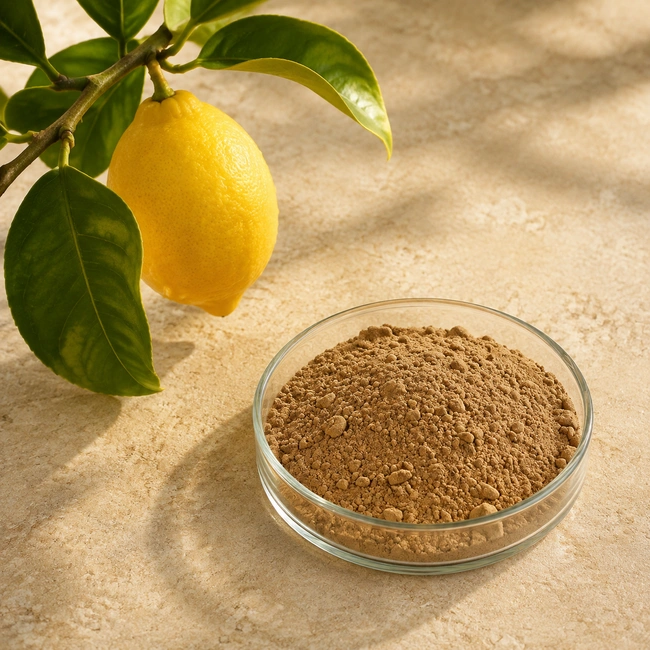
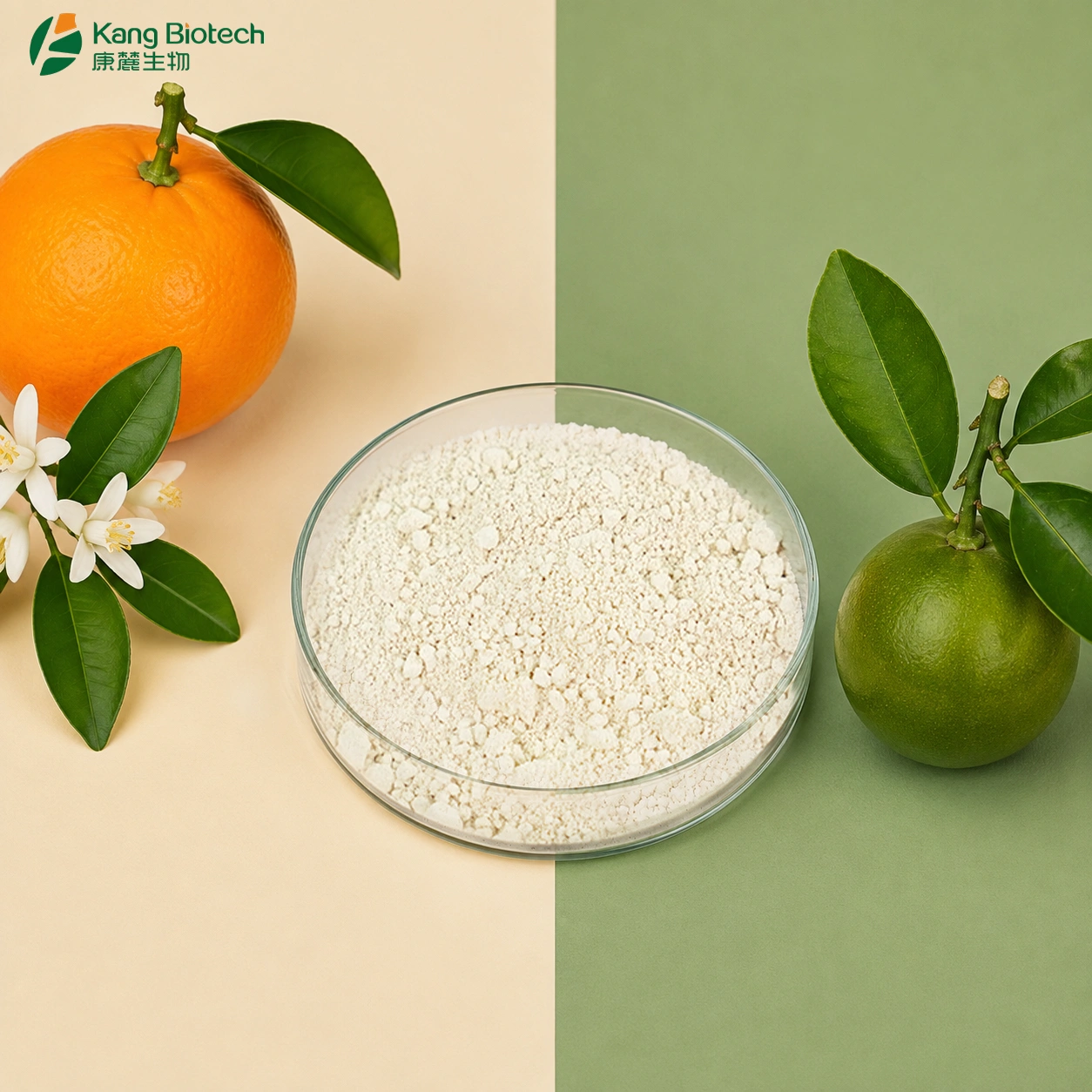
| Appearance | White to light yellow powder | Cream-colored powder |
| Melting Point | ~171°C | ~251°C |
| Taste Profile | Intensely bitter | Nearly tasteless |
| Water Solubility | Moderate (hot water) | Poor (organic solvents preferred) |
| LogP Value | Lower (hydrophilic) | Higher (lipophilic) |
Industrial Applications: Choosing the Right Form
Nutraceutical Bioavailability Enhancement
High-performance AMPK and lipid metabolism supplements consist mostly of naringenin. Direct bioactivity without gut flora conversion rates that vary 300% amongst people.
For consistent plasma concentrations and dosing, premium sports nutrition and weight management capsules include Naringenin.
Nutritional Ingredients
Naringin is the typical bittering ingredient in artisan tonic waters, citrus-flavored energy drinks, and functional beverages. Authentic grapefruit taste qualities are provided by its 20ppm bitterness.
Drink formulators employ Naringin when sensory intensity is a benefit.
Dermaceutical and Topical Delivery Systems
Due to its molecular compactness and lipid solubility, naringenin works well in UV-protection serums and skin-lightening solutions It easily crosses the epidermal barrier to reach target dermis.
Because its glycoside structure inhibits skin absorption and crystallizes in emulsion bases, naringin is not used topically.
Standards for B2B Partner Quality Control
The Hunan Institute of Agricultural Product Processing and Quality Safety and our Joint Research Center impose strict Naringin vs. Naringenin quality protocols:
Aglycone/Glycoside Ratio Verification: HPLC-DAD analysis shows no cross-contamination across Naringin batches, protecting metabolic predictability for clinical use.
Screening for pesticide residues, including organochlorine and organophosphorus, is essential for citrus peel-derived extracts following USP <561> criteria.
GC-HS testing confirms ethanol and acetone levels meet ICH Q3C medicinal requirements.
To provide homogeneous dispersion in lipid-based delivery matrices and soft-gel encapsulation, Naringenin batches are micronized to D90 < 10μm.
Over all grades, moisture content is kept at 1.0% and heavy metal level below 10ppm.
Chemical Properties and Formulation Behavior
The intermediate water solubility and severe bitterness (detectable at 20ppm) of naringin necessitate significant masking agents in liquid formulations. Passive intestinal membrane diffusion is slower due to its lower LogP.
The neutral taste and high solubility in ethanol and DMSO of naringenin simplify flavored powder and liquid concentrate preparations. Without gut microbiota, greater LogP allows fast membrane permeability.
Both compounds are room-temperature stable. When stored in high-pH conditions (>8.0), Naringenin is oxidation sensitive and needs light-resistant packaging and nitrogen flushing.
Manufacturing and Delivery Capabilities
We guaranty year-round availability with our vertically integrated supply chain from farming to manufacture. Naringin vs. Naringenin products are food-grade after water and ethanol extraction.
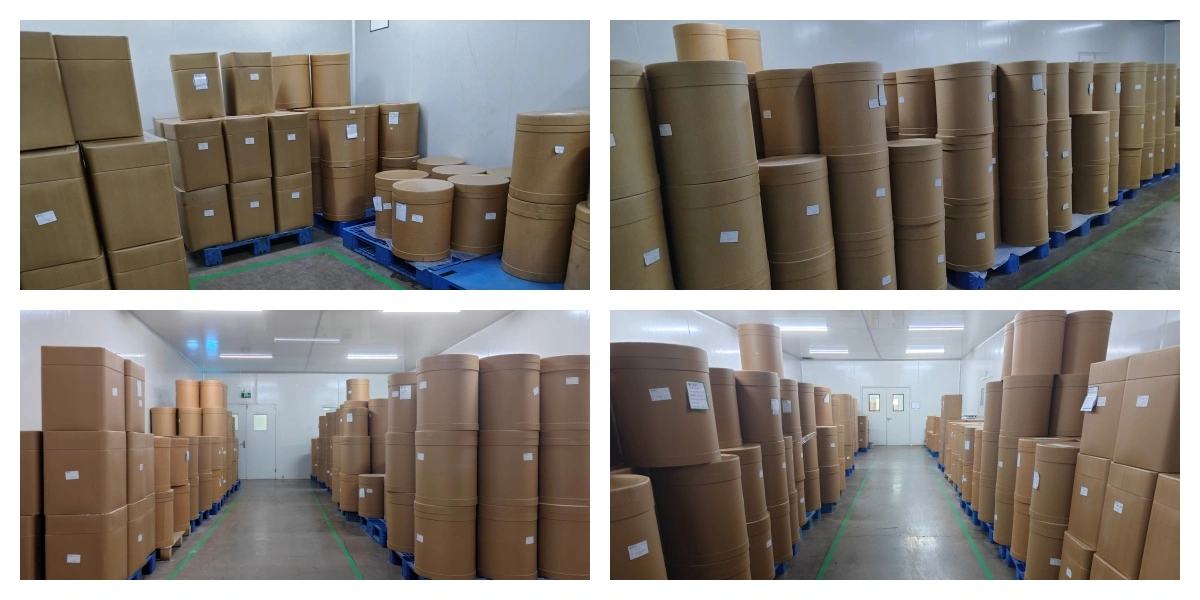
Standard packaging: 25 kg/fiber drum, double PE bag.
Order Minimum: 1 kilogram (samples available)
Federal Express for trial orders, air freight for 100-500 kg, sea freight for container quantities.
We ship in-stock items within 3-5 business days.
To fulfill European, North American, Japanese, and South Korean regulatory standards, OEM/ODM services include bespoke specifications, purity changes, private labeling, and formulation support.
FAQ
Q: Why is Naringenin pricier than Naringin?
A: Adding enzymatic hydrolysis and chromatographic purification processes to cleave and remove the sugar moiety from Naringenin increases manufacturing costs by 40-60%.
Q: Does Naringin replace Naringenin in supplements?
A: Gut bacteria convert Naringin to Naringenin, although their effectiveness ranges 15–85%. For consistent therapeutic results and dose, Naringenin is best.
Q: What impact does flavor have on liquid formulation?
A: Sweeteners and taste modulators are needed to disguise Naringin's 20ppm bitterness. Drink and powder development are easier with Naringenin's near-neutral profile.
Q: Are there specific storage requirements?
Al Room temperature (15-25°C) stabilizes both. An alkaline pH (>8.0) increases naringenin oxidation, which benefits from light-resistant containers with nitrogen headspace.
Q: Do they both cause the "Grapefruit Effect" with medications?
A: Yes, both inhibit CYP3A4 enzymes, but Naringin inhibits intestinal membrane OATP transporters more potently, increasing medication interaction possibilities.
Contact Us
Ready to source pharmaceutical-grade Naringin vs Naringenin backed by 11 years of manufacturing? Contact our technical team at sales02@kangbiotech.com for specifications, COA documentation, and custom formulation support today.
Send Inquiry