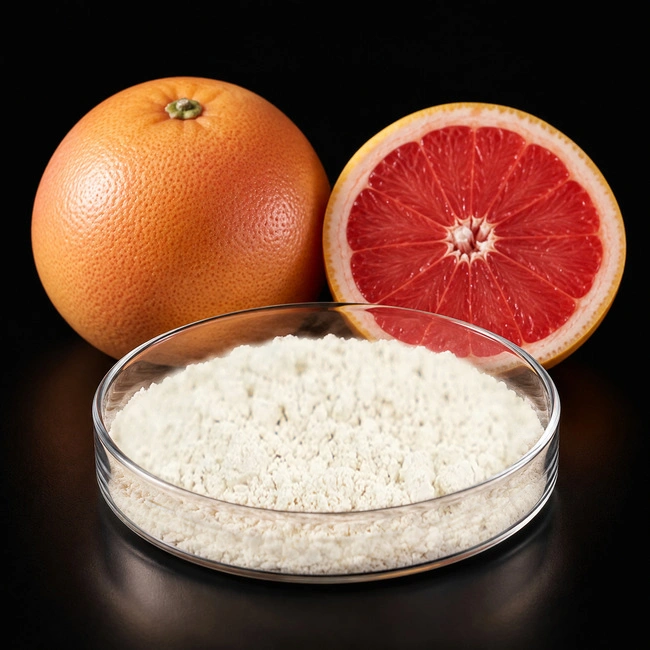
Aurantiin
Active ingredient: Naringin
CAS No: 10236-47-2
Specification: 98% HPLC
Grade: Food grade
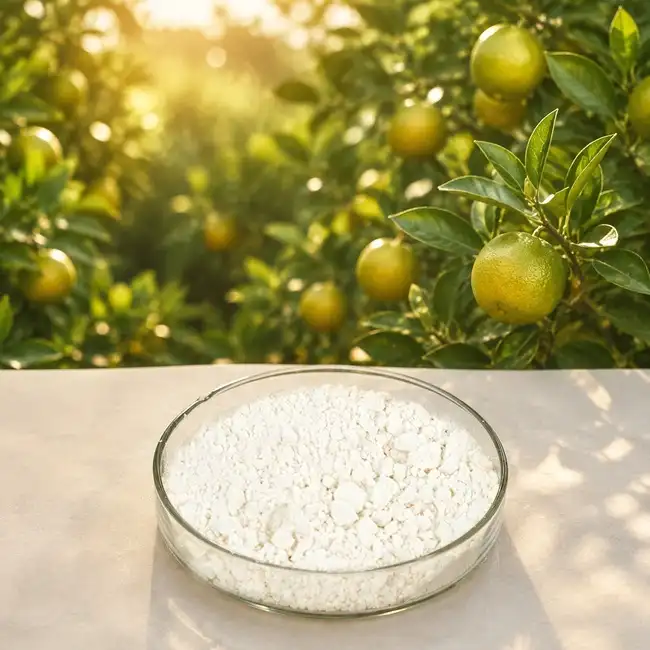
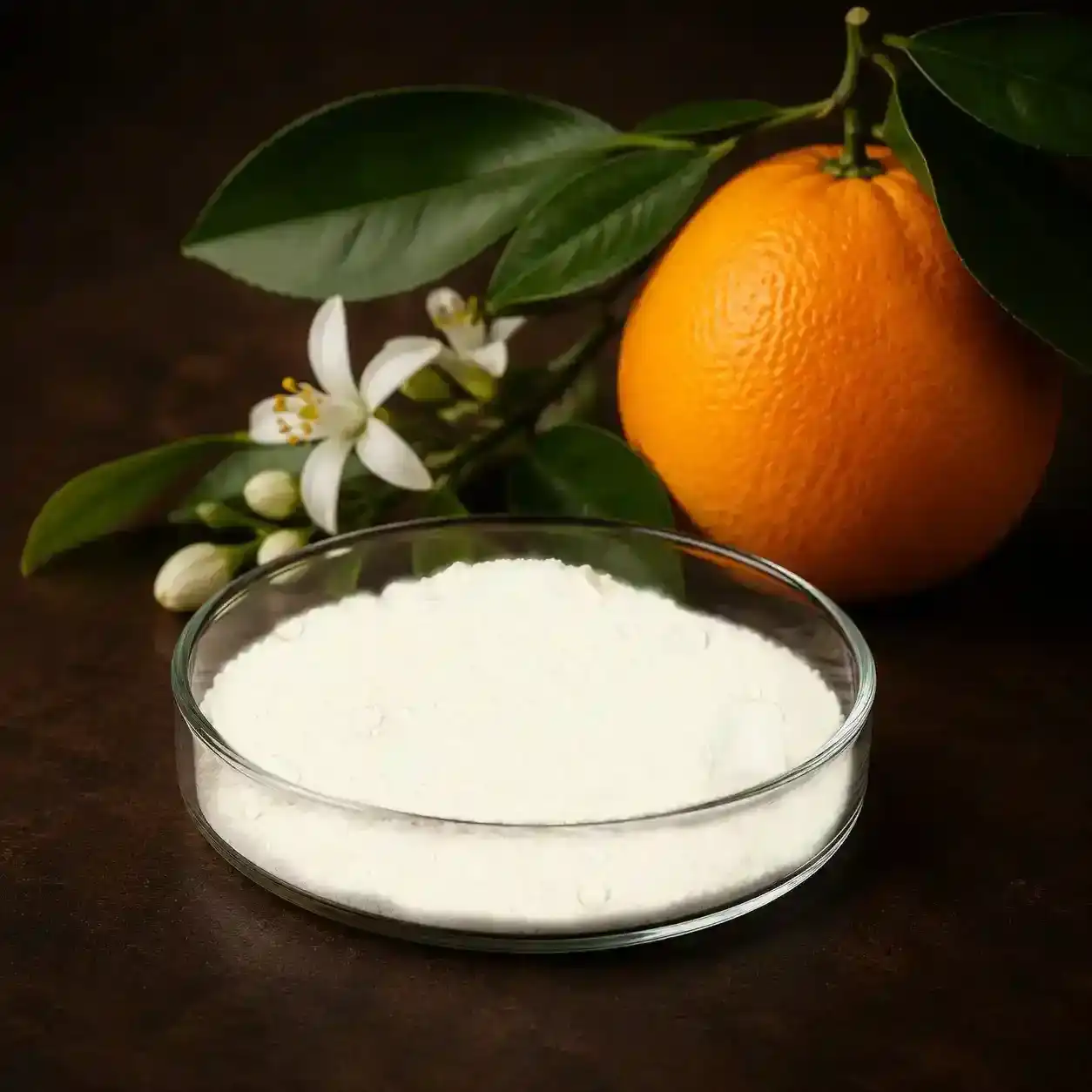
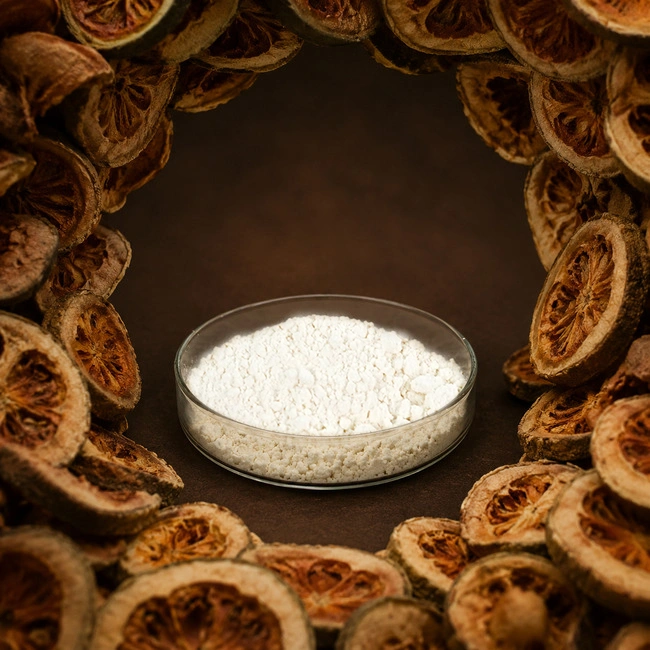
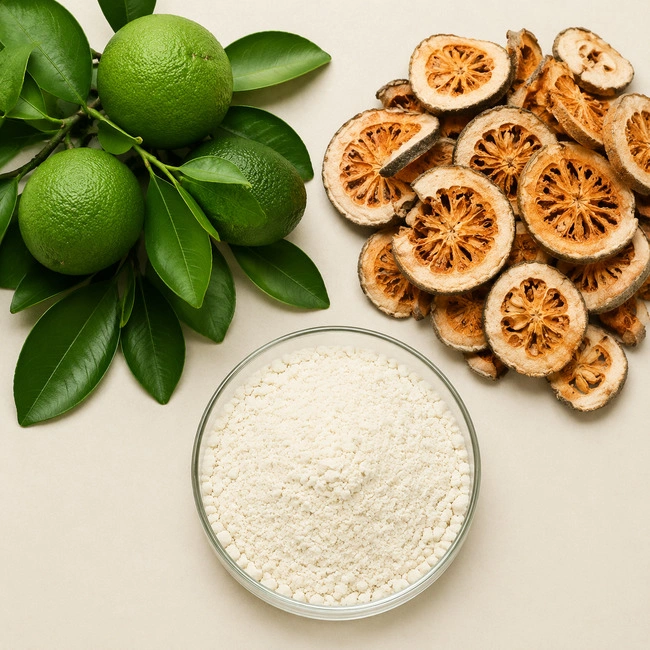
Appearance: Off-white powder
Package specification: 25 kg fiber drum
Mode of transportation: Courier, air transportation, sea transportation
Delivery: Ready stock for fast shipment. Small quantities shipped by FedEx, bulk orders by air or ocean freight.
OEM/ODM: Custom services available
Minimum order quantity: 1 kg, sample orders accepted.

- Free Samples
- Quality Assurance
- 24/7 Customer Service
Product Introduction
Aurantiin – Premium Citrus Flavonoid Extract from Kang Biotech
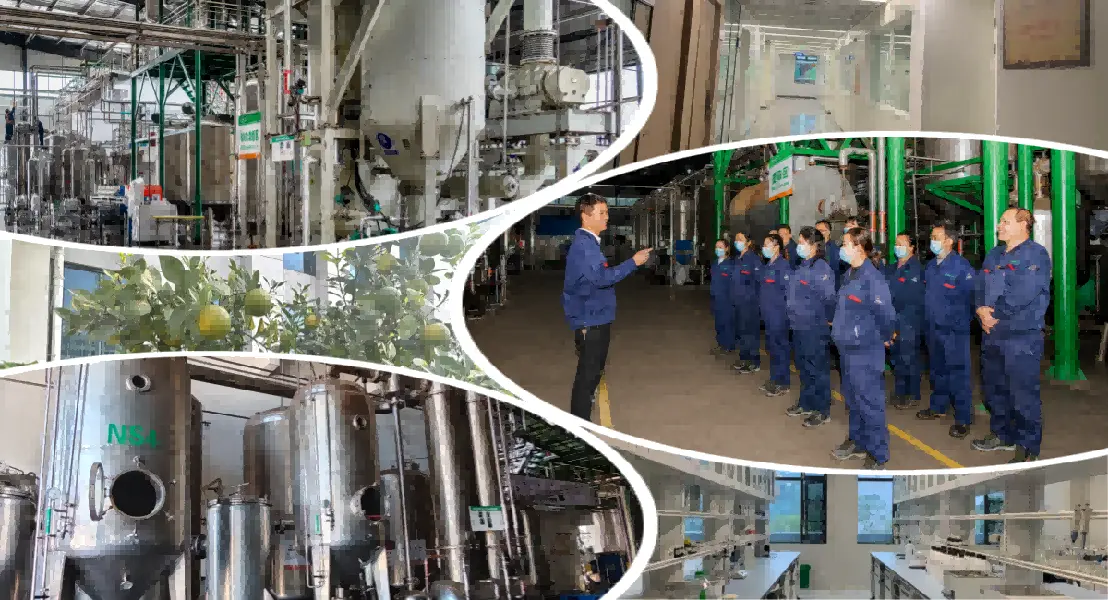
Kang Biotech, established in 2011, delivers pharmaceutical-grade Aurantiin sourced from controlled bitter orange plantations spanning over 20,000,000 m² in Lianyuan, Hunan Province. Our 33,000 m² facility operates 9 advanced production lines, ensuring consistent purity ≥98% HPLC across every batch. Backed by ISO 9001, ISO 22000, HACCP, Halal, Kosher, and FAMI-QS certifications, we guarantee stability, traceability, and compliance for global nutraceutical, beverage, and dermaceutical applications. With 11+ years of citrus extraction expertise and partnerships across 40+ countries, Kang Biotech provides ready-stock availability, flexible OEM/ODM customization, and technical support tailored to your formulation challenges.
What Is Aurantiin?
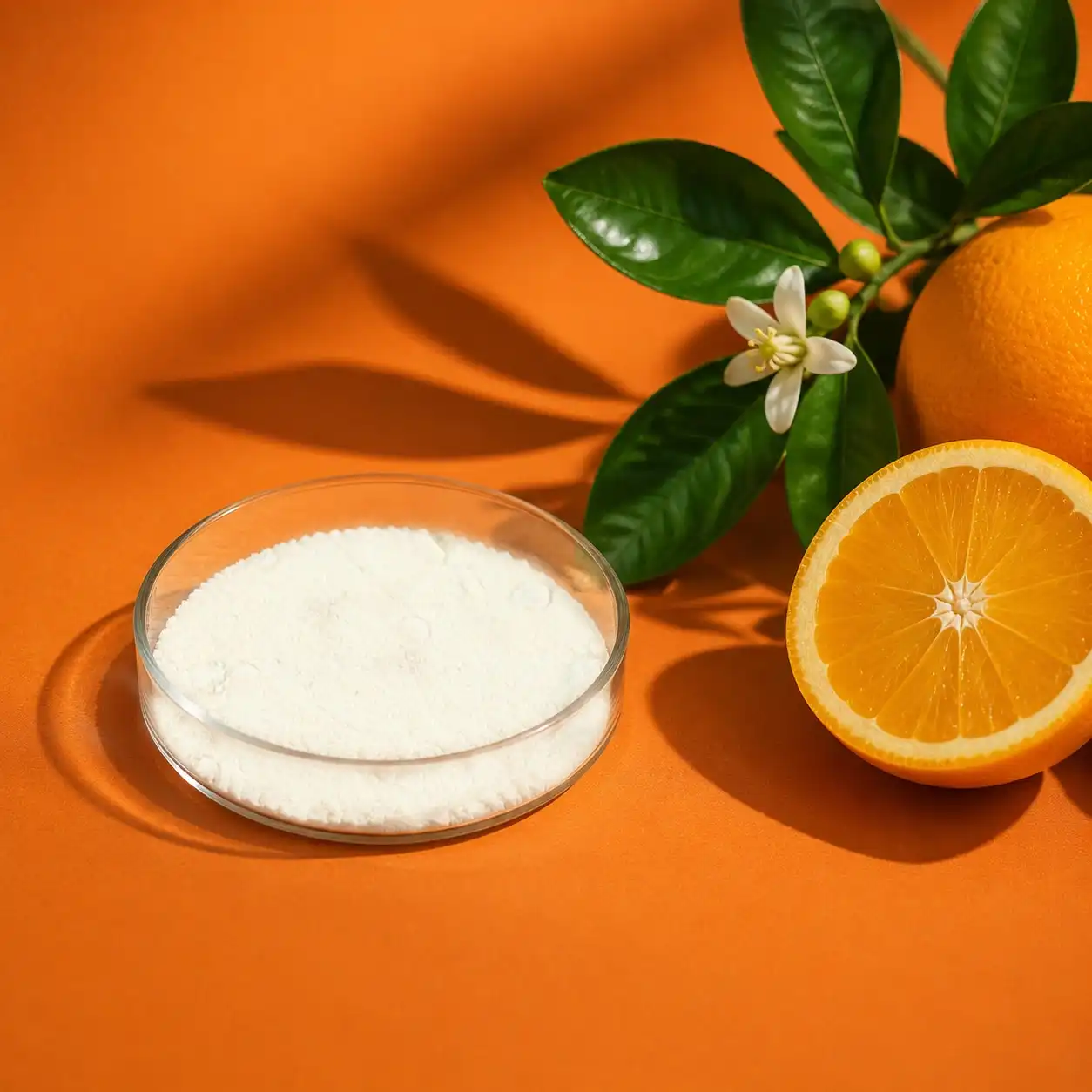
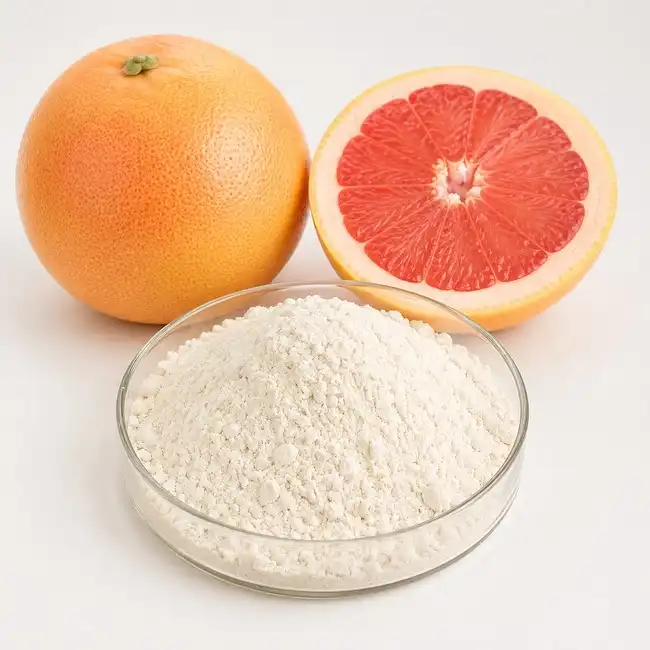
Aurantiin, also known as Naringin 7-rutinoside, is a high-purity flavanone glycoside extracted from grapefruit (Citrus paradisi) and bitter orange (Citrus aurantium). This bioactive compound addresses critical industry needs: stabilizing redox-sensitive formulations, delivering standardized bitterness in functional beverages without synthetics, and supporting metabolic health through natural pathways.
Its rutinoside structure offers superior gut-microbiota interaction profiles compared to aglycones. This makes it ideal for applications requiring thermal stability, acid resistance, and clean-label positioning.
---
Technical Specifications & Parameters
| Parameter | Specification |
|---|---|
| CAS No. | 10236-47-2 |
| Molecular Formula | C27H32O14 |
| Molecular Weight | 580.53 g/mol |
| EINECS | 236-216-9 |
| Botanical Source | Grapefruit (Citrus paradisi) |
| Specification | 10%–98% HPLC |
| Appearance | Off-white to light-yellow powder |
| Melting Point | 171°C–175°C |
| Solubility | Ethanol, hot water; limited in cold water |
| Moisture Content | ≤5.0% |
| Grade | Food & Pharmaceutical Grade |
| Shelf Life | 24 months (cool, dry, dark storage <25°C) |
---
Core Properties & Advantages
Aurantiin exhibits exceptional thermal and chemical stability, resisting degradation under mild acidic conditions typical of digestive environments. Purity ≥98% verified by HPLC ensures batch-to-batch consistency critical for B2B formulations.
Biological Activities:
- Antioxidant Potency: Effective free radical scavenging protects formulations and cellular health.
- Anti-Inflammatory Support: Reduces blood viscosity, promoting healthy circulation.
- Metabolic Modulation: Supports lipid and glucose regulation in pharmaceutical-grade supplements.
Flavor Profile:
As the primary bitter compound in grapefruit, it delivers intense, persistent bitterness quantified using Bitterness Unit (BU) scales. This makes it a preferred natural bittering agent for tonic waters and functional beverages, maintaining clarity across pH 3.0–7.0 during pasteurization.
High-Performance Applications
1. Nutraceutical Metabolic Support
In B2B pharmaceutical-grade supplements, Aurantiin targets lipid and glucose pathways. Its structural integrity remains intact when co-formulated with acidic excipients like ascorbic acid, ensuring dosage accuracy.
2. Dermaceutical Skin Conditioning
Luxury skincare formulations leverage Aurantiin as a photo-protective agent. It scavenges ROS generated by UV exposure, performing reliably in complex emulsion systems without destabilizing active matrices.
3. Functional Beverage Flavoring
Standardized bittering for tonic and functional waters requires sediment-free clarity across thermal processing. Aurantiin meets these demands, offering clean-label bitterness without synthetic additives.
4. Animal Nutrition
Feed-grade applications benefit from its antioxidant properties, supporting gut health and stress resilience in livestock.
Rigorous Quality Control & Compliance
Kang Biotech's quality protocol ensures global regulatory alignment:
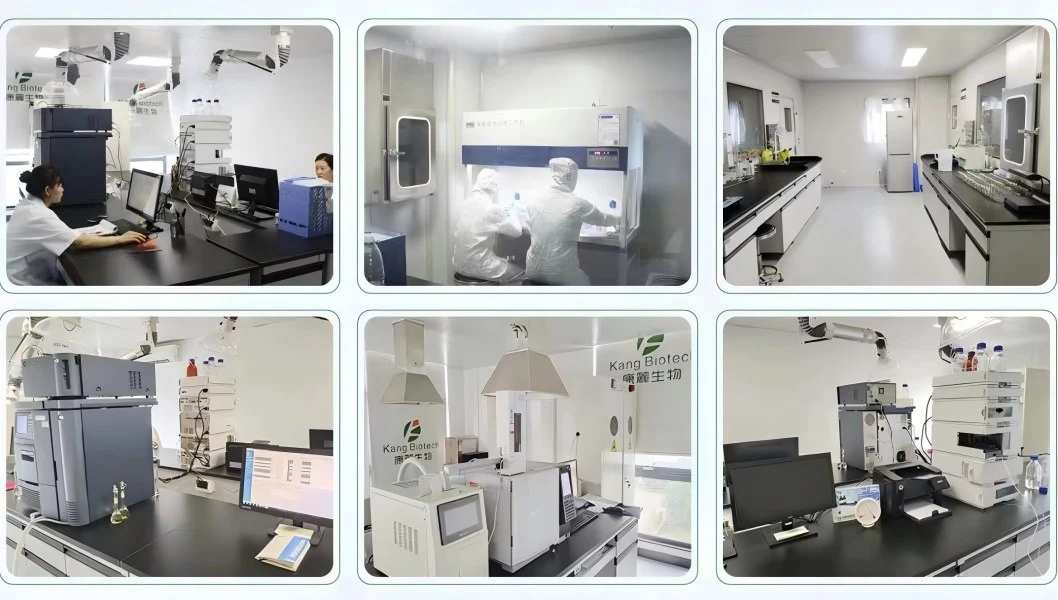
- Identification: H-NMR and LC-MS verify rutinoside linkage against USP/EP standards.
- Quantitative Analysis: HPLC-DAD confirms potency within specification.
- Heavy Metal Profiling: ICP-MS testing (Pb <0.5ppm, As <0.5ppm) meets Prop 65 and EU limits.
- Pesticide Residue Screening: GC-MS/MS covers 400+ compounds, ensuring non-toxic sourcing.
- Microbial Limits: USP <61/62> compliant (TPC <1000 CFU/g) for oral and topical safety.
Every batch includes full SDS and REACH registration data, supporting seamless integration into international supply chains.
Flexible Packaging & Logistics
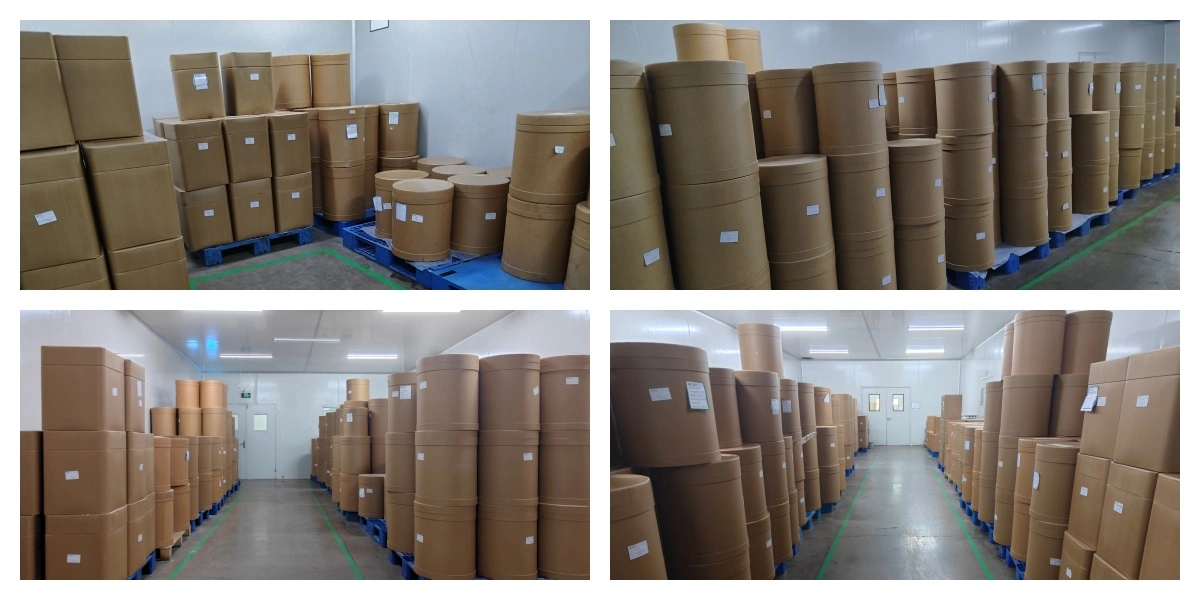
Standard Packaging: 25 kg fiber drums designed for stability during transit.
Custom Options: OEM/ODM services accommodate specific packaging, labeling, and purity requirements.
Delivery Solutions:
- Small Orders (≥1 kg): FedEx express for rapid sampling.
- Bulk Shipments: Air or ocean freight with ready-stock availability ensures no production delays.
Frequently Asked Questions
Q1: How does Aurantiin differ from Naringin in industrial applications?
While both are citrus flavonoids, Aurantiin's rutinoside structure offers distinct solubility and metabolic kinetics, often preferred for targeted gut-microbiota interactions.
Q2: What storage conditions prevent degradation?
Store in a cool (<25°C), dry environment, protected from light and oxygen in airtight containers. Shelf life reaches 24 months under optimal conditions.
Q3: Is Aurantiin soluble in cold water for beverages?
Cold-water solubility is limited. Pre-dissolve in food-grade glycol or use ultrasonic dispersion to ensure homogeneity in liquid formulations.
Q4: How is bitterness quantified?
We assess bitterness using a Bitterness Unit (BU) scale compared to quinine hydrochloride, validated by sensory panels and HPLC concentration correlation.
Q5: Does your Aurantiin meet ECHA and REACH requirements?
Yes, all shipments include full REACH registration data and SDS documentation, confirming safety for cosmetic and food supply chains.
---
Contact Us
Ready to enhance your formulation with pharmaceutical-grade Aurantiin? Request samples, technical data sheets, or customization details today.
Email: sales02@kangbiotech.com
Send Inquiry