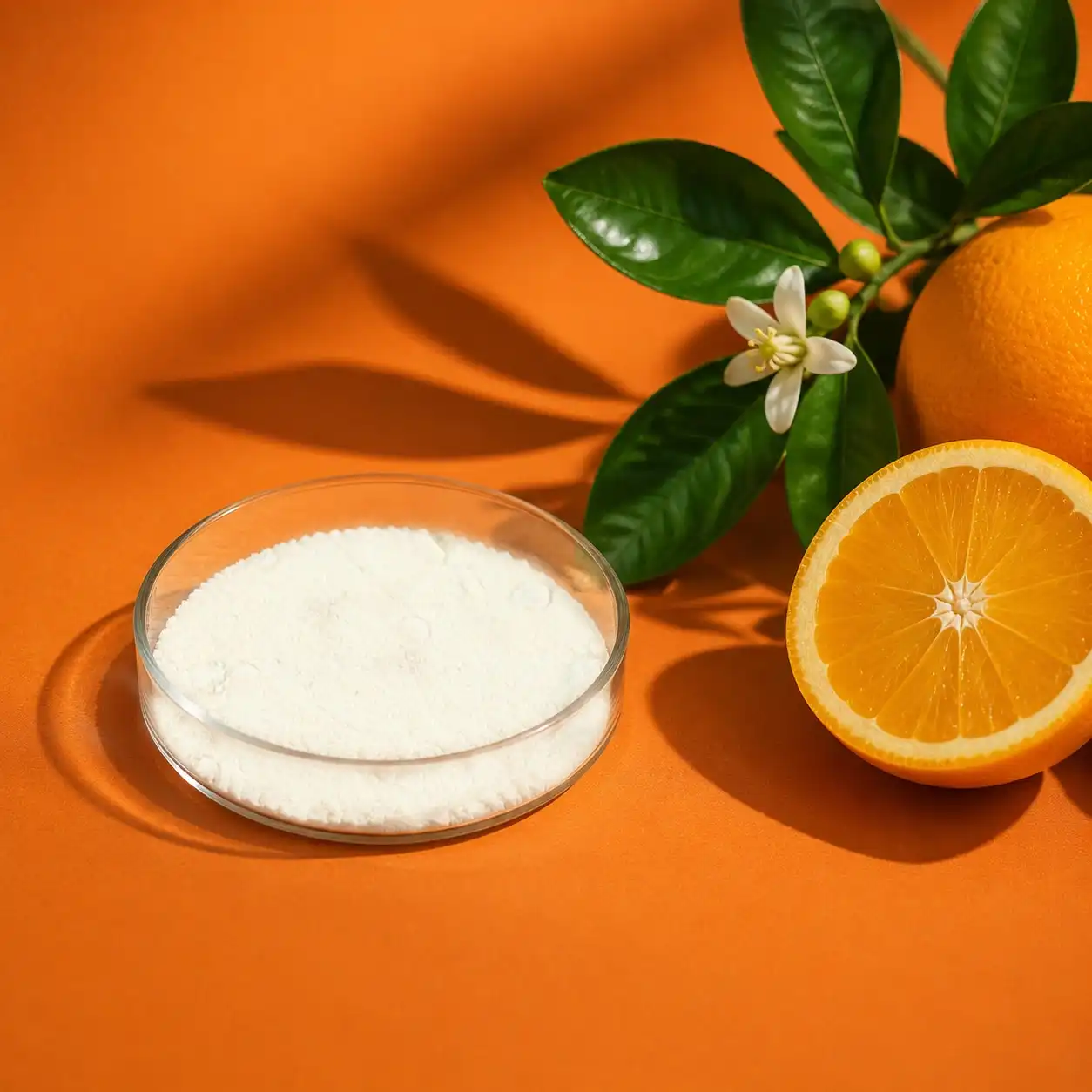
Hesperetin Glucuronide
Active ingredient: Hesperetin
CAS No: 520-33-2
Specification: 98% HPLC
Grade: Food grade
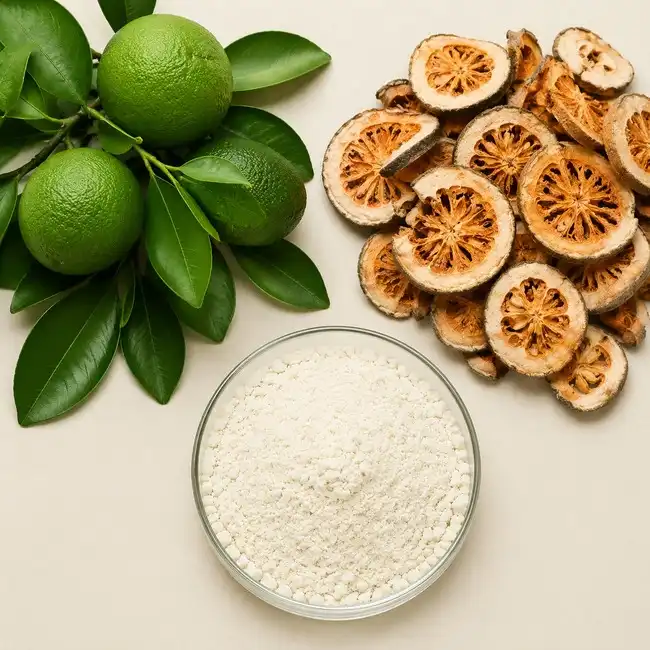
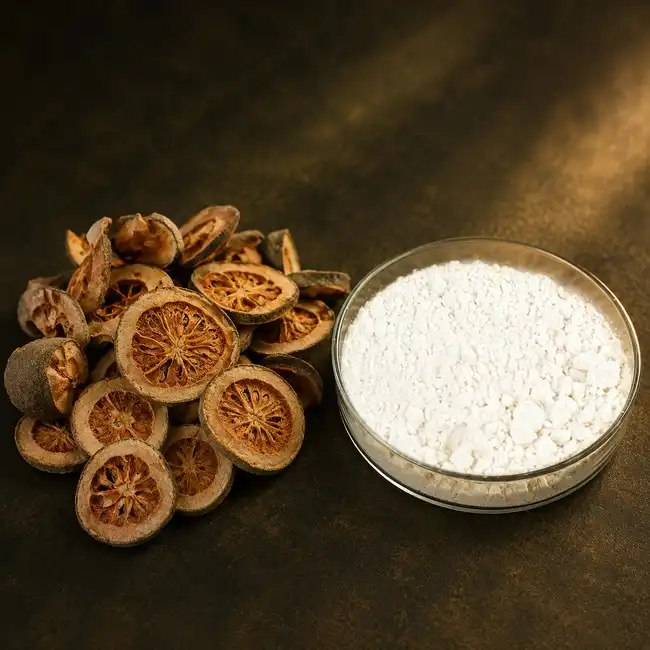
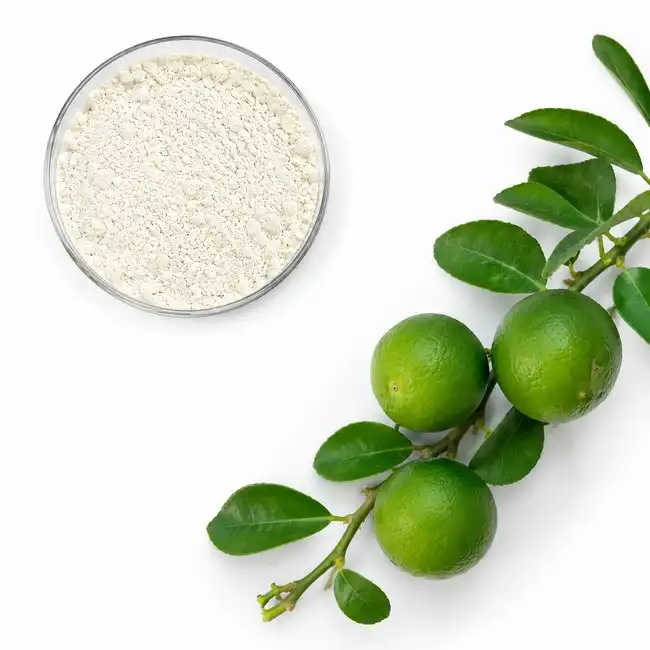
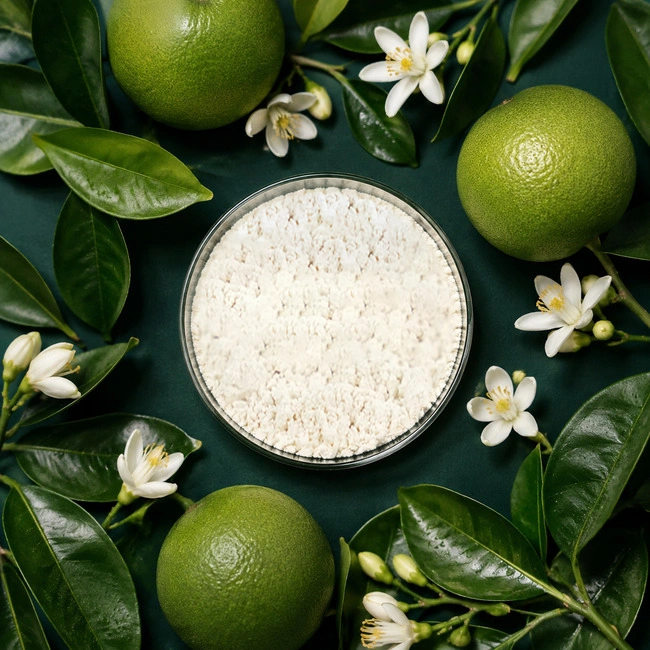
Appearance: Light yellow powder
Package specification: 25 kg/drum
Mode of transportation: Express delivery, air transportation, sea transportation
Delivery: Sufficient inventory allows quick shipment. Small orders are sent via FedEx, and large orders can be delivered by air or sea.
OEM/ODM: Available
Minimum order quantity: 1 kg, samples available.

- Free Samples
- Quality Assurance
- 24/7 Customer Service
Product Introduction
Hesperetin Glucuronide – High-Purity Metabolite Standard for Bioavailability Research
Kang Biotech provides ≥98% pure pharmaceutical-grade Hesperetin Glucuronide by HPLC, enzymatic synthesis, and 2D-NMR structural confirmation. With 11 years of citrus extraction experience and a 33,000 m² ISO 22000-certified facility, we provide valuable Phase II metabolite for pharmacokinetic research and biomarker validation. We use UGT-catalyzed conjugation technology and 20,000,000+ m² of controlled citrus culture to ensure batch uniformity and regulatory compliance for pharmaceutical and nutraceutical research projects worldwide.
What Is Hesperetin Glucuronide?
Our hesperetin is the most prevalent in plasma after citrus flavonoid ingestion. Hesperetin-7-O-glucuronide, the most common isomer in systemic circulation, is rapidly metabolized by liver and intestinal mucosa UDP-glucuronosyltransferases (UGTs) after oral consumption.
In flavonoid research, the "bioavailability gap." is solved via metabolic conversion. Although aglycone hesperetin has potential in vitro action, its low bloodstream presence makes it inappropriate for reliable pharmacokinetic modeling. The product serves as an analytical standard, reducing false positives and providing physiologically relevant data for regulatory submissions.
The chemical is C22H22O12 and weighs 478.4 g/mol. HPLC-MS/MS quantification in clinical trials requires its high water solubility and polar surface area for effective transport throughout biological matrices.
Specifications and Quality Parameters
| Parameter | Specification |
|---|---|
| Product Name | Hesperetin Glucuronide (Hesperetin-7-O-glucuronide) |
| CAS Number | Derived from Hesperetin (520-33-2) |
| Molecular Formula | C22H22O12 |
| Molecular Weight | 478.4 g/mol |
| Purity | ≥98% (HPLC) |
| Appearance | Off-white to light yellow lyophilized powder |
| Solubility | 5-10 mg/mL in aqueous buffers (pH-dependent) |
| UV Absorption | 280-285 nm |
| Storage Condition | -20°C to -80°C, protected from light and moisture |
| Loss on Drying | ≤2.0% |
| Heavy Metals | ≤10 ppm (ICP-MS) |
| Residual Solvents | Complies with ICH Q3C guidelines (GC-HS) |
| Structural Verification | 1H-NMR, HRMS, HMBC/HSQC (2D-NMR) |
| Packaging | 10 mg, 50 mg, 100 mg (custom sizes available) |
| Minimum Order Quantity | 10 mg (samples available) |
| Certifications | ISO 9001, ISO 22000, HACCP, FAMI-QS |
Core Applications in Research and Development
Our product performs three vital pharmacological and nutritional functions:
Pharmacodynamic and Pharmacokinetic Studies
Reference standards for PK/PD analysis must be physiologically correct. FDA/EMA regulatory dossiers may quantify absorption rates, metabolic clearance, and tissue distribution using Hesperetin Glucuronide. The interoperability with LC-MS/MS systems guarantees reliable findings in multi-site clinical studies.
Validating Clinical Biomarkers
Nutritional intervention studies require participant compliance verification. A recognized plasma and urine biomarker, this chemical establishes dose-response associations in cardiovascular and anti-inflammatory studies. Enzymatic degradation during sample handling is prevented by its stability in biological matrices.
In Vitro Bioactivity Modeling
Standard cell tests utilizing aglycone hesperetin provide false results since human tissue never finds such concentrations. Use the product in HUVEC or Caco-2 models to imitate physiological circumstances and accurately analyze antioxidant and anti-inflammatory activities in diverse biological contexts.
Quality Control and Analytical Verification
For research-grade metabolite standards, our production methodology covers all key inspection parameters:
Each batch undergoes HPLC analysis with a purity criterion of ≥98% to exclude interference from isomeric contaminants and synthesis byproducts.
Regioselectivity is confirmed by HMBC/HSQC 2D-NMR, which confirms the glucuronide attachment at the 7-position rather than the 3'-position. Molecular mass accuracy is confirmed within ±5 ppm using high-resolution mass spectrometry.
ICP-MS heavy metal testing and GC-HS residual solvent analysis ensure ICH compliance. Hygroscopic qualities are accounted for in loss on drying measurements, giving precise concentration data for experimental design.
We test freeze-thaw stability in human plasma matrices. For simplicity, we propose acidified stabilizers during sample preparation to avoid beta-glucuronidase activity.
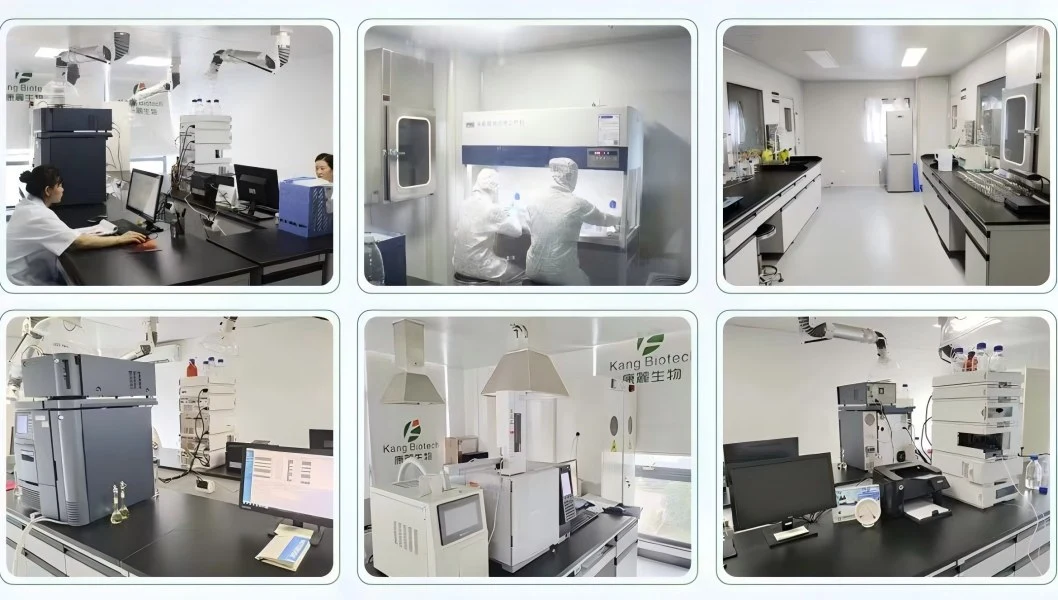
All QC methods follow ISO/IEC 17025 laboratory guidelines, giving regulatory submissions technical authority.
Manufacturing Advantages and Supply Reliability
No external parties are involved in Kang Biotech's vertically integrated supply chain. Providing stable raw material quality, our 20,000,000+ m² citrus orchards in Hunan Province and nine sophisticated production lines ensure year-round manufacturing capacity.
The Joint Research Center-Hunan Institute of Agricultural Product Processing cooperation optimizes processes continuously. Our scientific team uses enzymatic synthesis procedures and 20 years of citrus extraction knowledge to ensure batch-to-batch uniformity for multi-year clinical projects.
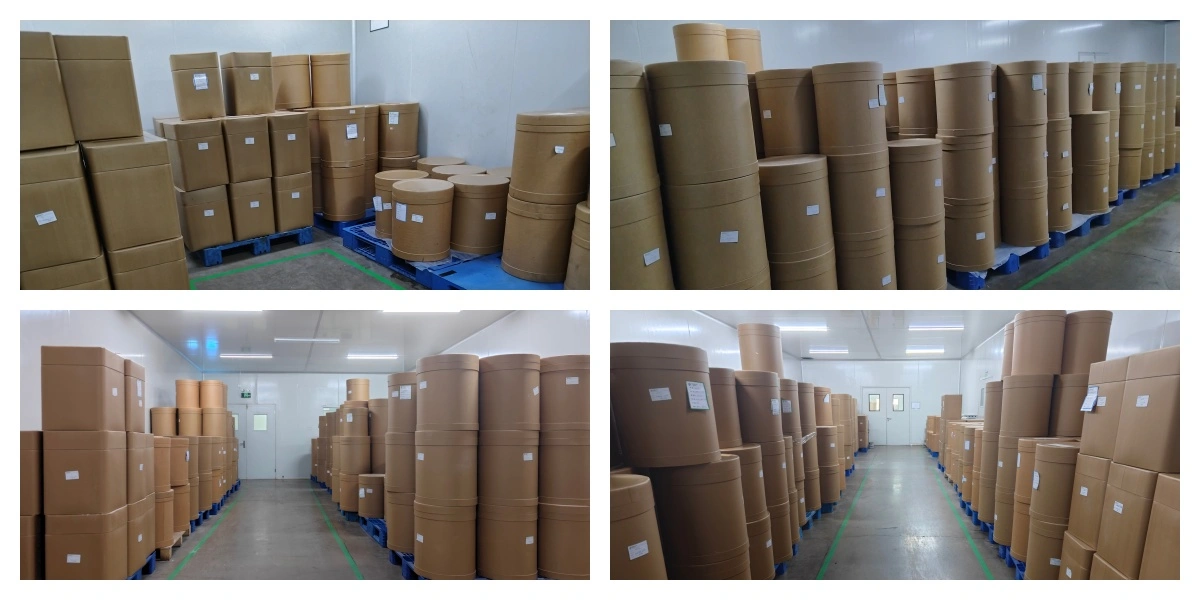
We stock standard standards and offer flexible FedEx express, air freight, and sea freight operations. Small trial orders ship in 48 hours, whereas big commercial quantities are speedily produced based on project schedules.
Customization and Technical Support
Your research demands may require specialized specifications beyond standard offerings. Our OEM/ODM services provide:
- Custom purity grades (95%-99.5%)
- Alternative isomers (Hesperetin-3'-glucuronide upon request)
- Tailored packaging configurations with inert gas blanketing
- Regulatory documentation support for global markets
- Formulation consultation for stability enhancement
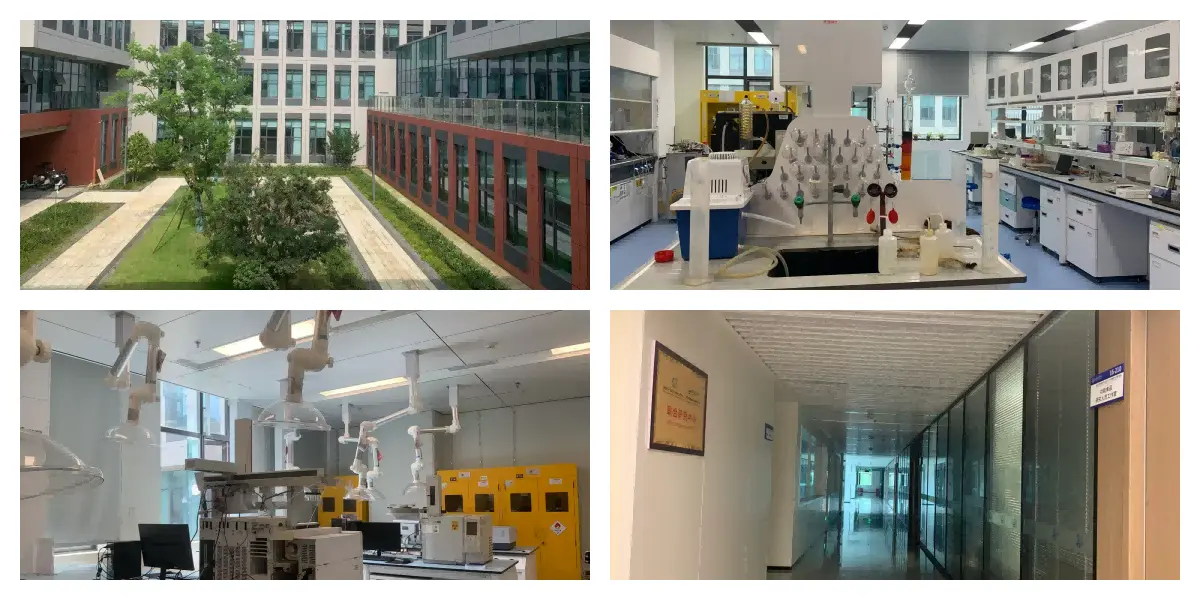
Our technical team collaborates with you from initial inquiry through post-delivery application support, ensuring optimal compound performance in your analytical methods.
Packaging and Logistics
We offer pharmaceutical-grade packaging designed for compound integrity:
- Amber glass vials with PTFE-lined caps (10 mg, 50 mg, 100 mg)
- Aluminum foil pouches with desiccant packs for bulk orders
- Custom labeling with batch numbers, expiration dates, and CoA references
All shipments include temperature monitoring during transit. Small orders ship via FedEx with cold packs, while large volumes utilize validated cold chain logistics for air or sea freight.
FAQ
Q: Why should I use the product in cell assays instead of Hesperetin?
A: Our product is biologically applicable. We seldom encounter large amounts of pure hesperetin, hence the aglycone may provide false positives.
Q: What's the best product storage?
A: Protect lyophilized powder at -20°C or -80°C from light and moisture to prevent spontaneous hydrolysis.
Q: What's the difference between Hesperetin-7-Glucuronide and 3'-Glucuronide?
A: Regioselectivity is validated by 2D-NMR (HMBC/HSQC) methods that identified the flavonoid-sugar acid carbon-oxygen-carbon link.
Q: Is the product stable in human plasma during freeze-thaw cycles?
A: To prevent endogenous beta-glucuronidases from degrading the sample, an acidified stabilizer such formic acid should be added during sample processing.
Q: What is aqueous buffer solubility limit?
A: It has better solubility than the aglycone (5-10 mg/mL depending on pH). Solubility depends on pH due to the glucuronide moiety's carboxylic acid group.
Contact Us
Ready to advance your flavonoid bioavailability research with Hesperetin Glucuronide? Contact our technical team at sales02@kangbiotech.com for quotations, CoA samples, or application support.
Send Inquiry