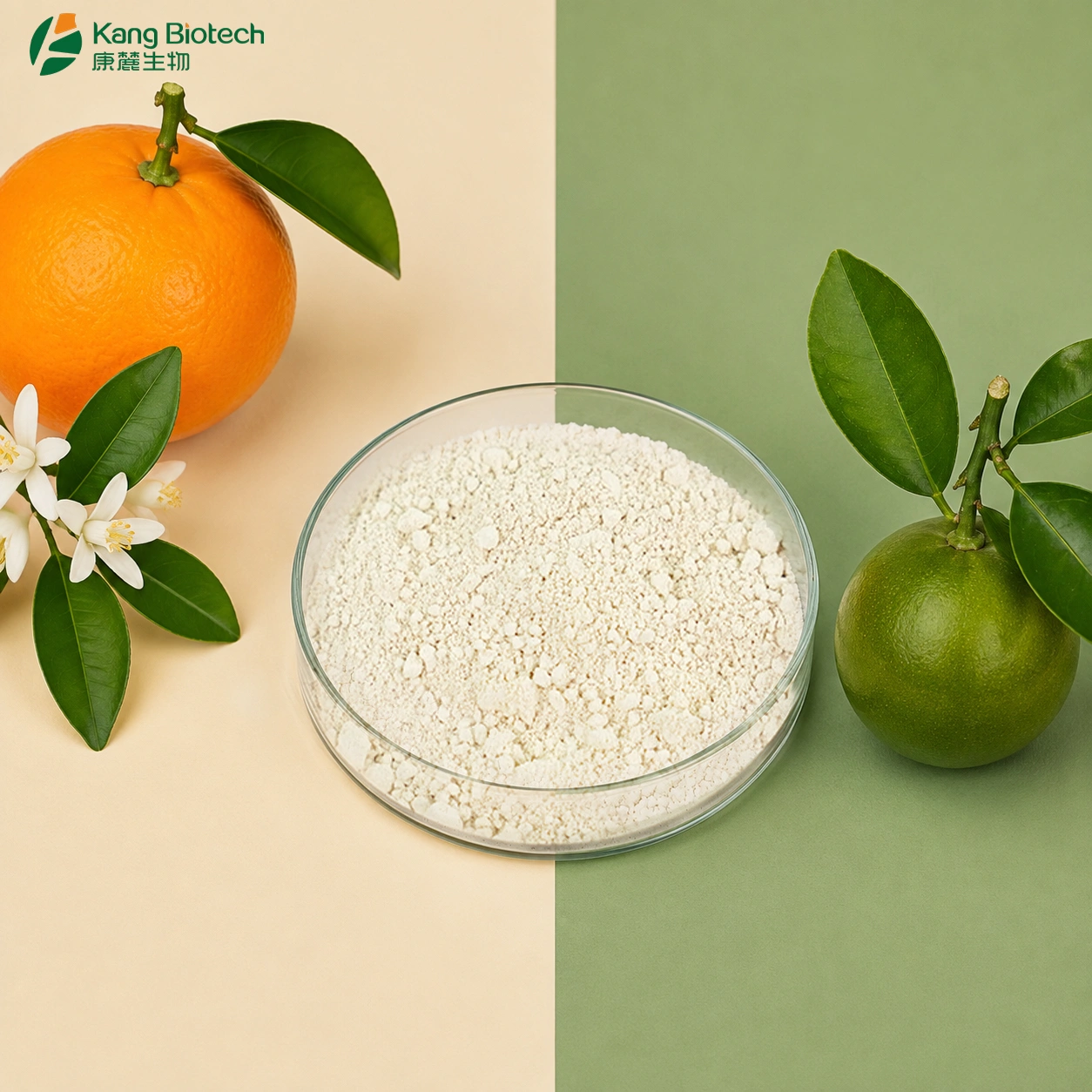
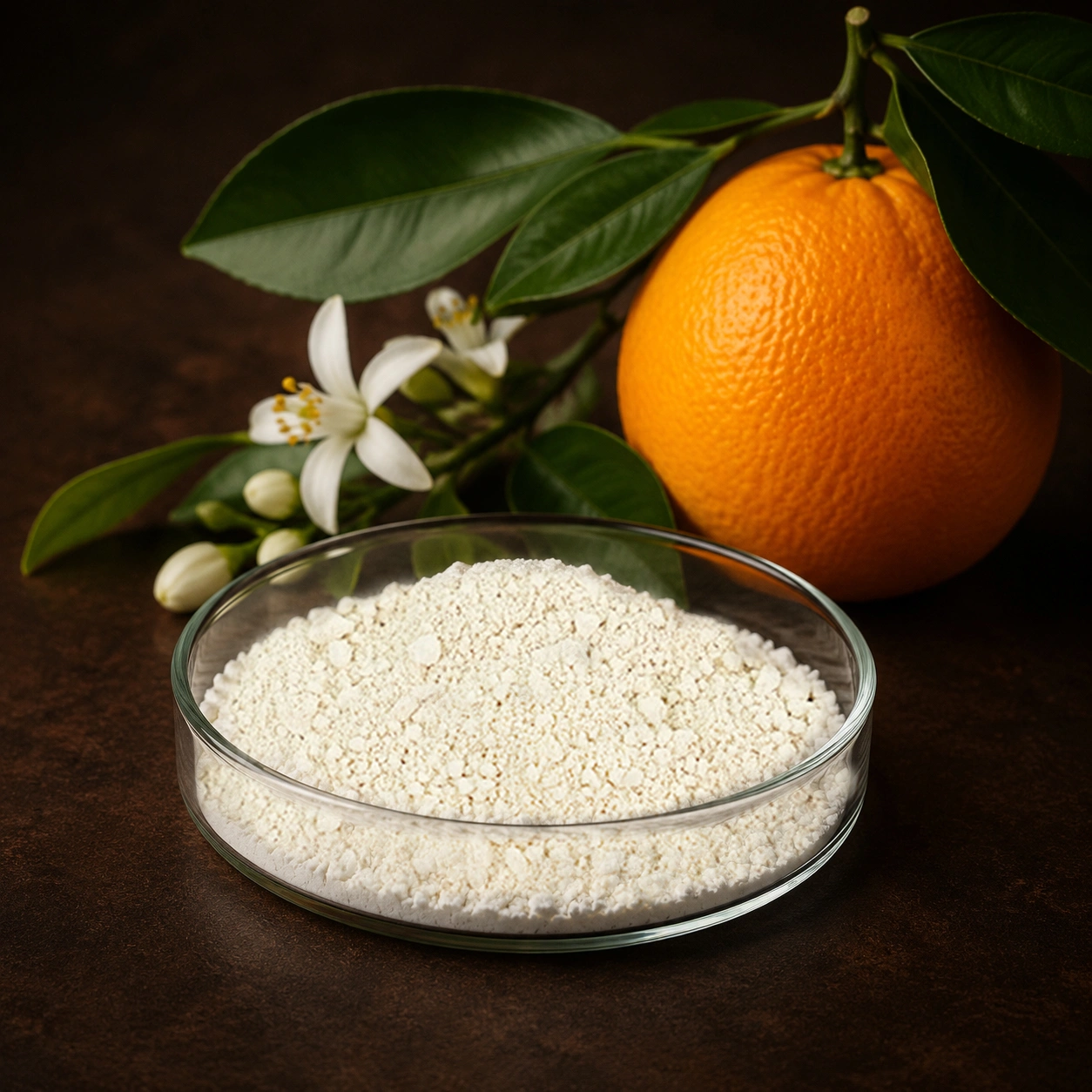
Hesperidin Micronized
Active ingredient: Hesperidin
CAS No: 520-26-3
Specification: 98% HPLC tested
Grade: Food grade
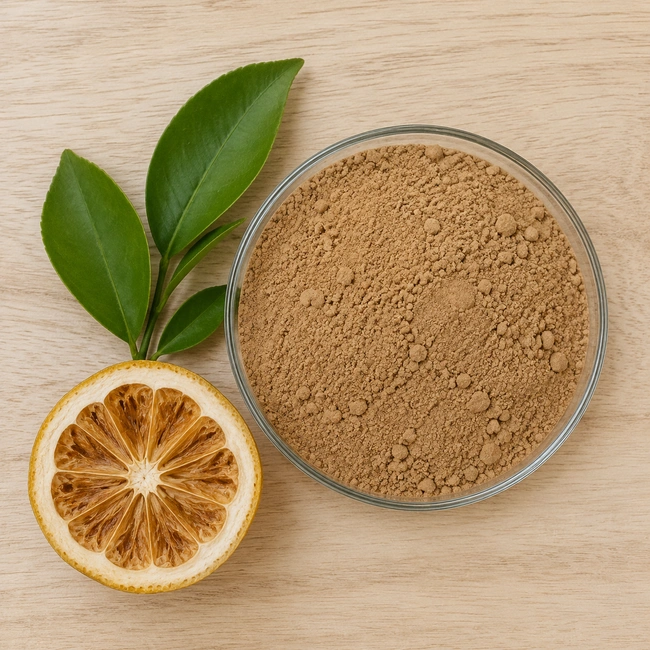
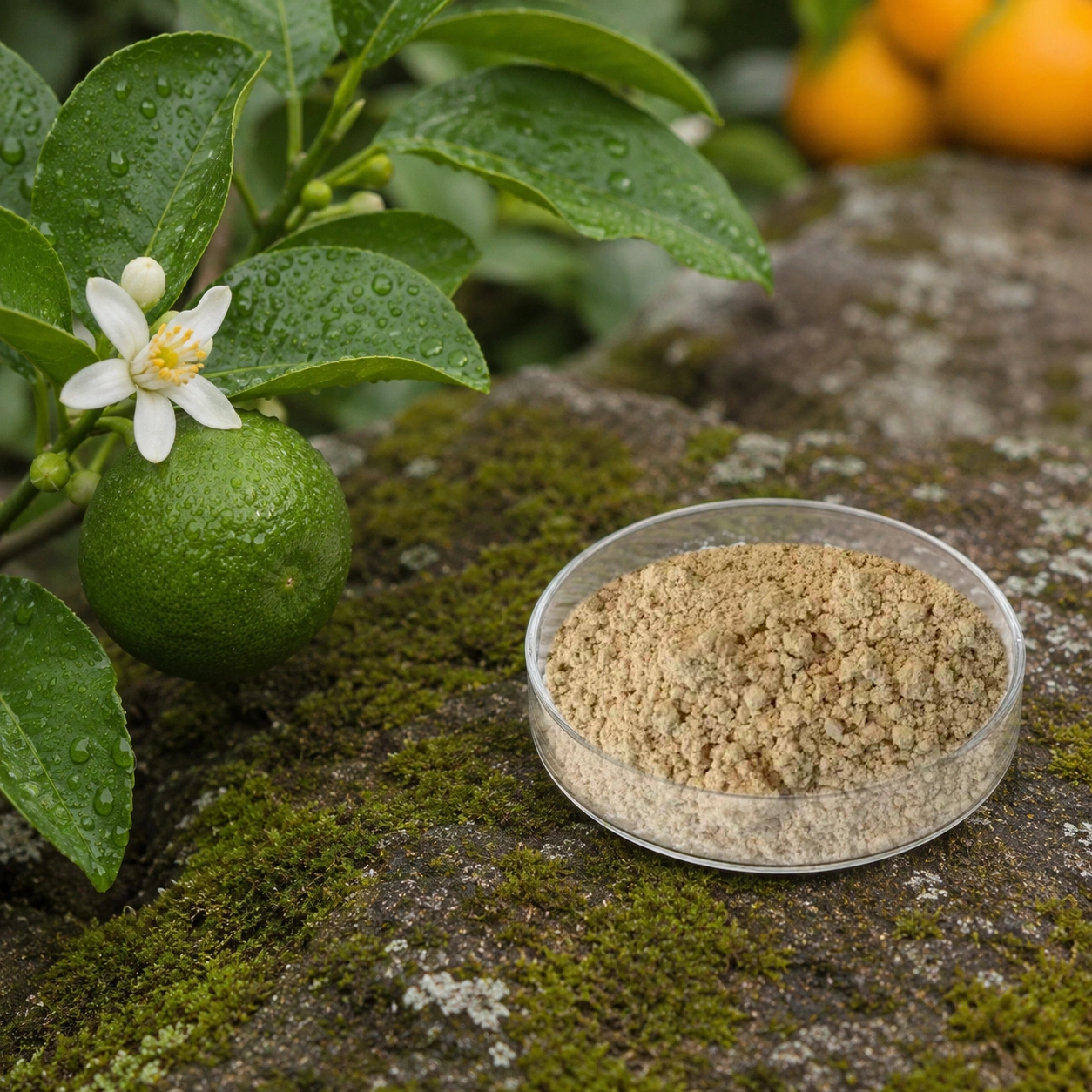
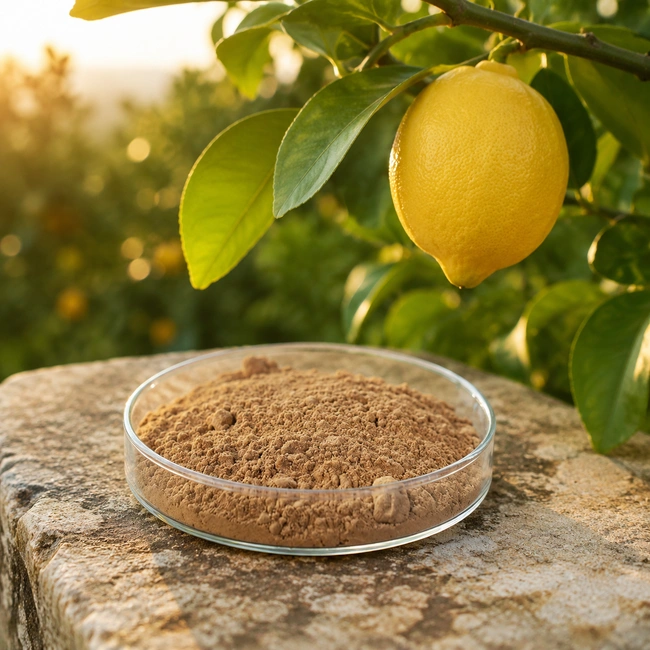
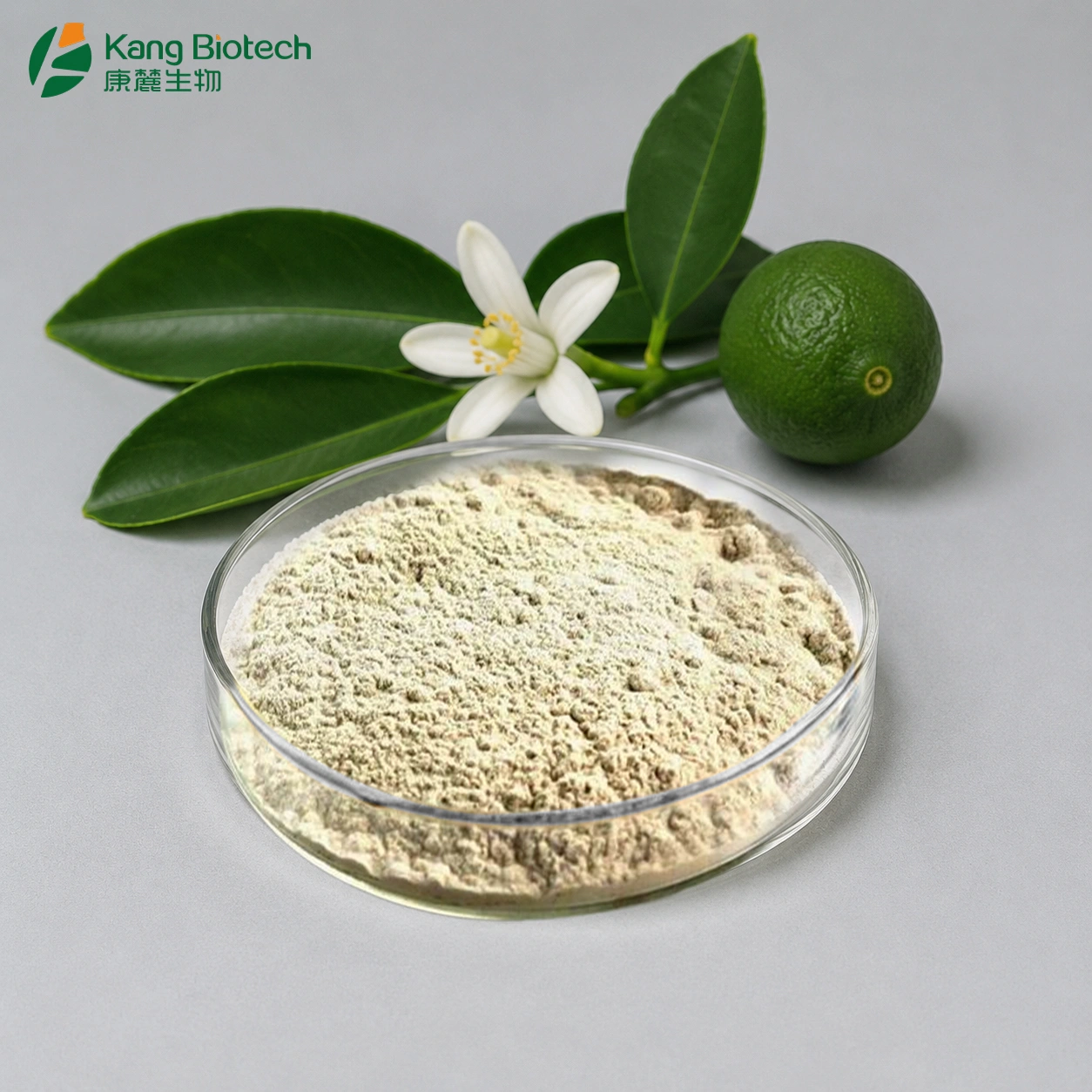
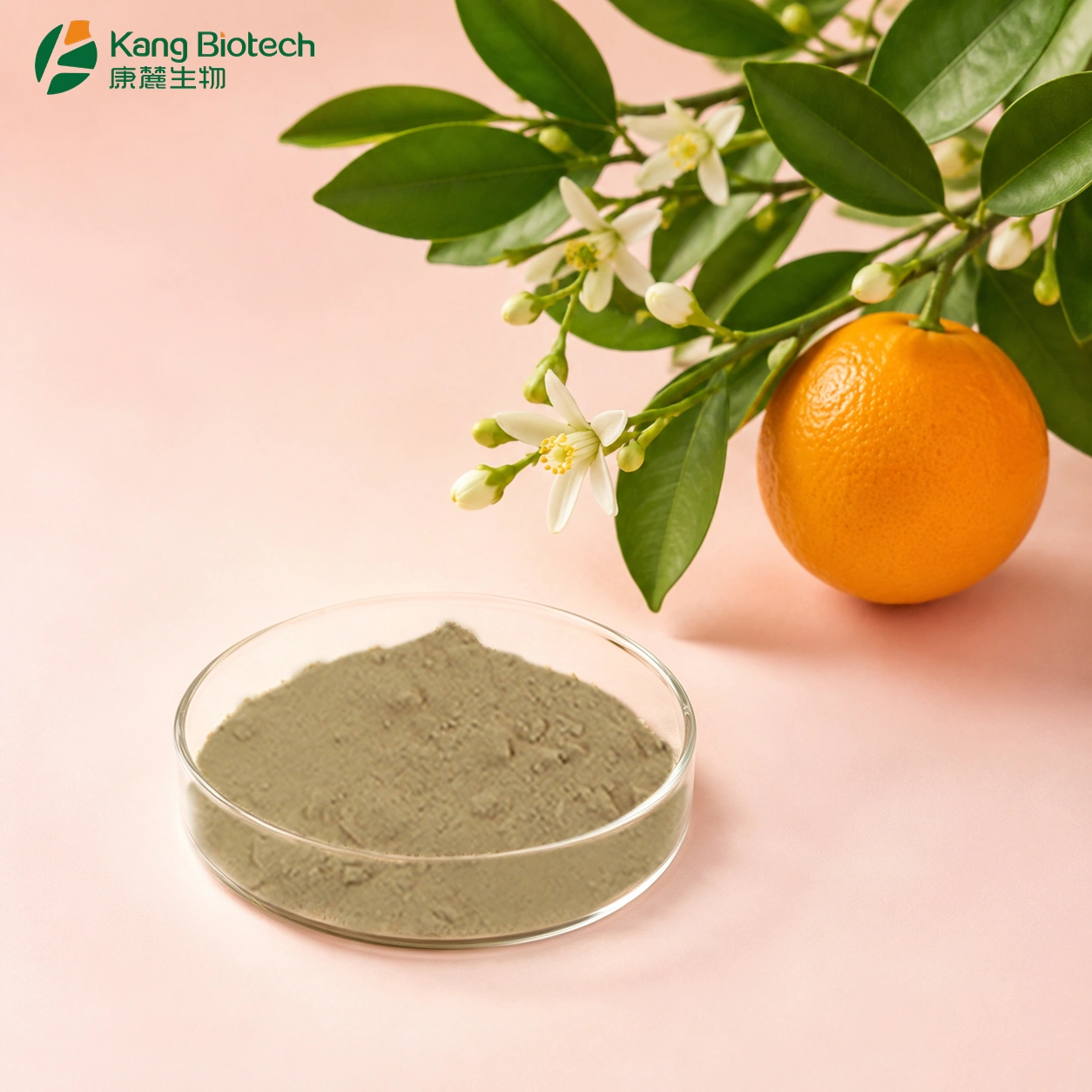
Appearance: Light yellow to grey powder
Package specification: 25 kg/drum
Mode of transportation: Express, air shipment, ocean shipment
Delivery: Stock products are ready for shipment worldwide.
OEM/ODM: Supported
Minimum order quantity: 1 kg, samples available.

- Free Samples
- Quality Assurance
- 24/7 Customer Service
Product Introduction
Hesperidin Micronized: Premium Citrus Bioflavonoid for Pharmaceutical and Nutraceutical Applications
Advanced jet milling process produces pharmaceutical-grade Hesperidin Micronized from premium Citrus Sinensis L. by Kang Biotech. Our product has a particle size distribution of D90 < 10μm and D50 < 5μm, resulting in higher bioavailability than normal hesperidin. We provide consistent batch quality with 98% HPLC-tested purity after 11 years of manufacturing and 20 years of citrus extraction technological competence. Our 33,000 m² ISO 22000, HACCP, Halal, and Kosher-certified factory guaranties consistent supply to 40+ countries. Stock ready for global distribution.
What Makes Hesperidin Micronized Different?
Poor water solubility and intestinal permeability restrict standard hesperidin. Inconsistent bioavailability reduces product effectiveness.
Our product offers mechanical processing to solve these industry issues. Micronization exponentially increases particle surface area, facilitating gastrointestinal solubility and absorption.
This refined bioflavonoid (C28H34O15) performs well while retaining its molecular structure. Stable, homogenous dispersions in liquid and semi-solid formulations are impossible with standard hesperidin.
Cold jet milling protects heat-sensitive bioflavonoid structure after micronization. Your finished product retains its medicinal potential without deterioration.
Technical Specifications
| Parameter | Specification |
|---|---|
| Botanical Source | Citrus Sinensis L. |
| Molecular Formula | C28H34O15 |
| CAS Number | 520-26-3 |
| EINECS | 208-288-1 |
| Assay (HPLC) | 98% (Standard range: 10%-98%) |
| Particle Size | D90 < 10μm, D50 < 5μm |
| Appearance | Light yellow to cream-colored fine powder |
| Moisture Content | ≤5.0% |
| Ash Content | ≤0.5% |
| Grade | Pharmaceutical & Food Grade |
| Packaging | 25 kg/drum |
Why Choose Kang Biotech's Hesperidin Micronized?
We start our integrated supply chain at source. Our bitter orange fields in Lianyuan, Hunan Province, span over 20,000,000 m², assuring quality and traceability from cultivation to extraction.
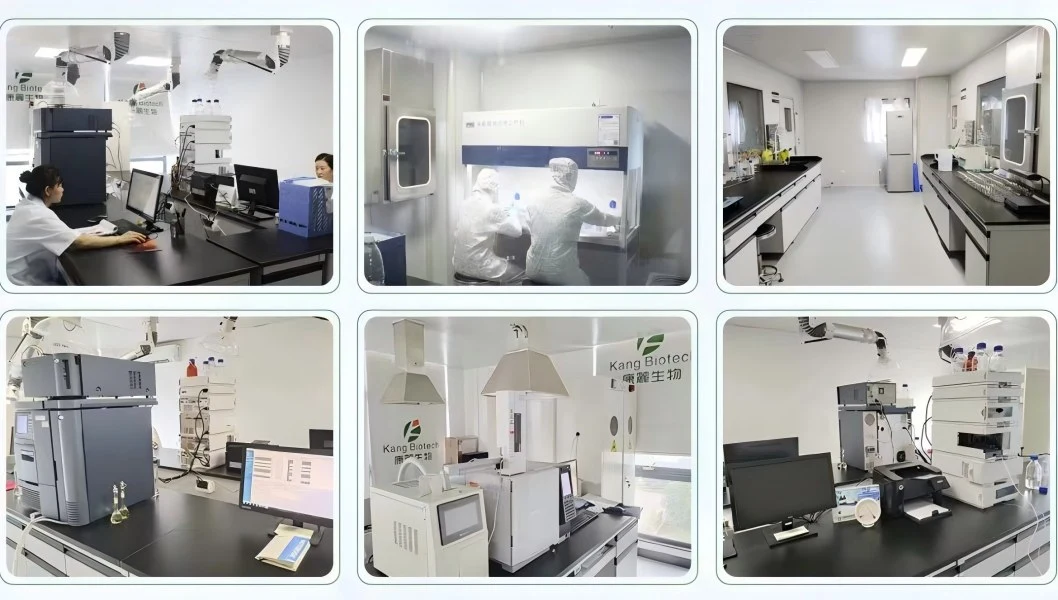
Nine manufacturing lines with jet milling technology provide particle size control. Laser Diffraction with Malvern Mastersizer devices tests particle size distribution in every batch.
Our QMS meets ISO 9001, ISO 22000, HACCP, FAMI-QS, Halal, and Kosher requirements. Our testing documentation covers assay purity, heavy metal analysis (ICP-MS), microbiological profiling, and associated compounds monitoring.
Joint Research Center with Hunan Institute of Agricultural Product Processing and Quality Safety promotes extraction technology and tailored ingredient innovation.
Our versatile OEM/ODM services benefit you. We tailor specifications, purity, packaging, and labeling to your regulatory and market demands.
Primary Applications
Drug-Phlebotropic Formulations
In MPFF formulations, Hesperidin Micronized is the main constituent. Chronic Venous Insufficiency (CVI) and hemorrhoids require quick onset and substantial systemic absorption.
The increased bioavailability provides therapeutic effectiveness that conventional hesperidin cannot. It is often used in a 9:1 ratio with Diosmin for synergistic vascular health effects.
Advanced Supplements
Cardiovascular support products need well-absorbed chemicals. Micronized form is potent enough for capillary strength and circulation support compositions.
Nutritional supplements for cardiovascular and general health can be developed with confidence. Bioactive distribution is constant across manufacturing batches due to enhanced solubility.
Cosmetic Uses
Topical formulations penetrate the stratum corneum better due to smaller particles. Antioxidants provide anti-inflammatory and eye-contour benefits to dermatological products.
Dark circle, puffiness, and skin health products benefit from its formulation stability in complicated emulsion conditions.
Quality Control Standards
Our production processes include extensive testing. Pharmaceutical-standard micronization efficiency is verified using Particle Size Distribution.
Bioflavonoid label claims are verified by HPLC. The quality assurance process includes:
- Testing for contaminants such as Isocitrin and Neohesperidin, and heavy metal analysis using ICP-MS to maintain Pb, As, Cd, and Hg below 10ppm overall.
- Microbiological Testing: Comprehensive Total Plate Count, Yeast/Mold, E. coli, and Salmonella profiling
- Physical Properties: Encapsulation and tableting feasibility depend on tap and bulk density measurements.
Every product meets USP and EP monograph standards. Pharmaceutical-grade quality is ensured by moisture, ash, and residual solvent restrictions.
Packaging and Logistics
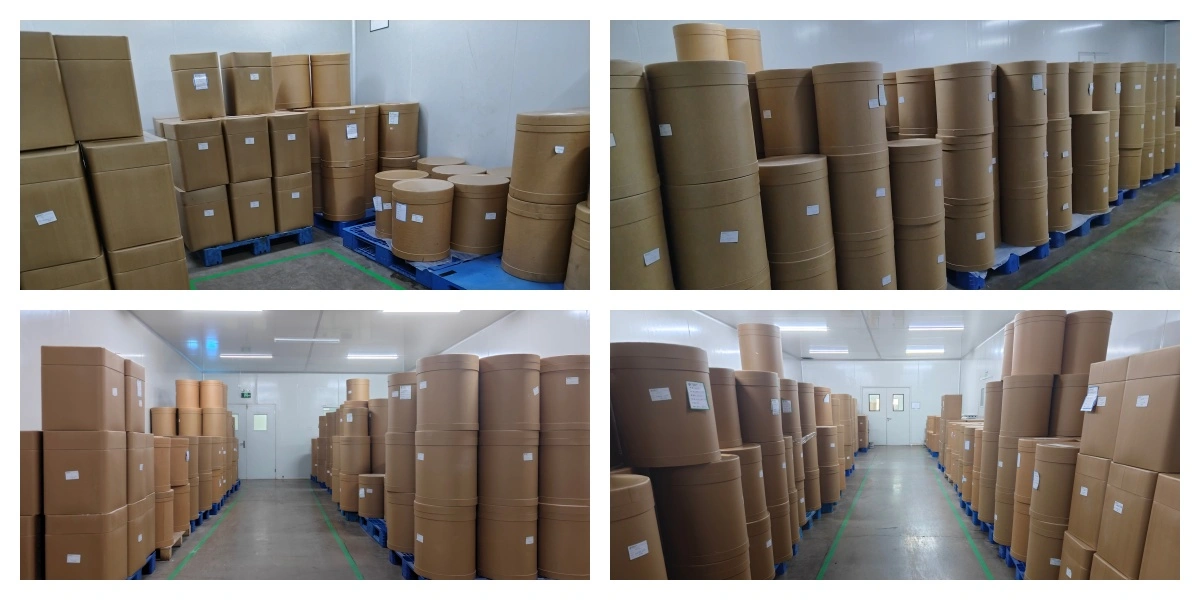
Standard packaging comes in 25 kg/drum with moisture-barrier protection. Custom packaging solutions are available based on your specific requirements.
We offer flexible delivery options including FedEx express, air freight, and sea freight. Ready stock ensures immediate shipment for both trial orders (MOQ 1 kg) and large-scale commercial quantities.
All shipments include complete documentation: Certificate of Analysis, MSDS, allergen statements, and regulatory compliance certificates tailored to your destination market.
FAQ
Q: Why is micronization necessary for hesperidin?
A: Normal hesperidin is water-insoluble. The surface area-to-volume ratio of micronized materials promotes dissolving rate and biological absorption for therapeutic action.
Q: Does the micronization process involve heat that might degrade the ingredient?
A: Modern cold jet milling employs pressurized gas. Heat-sensitive bioflavonoid structure is preserved throughout processing.
Q: What is the typical D90 value for pharmaceutical-grade product?
A: Pharmaceutics typically require D90 below 10 μm for good bioavailability and formulation efficacy.
Q: How should it be stored to prevent clumping?
A: Keep airtight containers cold and dry. The micronized powder is more hygroscopic and moisture-sensitive due to its high surface energy.
Q: Do other flavonoids like Diosmin work for it?
A: Yes. Usually mixed 9:1 with Diosmin. Synergistic vascular health effects are achieved by micronizing both.
Contact Us
Ready to enhance your formulation with premium Hesperidin Micronized? Contact our technical team at sales02@kangbiotech.com for product samples, technical documentation, and customized solutions.
Send Inquiry
 powder.webp "Polymethoxylated Flavones (PMFs) powder")