How Sweet Is Neohesperidin Dihydrochalcone Powder?
September 8, 2026
If you work in food and beverage formulation, you have probably asked this question at least once. Neohesperidin dihydrochalcone powder is approximately 1,500 to 1,800 times sweeter than sucrose by weight. Derived from neohesperidin, a natural flavonoid concentrated in bitter orange (Citrus aurantium), this white crystalline ingredient carries CAS No. 20702-77-6 and molecular formula C₂₈H₃₆O₁₅. Because it is active at single-digit ppm levels, its caloric contribution in finished products is essentially negligible, which makes it genuinely compelling for sugar-reduction programs running under tightening regulatory and market pressure.
What Is Neohesperidin Dihydrochalcone Powder?
Chemical Identity and Physical Form
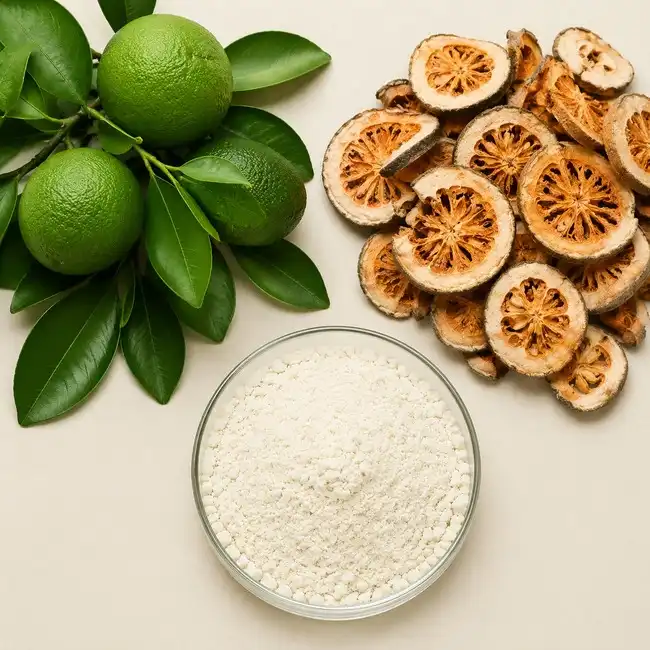
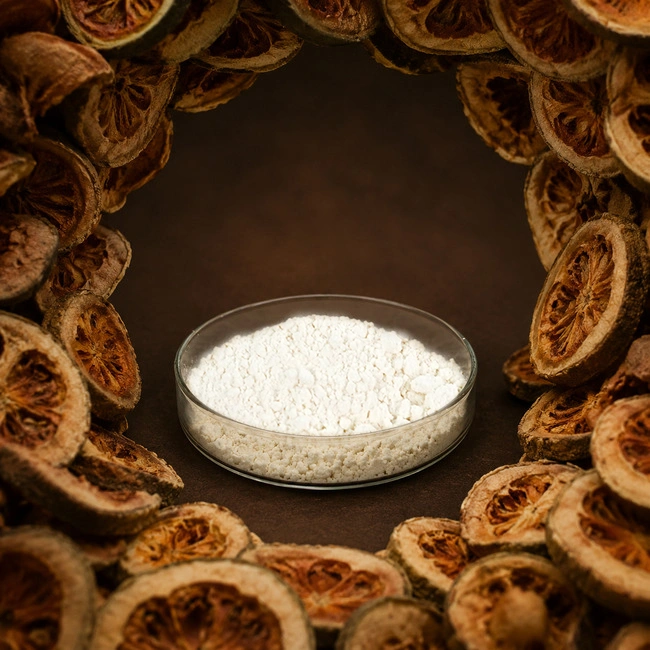
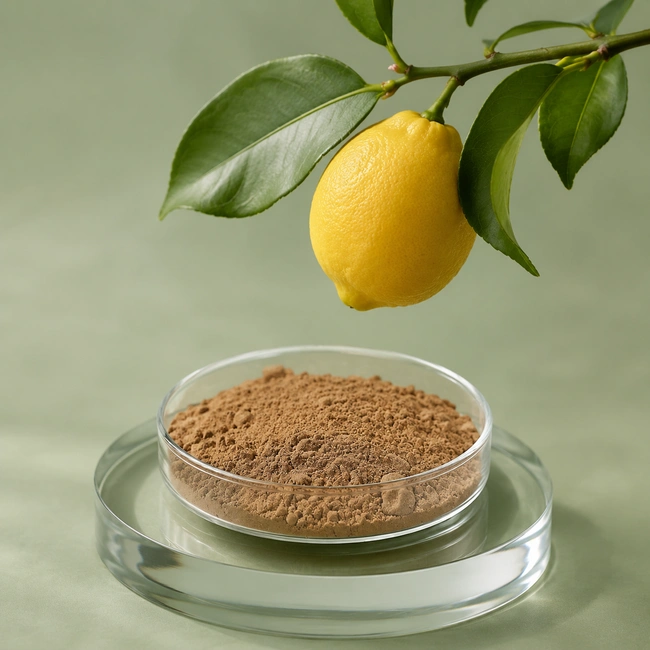
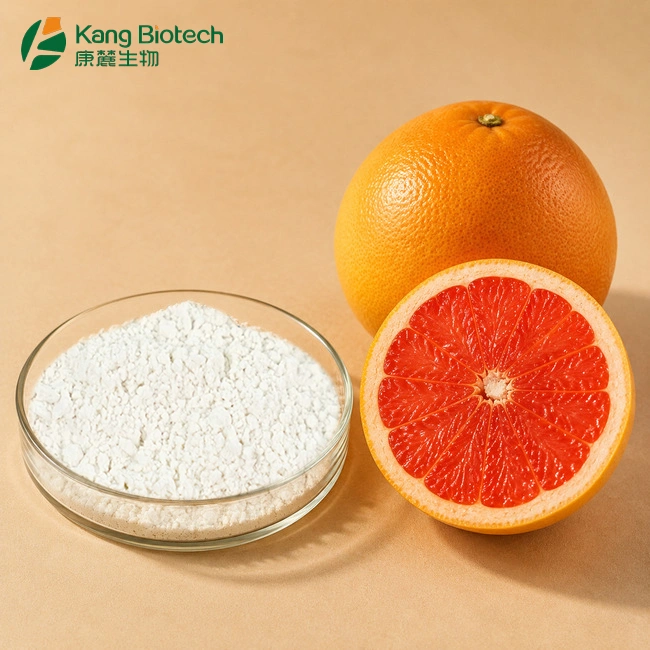
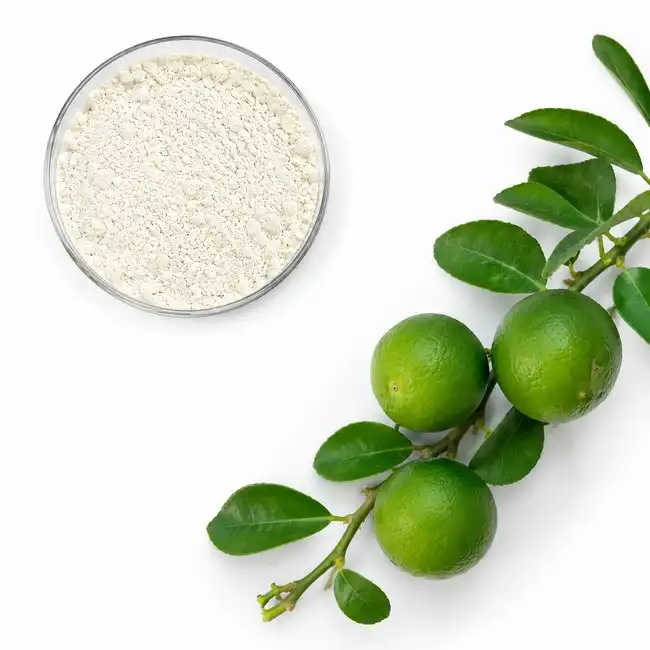
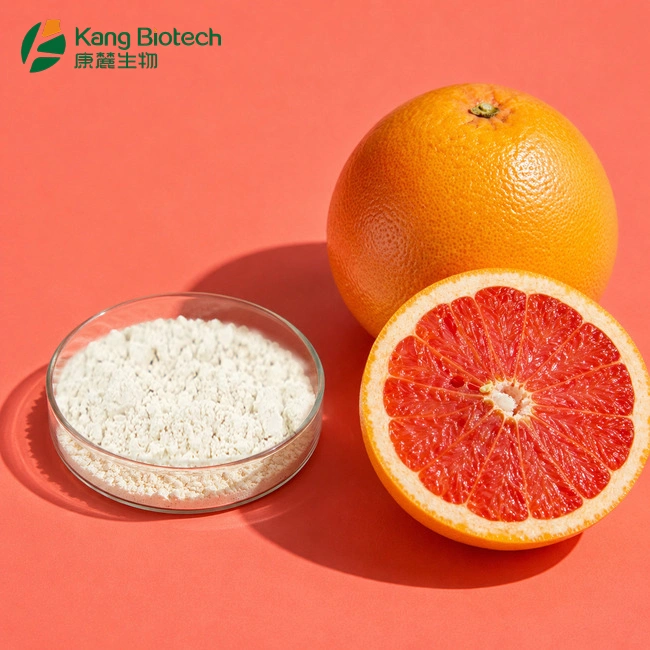
Neohesperidin dihydrochalcone powder is made by extracting orange peel with water or ethanol and then catalytically hydrogenating the parent flavonoid. This makes a white powder with the numbers EINECS 243-978-6, FEMA 3811, and EU E959. Kang Biotech makes sure that every batch is at least 98% pure using HPLC. The products come in 25 kg drums, and the smallest order size is just 1 kg, so that R&D teams can start trying them without having to commit to large commercial quantities.
Sweetness Onset and Sensory Profile
The time nature of NHDC is what makes it different from most high-intensity sweeteners. The sweetness comes on more slowly than sucrose and lasts much longer. When used in small amounts, the finish is clean. If it's used too much, it might give off a mild licorice or cooling note. That's why experienced formulators keep the doses in the 1–5 ppm range for drinks and carefully raise them for dairy or candy uses. This controlled start is helpful in complicated recipes where the goal is a round, mouth-filling sweetness.
Stability Across Processing Conditions
NHDC keeps its shape from pH 2.0 to 12.0, which includes almost all food types, from fizzy soft drinks to alkaline mouthwashes. It doesn't change much when it's pasteurized under ultrahigh temperatures, baked at temperatures above 120 °C, or put through standard retort conditions. It dissolves only slightly in cold water (about 0.5 g/L), but it dissolves much more completely in hot water and mixtures of ethanol and water. This makes concentrated masterbatches a useful way to prepare liquid product lines.
Benefits and Safety of Neohesperidin Dihydrochalcone Powder
When making sugar-reduced or "clean label" products, formulators are always balancing the need to reduce the sweetness without losing the consumer's acceptance. NHDC immediately deals with that conflict. Here are the main performance benefits that you should look at:
- High sweetness with near-zero calories. Neohesperidin dihydrochalcone powder is about 1,500 to 1,800 times sweeter than sugar, so one kilogram of it can be used instead of hundreds of kilos of sugar. The amount used is so small that, according to standard nutrition labeling rules, the amount of calories added is equal to zero.
- Regulatory acceptance across key markets. In the European Union, NHDC is recognized as E959. In the United States, it is recognized as GRAS under FEMA 3811, and it is part of China's GB 2760 sugar standard. For market-specific compliance needs, Kosher and Halal certifications are available.
- Non-toxic, rapid metabolism. The safety profile of NHDC has been confirmed by both JECFA and EFSA evaluations. It is quickly broken down, doesn't build up, and there are no known problems with using it on children in allowed application groups.
All of these things give manufacturers the peace of mind that they can change the way their products work and make new ones, knowing that their regulatory affairs teams can defend their choice of ingredient in more than one place.
NHDC has a good track record when it comes to safety. The ANS Panel on Food Additives and Nutrient Sources (EFSA) looked at NHDC and decided that 5 mg/kg of body weight is a safe amount to eat every day. Actual exposure is well below that amount for all age groups when used at normal levels in food and drink uses.
Neohesperidin Dihydrochalcone Powder vs. Other Sweeteners
Sucralose, stevia, aspartame, and saccharin are often talked about when the procurement and research and development teams talk about different sweeteners. Each plays a specific role, but neohesperidin dihydrochalcone powder is in a different functional area for certain reasons.
Synergy: Where NHDC Truly Stands Apart
It's possible that the most commercially valuable thing about NHDC is not how sweet it is, but how well it works with other sweeteners. NHDC makes things taste sweeter when mixed with sucralose, stevia, or acesulfame-K. It also gets rid of harsh or bitter aftertastes and can lower the concentration of the main sweetener by up to 50%. This cuts the cost of formulation directly and raises the sensory score of final goods. Because of this, NHDC is a technically and economically sensible ingredient for compounding companies that make their own flavor blends, even at small amounts.
pH and Heat Stability Comparison
Aspartame breaks down above 50 °C and is less effective in acidic environments, which means it can't be used in hot or fizzy drinks. At higher concentrations, stevia glycosides can have bitter notes that last for a long time. The full pH and temperature range that most industrial food processes need for NHDC doesn't change its strength or structure. This stability is not minor; it directly affects how long something lasts and how predictable it is from batch to batch, which is something that procurement managers should not compromise on.
How to Procure Neohesperidin Dihydrochalcone Powder for Your Business
Certifications and Documentation to Request
Neohesperidin dihydrochalcone powder should come with at least a Safety Data Sheet, a Certificate of Analysis (COA) with HPLC purity confirmation, E959 and FEMA 3811 compliance letters, Kosher and Halal certificates, and REACH compliance documentation when bought from any supplier. It's more important to have batch-specific COAs than general ones. If a provider can't give you batch-level HPLC data, that means there is a problem with their quality control that will show up in production.
Ordering and Logistics Structure
Neohesperidin dihydrochalcone powder is shipped by Kang Biotech because they have enough in stock. FedEx Express is used to send trial orders of 1 kg or more so they can get to labs quickly. Depending on the time frame and the amount, commercial goods can be moved by air freight or sea freight. The standard amount of packing is 25 kg per drum. With this tiered logistics approach, you can test the ingredient in the lab and then move to full production without having to switch sources or talk about lead times again.
Practical Applications and Usage Guidelines for NHDC Powder
Neohesperidin dihydrochalcone powder works well in a lot of different types of products. In carbonated drinks with no calories, 1–5 ppm gives them body and a sweetness that artificial sweeteners can't match. It hides the slightly bitter taste of functional protein isolates in dairy products while making them seem sweeter for longer. Because it is thermally stable, it stays whole during processing in bakeries and candy shops. It is used by people who make mouthwash to cover up the bitter taste of active ingredients like cetylpyridinium chloride.
Neohesperidin dihydrochalcone powder should be kept in a cool, dry place that is out of direct light and away from strong smells. Under normal warehouse conditions, the powder doesn't absorb water, so standard covered drum storage is fine. Under normal conditions, food can stay fresh for up to 24 months after it was made.
When mixing NHDC with other sweeteners, add it slowly at first, watch how the sweetness curve changes, and then make the necessary changes. This method stops the sugar from being too high and keeps the aftertaste of licorice below the level that people can taste.
Conclusion
Neohesperidin dihydrochalcone powder has a very high sweetness level, has been shown to be stable under harsh processing conditions, and works well with other sweets in complicated mixtures. Its legal status in the EU, the US, and key Asian countries makes compliance work a lot easier. If you are changing the ingredients in a current line of drinks, making a candy that is safe for diabetics, or making your own sweetener blend, you should give NHDC a lot of thought. The ingredient is useful for a lot more than just sweetness, and it's easy to see how valuable it is in industrial formulations once testing starts in the lab.
FAQ
1.Is neohesperidin dihydrochalcone powder safe for children?
In certain situations and at certain amounts of use, NHDC is thought to be safe. An ADI was set by the EFSA at 5 mg/kg body weight, and most children's exposure through food is still well below this level.
2.How does NHDC compare to sucralose in beverages?
Both of them stay stable in hot, acidic conditions. Sucralose gives a cleaner, more immediate sweetness, while NHDC gives a longer sweetness tail and better mouthfeel. A lot of people who make drinks mix the two to make the flavor more balanced.
3.What is the recommended starting dosage?
Start with 1 to 3 parts per million (ppm) for drinks and 5 to 10 ppm for dairy or sweets. Build up slowly. When you go over the suggested amounts, you get a note of licorice or mint that most people don't like.
4.Can it be used with stevia?
Yes, NHDC is very good at hiding the bitter aftertaste of stevia. A small amount of NHDC in a system based on stevia can make a big difference in how well people accept it.
5.What purity specification should I request?
Ask for ≥98% purity to be proven by HPLC. This guideline is in line with EP, FCC IV, and food-grade standards, and it makes sure that the sweetness is the same from batch to batch.
Partner with Kang Biotech for Premium Neohesperidin Dihydrochalcone Powder
The company Kang Biotech directly makes neohesperidin dihydrochalcone powder. They have over 20,000,000 m² of orange plantations and 13 years of practice making powder. Our 98% HPLC-verified product ships from stock, and you can get trial amounts starting at 1 kg right away. You can email our sales and technical team at sales02@kangbiotech.com to request samples, COA paperwork, or help with your application.
References
1. European Food Safety Authority (EFSA), EFSA Journal, 2011.
2. Flavor and Extract Manufacturers Association (FEMA), GRAS Monograph: FEMA 3811, 2005.
3. Joint FAO/WHO Expert Committee on Food Additives (JECFA), WHO Technical Report Series, 1992.
4. Borrego, F. & Montijano, H., "Neohesperidin Dihydrochalcone: Properties and Applications," Food Technology and Biotechnology, 2001.
5. O'Brien Nabors, L. (Ed.), Alternative Sweeteners, 4th edition, CRC Press, 2011.
6. European Parliament and Council, Directive 94/35/EC on Sweeteners for Use in Foodstuffs, Official Journal of the European Union, 1994.