How to Select a Bulk Naringenin Powder Supplier
September 8, 2026
Selecting the right bulk naringenin powder supplier is one of the most consequential decisions a formulation team can make. Whether you are developing a functional beverage, a metabolic health gummy, or an oral beauty supplement, the quality, traceability, and consistency of your citrus flavonoid ingredient will shape your product's efficacy and your brand's credibility. This guide walks through the key criteria—from purity documentation to OEM flexibility—so you can evaluate suppliers with confidence and move from concept to shelf faster.
Understanding the Naringenin Powder Market and Its Challenges
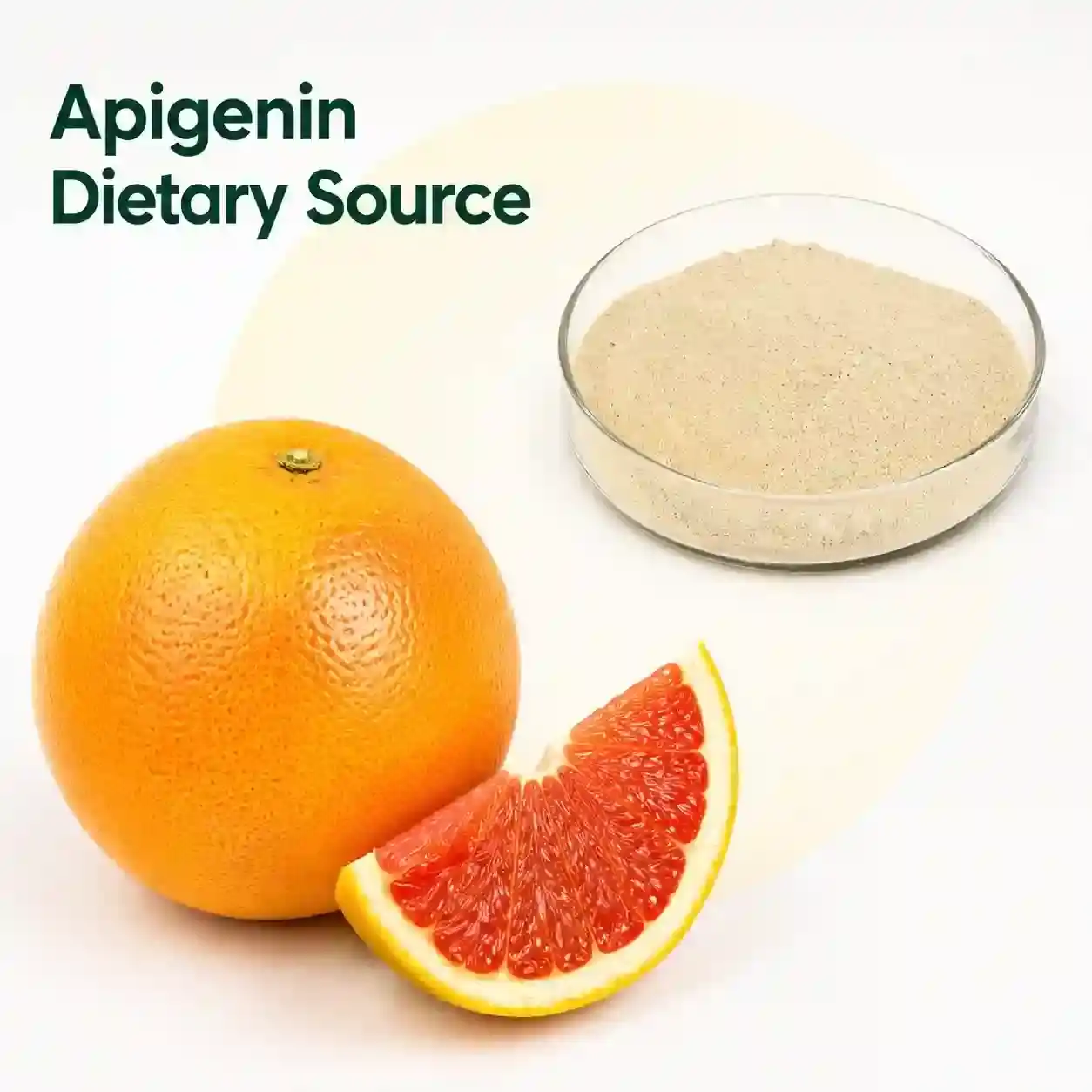
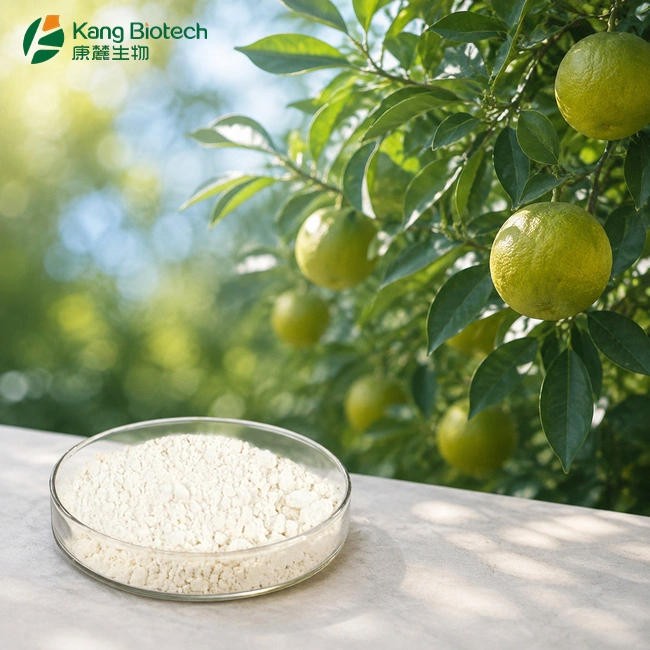
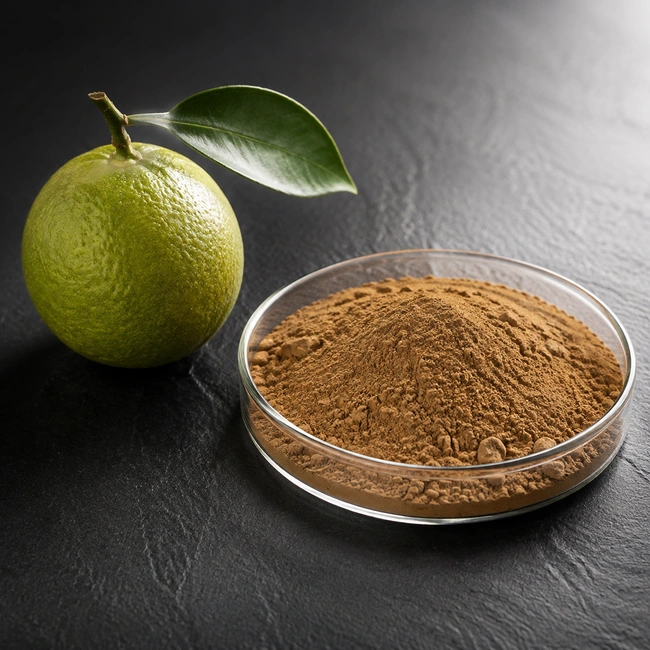
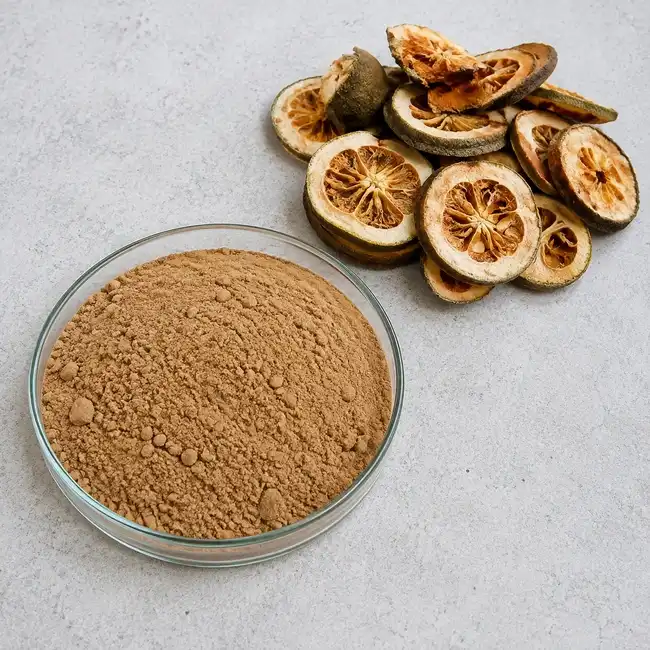
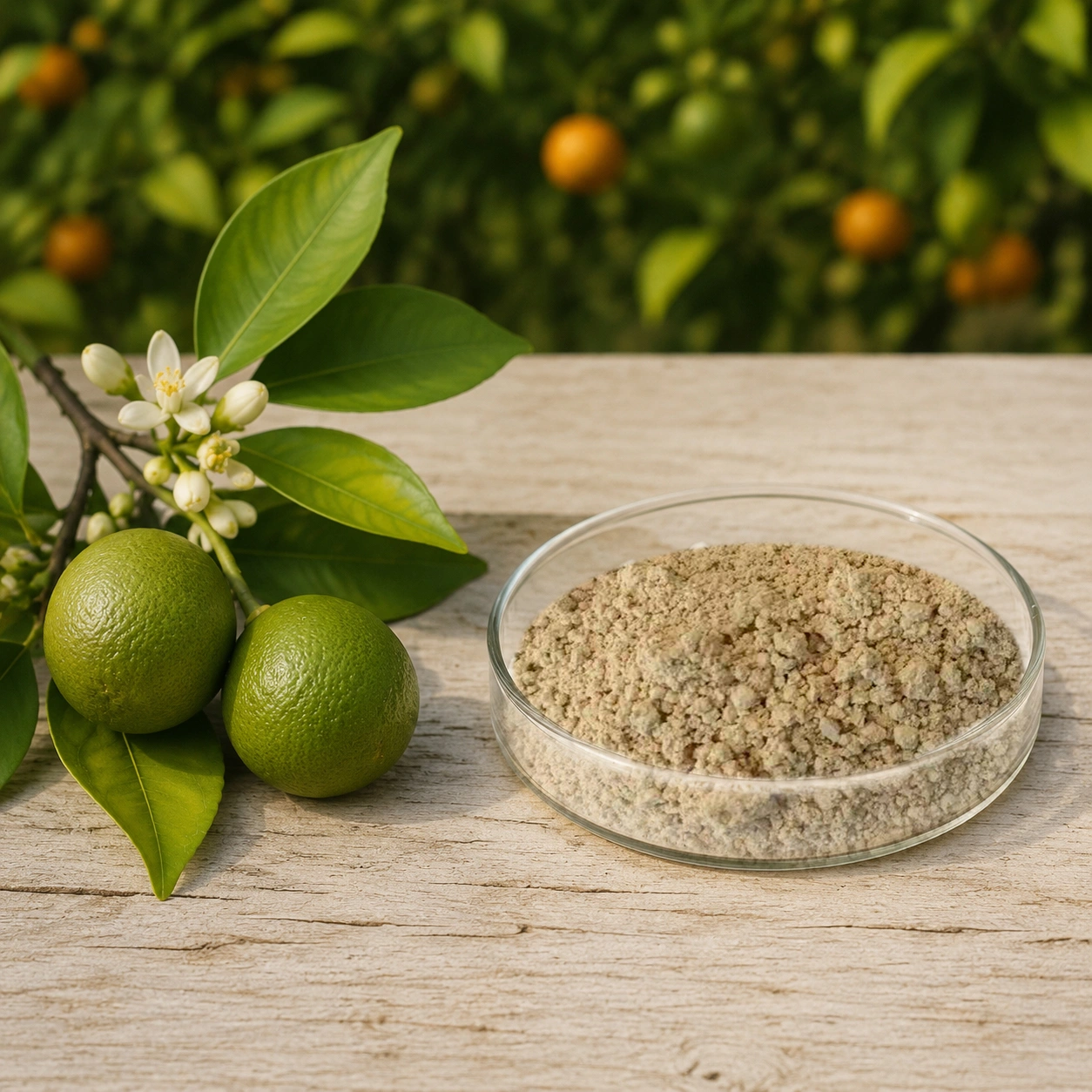
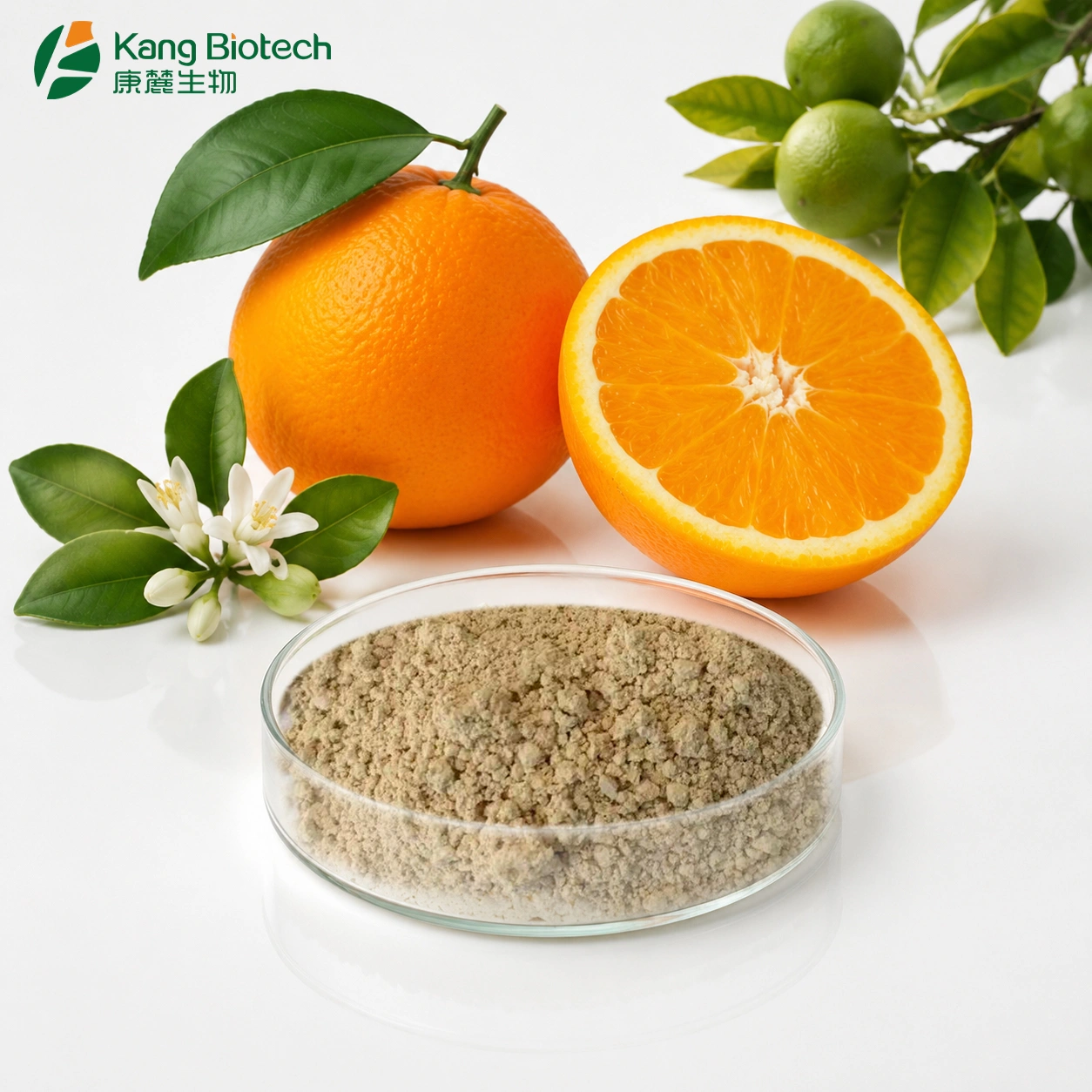
Naringenin (CAS No. 480-41-1) is a flavanone that is naturally found in some types of tomato, bitter orange (Citrus aurantium L.) peels, and grapefruit peels. As the aglycone form of naringin, naringenin powder is more bioactive and better at dissolving in fats than its glycoside precursor. This makes it a popular active ingredient in personal care, functional foods, and supplements.
This flavonoid comes from citrus fruits and has been steadily in higher demand in North America, Europe, and the Asia-Pacific region. However, buying teams often face real problems in this market.
Key Market Challenges Buyers Should Know
Knowing about these problems will help you ask better questions of any possible naringenin powder supplier:
- Purity inconsistency: The market has grades that range from about 80% to 98% HPLC. Products that are advertised as "high-purity" but don't have confirmed third-party COAs can fail to meet clinical dosage requirements and cause problems for regulators during label review.
- Solubility limitations: Naringenin dissolves well in ethanol, ether, and DMSO, but not in water. It is lipophilic. This makes it harder to add directly to drinks that are mostly water, and some suppliers may not be able to provide the process support needed for things like cyclodextrin complexation or nano-emulsification.
- Source transparency gaps: Buyers who are writing "clean label" stories need to see proof of where the plants came from and how they were extracted. Suppliers that can't prove a non-synthetic, plant-based route can't be in this market.
- Supply chain fragility: When there aren't enough raw materials, smaller brands often lose out to larger buyers who buy more. This risk is greatly reduced if you choose a supplier whose cultivation is vertically integrated.
These sticking points are not vague; they have a direct effect on the time it takes to formulate, submit to regulators, and make marketing promises. The factors in the next part go over each one in turn.
Core Criteria for Evaluating Bulk Naringenin Powder Suppliers
Before I do anything else, when I look at a new orange flavonoid provider, I go through four things that I can't change.
Purity and Third-Party Verification
98% or more by HPLC is the standard for high-quality naringenin powder in the industry. A real seller will give you a Certificate of Analysis that is special to your batch and includes the test value, heavy metal limits, leftover solvent data, and microbial counts. Testing by a third party from an ISO-accredited lab gives you extra confidence that internal quality control alone can't give you.
Natural Extraction Method and Botanical Traceability
When making clean-label products, the way the ingredients are extracted is just as important as the pure number. The normal ways to get oil from Citrus aurantium L. are through water extraction or ethanol extraction. If your suppliers can prove where their plants come from, ideally down to the farm level, your marketing and legal teams will have what they need to write their stories.
Regulatory Certifications and Compliance Readiness
A company that sells naringenin powder in the US should have at least ISO 9001, ISO 22000, HACCP, and FDA facility registration. Halal and Kosher certifications help businesses reach a wider range of customers. These credentials show that the supplier's quality management system has been checked by a third party, not just what the supplier says it is.
Flexible MOQ, Sample Policy, and OEM Support
New brands usually start with trial amounts of 1 to 5 kg before going to full business levels. A seller who is ready to send samples and help with small-batch prototyping shows that they believe in their product and want you to succeed. A real development partner is different from a commodity seller because they offer OEM and ODM customization, which includes changes to specifications, packing, and help with application creation.
Comparative Analysis: What to Look for in Supplier Offerings
There are different kinds of naringenin powder on the market that are made for different uses. Figuring out the important differences helps you choose the right product for your formulation goal.
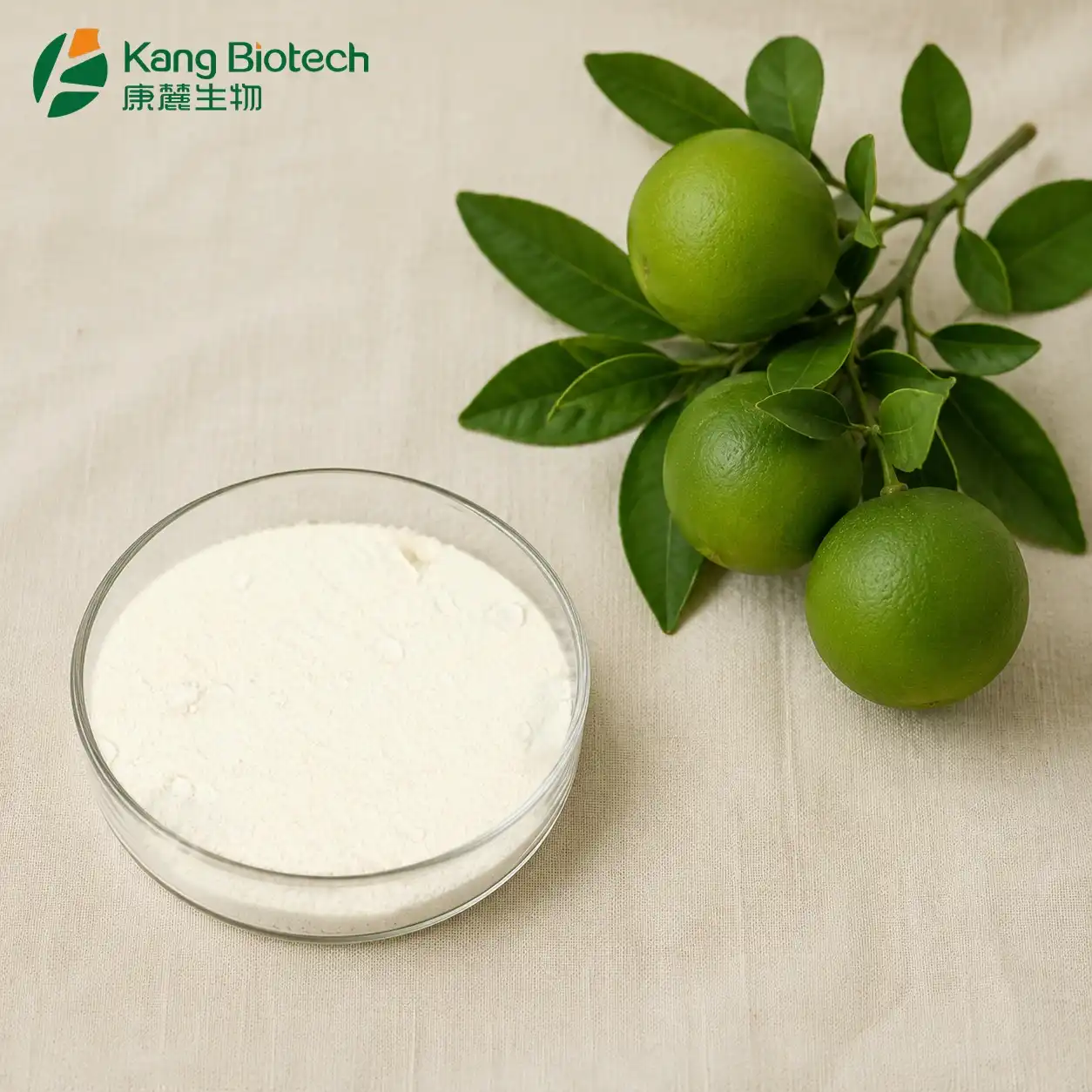
When you need exact, uniform doses for your product, like in softgel supplements, functional gummies, or topical antioxidant serums, pure naringenin powder at 98% HPLC is the best choice. The formula for molecules is C₁₅H₁₂O₅, and their weight is 272.25 g/mol. It looks like a crystalline powder that is white to off-white, and because it is stable at high temperatures, it can be used in most manufacturing processes.
When you mix naringenin with hesperidin or other orange bioflavonoids, you can get a wider range of antioxidants. When a full-spectrum citrus complex is what the label says it is, these blends work well. But they add more unknowns to quality control, and each naringenin may make a smaller and less predictable contribution.
When you compare prices, you'll find that the least expensive naringenin powder on the market doesn't usually come with 98% HPLC purity. Under-specification at the ingredient level can lead to problems later on, like stable tests failing, regulatory pushback, or complaints from customers about how well the product works. It is not an extra cost to pay for documented purity; it is normal practice for any serious formulation effort.
How to Assess Supplier Reputation and Trustworthiness
Getting certified is not the end goal; it's just the beginning. The details of how a company does business every day show how trustworthy they really are.
What to Look for Beyond Certifications
You can tell if a supplier can help with product development by looking at their audit history, how quickly they respond to technical questions, whether they are willing to sign mutual NDAs, and how much application data they can share (such as solubility profiles, stability studies, and encapsulation compatibility).
It's also important to have customer examples and case studies from brands that are similar. A supplier who has helped other functional food or oral beauty brands deal with the problem of naringenin powder not dissolving in water is much more useful than one who just lists the ingredient in a catalog.
The quality of a supplier's contact after the sale is a good indicator of how they will act when something goes wrong. Once you place an order, suppliers with dedicated technical account managers who respond within one business day show that they have good operational discipline that works well as your order volume grows.
Making the Final Decision: Matching Supplier Selection to Your Business Needs
When choosing a final provider, you should think about how much you need now and how much you think you will need in the future. If a supplier can send 1 kg of samples via FedEx today, they should also be able to send 500 kg of business sales by air or sea freight without messing up your schedule. Vertical integration, in which the supplier oversees the growing, extraction, and testing of quality, cuts down on the number of handoffs that can cause quality to drop or documentation to become missing.
The supplier's traceability system is an important part of the product story for brands that want to build a clean-label image around citrus-based ingredients. In your marketing papers, being able to say where the botanicals came from, how they were extracted, and that you are certified is a real competitive advantage.
When you look at scalability, documentation depth, formulation support, and regulatory alignment, you can make an evaluation matrix that keeps your supply chain safe and your product line competitive as the market for functional ingredients changes.
Conclusion
Picking a naringenin powder provider is not a one-time thing; it's the start of a relationship in formulation. The things that set reliable partners apart from interchangeable vendors are purity documentation, the ability to track natural botanicals, regulatory certifications, flexible sampling, and real technical support. When you match the skills of your supplier with the clean-label strategy and development plan of your product, you lower the risk of the formulation and improve the story of the ingredients that make your brand unique.
FAQ
1.What purity level should I require for naringenin powder in supplement formulations?
The standard in the nutraceutical and functional food industries is ≥98% by HPLC. With this level of purity, dosage will be correct, COA profiles will be better, and regulatory review of label claims will go more smoothly.
2.How do I address naringenin's poor water solubility in beverage applications?
Naringenin powder dissolves easily in ethanol and DMSO but not so much in water. There are well-known ways to improve dispersion in water-based matrices, such as hydroxypropyl-beta-cyclodextrin complexation, nano-emulsification, and microencapsulation. Ask your seller if they can give you data on how to improve solubility or recipe advice.
3.What certifications should a credible naringenin powder supplier hold?
For the US market, you should have at least ISO 9001, ISO 22000, HACCP, and FDA facility license. Having Halal and Kosher certifications can help your products reach more people.
4.What is the minimum order quantity for trial purposes?
A good supplier should be able to handle orders as small as 1 kg and offer samples for the first evaluation. This flexibility shows that early-stage product development is really being supported.
5.Is naringenin powder suitable for clean-label positioning?
Yes. Naringenin powder complies with plant-based and clean-label formulation standards because it is a naturally occurring citrus flavonoid extracted from Citrus aurantium L. using either water or ethanol.
Source Your Naringenin Powder with Confidence — Contact Kang Biotech
Kang Biotech has been making functional ingredients from citrus fruits since 2011. They have over 20,000,000 m² of bitter orange farms and a 33,000 m² certified factory in Hunan, China. From our factory, you can get straight naringenin powder that is 98% HPLC food-grade. We offer a 1 kg minimum order quantity with samples, full OEM/ODM customization, and expert formulation support. You can email our team at sales02@kangbiotech.com to ask for a sample or talk about the needs of your project.
References
1. Testai, L., & Calderone, V. (2017). Nutraceutical value of citrus flavanones and their implications in cardiovascular disease. Nutrients, 9(5), 502.
2. Panche, A. N., Diwan, A. D., & Chandra, S. R. (2016). Flavonoids: An overview. Journal of Nutritional Science, 5, e47.
3. Frydoonfar, H. R., McGrath, D. R., & Spigelman, A. D. (2003). The variable effect on proliferation of a colon cancer cell line by the citrus fruit flavonoid naringenin. Colorectal Disease, 5(2), 149–152.
4. Salehi, B., Fokou, P. V. T., Sharifi-Rad, M., et al. (2019). The therapeutic potential of naringenin: A review of clinical trials. Pharmaceuticals, 12(1), 11.
5. Mulvihill, E. E., & Huff, M. W. (2010). Antiatherogenic properties of flavonoids: Implications for cardiovascular disease. Canadian Journal of Cardiology, 26(Suppl A), 17A–21A.
6. Kumar, S., & Pandey, A. K. (2013). Chemistry and biological activities of flavonoids: An overview. The Scientific World Journal, 2013, Article 162750.