Hesperidin: A Citrus Treasure with a Rich History
September 8, 2026
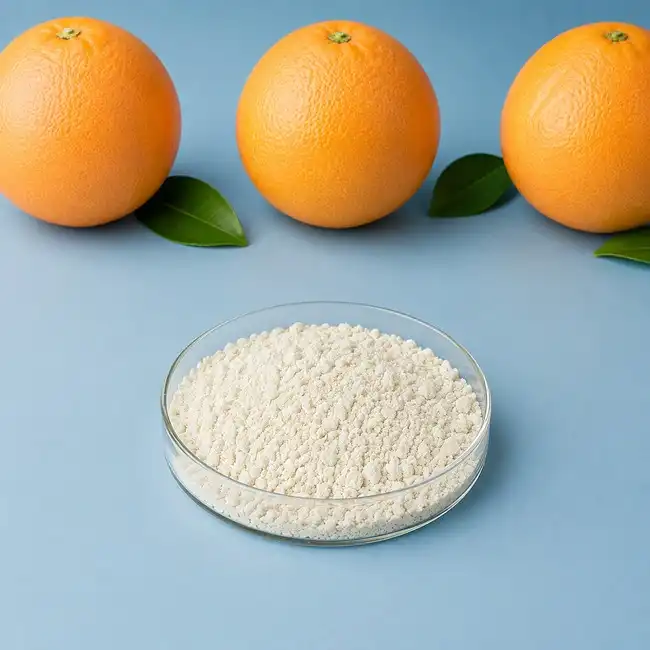
Hesperidin powder has silently fueled centuries of herbal therapy long before contemporary science could identify it. This naturally occurring bioflavonoid, with the chemical formula C28H34O15 and CAS number 520-26-3, has been isolated from the peels of citrus fruits including sweet orange (Citrus sinensis L.). Today it is a pale yellow to gray fine powder standardized by HPLC across a wide purity range from 10% to 98%. For pharmaceutical manufacturers, nutraceutical brands and specialized distributors, a firm grasp of the history, chemistry and supply dynamics of hesperidin powder is the basis of a sound sourcing choice.
Understanding Hesperidin Powder – Origins, Benefits, and Uses
Where It Comes From
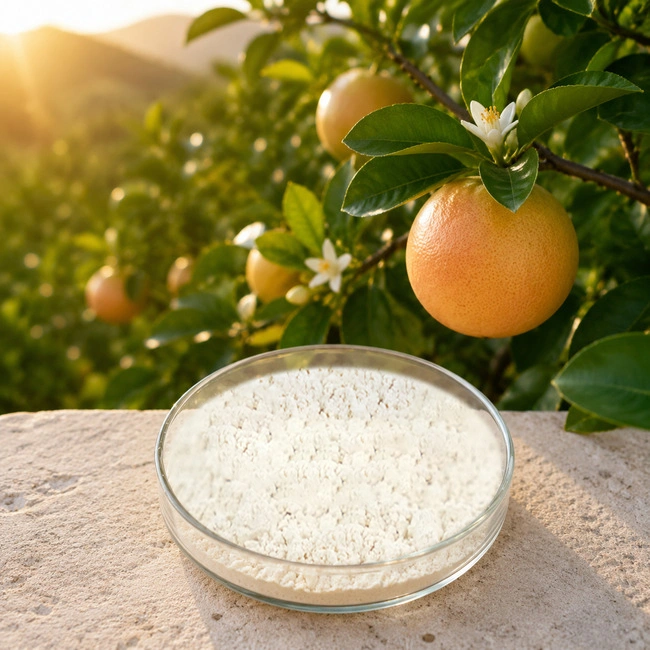
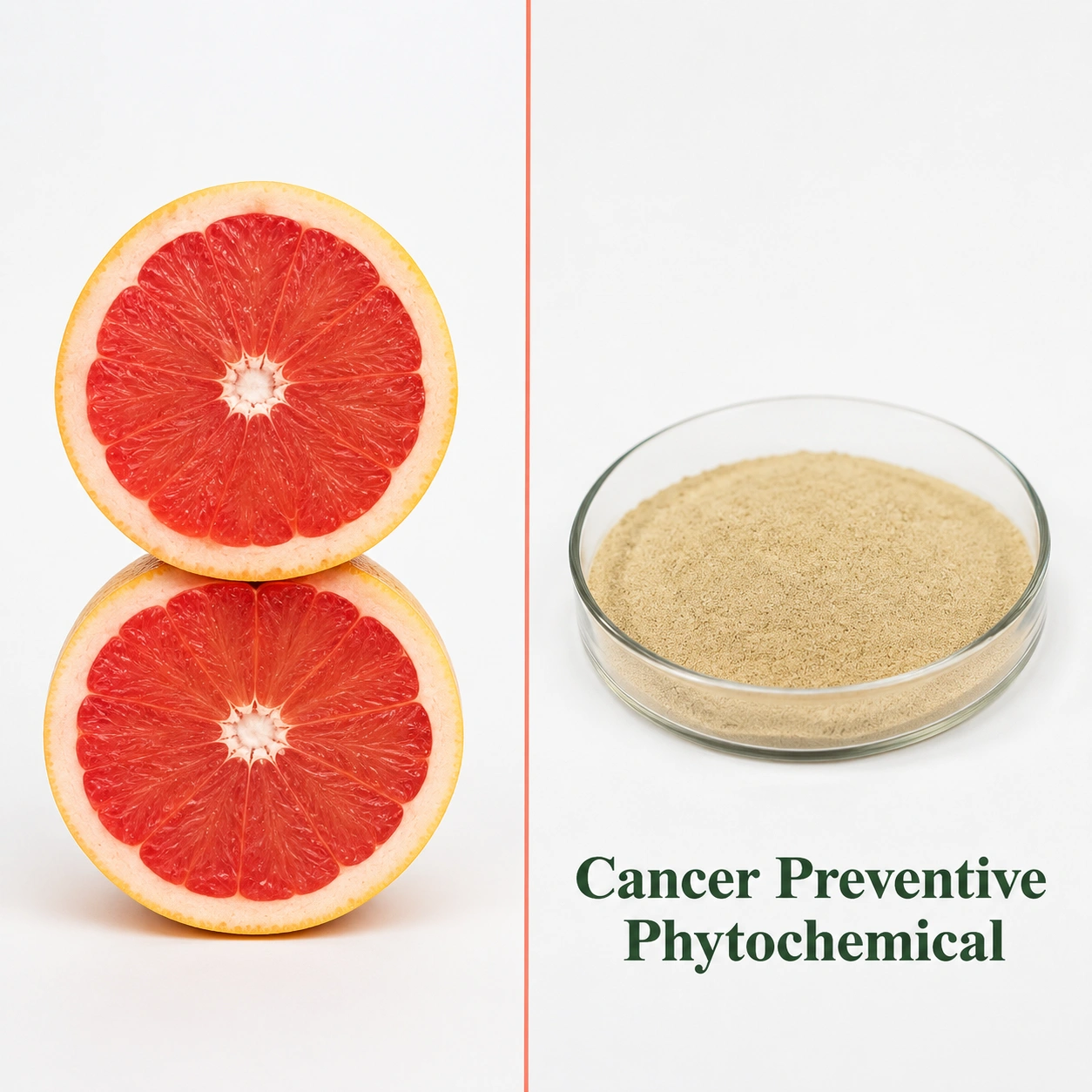
Hesperidin powder is extracted from the peel of unripe citrus fruits especially Citrus sinensis and Citrus aurantium. Hungarian chemist Albert Szent-Györgyi was the first to identify this category of chemicals in the 1930s: vitamin C. He named them “Vitamin P” because they keep capillaries healthy. It is registered with European regulatory bodies for a long period and has an EINECS registration number of 208-288-1. Kang Biotech employs two extraction methods: water extraction and ethanol extraction. They create food-grade items that satisfy the world’s standards for hygiene.
Key Functional Properties
Hesperidin has a variety of well recognized characteristics which are beneficial in formulations. This molecule is a flavanone glycoside, namely, hesperetin attached to the disaccharide rutinose, giving it a distinctive antioxidant composition. It has been verified by studies published in peer-reviewed publications to help sustain vascular tone and reduce capillary permeability. It’s bioavailability is greatly increased when taken with Vitamin C. This is a synergy that food supplement formulators rely on.
Because of these traits they are constantly in demand in numerous companies. What purchasing teams are looking at are the primary sorts of applications:
- Pharmaceutical APIs and Intermediates: Diosmin is manufactured using Hesperidin powder as the direct raw material. Diosmin (90%) and hesperidin (10%) operate synergistically in the traditional Micronized Purified Flavonoid Fraction (MPFF). This is a combination extensively suggested in Europe for chronic venous insufficiency and hemorrhoidal illness .
- Dietary supplements and nutraceuticals Hesperidin is widely available in capsules and tablets for circulatory health. It is compatible with other citrus bioflavonoids and utilized in vascular health mixes available in North American and European pharmacies and health food shops.
- Functional food and beverage: Hesperidin powder may be used into functional beverages and nutrition bars with antioxidant claims, due to its stability in various pH values and compatibility with beverage matrices.
- Cosmeceuticals: Topical formulations containing pure hesperidin are used to promote microcirculation, notably in eye treatments for the reduction of dark circles and puffiness.
Procurement managers who understand how hesperidin fits into these groupings may ensure that purchasing requirements are precisely linked with production demands further down the line.
Comparing Hesperidin Powder to Other Citrus Flavonoids
Hesperidin powder is unlike other flavonoids from plants and citrus fruits. Rutin and quercetin are both wide spectrum flavonoids with antioxidant qualities, however neither one will immediately lead to Diosmin as hesperidin would. This implies that for firms who produce Diosmin, the procurement of hesperidin is now a necessary supply line and not optional.
Diosmin is often prepared from hesperidin by an oxidation-dehydrogenation method. This implies that the quality of the Diosmin production is dependent on the purity and uniformity of the hesperidin intake. Final API reflects any batch-to-batch variability in the purity of the hesperidin test. That is why pharmaceutical purchasers need requirements of hesperidin powder, notably the 98% HPLC grade, not want.
Pure hesperidin powder provides formulators more control over the precision of dosages than bioflavonoid mixtures. For consistent active content, nothing beats a 25 kilogram drum of 98% HPLC-grade material from a verified provider, as opposed to standardized blended extracts.
Procurement Guide: How to Source High-Quality Hesperidin Powder
It takes more than a low price to get hesperidin powder for industries that are regulated. When a procurement manager with a lot of experience screens a supplier, they look at a lot of different factors. Here are the points of preparation that you should look over in more detail:
- Certification portfolio: At the very least, look for ISO 9001, ISO 22000, HACCP, FAMI-QS, Kosher, and Halal certifications. FAMI-QS is mostly used for animal nutrition, and SC (China Food Production License) shows that local regulations are being followed at the production level.
- Batch-to-batch HPLC consistency: Ask for Certificate of Analysis (CoA) data from at least three production batches that follow each other. If the hesperidin test purity changes by more than 0.5%, more research needs to be done before a one-year supply deal is made.
- Traceability to cultivation source: Suppliers who take care of their own raw material base—citrus farms with well-documented gardening practices—have a much lower risk of contamination and variation than those who buy citrus peel on the open commodity market.
- Stability data and retained samples: Reliable suppliers keep samples for each batch and can give you multi-point stability data in ICH-compliant conditions. This paperwork is very important for pharmaceutical clients who are doing shelf-life studies on finished products.
- Third-party audit readiness: A seller that is ready to allow SGS, Intertek, or similar third-party audits shows a level of quality assurance that self-certification alone can't show.
When buying something based only on price, there are risks of batch inconsistency and supply disruption that are greater than any short-term cost savings. Over time, a methodical qualification process guards the formulation purity of goods that come after.
Application Scenarios for B2B Clients
Pharmaceutical Diosmin Production
Hesperidin powder that is 98% pure by HPLC is the main raw material that European and Indian companies that make Diosmin API use. Hesperidin assay purity, particle size distribution, and residual moisture all have a direct effect on how well the Diosmin synthesis reaction converts hesperidin. These companies' purchasing departments usually use purchase contracts that last for six months or a year to lock in prices and make sure there is a steady supply of goods before the planning cycles for production.
Vascular Health Supplement Brands
In the US and Europe, companies that sell vitamins to help the vascular system use the 9:1 Diosmin-Hesperidin mix as the main ingredient in their most popular goods. These brands are looking for direct relationships with hesperidin powder manufacturers more and more to cut out the middlemen and save money. They usually want to save 10–20% on costs without lowering the quality standards their quality assurance teams demand.
Food Ingredient Distributors
Specialty wholesalers that work with the European, Japanese, and Korean markets get hesperidin powder in all of its different forms, from 10% standardized extract for use on food labels to 98% HPLC for transfer in the pharmaceutical industry. Multi-specification supply capacity from a single approved source makes auditing easier and helps you compete with different types of customers.
Conclusion
Hesperidin powder is an important part of current ingredient supply chains because it has well-known functional qualities, is recognized by regulators, and can't be replaced as a Diosmin precursor. The most important factors for procurement workers in charge of vascular health ingredient sourcing are not just price, but also batch uniformity, full paperwork, and supply dependability. A stable, long-term supply relationship can be reached by matching those needs with a supplier that can show where the raw materials come from, has a wide range of certifications, and has produced on a large scale in the past.
FAQ
1.What is hesperidin powder exactly?
Hesperidin powder is a flavanone glycoside that is naturally found in citrus peels, mostly Citrus sinensis L. Its molecular formula is C₂₈H₃₄O₁₅ and CAS number is 520-26-3. It comes in different purities, from 10% to 98% HPLC, and is a light yellow to gray powder that is used in the food, supplement, and medicine businesses.
2.Why is batch-to-batch consistency so critical for hesperidin?
For pharmaceutical uses, especially making Diosmin, the yield and quality of the API output depend on how pure the hesperidin powder is. Any variation in the hesperidin input leads to measured differences in the finished product, which in controlled production settings means expensive rework or batch rejection.
3.What certifications should a hesperidin supplier hold?
At the very least, ISO 22000, HACCP, and Kosher/Halal standards cover safety rules for food. For pharmaceutical supply, FAMI-QS and documented GMP-aligned processes give the supply chain the confidence it needs. In European markets, buyers should also make sure that the goods are in line with EINECS (208-288-1) and that the necessary regulatory dossiers are available.
4.Is OEM or custom specification available?
Yes. Suppliers who can also make the goods themselves can meet your specific needs for purity levels, particle sizes, and private-label packaging. Procurement teams can do small-scale tests before committing to business amounts because the minimum order quantity is as low as 1 kg.
Request a Sample or Bulk Quote from Kang Biotech
Since 2011, Kang Biotech has been making ingredients from citrus fruits. They do this in a 33,000 m² factory that is backed by over 20,000,000 m² of private bitter orange farming in Hunan, China. We are a verified provider of hesperidin powder and have ISO 22000, FAMI-QS, HACCP, Kosher, and Halal certifications. We keep a lot of stock on hand so that we can ship quickly. Small orders go through FedEx, and large packages go by air or sea. If you need a Certificate of Analysis, stability data, or a sample, please email sales02@kangbiotech.com and ask for them.
References
1. Garg, A., Garg, S., Zaneveld, L. J. D., & Singla, A. K. (2001). Chemistry and pharmacology of the citrus bioflavonoid hesperidin. Phytotherapy Research, 15(8), 655–669.
2. Manach, C., Scalbert, A., Morand, C., Rémésy, C., & Jiménez, L. (2004). Polyphenols: food sources and bioavailability. The American Journal of Clinical Nutrition, 79(5), 727–747.
3. Chanet, A., Milenkovic, D., Deval, C., Rousset, P., Chabanas, B., Morand, C., & Mazur, A. (2012). Naringin, the major grapefruit flavonoid, specifically affects atherosclerosis development in diet-induced hypercholesterolemia in mice. Journal of Nutritional Biochemistry, 23(5), 469–477.
4. Perrin, A., Dorey, S., & Broekgaarden, M. (2019). Bioavailability and metabolism of flavonoids: an overview of the pharmacokinetics of flavonoids in humans. Nutrients, 11(10), 2372.
5. Panche, A. N., Diwan, A. D., & Chandra, S. R. (2016). Flavonoids: an overview. Journal of Nutritional Science, 5, e47.
6. European Medicines Agency. (2017). Assessment report on Citrus sinensis (L.) Osbeck and Citrus aurantium L., fructus. EMA/HMPC Committee on Herbal Medicinal Products.