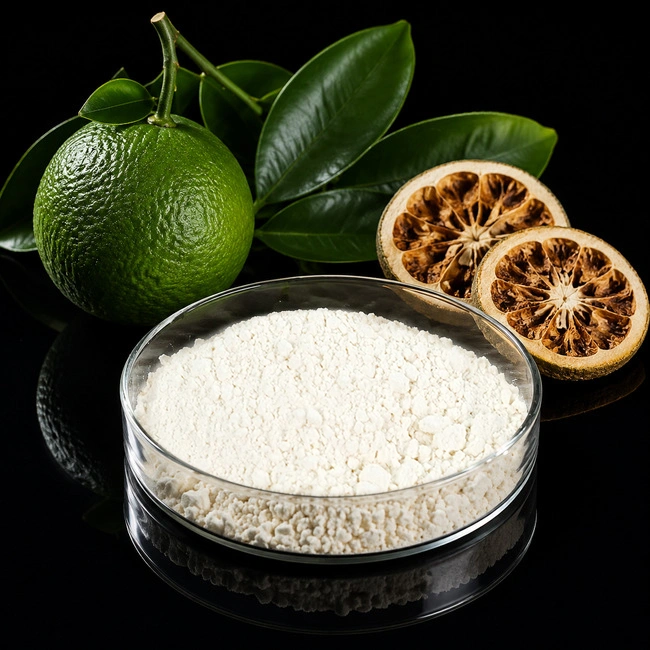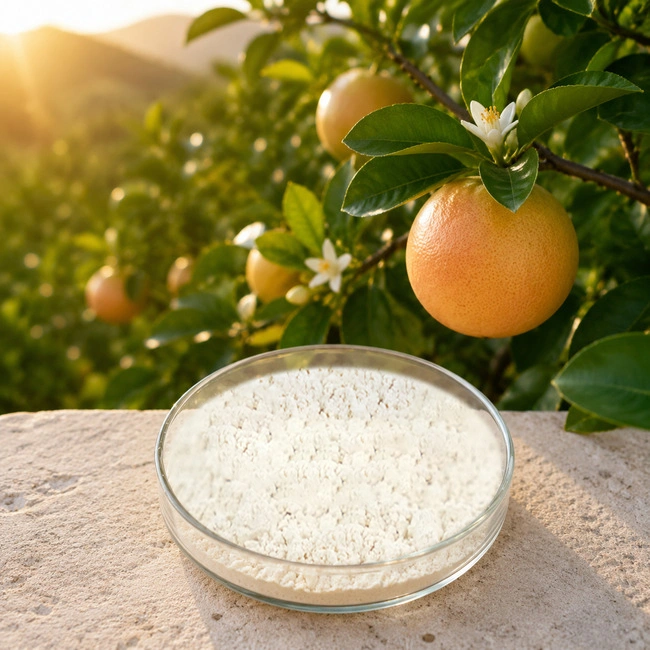
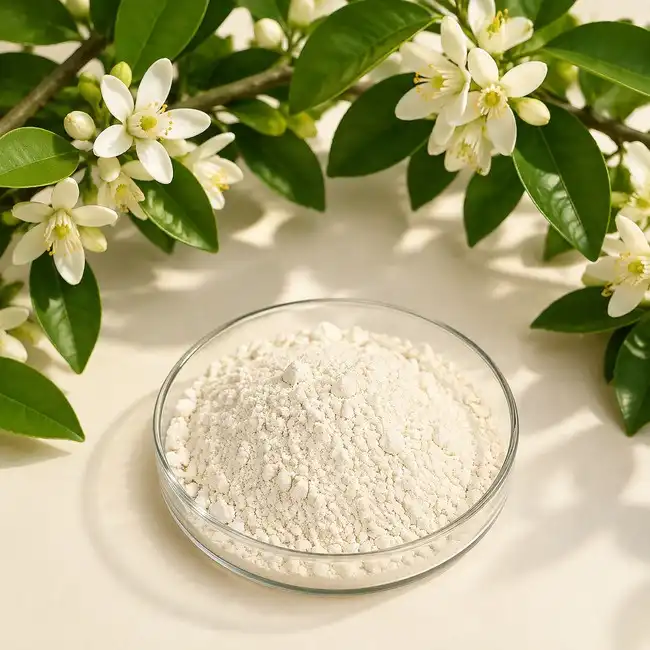
Phloretin Cosmetic Grade
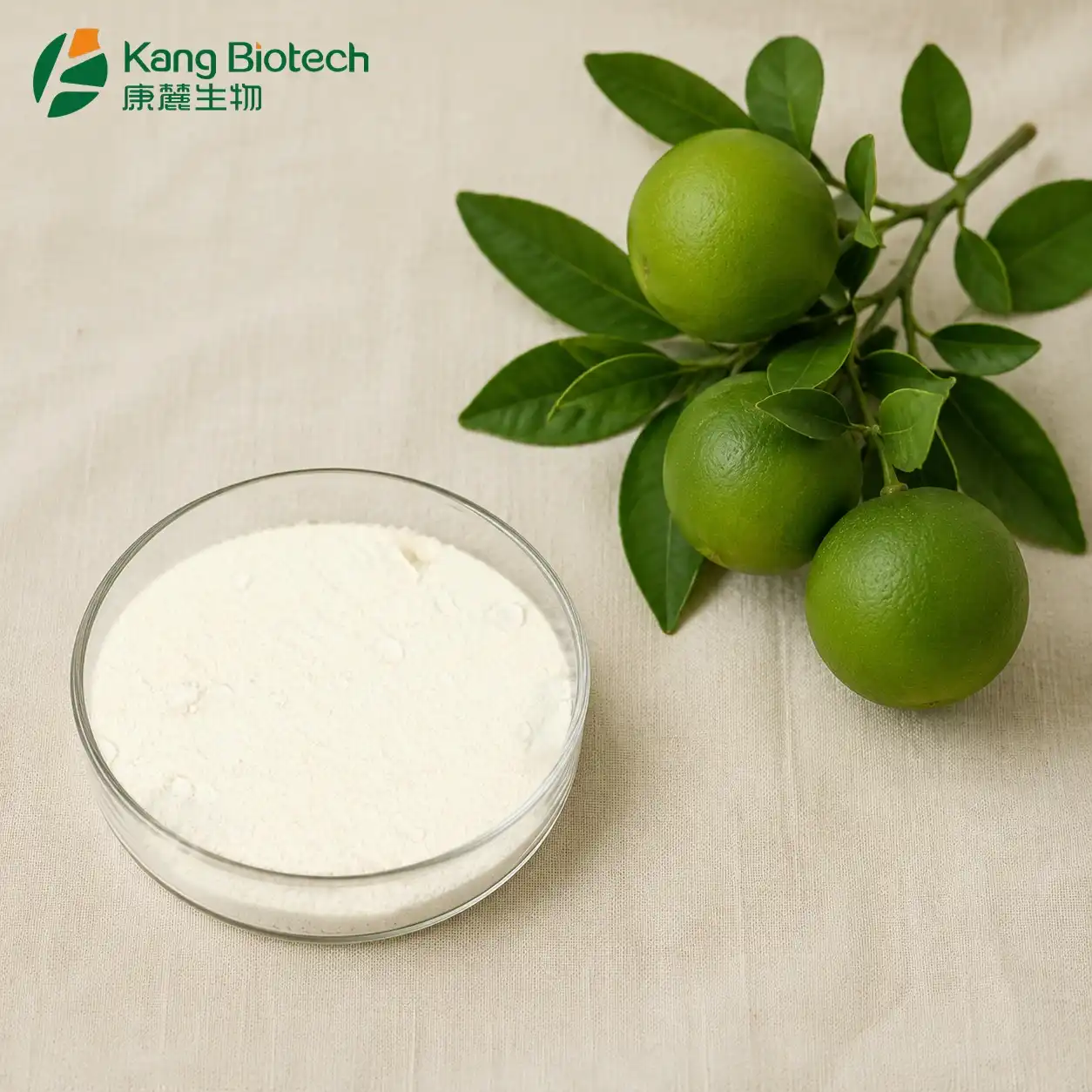
Active ingredient: Phloretin
CAS No: 60-82-2
Specification: 98% HPLC tested
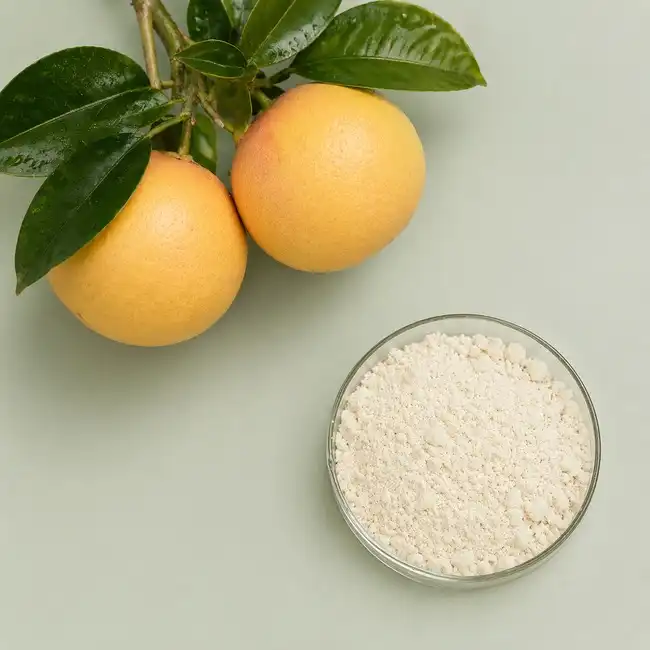
Appearance: White to off-white powder
Package specification: 25 kg/drum
Mode of transportation: Express service, air shipping, sea shipping
Delivery: Sufficient inventory supports continuous supply.
OEM/ODM: Custom OEM and ODM services available.
Minimum order quantity: 1 kg, samples available.

- Free Samples
- Quality Assurance
- 24/7 Customer Service
Product Introduction
Phloretin Cosmetic Grade – Premium Skin Brightening Active Ingredient
Phloretin Cosmetic Grade (CAS No. 60-82-2) from apple peels and pear root bark is available from Kang Biotech. We have over 11 years of manufacturing experience and 20 years of technological knowledge in plant extraction. Our 33,000 m² production site ensures tight quality control. For worldwide cosmetic makers, HPLC testing ensures 98% purity and batch-to-batch uniformity. Certified ISO 9001, ISO 22000, HACCP, Halal, and Kosher ensure worldwide conformity. Our supply chain spans 20,000,000+ m² of plantations till final manufacture, ensuring dependable delivery to over 40 countries.
What Makes Phloretin Cosmetic Grade a Skincare Ingredient?
Malus pumila (apple) and Rosaceae plants yield our high-purity dihydrochalcone flavonoid. Phloridzin is removed from our cosmetic-grade formulation, unlike food-grade counterparts.
Dermo-cosmetic compositions are refined for peak stability and bioactivity. Low skin penetration, cytotoxicity-free tyrosinase inhibition, and L-ascorbic acid stability are industrial issues addressed by the substance.
Your formulas get a powerful antioxidant and depigmenter. Our product's solvent residues fulfill USP/EP requirements and heavy metal limitations are <10ppm.
Technical Properties and Specifications
| Parameter | Specification |
|---|---|
| Botanical Source | Peels and root bark of apples and pears |
| Active Ingredient | Phloretin |
| CAS Number | 60-82-2 |
| EINECS Number | 200-488-7 |
| Molecular Formula | C15H14O5 |
| Purity | 98% (HPLC tested) |
| Appearance | White to off-white powder |
| Melting Point | 260°C-264°C |
| Grade | Cosmetic |
| Solubility | Highly soluble in ethanol, methanol, propanediol; sparingly soluble in water |
| Optimal pH Range | 3.0-5.0 |
| Recommended Dosage | 0.5%-2.0% |
| Package Size | 25 kg/drum (custom available) |
| Minimum Order | 1 kg (samples available) |
How Phloretin Works: Dual-Action Mechanism
We use intercellular lipid routes to enter the stratum corneum with our lipophilic Phloretin Cosmetic Grade. This allows deep distribution of active chemicals into skin layers.
The ingredient has two main routes. It prevents melanin synthesis by competing with tyrosinase. Second, it neutralizes ROS that accelerate cellular aging.
This chemical in brightening serums blocks glucose transfer into melanocytes. It decreases melanin production better than other methods. It also improves vitamin C and ferulic acid stability and effectiveness.
Quality Control Standards You Can Trust
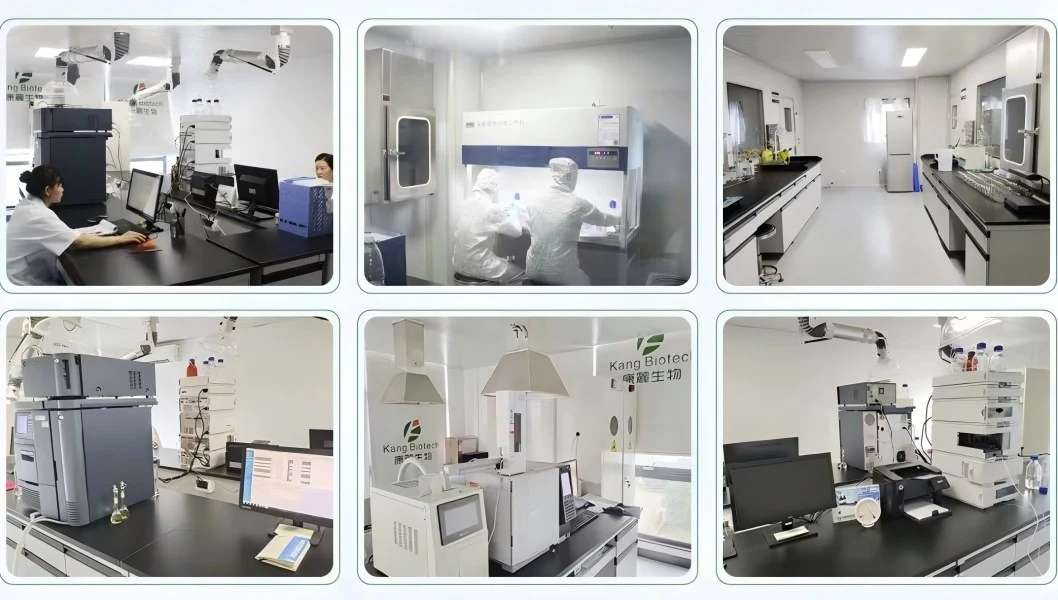
International regulations necessitate thorough testing of every batch. Our industrial quality control system involves numerous crucial milestones.
The first step is HPLC purity testing to ensure 98% active content. LOD is assessed in secondary evaluations to prevent microbiological contamination and assure powder quality.
D90 particle size distribution testing ensures lipid phase uniformity. GC analysis ensures residual solvent levels are safe. Microbiological testing adheres to USP <61> and <62> requirements for Total Plate Count, Yeast, and Mold.
ICP-MS screens for Lead, Arsenic, Mercury, and Cadmium. This thorough technique assures EU and North American formulation conformity.
Application Scenarios for Maximum Performance
Create penetration-enhanced advanced antioxidant serums containing 15% Vitamin C and 0.5% Ferulic Acid. This combination effectively minimizes UV damage and stabilizes L-ascorbic acid in multi-active systems.
Masks, creams, and essences for intensive brightening target persistent hyperpigmentation. The chemical performs well in complicated emulsion systems where conventional brighteners fail.
Post-Procedure Recovery Formulations: Phloretin inhibits matrix metalloproteinases, benefiting medical skincare. This reduces collagen breakdown after laser or chemical peels, speeding tissue healing.
Photostable daily protective products are ideal for daylight usage. Neutralizing UV-generated free radicals improves sunscreen efficacy.
Formulation Guidelines and Technical Support
Our product should be pre-dissolved in Ethoxydiglycol or Propanediol before adding to water for stability. Increase dispersion by adding it to the oil phase of emulsion systems.
Formulation pH should be 3.0-5.0 for ingredient stability and effectiveness. This somewhat acidic environment matches skin's barrier pH, improving compatibility.
Air and light oxidation can be prevented with opaque, airless packaging. Chelating agents and antioxidants like Vitamin E prolong product shelf life. At acceptable levels, clinical patch testing show no irritation.
Our technical staff offers product selection, documentation, and application advice. We guide you throughout market regulations.
Flexible Supply and Custom Solutions
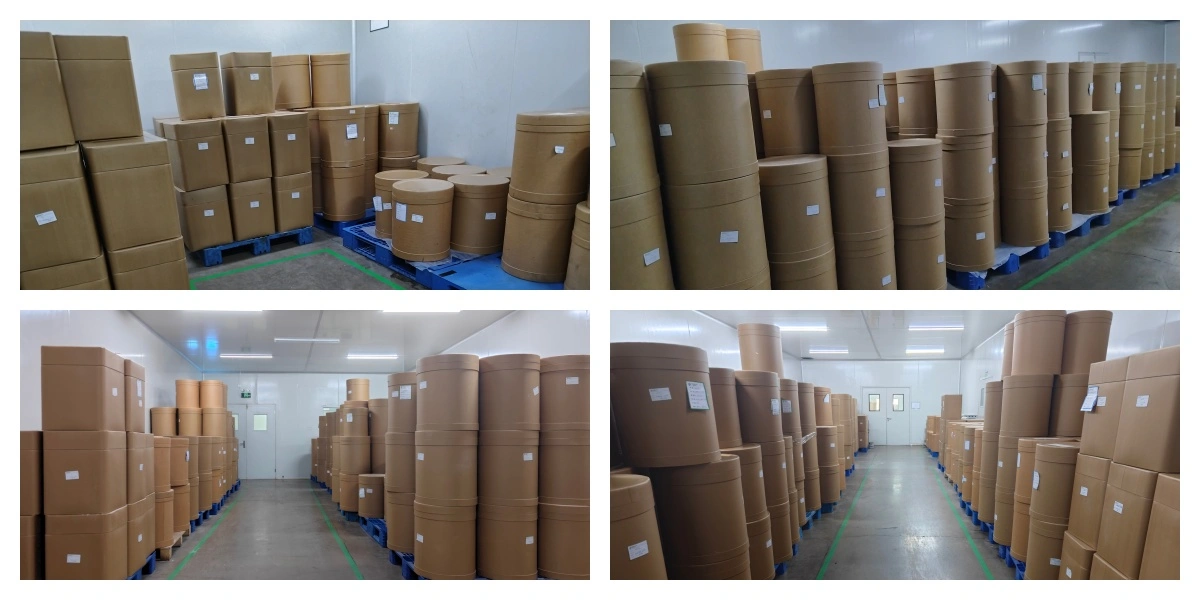
Kang Biotech stocks enough for trial orders and commercial manufacturing. We ship via air, sea, and express.
OEM/ODM services meet purity, packaging, and labeling standards. We customize particle sizes and documentation formats for your project.
Minimum order quantities are 1 kilogram, with formulation testing samples available. This flexibility lets you test performance before increasing quantities.
FAQ
Question: How do I stabilize product in aqueous serum?
A: Before adding to water, lipophilic phenol should be dissolved in Ethoxydiglycol or Propanediol. To stabilize emulsion systems, add it to the oil phase.
Q: Does this substance sensitize skin?
A: At 0.5%-2.0%, clinical patch testing demonstrate it is non-irritating. You should evaluate the entire recipe for sensitivity because it boosts other actives' penetration.
Q: Can it be used in daytime products?
A: Yes, it is photostable and neutralizes UV-generated free radicals, making it fit for everyday sunscreens.
Q: Why would my formulation change color?
A: Phloretin oxidizes with air and light. Use opaque, airless packaging and chelating agents or antioxidants like Vitamin E to avoid discolouration.
Q: What is the optimal pH range?
A: The substance is most stable and efficient at pH 3.0-5.0, which matches skin's natural barrier pH for compatibility.
Contact Us
Ready to enhance your skincare formulations with Phloretin Cosmetic Grade? Contact our team at sales02@kangbiotech.com for technical documentation, COA reports, and sample requests to evaluate performance in your specific applications.
Send Inquiry