What Is Naringenin Powder and How Is It Used?
October 21, 2026
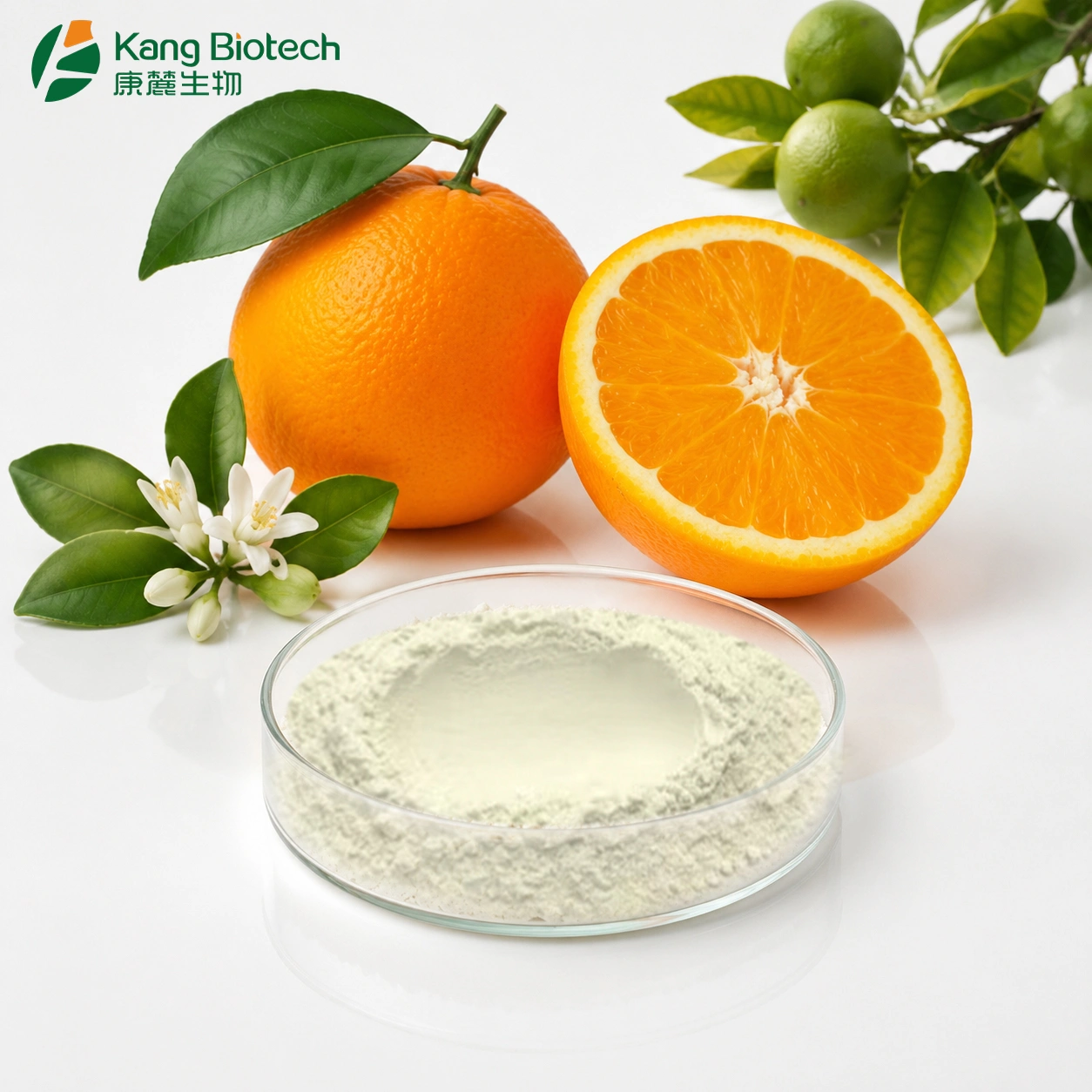
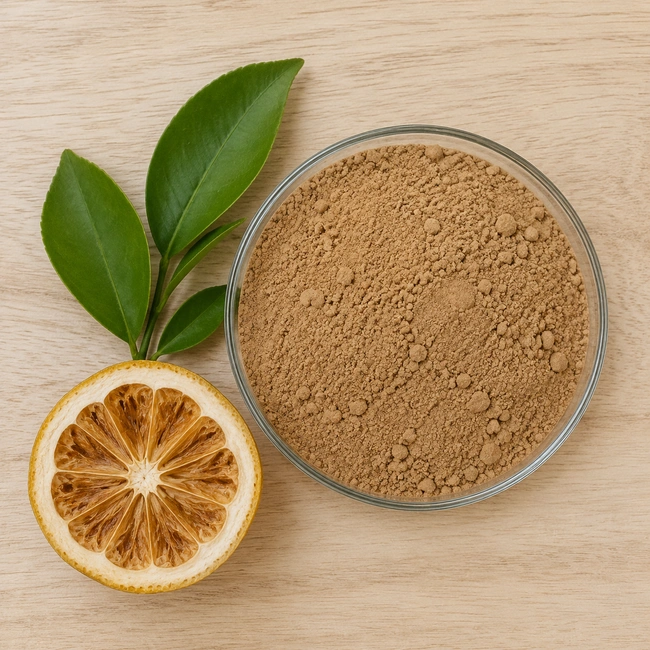
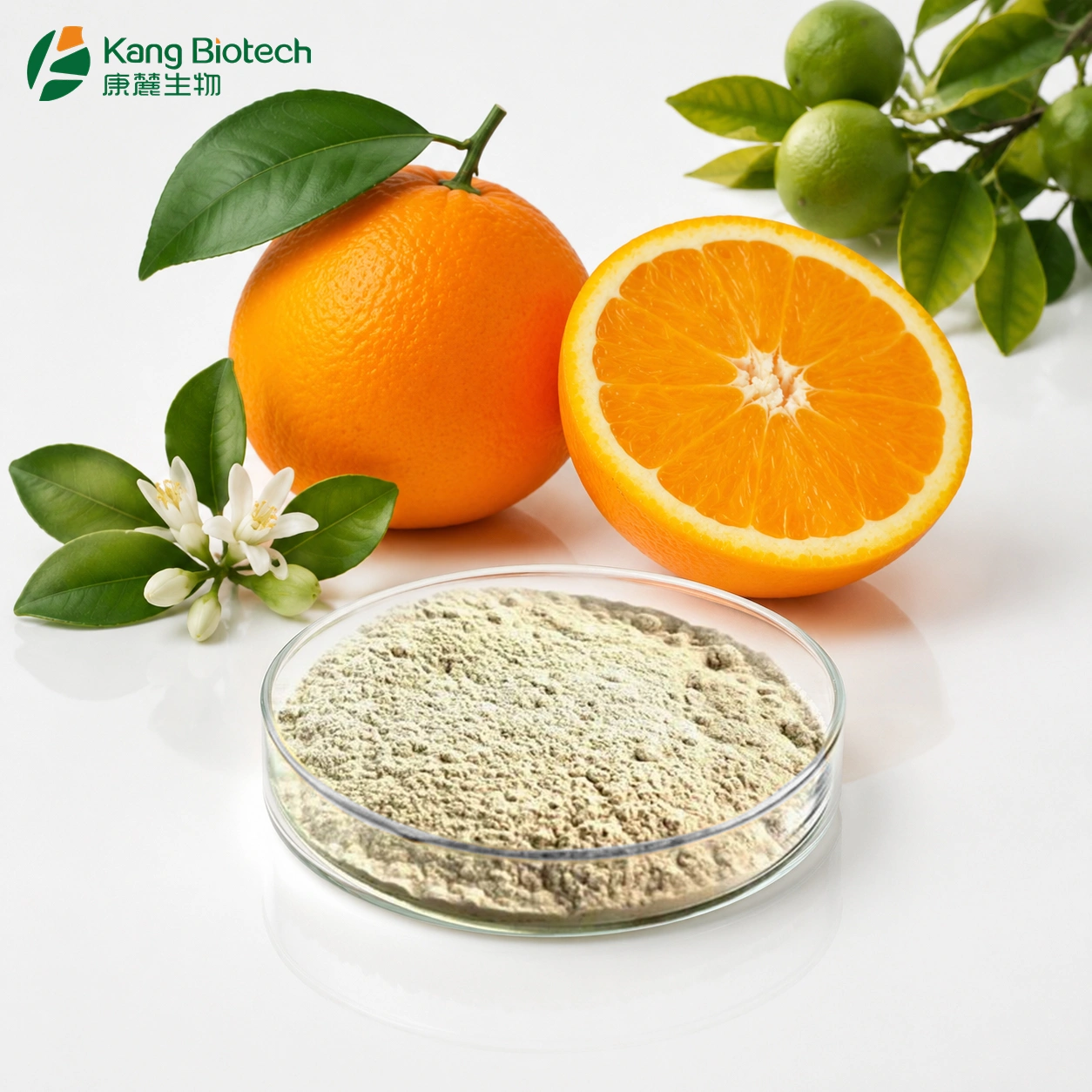
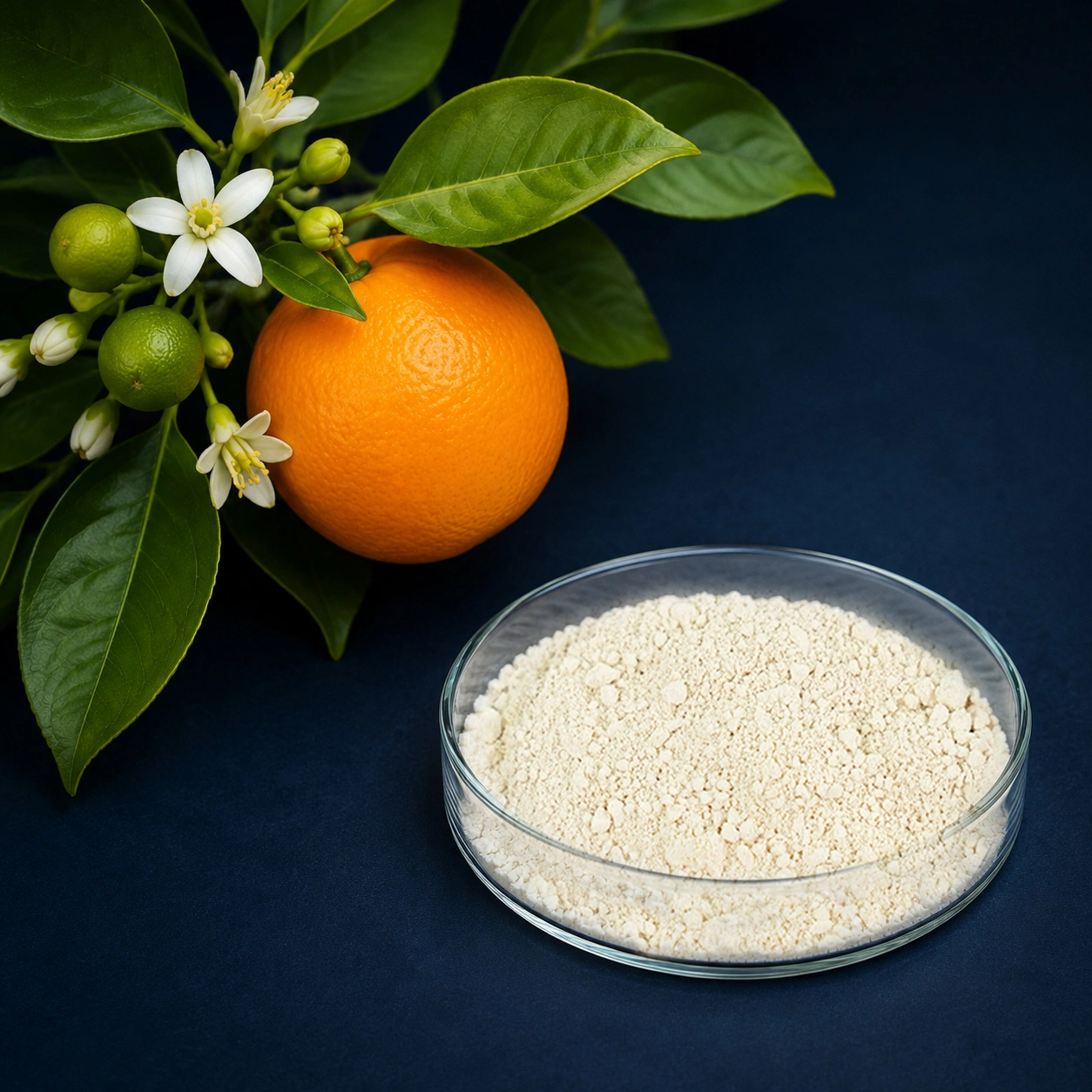
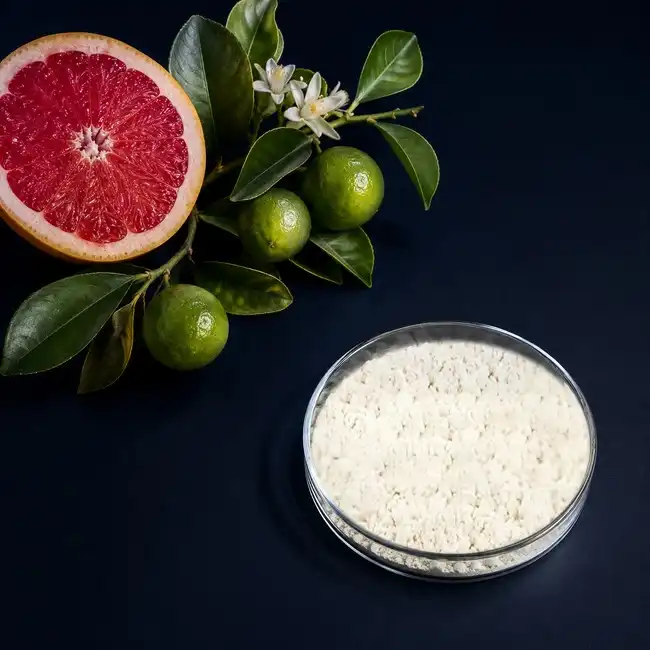
Naringenin powder is a natural citrus flavanone that is found in abundance in grapefruit peels, bitter oranges and other citrus fruits. It is botanically derived from Citrus aurantium L. and has a chemical formula C15H12O5. CAS No. 480-41-1 is registered. This white crystalline powder is a standardized, cleanlabel ready ingredient for functional food, nutritional supplement, oral beauty product and natural personal care line formulators with HPLC purity of ≥98%. If you're creating a new product based on traceable, plant-based bioactives, naringenin powder has to be on your R&D list.
Understanding Naringenin Powder: Definition and Properties
What Is Naringenin Chemically?
Naringenin is a flavanone , a kind of flavonoid . It is the aglycone of naringin . Naringin has the disaccharide unit cleaved off (to give naringenin which is more lipophilic and more permeable in the stomach). Molecular weight 272.25 g/mol Melting point 247 °C to 250 °C. It is somewhat soluble in water, readily soluble in ethanol, DMSO, acetone. The solubility profile of this product requires formulation support for beverage applications which is provided by technological approaches such as micronization or emulsification.
Extraction and Grade Specifications
Kang Biotech has two verified ways to generate naringenin powder from water extraction and ethanol extraction from the plantations of Citrus aurantium L. about 20,000,000 m² in Lianyuan, Hunan Province. The final product is of food grade quality, with ≥98% HPLC purity and is supplied in 25 kilogram drums. It has a shelf life of up to 24 months when kept in a cool and dry place away from direct light and humidity. These metrics are crucial to distribution planning and warehouse intake checks.
Health Benefits and Uses of Naringenin Powder
The literature published in prestigious publications generally agrees that naringenin is a bioactive compound of wide functional importance. A 2019 study in Oxidative Medicine and Cellular Longevity pointed out that it can scavenge free radicals quicker than many synthetic antioxidants. Research on metabolic health has showed its effects on pathways of insulin sensitivity and cholesterol metabolism.
Here are the top benefit areas that make naringenin powder a desirable product development ingredient:
- Antioxidant action: Naringenin is a potent antioxidant that scavenges reactive oxygen species (ROS) via direct free radical scavenging activity and stimulation of the activity of endogenous antioxidant enzymes giving a functional basis for formulations against oxidative stress.
- Anti-inflammatory support: Naringenin has been shown to decrease the expression of pro-inflammatory cytokines in preclinical research and is applicable for joint health, metabolic syndrome and immune-positioned goods.
- Metabolic modulation: There is some research showing naringenin may activate PPAR-α and PPAR-γ receptors, which are major regulators of glucose and fat breakdown. This is a good story to tell for metabolic health products.
- Cardiovascular relevance: Studies associate citrus flavanone intake with improved endothelial function and LDL oxidation biomarkers, supporting heart-health claims in nutraceutical settings.


These established features translate into real formulation recommendations for firms manufacturing antioxidant soft gels, functional gummies, metabolic drinks or oral beauty supplements. Developers are able to use its citrus-derived personality and research-backed bioactivity to generate believable product stories.
In terms of dosage and safety, human trials have employed oral dosages from 135 mg to 600 mg per day, with no major side effects. Naringenin is widely acknowledged as safe to be used in supplements and functional foods as long as it passes the purity and heavy-metal requirements of the FDA and EFSA. Naringenin regulates CYP450 enzyme activity, which is an important consideration for formulators creating co-formulations with other bioactives.
Comparing Naringenin Powder with Similar Flavonoids
Naringenin vs. Naringin vs. Hesperetin
Understanding naringenin powder's place in the family of flavonoids allows procurement teams to craft tighter ingredient briefs. Naringin is a glycoside precursor having a sugar moiety which must be broken by the gut bacteria prior to absorption, leading to slower and more variable bioavailability. naringenin is the aglycone without going through this phase. Hesperetin is structurally identical but mostly derived from hesperidin and has different receptor affinity profiles. Though quercetin is a flavonol not a flavanone, it has very good antioxidant evidence but doesn't have the clean-label narrative from citrus that connects with today's functional food customers.
Natural vs. Synthetic Naringenin
Naringenin, a natural compound and product of enzymatic or acid hydrolysis of naringin from citrus fruit peels, meets the clean-label and plant-based positioning standards. Purity levels that are equivalent may be obtained via synthetic processes, but do not allow for on-pack claims of "naturally derived" or "citrus-sourced". For businesses for whom the provenance narrative IS the product story, then natural sourcing is vital.
Procurement Guide for Naringenin Powder: Sourcing and Purchasing
Key Factors When Evaluating a Supplier
Choosing a naringenin powder provider is more than just comparing price sheets. Procurement experts should screen suppliers for quality certifications such as ISO 9001, ISO 22000, HACCP, Halal, Kosher and FDA compliance that demonstrate production discipline and batch-to-batch consistency.
Besides certifications, it is also necessary to facilitate small-quantity sampling during concept validation. Minimum purchase quantity is 1 kilogram. Samples are available for testing at Kang Biotech. We dispatch small items quickly via FedEx, while larger commercial quantities are transported by air or sea freight. We provide OEM and ODM customized service. Such as specification modification, custom purity, packaging and application level formulation assistance including solubility advice. If you are a beverage formulator who has concerns about restricted water dispersibility, the technical team may direct you to proven engineering solutions such as combining the ingredient with hydroxypropyl-beta-cyclodextrin or nano-emulsification methods.
Ensuring Quality and Compliance in Naringenin Powder Procurement
The first step in quality assurance is to verify purity. Kang Biotech Naringenin Powder is available with active content ≥98% HPLC and COA (Certificate of Analysis) validating the heavy metal screening, microbiological parameters, and residual solvent restrictions. These levels of documentation are important for contract manufacturers and regulatory consultants.
Kang Biotech's manufacturing plant (33,000 m² with nine production lines) is certified under ISO 9001, ISO 22000, HACCP, Kosher, Halal and SC (China Food Production License). In cooperation with the Hunan Institute of Agricultural Product Processing and Quality Safety, a Joint Research Center has been formed to enable continuous quality improvement and tailor-made applications. To maintain shipment integrity, the powder is packaged in 25 kilogram sealed barrels that protect against light, moisture and temperature change.

Conclusion
Naringenin powder is a plant-based citrus flavanone that provides functional food and personal care manufacturers with a science-backed, clean-label ingredient that has actual market differentiation potential. The established antioxidant, anti-inflammatory and metabolic benefits, plus a natural citrus origin narrative, provide product makers with significant information to build around. Brands may address formulation problems by sourcing from a vertically integrated citrus producer with the capability to provide ≥98% HPLC purity in variable order amounts.
FAQ
1.What is the difference between naringenin and naringin?
Naringenin is the aglycone form of naringin, meaning it lacks the sugar moiety. This makes naringenin more lipid-soluble and more readily absorbed in the digestive tract, resulting in stronger bioactivity per unit dose compared to its glycoside precursor.
2.How do I address the poor water solubility of naringenin powder in beverage formulations?
Combining naringenin powder with hydroxypropyl-beta-cyclodextrin or applying nano-emulsification and micronization techniques significantly improves aqueous dispersion. Our technical team can provide application-specific guidance during the sampling phase.
3.Is naringenin powder suitable for clean-label products?
Yes. As a naturally occurring citrus flavanone extracted from Citrus aurantium L., it supports plant-based, naturally sourced, and clean-label declarations, provided the production process aligns with relevant regional standards.
4.What certifications does your naringenin powder carry?
Our manufacturing facility holds ISO 9001, ISO 22000, HACCP, Halal, Kosher, and SC certifications. Full COA documentation is available upon request to ensure quality and compliance.
5.What is the minimum order quantity?
The minimum order quantity is 1 kg, with samples available for concept validation. Small orders ship via FedEx for speed, while large commercial volumes ship by air or sea.
Request a Sample of Naringenin Powder from Kang Biotech
Kang Biotech has been manufacturing premium citrus-derived ingredients since 2011, with over 20 years of extraction expertise and a vertically integrated supply chain from plantation to finished product. Our team supports brands from first sample through commercial scale, providing full OEM/ODM customization, COA documentation, and direct technical assistance on formulation challenges. Reach out to our team at sales02@kangbiotech.com to request a sample of naringenin powder, discuss your formulation needs, or get a competitive bulk quotation.
References
1. Mulvihill, E. E., & Huff, M. W. (2010). Antiatherogenic properties of flavonoids: Implications for cardiovascular disease. Canadian Journal of Cardiology, 26(Suppl A), 17A–21A.
2. Testai, L., & Calderone, V. (2017). Nutraceutical value of citrus flavanones and their implications in cardiovascular disease. Nutrients, 9(5), 502.
3. Patel, K., Singh, G. K., & Patel, D. K. (2018). A review on pharmacological and analytical aspects of naringenin. Chinese Journal of Integrative Medicine, 24(7), 551–560.
4. Alam, M. A., Subhan, N., Rahman, M. M., Uddin, S. J., Reza, H. M., & Sarker, S. D. (2014). Effect of citrus flavonoids, naringin and naringenin, on metabolic syndrome and their mechanisms of action. Advances in Nutrition, 5(4), 404–417.
5. Bhatt, S., Puli, L., & Patil, C. R. (2020). Role of reactive oxygen species in the progression of Alzheimer's disease. Drug Discovery Today, 25(5), 794–800.
6. Renugadevi, J., & Prabu, S. M. (2010). Naringenin protects against cadmium-induced oxidative renal dysfunction in rats. Toxicology, 269(1), 58–66.

Send Inquiry
Related Industry Knowledge
- How to Select a Bulk Naringenin Powder Supplier
- Apigenin for Sleep: What This Chamomile Compound Does
- How Sweet Is Neohesperidin Dihydrochalcone Powder?
- What Is Naringenin Powder and How Is It Used?
- Evidence for the Health Effects of Hesperidin
- What Is Apigenin Powder and Why Is It Gaining Popularity in Supplements?
- Hesperidin: A Citrus Treasure with a Rich History