
Glucosyl Hesperidin: Rethinking Hesperidin in Drinks
November 3, 2026
If you've ever tried to formulate hesperidin into a clear beverage, you already know the problem. It doesn't dissolve. It settles. It clouds your product. That single limitation has kept one of citrus's most studied flavonoids sitting on the sidelines of drink formulation for years. Glucosyl hesperidin changes that equation entirely. By attaching a glucose unit to the hesperidin molecule through enzymatic glycosylation, solubility jumps from roughly 0.01 g/100mL to over 50 g/100mL—a dramatic improvement that makes this citrus flavonoid derivative genuinely usable in functional beverages, low-sugar drinks, and dairy products.
Understanding Glucosyl Hesperidin – A New Era for Hesperidin in Drinks
The problem with native hesperidin has always been a physics problem, not a biology problem. The molecule had true research-backed advantages -- antioxidant activity, microcirculation support, capillary reinforcement -- but the almost nil water solubility rendered it unworkable for aqueous systems. And the molecular solution is glucosyl hesperidin.
The Glycosylation Process
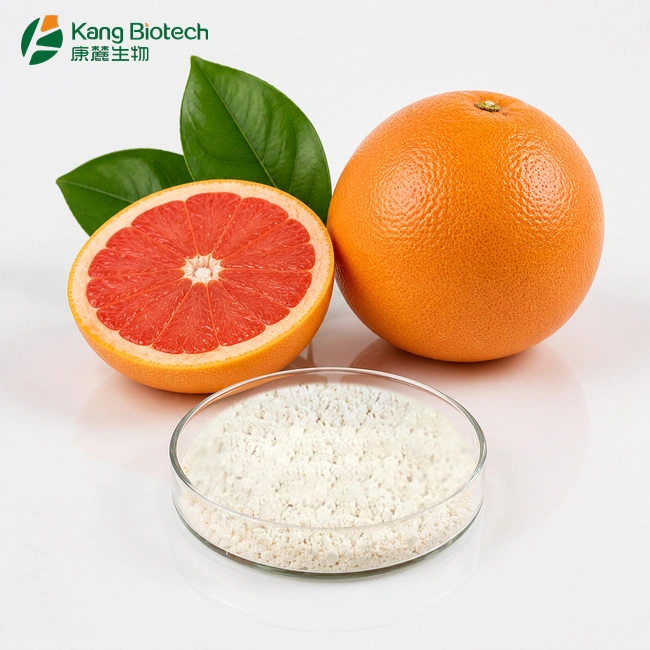
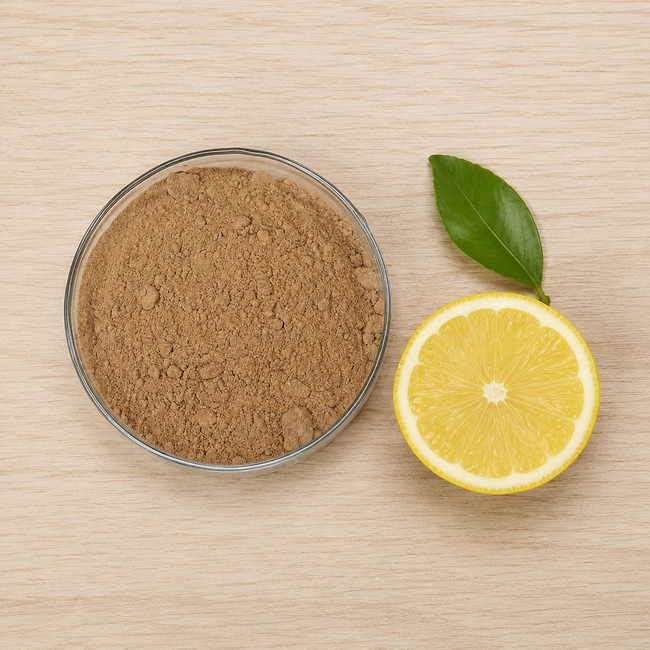
α-Glucosyl Hesperidin (CAS 161713-86-6) is manufactured by Kang Biotech by enzymatic glycosylation of hesperidin and dextrin from Citrus sinensis L. The procedure introduces an α-glucosyl unit into the hesperidin molecule, giving a light yellow to yellowish brown powder, having the chemical formula C34H44O20. The product is easily soluble in water at ambient temperature without any dispersion aids.
Stability That Holds Up in Processing
Glucosyl hesperidin is stable between pH 3.5 to 8.0, which encompasses the pH range of most commercial beverages, from acidified carbonated beverages to neutral dairy products. It displays no deterioration below 80°C, suggesting it resists pasteurisation and ordinary heat processing without breaking down. This translates immediately into shelf-life certainty for the formulation manager.
Bioavailability Advantage
The glycosyl modification inhibits enzymatic release in the digestive system and hence aids more thorough intestinal absorption than native hesperidin. Published research has shown that plasma flavanone levels are significantly increased after consumption of glucosylated forms compared with normal hesperidin. This is important for functional drink claims.
Comparing Glucosyl Hesperidin with Other Flavonoids – Making the Smart Choice
Today beverage formulators may choose from a number of flavonoids from citrus fruits and plants. The choice is simple. Solubility, stability, flavour profile and regulatory status.
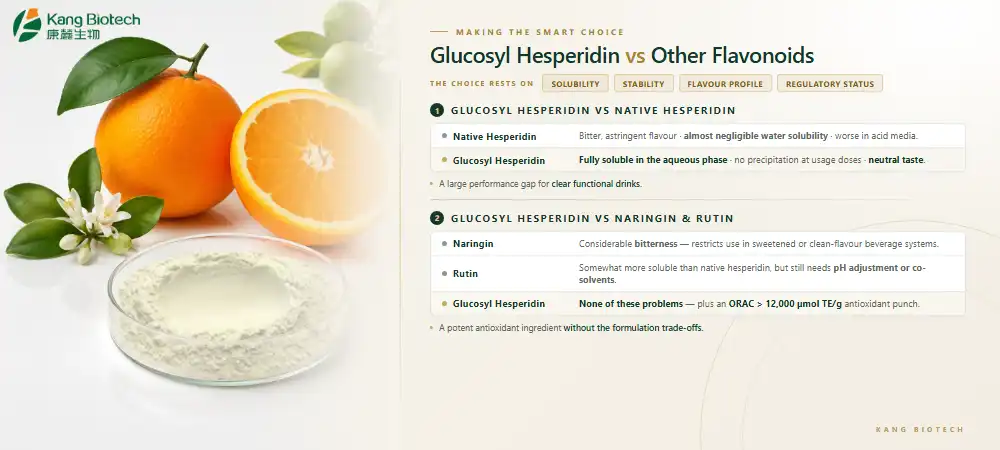
Glucosyl Hesperidin vs. Native Hesperidin
Native hesperidin has a bitter, astringent flavour and almost negligible water solubility, difficulties which are exacerbated in acid media. Glucosyl hesperidin, in contrast, is fully soluble in the aqueous phase, does not precipitate at usage doses and has a neutral taste character. There is a large performance disparity for clear functional drinks.
Glucosyl Hesperidin vs. Naringin and Rutin
Naringin imparts considerable bitterness, which restricts its applicability in sweetened or clean-flavor beverage systems. Rutin is somewhat more soluble than native hesperidin but still needs pH adjustment or co-solvents. Glucosyl hesperidin has none of these problems. Its ORAC value of over 12,000 μmol TE/g also makes it a potent antioxidant ingredient without the formulation trade-offs.
Selecting a Quality Ingredient
When considering any citrus flavonoid for beverage applications, the COA is as important as the specification. The good COA for glucosyl hesperidin should contain the HPLC purity (≥75% for food grade), residual hesperidin, heavy metals screening (ICP-MS for Pb, As, Hg, Cd), microbiological profile (TPC < 1,000 CFU/g), and solubility in deionised water at 25°C. These factors are direct prediction of your formulation’s performance.
Procurement Considerations for B2B Clients – Sourcing Glucosyl Hesperidin at Scale
It takes more than a spec sheet to identify a valuable constituent in quantities large enough to put into things. You need a supply chain that is easy to understand, consistency from batch to batch and a supplier that can grow with your needs.
Certifications and Compliance
Kang Biotech has a number of certifications, such as ISO 9001, ISO 22000, HACCP, Naz, Kosher, and FAMI-QS. These rules make sure that both the quality of the goods and the safety of the food they hold are met. If you have customers in North America and Europe, these certifications will help you pass checks and back up your own QA paperwork.
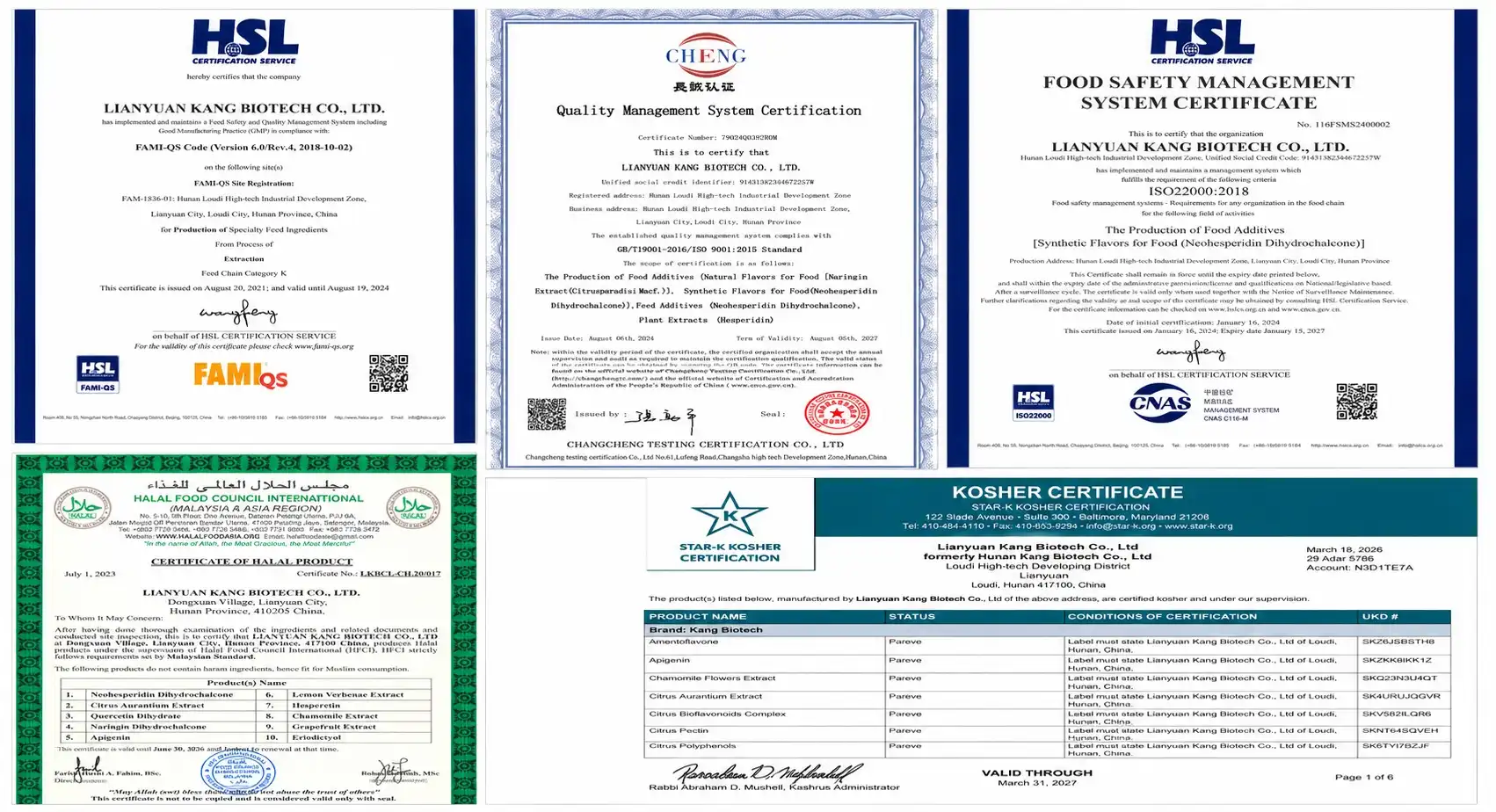
FEMA 3811, EINECS 243-978-6, and EU E 959 are the regulatory names for glucosyl hesperidin. It can be used as a Novel Food Ingredient in China, and the recommended daily dose is 500 mg. Note for customers in the US FDA GRN 902 talks about NHDC. That GRN doesn't seem to cover the glucosylated product—that much is clear. Before putting out a product with α-Glucosyl hesperidin on the market in the U.S., you should make sure it is okay with the FDA or regulatory counsel.
Pricing, MOQ, and Lead Times
Kang Biotech sells α-Glucosyl hesperidin in as little as 1 kg amounts, and they can send you samples to test. 25 kg of packing is the standard amount for each drum. FedEx sends small packages, but business freight moves larger amounts by air or sea. It takes about two to three weeks, depending on the grade and amount, when you place a large order. Lead times for samples range from 3 to 5 business days. Standard sizes are kept in stock so that return buyers don't have to wait as long to find what they need.
Handling and Storage
Store in a cool, dry place in the original, sealed box. If you store food the right way, it should last for 24 months. People who want to lock in prices on big orders should know this before they buy something.
Integration and Application of Glucosyl Hesperidin in Beverages
People who work with flavonoids that don't breakdown in water know what costs are involved: they have to take extra steps to deal with the material, it's not stable, and customers worry about sediment. Glucosyl hesperidin gets rid of most of those touch points.
Functional Beverages and Low-Sugar Drinks
In amounts appropriate for their function, glucosyl hesperidin completely dissolves in clear beverages, without altering their clarity or mouthfeel. For times when seeing clearly is important, this works well for functional waters, health shots, flavored fizzy drinks, and low-sugar RTDs. It also works well with NHDC in complex sugar systems, where it can smooth out the aftertaste and improve the general taste.
Dairy and Acidic Beverage Systems
Because it remains stable at pH levels between 3.5 and 8.0, glucosyl hesperidin doesn't settle or separate in yogurt drinks, flavored milk, or acidic dairy drinks. It meets the quality standards for dairy products in most major markets because it has a pure level of 75% HPLC food grade.
Labeling and Regulatory Positioning
Depending on who you want to sell it to, glucosyl hesperidin can be referred to as a citrus flavonoid or a hesperidin derivative. It is possible to use the FEMA 3811 and E 959 codes in some places. Before putting functional claims on a package, you should always check the local laws and rules.
Future Trends in Flavonoid-Based Beverage Ingredients
People are buying more and more pills and healthy drinks with clean labels. More and more, companies that make products are looking for ingredients that can work in clear water systems without the need for fillers or supports.
Clean-Label Antioxidants
For clean-label marketing, glucosyl hesperidin is a clear choice. Enzymes are used to make it from citrus fruits, and it doesn't have any added chemicals. This is what people in Europe and North America want: ingredients that are simple to recognize and haven't been changed much.
Expanded Application Pipelines
Because it dissolves easily in water, glucosyl hesperidin can be used in more than just drinks. It can also be found in powdered supplements, soft capsules, and Vitamin P complexes. A company that makes more than one kind of product can use the same ingredient in all of them.
R&D and Quality Investment
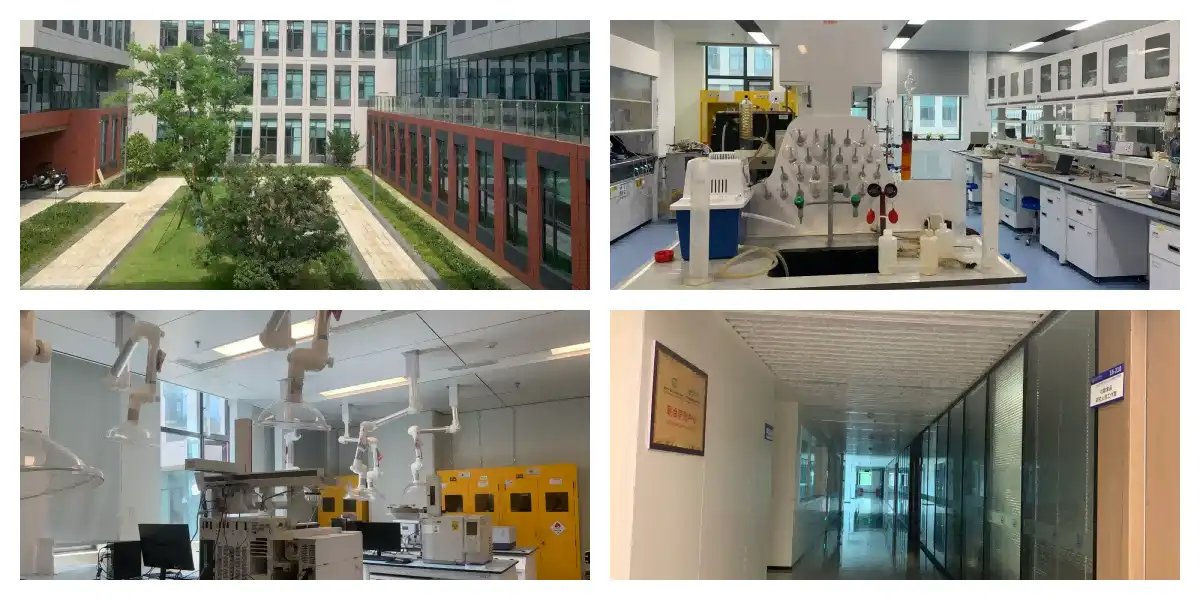
There is a Joint Research Center between Kang Biotech and the Hunan Institute of Agricultural Product Processing and Quality Safety that works on extraction technology and making new products. With this ongoing investment, quality is always getting better and changing customer wants can be met.
Conclusion
A real manufacturing problem is solved by glucosyl hesperidin, which is a scientifically sound answer. Native hesperidin doesn't work in healthy drinks, dairy products, or fizzy drinks, but this kind of hesperidin can because it is stable at low pH and easy to process. The body can use these flavonoids better than regular citrus flavonoids, which gives formulators and brand owners more ways to use them. If B2B buying teams are looking for flavonoids from citrus fruits for their next line of products, they should really think about glucosyl hesperidin. It's not a new idea; it just works well when other choices have failed over and over again.
FAQ
1.Is glucosyl hesperidin safe for daily beverage consumption?
Based on published data, glucosyl hesperidin is approved as a Novel Food Ingredient in China at ≤500 mg/day. It carries FEMA 3811 and E 959 designations. U.S. regulatory status should be confirmed with your legal or regulatory team prior to market entry, as FDA GRN 902 covers NHDC and its scope for glucosylated derivatives has not been explicitly confirmed.
2.What dosage is typical in functional drink formulations?
Published research and commercial applications suggest dosages in the range of 100–500 mg per serving, depending on the functional claim and target market. Your regulatory environment determines what claim substantiation is required.
3.How does glucosyl hesperidin affect drink clarity and taste?
At standard use concentrations, it dissolves completely in the aqueous phase and does not affect beverage transparency. Its taste profile is neutral, making it suitable for both flavored and unflavored drink systems without introducing bitterness.
4.What documentation comes with each batch?
Every batch includes a COA covering HPLC purity, residual hesperidin, heavy metals (ICP-MS), and microbiological results. MSDS, spec sheets, and pesticide residue reports are available on request.
5.Can I request a sample before placing a bulk order?
Yes. Samples of 10–50 g are available and ship within 3–5 business days. Contact sales02@kangbiotech.com to request a sample or technical documentation.
Partner with Kang Biotech – Your Glucosyl Hesperidin Supplier
More than 40 countries have bought useful ingredients made from fruit from Kang Biotech since 2011. α-Glucosyl hesperidin (75% HPLC, food grade) is in stock and ready to ship. It comes with full COA paperwork. When making unique projects, we can also work with OEM/ODM specs. Send us an email at sales02@kangbiotech.com or go to cnkangbiotech.com to get a sample or bulk price. We can help you with a small test run of 1 kg or a big order for your business. When you work with us to find glucosyl hesperidin, you'll get it from a reliable manufacturer with clear certifications and a steady supply.
References
1. Yamada, M., et al. "Absorption and metabolism of glucosyl hesperidin in rats." Journal of Nutritional Science and Vitaminology, 2006.
2. Miwa, Y., et al. "Efficacy of glucosyl hesperidin for improving blood flow in humans." Journal of Nutritional Science and Vitaminology, 2005.
3. Garg, A., et al. "Chemistry and pharmacology of the citrus bioflavonoid hesperidin." Phytochemistry Reviews, 2001.
4. Manach, C., et al. "Bioavailability and bioefficacy of polyphenols in humans: Review of 97 bioavailability studies." American Journal of Clinical Nutrition, 2005.
5. Kawabata, K., et al. "Role of intestinal microbiota in the bioavailability of hesperidin and its derivatives." Food & Function, 2015.
6. Morand, C., et al. "Hesperidin contributes to the vascular protective effects of orange juice: A randomized crossover study in healthy volunteers." American Journal of Clinical Nutrition, 2011.

Send Inquiry
Related Industry Knowledge
- How to Select a Bulk Naringenin Powder Supplier
- Glucosyl Hesperidin: Rethinking Hesperidin in Drinks
- What Is Hesperetin? Guide to the Flavonoid
- Naringin Dihydrochalcone Food Grade: What Buyers Should Know
- Neohesperidin Dihydrochalcone Powder vs Stevia: Which Natural Sweetener Wins?
- Naringenin Powder vs Naringin: Key Differences Explained
- Nobiletin Benefits for Brain Health and Metabolism
- 3 Health Benefits of Horny Goat Weed
- Apigenin: Health Benefits, Sources, and Safety
- Naringenin Powder in Dietary Supplements: Formulation Guide