
Naringenin Powder in Dietary Supplements: Formulation Guide
October 22, 2026
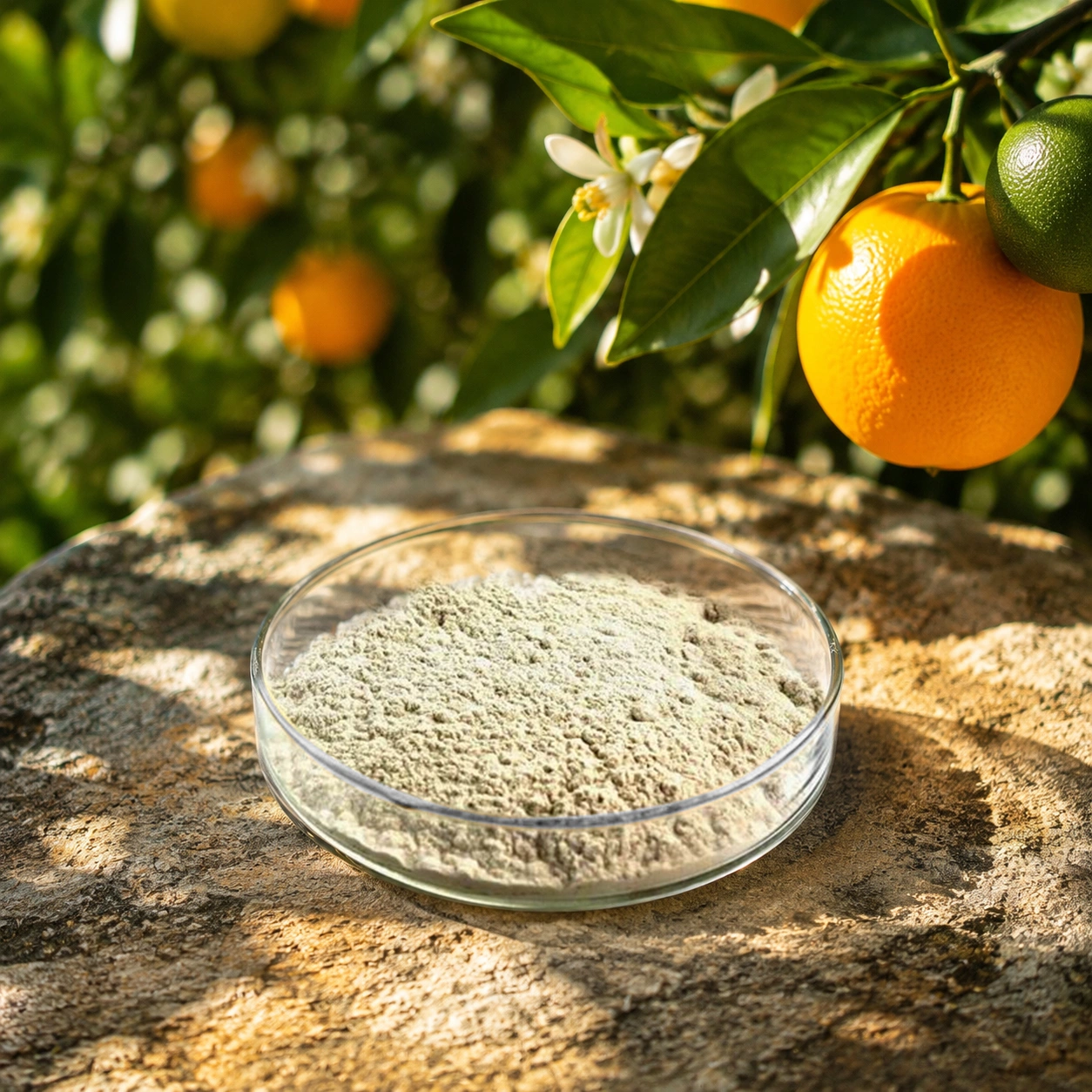
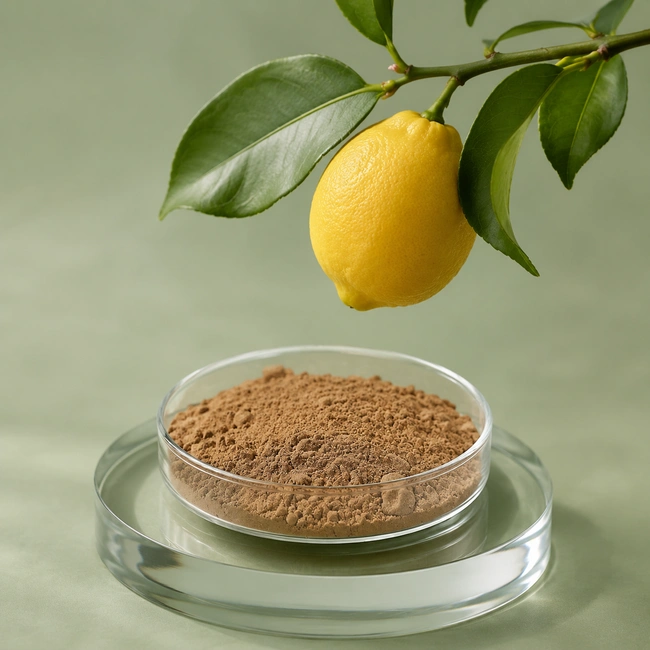
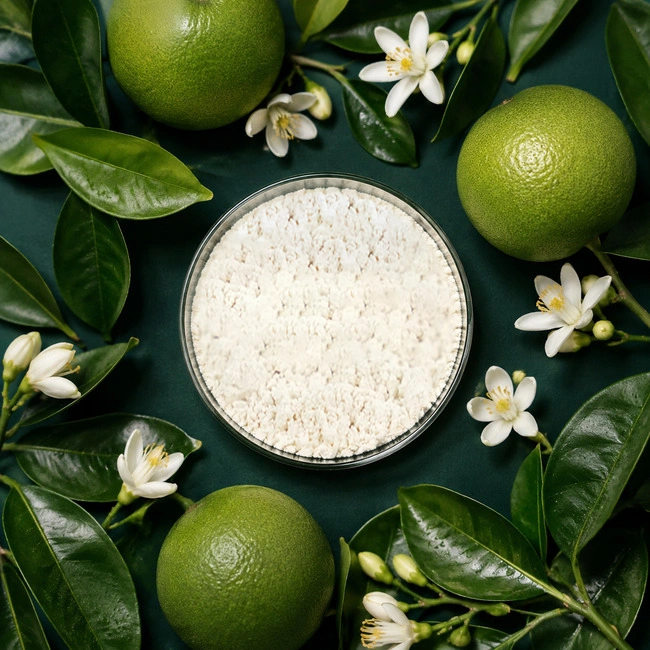
If you are producing a clean label supplement and need a citrus derived flavonoid that may provide real antioxidant action, naringenin powder should be on your radar. Naringenin powder (CAS No. 480-41-1) is obtained from Citrus aurantium L. and is standardized to 98% by HPLC, offering formulators a plant-based, traceable active ingredient for capsules, functional drinks, gummies, and oral cosmetic products. In this tutorial, we cover what naringenin powder is, how to formulate with it well, what to look for when sourcing it, and how Kang Biotech helps businesses from the sample stage to the commercial scale.
Understanding Naringenin Powder and Its Role in Dietary Supplements
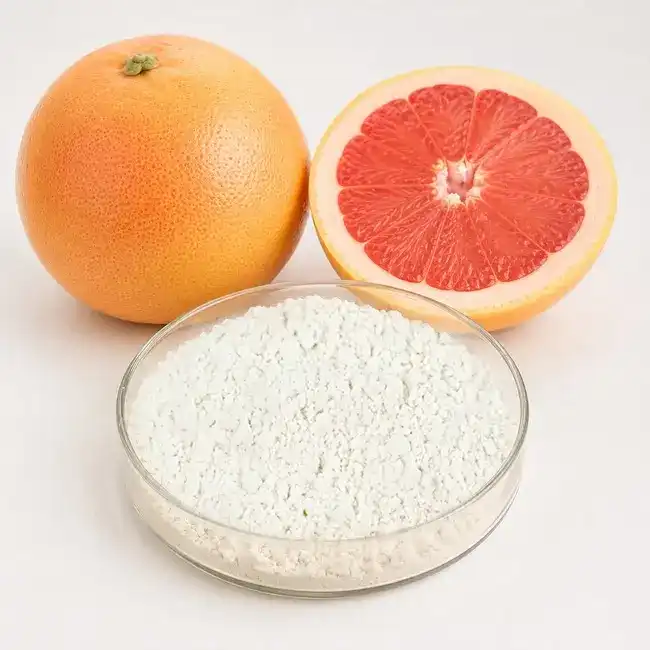
Flavanone is a kind of flavonoid found naturally in grapefruit peel, tomato skin and bitter orange peel. Its chemical formula is C₁₅H₁₂O₅ and it weighs 272.25 grams per mole. Naringenin powder is not the same as naringin which is a glycoside from it. It's the aglycone form so it doesn't have a sugar molecule in it. As you can see the structure has altered. The aglycone is more lipophilic than the raw powders of the lemon plant. That means it goes right into the belly and is absorbed quickly.
How Naringenin Differs from Naringin and Other Citrus Flavonoids
People who make things with antioxidants often come across naringin, hesperidin, and quercetin. Naringenin powder is different since it is made of an aglycone and each milligram of it has more bioactivity. Microbes in the gut have to change hesperidin before it can be taken. Quercetin, on the other hand, costs more and is harder to get. Naringenin powder tells a story about a cleaner citrus identity, which fits well with the clean-label positioning.
Biological Activity Relevant to Supplement Applications
It has been shown in reputable journals that naringenin powder can get rid of free radicals, manage inflammatory pathways, and boost metabolic health markers like insulin sensitivity. A 2019 study in Nutrients looked at how naringenin powder might help heart and metabolic health and how it controls cholesterol metabolism. We know that naringenin powder works because these effects have been shown to happen. This is not just a marketing claim.


Formulation Considerations for Naringenin Powder in Dietary Supplements
Making a finished product out of naringenin powder is more complicated than just mixing it into a pill fill. Because the ingredient is lipophilic, it makes things hard in water-based systems. However, these issues can be fixed by taking the right steps.
Addressing the Water Solubility Challenge
Normally, naringenin powder doesn't mix well with water, but it does mix well with ethanol, DMSO, and acetone. This is the one problem that drinks and liquid vitamins have the most often when they are being made. Complexation with hydroxypropyl-beta-cyclodextrin (HP-β-CD), nano-emulsification, and microencapsulation are all tried-and-true business ways. A study found that HP-β-CD complexation improves the ingredient's clean-label appearance while keeping its ability to dissolve in water. This is because the FDA and the EFSA both agree that cyclodextrin transporters are safe.
Delivery Format Recommendations
Here are the main ways that naringenin powder works well for delivery:
- Hard capsules and softgels: Naringenin powder mixes well with lipid-based carriers in softgel fills. This makes it easier for the body to use the drug when it is taken by mouth. It is possible to put dry powder mixes into hard tablets. Silica and magnesium stearate are added to the mixes to help them move.
- Functional gummies: Naringenin powder can be added to candies made from pectin or gelatin during the slurry stage when the temperature is below 85°C. These gummies are functional. Since it freezes between 247°C and 250°C, it stays stable at high temperatures and can be used to make candy as usual.
- Drink powders and sachets: When it comes to powders and packages for drinks, cyclodextrin complexes or pre-solubilized naringenin powder dispersions work well in single-serve forms that need to spread quickly.
People who make goods have more freedom with these options because they don't change the ingredient's identity. Another thing you could do is mix naringenin powder with ascorbic acid, which is vitamin C. Because both substances are antioxidants that work in ways that help each other, and because they are both found in orange, it makes sense to sell them together.
Regulatory and Safety Positioning
Most people think that naringenin powder is safe to use in supplements and functional foods as long as the right amount is used and it meets the FDA or EFSA's standards for heavy metals and purity. ISO 9001, ISO 22000, HACCP, Kosher, and Halal rules are used to make Kang Biotech's naringenin powder. When brands go into more than one market at the same time, this makes it easier for them to keep their paperwork in order.
Comparing Naringenin Powder Options — Selecting the Right Ingredient for Your Product
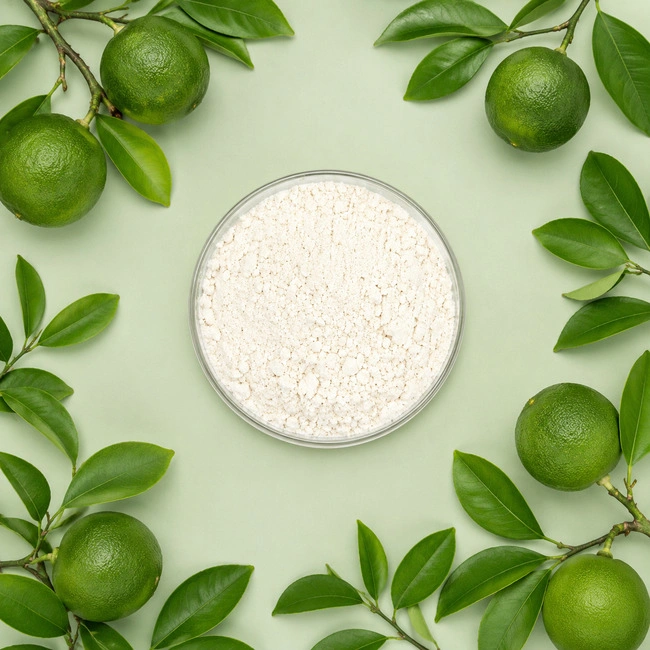
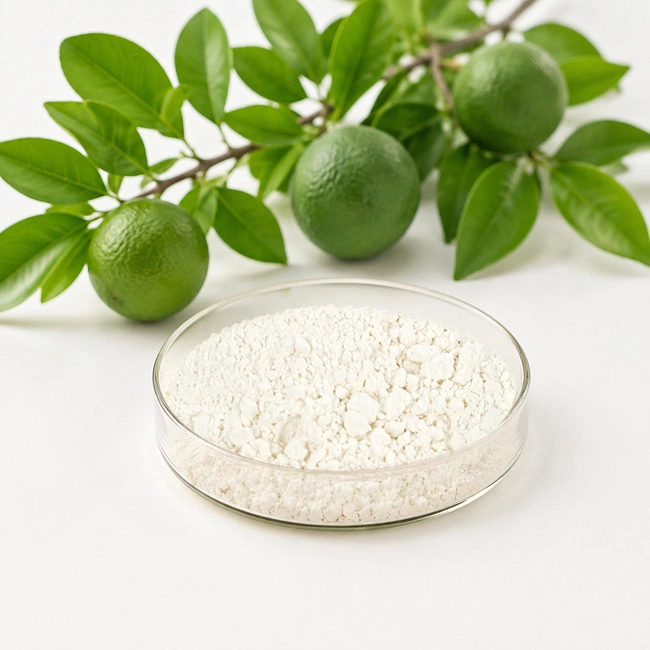
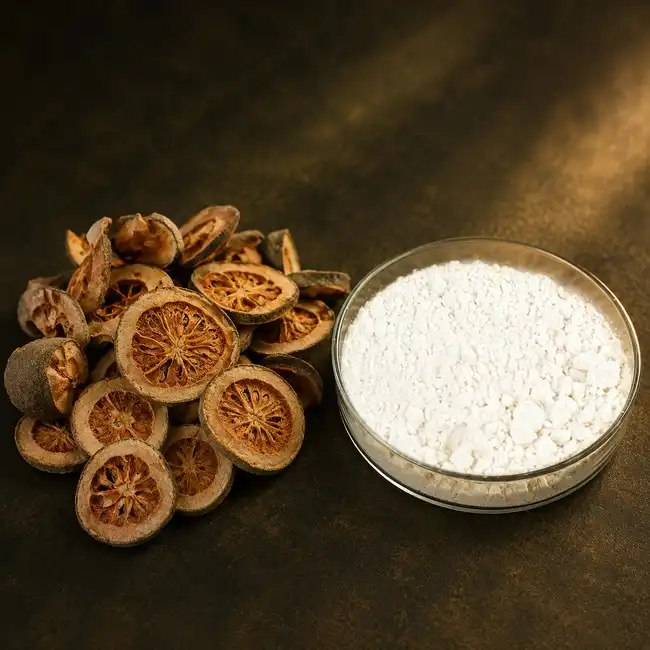
You can buy different kinds of naringenin powder. It's possible for something to be very pure or very dirty, and the way it was extracted can change both the character of the leftover solvent and the purity level. Kang Biotech gets naringenin powder from Citrus aurantium L. in two different ways: with water and with ethanol. Plant-based and clean-label claims are backed up by these means. It is important to make sure that the 98% HPLC minimum is met so that you work with a standardized, concentrated active and not a watered-down plant mix.
What to Evaluate When Reviewing a Supplier's COA
The naringenin powder certificate of analysis (COA) should list the maximum amount of heavy metals that can be present, confirm that the powder is HPLC pure at ≥98%, test for residual solvents (especially if ethanol extraction is used), show how the powder looks, and go over the moisture content. A trusted supply partner is different from a one-time deal because these things stay the same from batch to batch.
Procurement Guide: Sourcing High-Quality Naringenin Powder
Kang Biotech always has enough naringenin powder on hand for both business sales and test orders. You can buy as little as 1 kg, and you can send samples to see if the idea works. FedEx sends small packages, but business freight moves larger amounts by air or sea. That's how it's usually packed: 25 kg per drum. This is enough for both small lab tests and big production runs.
Ask for a sample, test the formula, make a small amount for testing, do the first commercial run, and then place repeat orders as the product grows. This is how brands usually buy things from the concept phase to the launch phase. Kang Biotech's team is ready to help with every step of this cycle. For example, they can work together in a way that keeps secret recipes safe by signing an NDA.
OEM and ODM services are available for brands that need to change the specs, the purity, or the labels on the package to fit the needs of a certain market can use OEM and ODM services.
Real-World Applications of Naringenin in Supplement Formulations
Some companies that make vitamins for metabolic health have added naringenin powder to daily pill plans that help the body burn fat and protect cells from damage. Naringenin powder is an antioxidant that is used in Korean and Japanese beauty products for the face to talk about skin health in terms of oxidative stress and clear skin. Functional drink companies in North America have put cyclodextrin-complexed naringenin powder in ready-to-mix packets and marketed it as a traceable antioxidant from citrus fruits that is not the same as regular vitamin C.
In all of these uses, naringenin powder supports a product story based on where it comes from in plants, how pure it is, and how biologically active it is. In a market that's already full, this mix is what makes a product stand out.
Conclusion
Naringenin powder, a well-studied flavonoid that comes from plants, can be used by manufacturers of dietary supplements, useful foods, and mouth beauty products. It comes from citrus fruits, is 98% pure by HPLC, and works with clean-label rules. This makes it a useful ingredient instead of a popular one. Solubility really does cause problems, but they can be fixed with tried-and-true ways of getting things ready. Your team won't have to worry about following the rules if you buy from a certified company whose goods can be tracked. Naringenin powder should be a part of your formulation process if your business is based on strong, plant-based ingredients that work in important ways for living things.
FAQ
1.What is naringenin powder, and where does it come from?
Flavonone naringenin comes in the form of aglycone naringenin powder. The peels of citrus fruits, like grapefruit and bitter orange (Citrus aurantium L.), are mostly used to make it. To make it, it is extracted with water or ethanol and then HPLC is used to make it pure to 98%. Its CAS number is 480-41-1, and its formula is C₁₅H₁₂O₅.
2.How do I handle the poor water solubility of naringenin in beverage formulations?
Complexation with hydroxypropyl-beta-cyclodextrin and nano-emulsification are two well-known ways to make water spread out better. Neither method breaks the rules for food safety in the US or the EU.
3.What is the recommended storage condition for naringenin powder?
A tightly sealed package of naringenin powder should be kept in a cool, dry place away from direct light and water. The shelf life is 24 months at this point.
4.Is naringenin powder suitable for clean-label product claims?
Yes, naringenin powder supports plant-based and clean-label positioning as a citrus flavonoid that is naturally found and made without using man-made chemicals. It can be used for Kosher, Halal, and non-GMO product stories if you get it from a certified mill.
5.What is the minimum order quantity, and are samples available?
It costs 1 kg, which is the least you can buy. Samples of the product can be used to test it before committing to large quantities.
Partner with Kang Biotech — Your Trusted Naringenin Powder Supplier
Since 2011, Kang Biotech has been selling useful ingredients made from fruit to people in more than 40 countries. We know this is true because they follow ISO 9001, ISO 22000, HACCP, Kosher, and Halal rules. Our naringenin powder can be made, and we can offer small-batch samples, OEM/ODM customization, and full tracking from the plantation to the finished product. You can get in touch with us right away at sales02@kangbiotech.com to talk about your sample or formulation.
References
1. Testai, L., & Calderone, V. (2017). Nutraceutical value of citrus flavanones and their implications in cardiovascular disease. Nutrients, 9(5), 502.
2. Mahmoud, A. M., et al. (2019). Naringenin: A promising dietary flavonoid with diverse chemopreventive and therapeutic effects. Food and Chemical Toxicology, 132, 110697.
3. Patel, K., & Patel, D. K. (2019). Biological importance, medicinal significance, and health promoting effects of naringenin. Journal of Integrative Medicine, 17(5), 316–324.
4. Nouri, Z., et al. (2021). Naringenin as a potential natural compound for metabolic syndrome management: A review of current evidence. Phytotherapy Research, 35(8), 4310–4328.
5. Cavia-Saiz, M., et al. (2010). Antioxidant properties, radical scavenging activity and biomolecule protection capacity of flavonoid naringenin and its glycoside naringin. Journal of the Science of Food and Agriculture, 90(7), 1238–1244.
6. Janssen, K., et al. (1998). Flavonoids and coronary heart disease: Dietary perspectives. Proceedings of the Nutrition Society, 57(1), 51–57.

Send Inquiry
Related Industry Knowledge
- How to Select a Bulk Naringenin Powder Supplier
- Apigenin for Sleep: What This Chamomile Compound Does
- How Sweet Is Neohesperidin Dihydrochalcone Powder?
- Hesperidin: The Citrus Bioflavonoid that Supports the Brain & Heart
- Apigenin: Health Benefits, Sources, and Safety
- Nobiletin Uses, Benefits & Dosage
- How to Use Neohesperidin Dihydrochalcone Powder in Beverages for a Low-Calorie Boost?
- Evidence for the Health Effects of Hesperidin
- What Is Apigenin Powder and Why Is It Gaining Popularity in Supplements?
- Hesperidin: A Citrus Treasure with a Rich History