Naringin Dihydrochalcone Food Grade: What Buyers Should Know
October 30, 2026
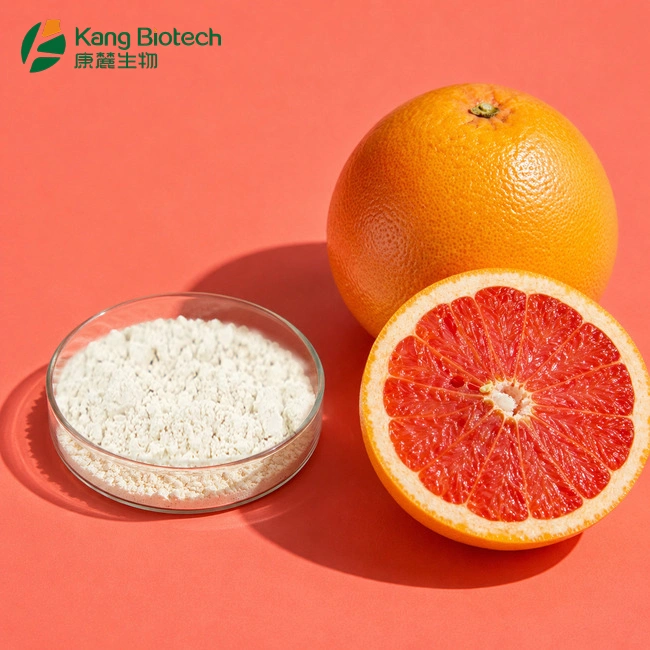
If you work in flavor modulation, functional beverages, or sugar-reduction formulation, naringin dihydrochalcone is worth a close look. Derived from naringin — a natural bitter flavonoid found in grapefruit — this citrus-derived compound undergoes catalytic hydrogenation to become a white crystalline powder that is 300 to 1,800 times sweeter than sucrose at threshold concentrations. Beyond sweetness, naringin dihydrochalcone provides measurable bitterness-masking performance at very low dosage levels. With CAS No. 18916-17-1 and 98% HPLC purity, food grade naringin dihydrochalcone has become a practical ingredient choice for B2B formulators targeting clean-label, low-calorie, and flavor-corrected product lines.
What Is Naringin Dihydrochalcone? A Comprehensive Overview
Chemical Origin and Structure
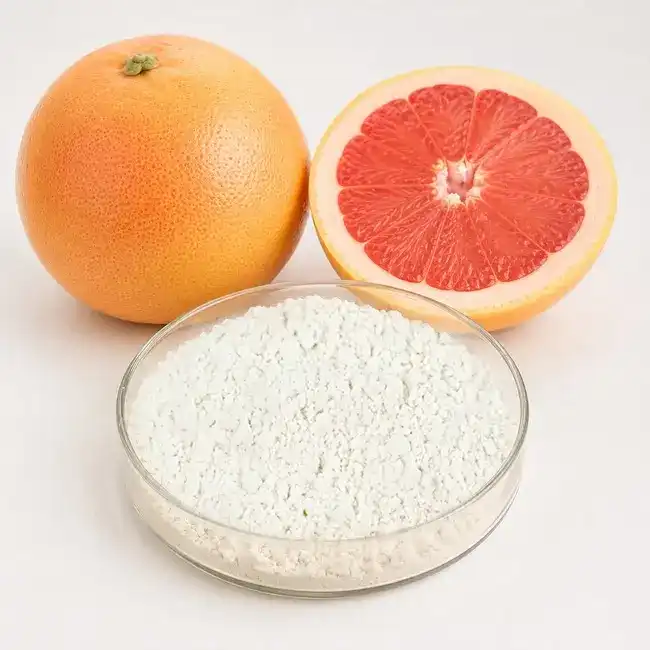
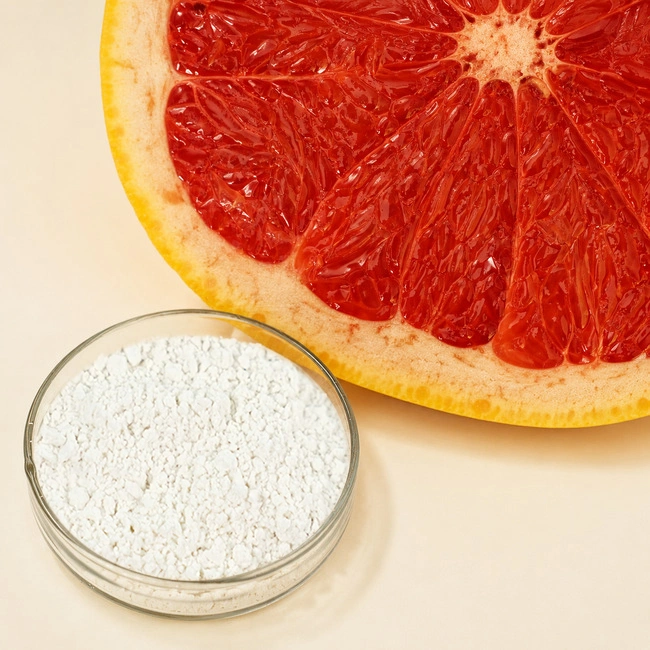
Naringin Dihydrochalcone (NADC) is made from naringin, a flavanone glycoside that is mostly found in grapefruit and bitter orange peel. It turns into a dihydrochalcone after being handled with alkaline chemicals and then hydrogenated by a catalyst. This opens up the flavanone ring. With a molecular weight of about 582.55 g/mol, the result is written as C₂₈H₀₆O₁₅. The bitter taste of naringin is gone because of this change in structure, which makes a combination with a smooth, slow-onset sweetness. It doesn't work like most high-intensity sweets on the market because of this.
Production Process and Purity Standards
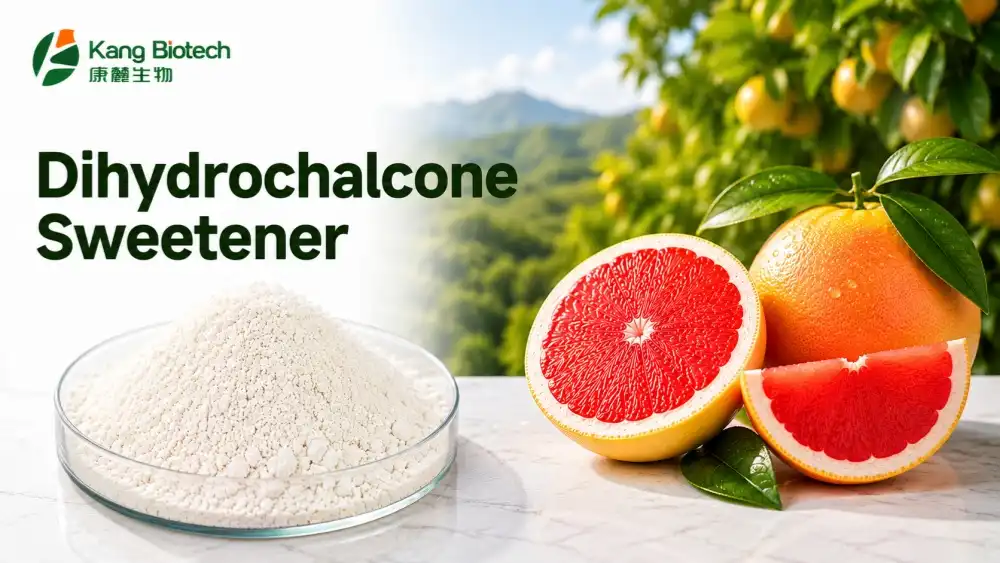
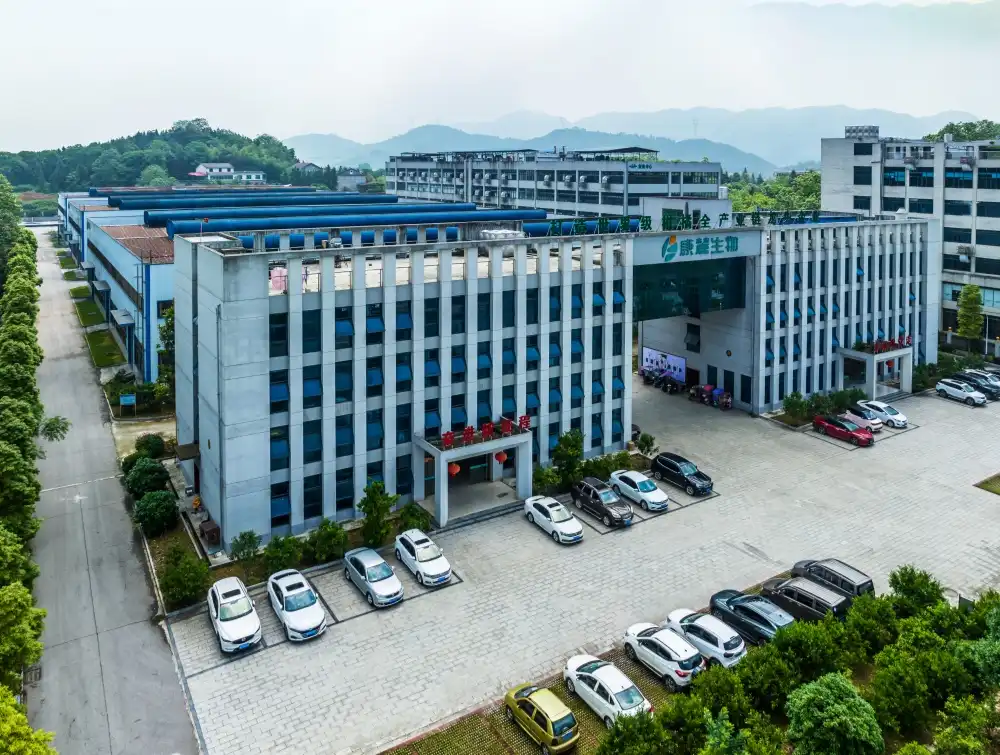
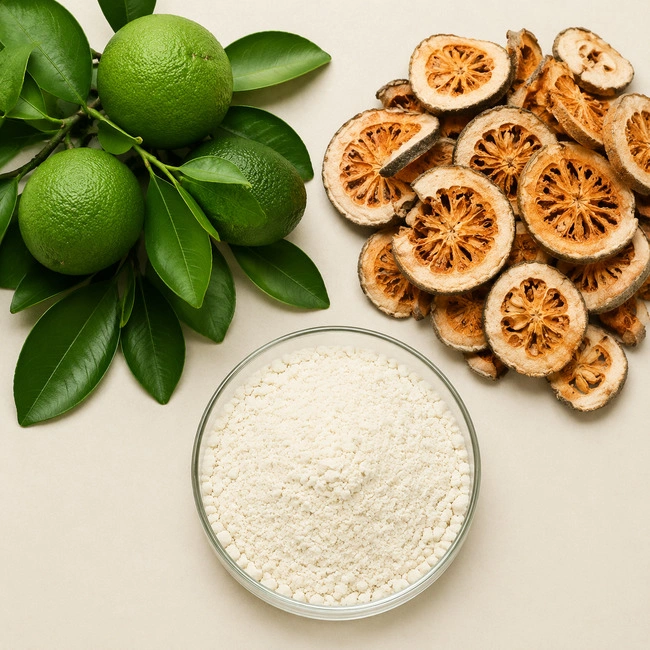
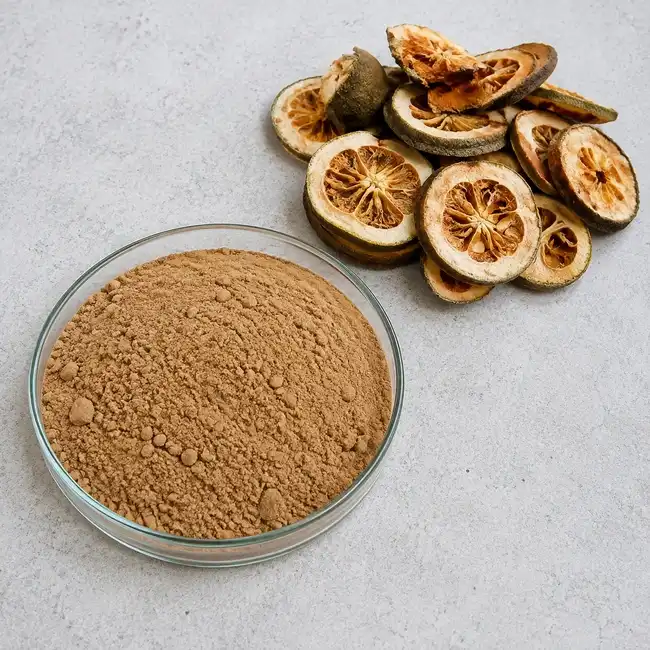
Naringin dihydrochalcone is made by Kang Biotech from bitter oranges grown in Lianyuan, Hunan Province, on farms that are run by the company. Both water and ethanol are used to get the juice out of the oranges. According to HPLC study, the final product is at least 98% clean. An ICP-MS test is done on each batch to look for bacteria, heavy metals (Pb < 1.0 ppm), and moisture (< 12%). The 80–100 mesh particle size makes it easy for the material to dissolve quickly in both water and ethanol. You can get a full Certificate of Analysis (COA) that has these specs on it if you ask for it.
Manufacturing Certifications That Matter to Buyers
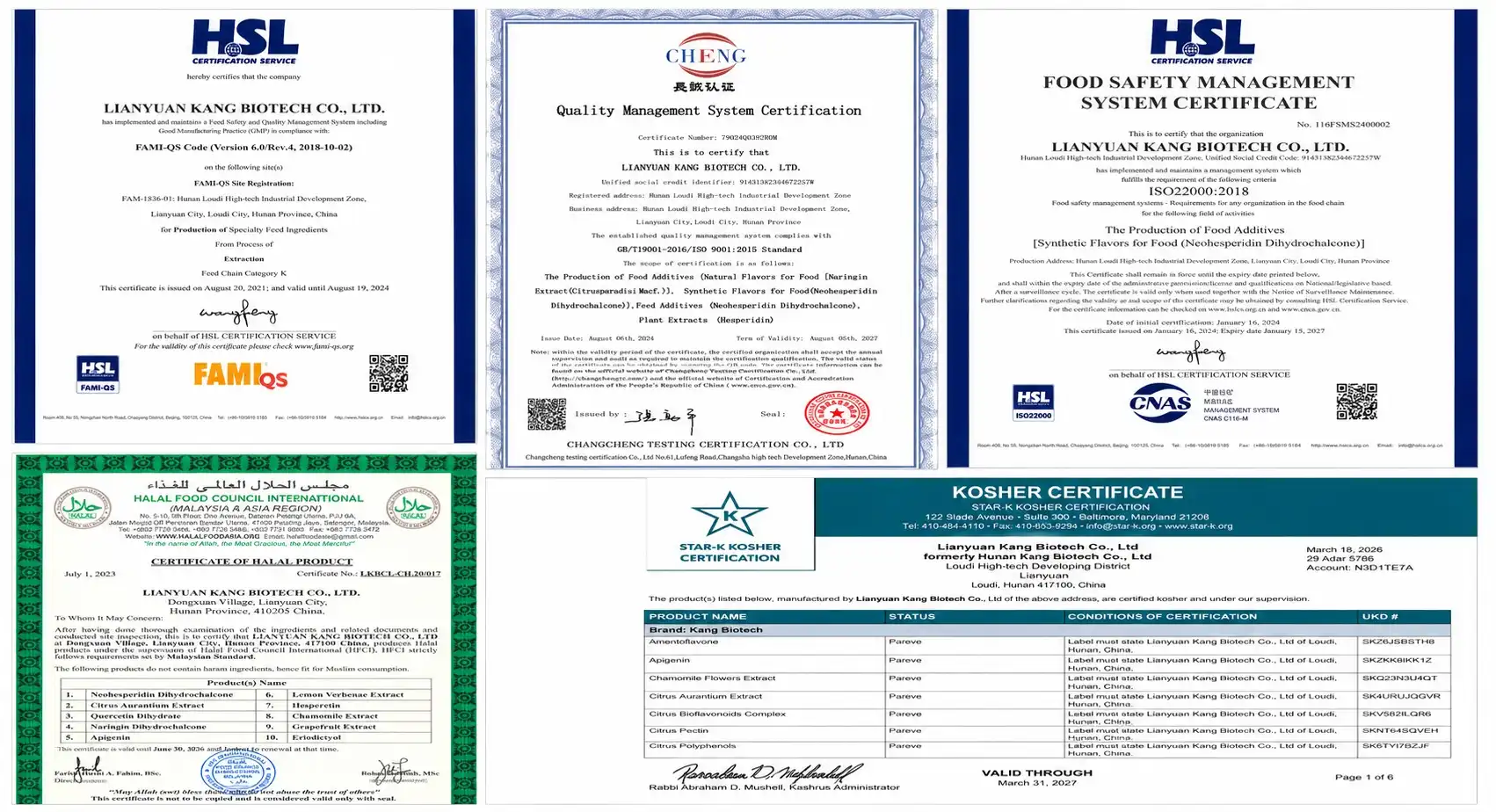
The 33,000 m² building that Kang Biotech works in is approved by FAMI-QS, ISO 9001, ISO 22000, HACCP, and is Halal and Kosher. This set of credentials covers the most important areas of compliance for anyone who wants to buy and sell in both the US and the EU. It includes handling food safety and following faith rules about what to eat. The business has been in charge of its own bitter orange supply base for more than 20 years. This means that batches are always the same and supplies can be planned for.
How Naringin Dihydrochalcone Compares to Other Sweeteners
Sweetness Profile vs. NHDC and Stevia
As the amount changes, naringin dihydrochalcone can be 300 to 1,800 times sweeter than sugar. Neohesperidin dihydrochalcone (NHDC, CAS 20702-77-6) takes a little longer than NDC to become sweet. It also tastes better afterward and doesn't have the menthol-like note that NHDC sometimes adds. In drinks like protein shakes and milkshakes, where off-tastes are hard to fix after the fact, this makes it easier to mix naringin dihydrochalcone in.
Regulatory Status: FDA, EU, and GRAS
Many people who want to buy something want to know if naringin dihydrochalcone is limited in the same way that NHDC is. The two compounds are structurally different, not the same. Naringin dihydrochalcone is not the same as E 959 (NHDC) in the EU. The rules for using it depend on the matrix and the area. The 2020 FDA GRN 902 put orange dihydrochalcone chemicals in a range of known safety levels in the US. For now, FEMA 3811 is linked to NHDC and not naringin dihydrochalcone. For each case, buyers should check with their regulatory lawyers to see what the FEMA situation is. That's right, the item works with both the FCC and the EP rules.
Cost and Supply Chain Comparison
To get naringin dihydrochalcone, you only need a small amount for it to work. This makes it cheaper to source than some other flavor modifiers. 10–30 ppm is a common range for drinks, and 20–50 ppm is a typical range for solid foods. Which means that a little of the ingredient can make a lot of things. Changes in the prices of raw materials during the citrus harvest can be hard for procurement managers who run programs with many SKUs. This low-dose efficiency helps them deal with these changes.
Key Applications and Usage Guidelines for Buyers
Beverages and Functional Drink Formulation
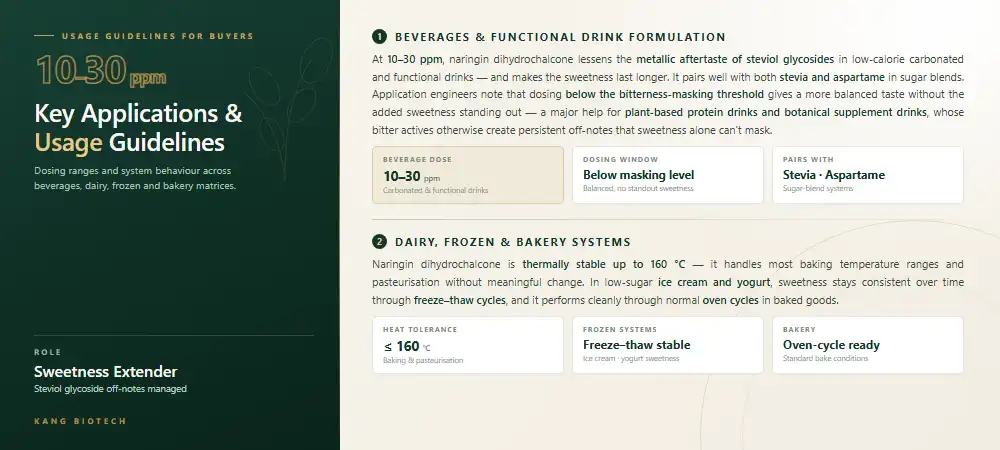
The metallic aftertaste of steviol glycosides is lessened by adding 10 to 30 parts per million of naringin dihydrochalcone to low-calorie carbonated drinks or functional drinks. This also makes the sweetness last longer. When sugars are mixed, it works well with both stevia and aspartame. Application engineers say that adding NDC at levels below the level needed to hide bitterness makes the taste more balanced without making the added sweetness stand out. This helps plant-based protein drinks and botanical supplement drinks a lot because the bitter ingredients they use all the time can otherwise create persistent off-notes that are difficult to mask with sweetness alone.
Dairy, Frozen, and Bakery Systems
Naringin dihydrochalcone doesn't change much when it gets hot, up to 160°C. On top of that, it can handle most baking temperature ranges and pasteurization. It keeps the sweetness of low-sugar ice cream and yogurt the same over time because it doesn't change when it freezes and thaws. It works fine through normal oven cycles when used for baked goods.
The most important rules for lab teams and people who work on the production floor are these:
- Storage conditions: Keep below 25°C and 60% relative humidity in sealed, airtight containers to prevent clumping. The powder is slightly hygroscopic.
- Dissolution: The 80–100 mesh particle size dissolves effectively in warm water or ethanol-based systems. Pre-dissolving in a small volume of solvent before adding to the bulk mix improves distribution.
- Dosage precision: Weigh at milligram scale. Small dosage errors at ppm levels can shift the sweetness balance noticeably in finished products.
How to Choose and Procure High-Quality Food Grade Naringin Dihydrochalcone
What to Check Before Placing an Order
To find a naringin dihydrochalcone provider, the COA is the first thing you should look at. HPLC clarity (≥98%), data on the liquid that was left over from the hydrogenation process, ICP-MS heavy metal results, and results from Salmonella and E. coli microbiome tests should all be there. Nobody should be on the list if they can't give full solvent residue and heavy metal numbers when asked. It doesn't matter how much they charge. If you're in the EU market, make sure you ask for proof of the naringin dihydrochalcone limits that are in place, not the NHDC limits that are used as a substitute.
Certifications and Audit Readiness
People who buy something should make sure that the company that makes it has HACCP and ISO 22000 certificates and can show proof of facility checks for buyers further down the line. People who buy food for their pets should also make sure it is FAMI-QS certified. Halal and Kosher certificates are important to people in the Middle East and some European stores. If you want copies of things that are no longer good, ask for copies of new certificates with dates when they expire.
MOQ, Sampling, and Lead Time
Naringin dihydrochalcone can be bought from Kang Biotech in as little as 1 kg, and samples can be used for tests in the lab. Drums made of fiber that can hold 25 kg and are lined with plastic are the standard way to package. For small orders, FedEx is used. For business orders, air freight or sea freight are used, depending on the buyer's needs. It takes 24 to 48 hours to get a quote for DDP. Before going on to orders for 100 kg to 1 MT, lab tests normally last for two to four weeks.
Building Trust: Verified Suppliers in Naringin Dihydrochalcone
Kang Biotech's Supply Track Record
Bitter orange and other citrus fruits have been used by Kang Biotech to make products since 2011. They have been properly processing citrus fruits for more than 20 years. This business sells naringin dihydrochalcone to people in over 40 different countries and areas. North America, Europe, Japan, and South Korea are some of these places. Buyers can see the whole supply chain without having to go through a middleman when companies work together vertically, from taking care of plantations to making finished powder.
What Buyers in Flavor Modulation Say
There are three main things that taste modulation procurement managers look for when they buy naringin dihydrochalcone: consistency from batch to batch, quick turnaround on COAs, and expert help during the lab evaluation process. During the sample and scale-up steps, the application team at Kang Biotech helps with questions about formulation. In OEM and ODM customization services, rules for labeling for different markets, purity standards, and different kinds of packaging are all taken care of.
Long-Term Supply Reliability
Problems with getting citrus raw materials are a big worry for buyers who are in charge of more than one SKU that needs the same ingredient source. Kang Biotech has a direct hedge against changes in the spot market because it owns the land in Hunan Province where it grows bitter oranges. When sellers are talking about long-term deals, they can talk about price lock agreements that work with the harvest processes.
Conclusion
Naringin dihydrochalcone is known for having the ability to hide bitterness and increase sweetness at the same time. This makes it useful for people who want to change the taste of functional foods, drinks, and other things. This ingredient is 98% HPLC pure, comes with full COA paperwork, and is certified for multiple markets. It is a good choice for teams working on low-calorie and clean-label products. Naringin dihydrochalcone might meet some of the needs of people who have only been using NHDC, especially when they want a sweeter taste without any menthol notes.
FAQ
1. Is naringin dihydrochalcone the same compound as NHDC?
No. Naringin dihydrochalcone (CAS 18916-17-1) and neohesperidin dihydrochalcone (NHDC, CAS 20702-77-6) are structural isomers derived from different citrus flavanones. They share a dihydrochalcone backbone but differ in glycoside substitution, sweetness profile, and regulatory classification. Do not apply NHDC regulatory limits to naringin dihydrochalcone without confirming the specific jurisdiction's rules.
2. What is the recommended use level in beverages?
Typical use rates are 10–30 ppm in beverage applications and 20–50 ppm in solid food matrices. The exact level depends on your formulation's baseline bitterness load and target sweetness intensity. Lab trialing with 500 g samples is the standard starting point.
3. Is it stable during high-temperature processing?
Yes. The compound remains functionally stable up to 160°C, covering pasteurization, UHT, and standard bakery processing without measurable sweetness loss.
4. Can it be labeled as a natural flavor in the US?
Naringin dihydrochalcone is derived from a natural citrus source and may be eligible for natural flavor labeling under FDA guidelines. Confirm your specific labeling claim with your regulatory team before production, as application context matters.
5. What documentation comes with each shipment?
Each shipment includes a full COA covering HPLC purity, heavy metal results (ICP-MS), moisture content, microbial testing, and particle size. Halal, Kosher, ISO, and HACCP certificates are available upon request.
Request a Sample or Quote from Kang Biotech
Kang Biotech is a direct company that makes naringin dihydrochalcone. They are allowed to make it, have it in stock, and the smallest amount you can buy is just 1 kg. Whether you need samples for a lab to test or a DDP quote for a business order, our team gets back to you in 24 to 48 hours. You can get your COA, technical datasheet, or custom pricing right away by emailing sales02@kangbiotech.com or visiting cnkangbiotech.com.
References
-
Horowitz, R. M., & Gentili, B. (1969). Taste and structure in a series of related flavonoid compounds. Journal of Agricultural and Food Chemistry, 17(4), 696–700.
-
Kroyer, G. T. (1992). Stevioside and related compounds — Molecules of pharmaceutical and food interest. Nahrung/Food, 36(2), 200–203.
-
European Food Safety Authority (EFSA). (2011). Scientific opinion on neohesperidin dihydrochalcone as a food additive. EFSA Journal, 9(7), 2229.
-
Food Chemicals Codex. (2023). Monographs and Specifications for Food-Grade Ingredients (12th ed.). United States Pharmacopeia.
-
Nabors, L. O. (Ed.). (2012). Alternative Sweeteners (4th ed.). CRC Press.
-
Chattopadhyay, S., Raychaudhuri, U., & Chakraborty, R. (2014). Artificial sweeteners — A review. Journal of Food Science and Technology, 51(4), 611–621.

Send Inquiry
Related Industry Knowledge
- How to Select a Bulk Naringenin Powder Supplier
- Apigenin for Sleep: What This Chamomile Compound Does
- Naringin Dihydrochalcone Food Grade: What Buyers Should Know
- 5 Potential Health Benefits of Apigenin
- 4 Benefits of Naringin For Your Health
- Neohesperidin Dihydrochalcone Powder vs Stevia: Which Natural Sweetener Wins?
- Nobiletin Benefits for Brain Health and Metabolism
- Hesperidin: The Citrus Bioflavonoid that Supports the Brain & Heart
- Exploring Hesperetin Powder for Modern Cosmetic Formulation
- What Is Apigenin Powder and Why Is It Gaining Popularity in Supplements?