
Hesperidin: The Citrus Bioflavonoid that Supports the Brain & Heart
October 23, 2026
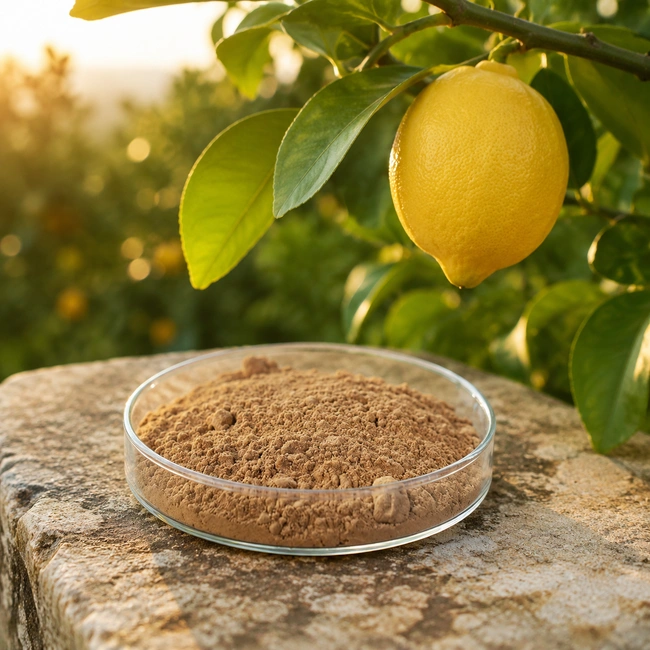
If you're involved in nutraceutical formulation, pharmaceutical production or the procurement of nutritional supplements, you've probably previously heard about hesperidin powder. It is a naturally occurring flavanone glycoside from the peels of citrus fruits such as sweet orange (Citrus sinensis L. ). It has a molecular formula of C28H34O15 (CAS No. 520-26-3, EINECS 208-288-1). Studies repeatedly show its importance in vascular integrity, cognitive function and antioxidant defense. For B2B procurement teams who are looking at raw material sources, it is important to understand how hesperidin powder behaves in different formulas and what makes a supplier trustworthy vs one who might pose a danger to your manufacturing line and brand.
Understanding Hesperidin Powder – Properties, Benefits, and Uses
Chemical Identity and Physical Profile
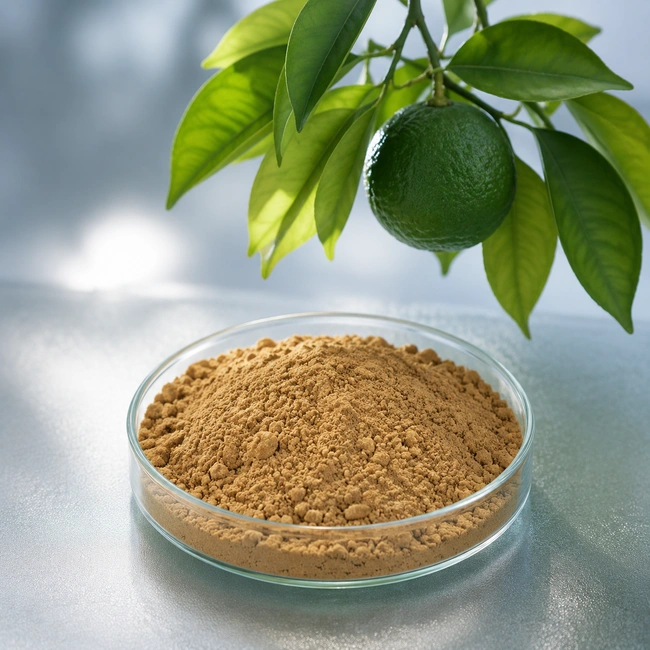
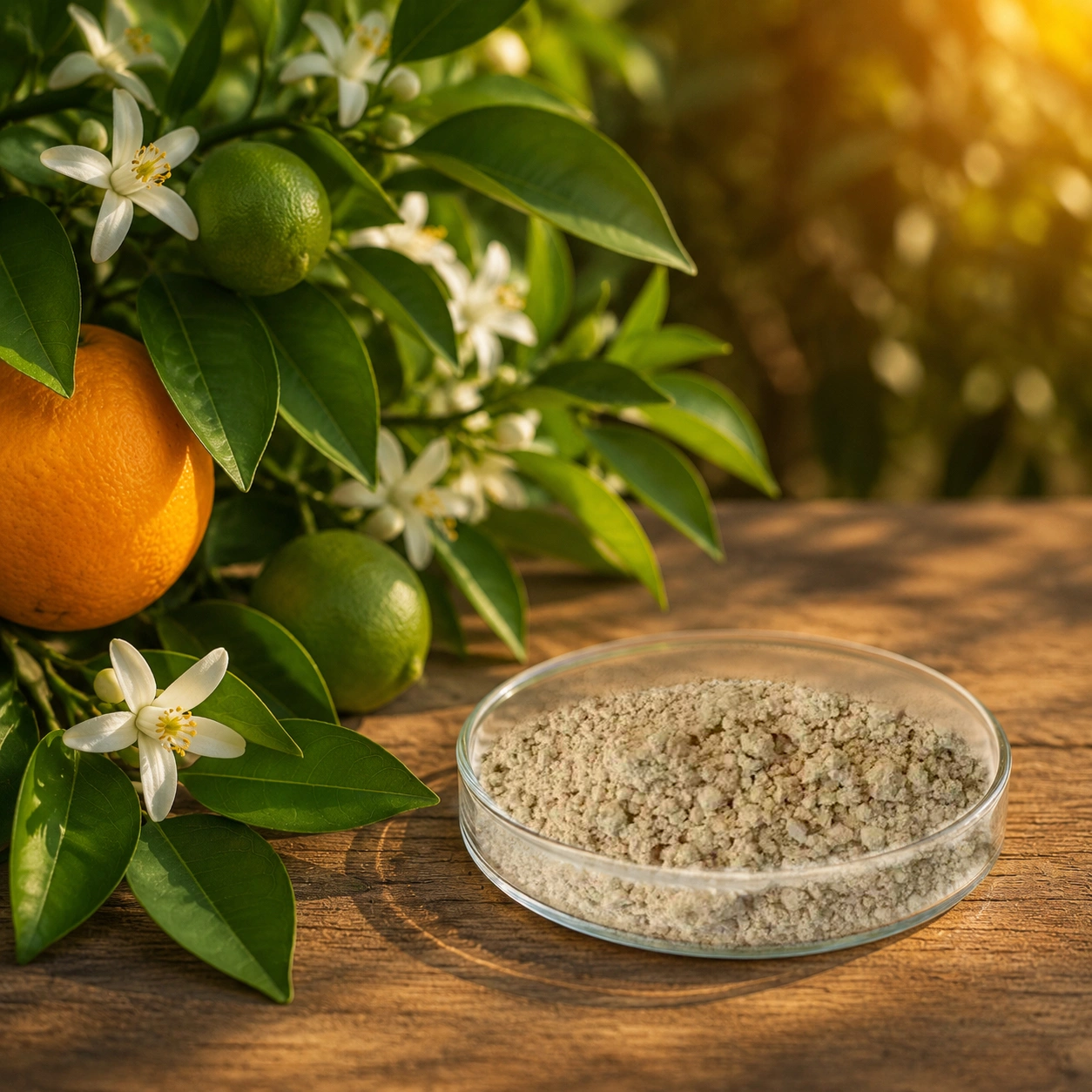
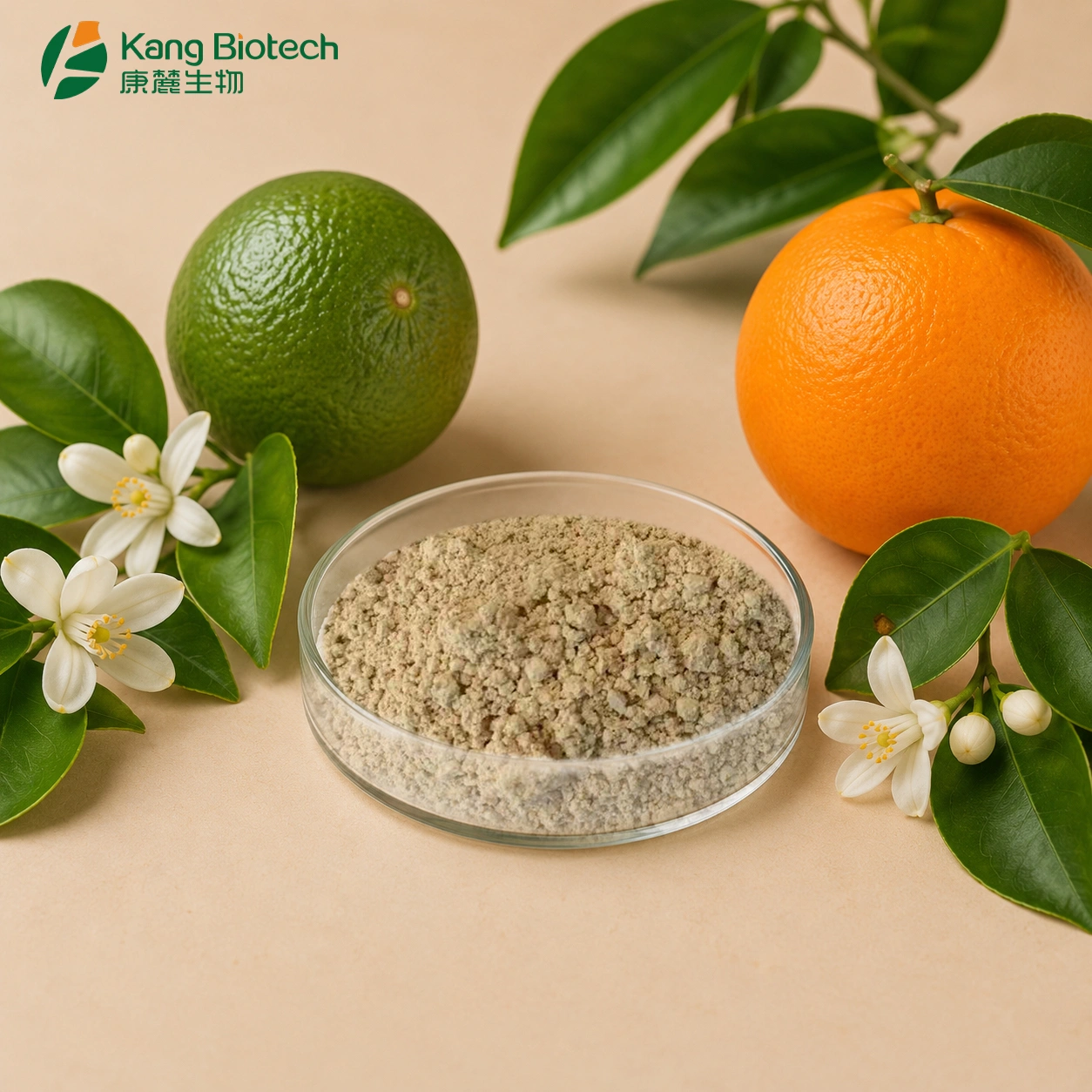
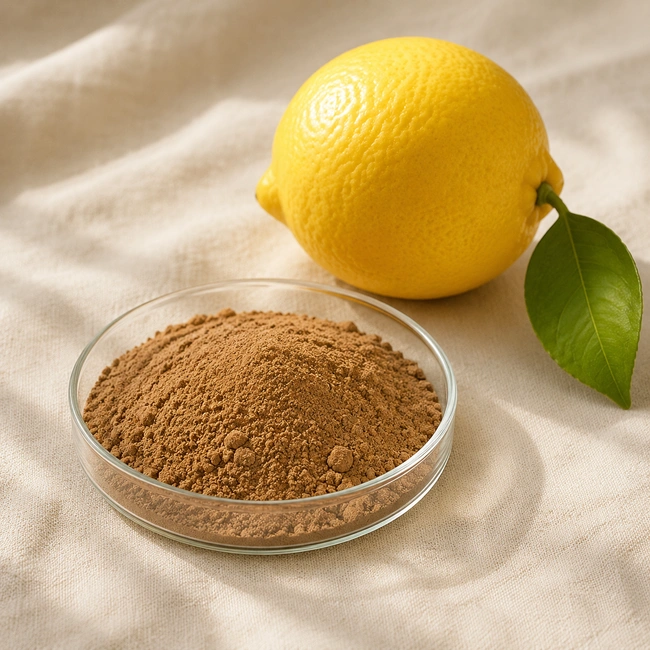
Hesperidin is a pale yellow to gray fine powder. It melts between 258 and 262°C. It is not highly soluble in water of neutral pH, but soluble in pyridine and dilute alkaline solutions. "Formulators can struggle with this solubility limitation, particularly in the case of liquid applications." It commonly participates in decisions related to micronization or cyclodextrin complexation. The chemical provides precise bioactive release from a dosage form with consistently 98% HPLC purity, the benchmark that most pharmaceutical and nutraceutical purchasers want.
Functional Benefits Documented in Research
Three well-studied areas make up hesperidin's bioactivity. Studies in reputable journals show that it lowers capillary permeability (which was once called "Vitamin P" activity), supports endothelial function, and has significant antioxidant activity by removing free radicals. New research in neuroscience, like that published in Nutrients (2020), suggests that hesperidin and its aglycone hesperetin can get into the brain from the blood and protect neurons by changing the pathways that cause oxidative stress. Heart data, on the other hand, show that people with high blood pressure who took orange bioflavonoids had statistically significant drops in their systolic blood pressure.
For supporting the circulatory system, most clinical research recommends a daily dose of 500 to 1,000 mg, though amounts depend on the formulation. At these amounts, safety profiles are well known, and controlled studies have not shown any major side effects.
Comparing Hesperidin Powder with Other Bioflavonoids and Supplements
Hesperidin vs. Diosmin: The Precursor Relationship
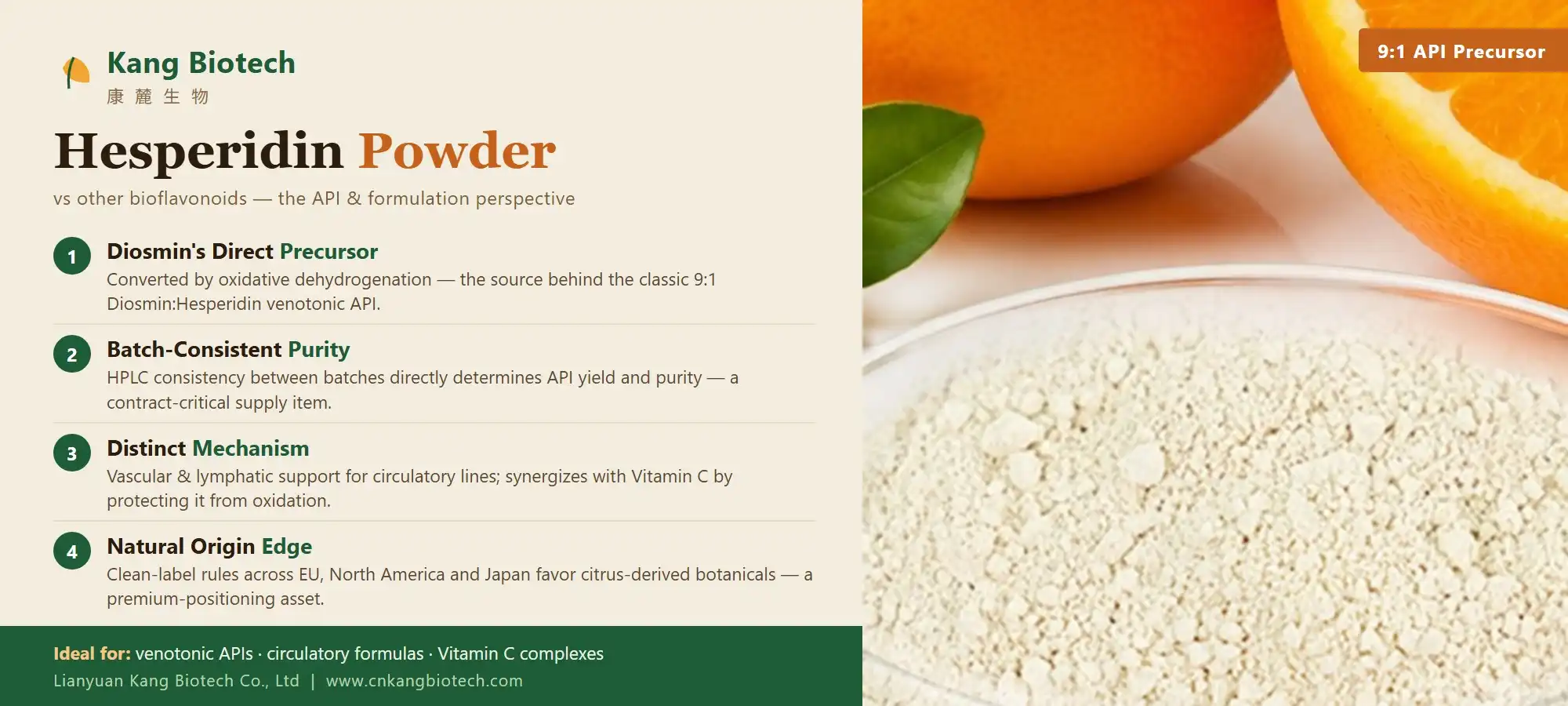
API manufacturers care the most about this difference. The direct chemical precursor to diosmin is hesperidin powder, which is made through oxidative dehydrogenation. A high-purity, batch-consistent hesperidin source is needed for the standard 9:1 diosmin-to-hesperidin mixture used in venous health medicines. This is a formulation that is well known in the European and Indian pharmaceutical markets. Any change in the HPLC test between batches has a direct effect on the final diosmin API yield and purity. Because of this, buying managers in this sector see the supply of hesperidin as an unchangeable part of their production contracts.
Hesperidin vs. Quercetin and Rutin
Quercetin and rutin are both flavonoids, but they work in different ways and bind to different receptors. Many studies have been done on quercetin to find out how it can reduce inflammation and change the immune system. On the other hand, rutin is more often linked to making capillaries stronger. Hesperidin is unique because it is the best choice for circulatory and vascular product lines because it relaxes blood vessels and lymph vessels. Adding hesperidin to Vitamin C has a synergistic effect; Vitamin C stays stable because hesperidin protects it from free radicals, which increases its bioactivity in finished products.
Choosing between hesperidin powder made from natural citrus fruits and man-made alternatives is a choice that has to do with regulations and market positioning. Clean-label rules in Europe, North America, and Japan always support natural sources that come from plants. This is a real reason why botanical-grade hesperidin costs more in branded supplement channels.
Procurement Insights – How to Source High-Quality Hesperidin Powder for Your Business
It takes more than just checking price lists to find hesperidin powder on a large scale for production. Procurement managers with a lot of experience, especially those who are in charge of API supply chains for diosmin synthesis or branded vein health lines, look at providers on a number of technical and legal levels.
Here are the main things that pharmaceutical and nutrition companies' buying teams always look for when they buy something:
- Batch-to-batch HPLC consistency: The most important quality factor is a supplier's ability to keep ≥98% result across multiple production lots. Batch drift in a line that turns hesperidin into diosmin makes it expensive to do work again further down the line.
- Certification documentation: ISO 9001, ISO 22000, HACCP, and FAMI-QS are the bare minimum of credible paperwork. European buyers must have EINECS registration (208-288-1) and a certificate of authenticity that can be linked to specific crop runs. Kosher and Halal certifications make it easier for people in North America and Southeast Asia to get into markets.
- Specification range flexibility: Buyers on a large scale often need both high pure (98% HPLC) and middle grades (10%–80%) for different product lines. A seller that covers the whole 10%–98% specification range means that a buying team doesn't have to handle as many vendor relationships.
- Logistics reliability and stock position: Having enough ready stock, FedEx being able to handle trial orders from 1 kg, and the ability to ship commercial goods by sea or air (25 kg/drum standard packaging) are all practical needs that affect production schedules.
- OEM/ODM capability: Brand buyers who want to cut out middlemen distributors and go straight to the manufacturer need to be able to make changes to specifications, add their own labels, and make custom COA formats.
These factors together make up the due diligence strategy that tells the difference between a long-term relationship with a seller and a one-time deal. Meeting them regularly is what turns a sample request into a yearly contract that lasts for more than one year.
Integrating Hesperidin Powder into Product Development and Supply Chains
Formulation Applications
There are three main types of products that use hesperidin powder. In pharmaceutical venous health capsules and tablets, it works as both an active ingredient and a building block for other substances. As a part of food products that aim to improve circulation and microvascular health, it is often combined with bioflavonoids. Because it doesn't dissolve well in water, it needs to be pre-solubilized in glycol carriers before it can be used in cosmetics, especially eye serums that target dark circles and microcirculation.
Stability and Regulatory Compliance
When it is dry, hesperidin powder is very stable at high temperatures. This means that it can be used with normal granulation and blending methods. Formulators who work with liquid matrices must, however, take into account the alkaline solubility profile of the matrix to avoid precipitation. In major markets, hesperidin is considered a food-grade ingredient, and it has an EINECS registration to show that it is safe for use in the EU. Supplement brands selling in the US should make sure that their CoA paperwork follows the rules set by the FDA for dietary supplements. On the other hand, pharmaceutical grades going to the EU must follow the rules set by the European Pharmacopeia (EP) or the Chinese Pharmacopeia (CP), based on the monograph.
Conclusion
Hesperidin powder has a clear and high-demand place in the global citrus bioflavonoid market. It is used as a direct precursor in the production of diosmin and also on its own in vitamins for heart health and brain health. Because it comes from citrus fruits and has been shown to have bioactive properties, it can be used in both pharmaceutical API supply chains and branded nutraceutical product lines for a long time. Supply-chain risk management is what it comes down to for procurement workers who are in charge of annual contracts: locking in a reliable hesperidin provider. The most important factors—HPLC consistency, documentation depth, and reliability at the production level—do not change from one procurement cycle to the next.
FAQ
1.What is hesperidin powder, and where does it come from?
The peels of citrus fruits, mostly Citrus sinensis L. (sweet orange) and other species in the Rutaceae family, are used to make hesperidin powder. It is a natural flavanone glycoside. It is one of the most common flavonoids that can be eaten and has the CAS number 520-26-3.
2.What purity grades are available for B2B buyers?
There are different grades of hesperidin powder, from 10% HPLC to 98% HPLC, depending on what the application needs. The 98% HPLC grade is common for pharmaceutical APIs and high-end nutrient mixes.
3.Is hesperidin powder used to produce diosmin?
Yes. Hesperidin is the straight chemical ingredient that is used to make diosmin in factories. High-purity, batch-consistent hesperidin is an essential ingredient for companies that make the standard 9:1 diosmin-hesperidin venous health mixture.
4.What certifications should a reliable supplier hold?
At the very least, ISO 9001, ISO 22000, HACCP, and FAMI-QS certifications should be held by a trustworthy hesperidin powder supplier. For access to global markets, Kosher, Halal, and SC (China Food Production License) add to the list of standards that must be met.
5.Can samples be requested before committing to a bulk order?
Yes. The smallest amount that can be ordered is 1 kg, and samples can be used to make decisions before a full order is placed.
Partner with Kang Biotech for Reliable Hesperidin Powder Supply
Kang Biotech has been selling hesperidin powder to customers in over 40 countries since 2011. They have over 20,000,000 m² of their own citrus plantations and a 33,000 m² GMP-compliant factory. As a straight producer of hesperidin powder, we don't have to pay markups to middlemen and can keep full trackability from cultivation to COA for the finished batch. Our hesperidin powder comes in 10% to 98% HPLC grades and is packed in 25 kg drums as standard. OEM and ODM customization is also possible. You can email our technology team at sales02@kangbiotech.com to ask for a sample or talk about how much you need each year.
References
1. Roohbakhsh, A., Parhiz, H., Soltani, F., Rezaee, R., & Iranshahi, M. (2015). Neuropharmacological properties and pharmacokinetics of the citrus flavonoids hesperidin and hesperetin. Life Sciences, 113(1–2), 1–13.
2. Garg, A., Garg, S., Zaneveld, L. J. D., & Singla, A. K. (2001). Chemistry and pharmacology of the citrus bioflavonoid hesperidin. Phytotherapy Research, 15(8), 655–669.
3. Testai, L., & Calderone, V. (2017). Nutraceutical value of citrus flavanones and their implications in cardiovascular disease. Nutrients, 9(5), 502.
4. Ezzat, S. M., Salama, M. M., & Seif El-Din, S. H. (2020). Hesperidin and hesperetin as neuroprotective agents: A review of their pharmacological activities. Nutrients, 12(3), 648.
5. Benavente-García, O., & Castillo, J. (2008). Update on uses and properties of citrus flavonoids: New findings in anticancer, cardiovascular, and anti-inflammatory activity. Journal of Agricultural and Food Chemistry, 56(15), 6185–6205.
6. Panche, A. N., Diwan, A. D., & Chandra, S. R. (2016). Flavonoids: An overview. Journal of Nutritional Science, 5, e47.

Send Inquiry
Related Industry Knowledge
- Apigenin for Sleep: What This Chamomile Compound Does
- How Sweet Is Neohesperidin Dihydrochalcone Powder?
- Apigenin: Health Benefits, Sources, and Safety
- Nobiletin Uses, Benefits & Dosage
- How to Use Neohesperidin Dihydrochalcone Powder in Beverages for a Low-Calorie Boost?
- Naringenin Powder in Dietary Supplements: Formulation Guide
- Exploring Hesperetin Powder for Modern Cosmetic Formulation
- What Is Naringenin Powder and How Is It Used?
- What Is Apigenin Powder and Why Is It Gaining Popularity in Supplements?
- Hesperidin: A Citrus Treasure with a Rich History