
Apigenin Benefits: Sleep, Anxiety, Healthy Aging, and More
November 2, 2026
If you work in nutraceutical formulation or supplement brand development, you have undoubtedly seen apigenin powder appearing in more product briefs than ever before. This naturally occurring flavone, found most often in chamomile flowers, parsley and citrus peel, has been given substantial consideration for its function in supporting sleep, easing anxiety and good ageing. Apigenin powder is ≥98% pure by HPLC, allowing formulators to achieve dosage accuracy that cannot be obtained with crude plant extracts. In this post we guide you through the science, the formulation rationale, and what to look for when obtaining this ingredient for your next SKU.
Understanding Apigenin Powder – What It Is and Why It Matters
The Chemistry Behind the Compound
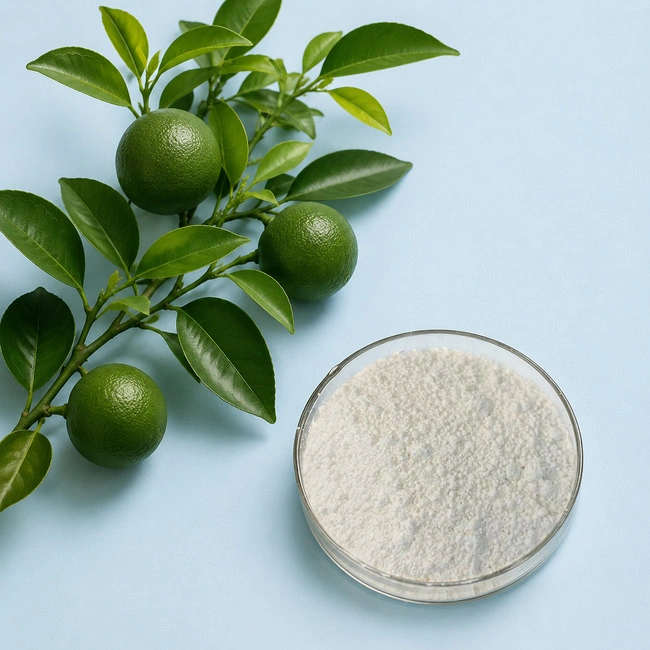
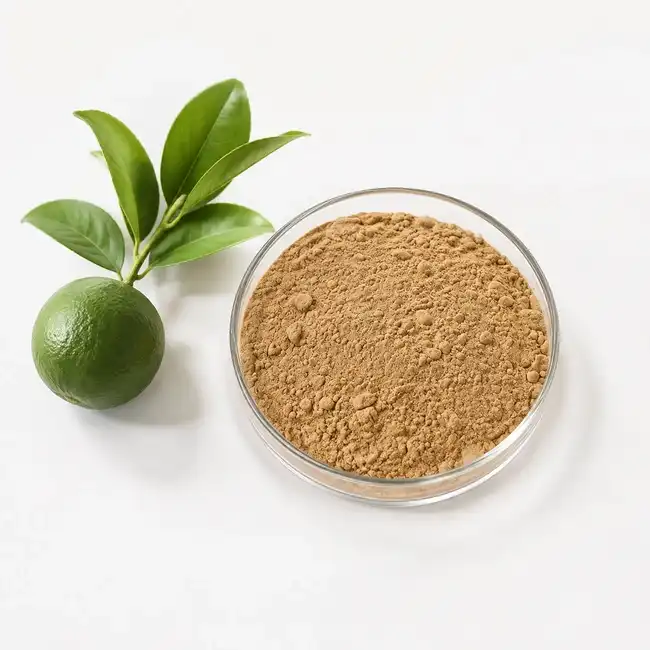
The solid form of 4',5,7-trihydroxyflavone (CAS No: 520-36-5) is apigenin powder. Standardized herbal extracts may only have 5–10% active flavone. A high-purity apigenin powder that has been standardized at ≥98% by HPLC, on the other hand, always has the same amount of active flavone. Kang Biotech mostly gets its materials from Citrus aurantium L., and based on the end use, they remove them with water or ethanol. The end result is an 80–100 mesh fine yellow to yellow powder with heavy metals below 10 ppm and a loss of ≤1.0% when dried.
Why Purity Level Changes Everything
Even a 2% difference in potency from batch to batch for a 50 mg capsule of apigenin means that the label may not be followed. To get the same amount of active ingredient, a 10% standardized crude plant extract would need five times the fill weight. This is because it would contain extra plant waxes, chlorophyll leftovers, and solvent carry-overs that are not needed and would affect the product's stability and the user experience. Those factors are taken out when the apigenin powder is ≥98% pure. This is why procurement teams in North America and Europe ask for HPLC-verified purity certificates before placing trial orders.
Botanical Source and Extraction Method
Chamomile, parsley, celery, and lemon all have apigenin in them naturally. The chromatographic fingerprint of each source is a little different, which is important when a formulator does stability tests or makes a structure-function claim under FDA DSHEA 1994 rules. Kang Biotech's apigenin powder comes from citrus fruits and was removed using approved water or ethanol methods. It comes with full Certificates of Analysis that cover assay, heavy metals, and bacterial limits. A production-ready ingredient can be tracked from the plantation to the finished powder. A spot-market sample cannot.
Apigenin Powder Versus Other Natural Supplements – Making an Informed Choice
Comparing Key Functional Flavonoids
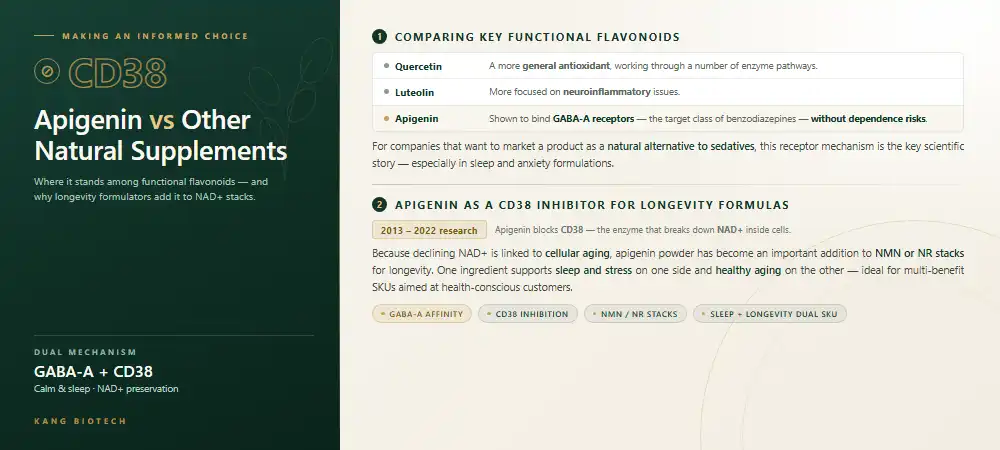
In the context of sleep and anxiety formulations, quercetin and luteolin are the flavonoids that are most often compared to apigenin. Quercetin is a more general antioxidant that works through a number of enzyme pathways, while luteolin is more focused on neuroinflammatory issues. Apigenin is different because it has been shown to bind to GABA-A receptors, which is the same type of receptor that benzodiazepines target, but it doesn't come with the dependence risks that come with drugs. This receptor process is an important scientific story for companies that want to market a product as a natural option to sedatives.
Apigenin as a CD38 Inhibitor for Longevity Formulas
Between 2013 and 2022, studies found that apigenin blocks CD38, an enzyme that breaks down NAD+ inside cells. Because a drop in NAD+ is linked to cellular aging, apigenin powder has become an important addition to stacks of NMN or NR for longer life. One ingredient can help with sleep and stress on the one hand, and healthy aging on the other. This makes it appealing to brands that are making multi-benefit SKUs for health-conscious customers.
Powder Format Versus Finished Dosage Forms
Bulk apigenin powder offers contract manufacturers and OEM customers the most flexibility. It may be blended to produce pills, tablets and powder bags and has a melting point of between 345°C and 350°C, making it stable at high temperatures. The component is lipophilic and is commonly formulated with cyclodextrin inclusion complexes or phospholipid carriers to make it water soluble in a liquid form. Kang Biotech typical grade is 80–100 mesh in particle size which is ideal for encapsulation. Micronised grades are available on request for applications requiring quicker dissolution.
Practical Guide to Using Apigenin Powder for Optimal Results
Dosage Ranges Supported by Research
Humans have been investigated with apigenin doses from 25 mg to 200 mg/day. For sleep-related studies, 50 mg in the evening is typically recommended as a decent starting point. This may still deliver the intended formulation effect with lower dosages blended with magnesium glycinate, L-theanine or GABA in a multi-ingredient formulation. Pure apigenin powder (98%) can be correctly dosed at the milligram level, and therefore may be simply added to capsule fills without needing to be over-dosed to compensate for differences in strength.
Storage and Stability Considerations
Apigenin reacts to light. Long-term UV radiation breaks down the structure of the flavones, making them less effective, and can turn the powder brown. The right way to store things is in cases that can't let light in, at temperatures below 25°C, and away from moisture. Kang Biotech's apigenin powder stays in good shape for 24 months when stored in this way. This shelf life lets procurement teams keep track of warehouse stock for multiple markets during normal 90–180-day procurement cycles without having to retest before the first production run.
Formulation Compatibility and Regulatory Filing Support
Brands making structure-function claims in the U.S. under DSHEA have to remember that the ingredient document has to back up the language on the label. Normally, Kang Biotech will provide Certificates of Analysis, Material Safety Data Sheets and declarations of allergens. Teams working on NPN submissions to Health Canada or accessing the EU market should note that high dosage isolated apigenin extracts (above 10mg/day) may be subject to assessment by EFSA as Novel Food. This is a regulatory barrier that requires some forward planning, not submitted at the eleventh hour.
Streamlined Procurement and Supply Chain Solutions for Apigenin Powder
Sourcing Apigenin Powder with Confidence
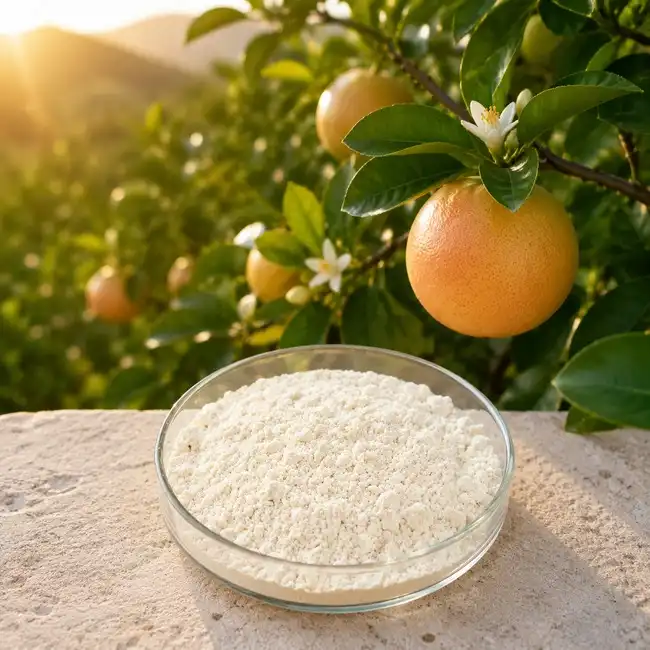
Kang Biotech has been supplying apigenin powder to consumers in more than 40 countries since 2011. They have certifications like ISO 9001, ISO 22000, HACCP, Halal, Kosher and FAMI-QS. The firm manages approximately 20,000,000 m2 of citrus farms in Hunan Province, hence it has complete control over the quality of raw materials. When buying managers evaluate apigenin powder suppliers, vertical integration from plantation to drum packing is a good quality indicator because it removes the variability of trading components at various stages.

Here are the major source needs that assist make procurement programs function well:
- Minimum order quantity: 1 kilogram, R&D sample available and formulation validation
- Standard Packing: 25 Kg/Drum Double packed polyethylene bags within light resistant fibre drums
- Small orders: sent by Fedex for speedy delivery to formulation laboratories
- Large commercial orders: sent by air or by sea, depending on lead time and cost requirements
- OEM/ODM: offered, including customised purity, particle size, packaging, labelling and technical documents for registration
These logistical solutions span the complete purchase process, from 1 kg test samples to commercial shipments with numerous drums, hence purchasing departments do not need to deal with various providers.
Evaluating Supplier Documentation
If an approved formulator wants to use any apigenin ingredient in production, they will need to see HPLC assay data, heavy metal panels (usually ICP-MS), pesticide residue screens, and microbial limits. As part of its standard batch release package, Kang Biotech gives you this information. When full technical files are available, the internal review cycle is cut down by a large amount for brands that have a pharmacist or nutritionist on the formulation team.
Future Trends and Market Outlook for Apigenin Powder in B2B Industries
Growing Demand Across Wellness Categories
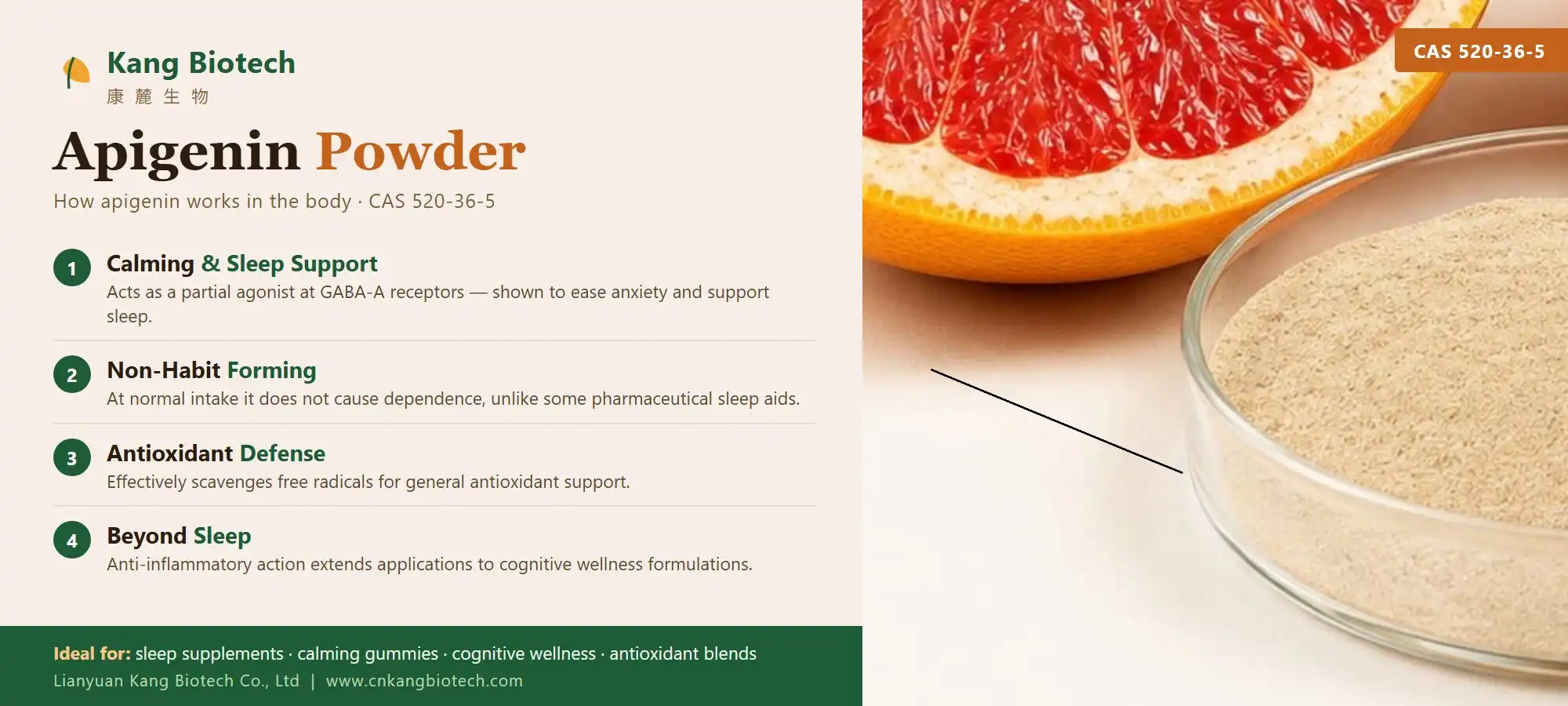
In 2023, the global market for sleep supplements was worth more than USD 11 billion. It is still growing as more people become aware of how important sleep quality is and look for alternatives to traditional melatonin-based products. Brands are actively looking for natural flavone ingredients that can help people relax and sleep without making them sleepy the next day, which is something some people associate with higher doses of melatonin. This is a perfect fit for apigenin powder, which is a bulk ingredient that can be used in many different product lines because it is good for both sleep-stress and life.
Emerging Applications and Innovation Opportunities
In addition to dietary supplements, personal care companies are now looking into how to use apigenin's soothing and antioxidant properties in topical products. According to INCI, the compound can be used in cosmetics in South Korea and Japan. Apigenin is the perfect ingredient for vitamin companies that want to branch out into useful skin care. Over the next three to five years, new products in the nutrition and personal care markets are likely to make more people want high-purity apigenin powder. This means that now is a good time to find a trusted supplier.
Regulatory Trajectory to Watch
DSHEA 1994 still controls structure-function claims for flavonoids found in plants in the United States. In the EU, EFSA's Novel Food route is used for pure isolated products that are higher than certain doses. Working with a supplier whose technical team can support documentation across different regulatory frameworks is helpful for brands that are entering more than one market at the same time. Purchasing managers who choose suppliers based on how ready they are to meet legal requirements cut down on risk and speed up time to market.
Conclusion
There is a huge demand for apigenin powder from customers, clinical research is expanding and it is obvious it may be utilised in many different ways. It supports tales of good ageing as an anti-oxidant, as a CD38 inhibitor, in the NAD+ lifespan region, and as a GABA-A receptor modulator to improve sleep and anxiety. When procurement people examine at this ingredient they need to make sure it is pure, the botanicals are traceable and the supplier paperwork is of acceptable quality. These are the must-have elements that differentiate a production-viable source from a spot-market offering. Kang Biotech’s open order model, multi-standard certification portfolio and vertical supply chain integration make it an excellent alternative for companies in any stage of product development.
FAQ
1. What purity grade should I specify for a sleep supplement capsule?
For sleep and relaxation formulations, require HPLC ≥98%. This guarantees milligram-level dosage precision, which is particularly relevant for multi-ingredient capsules combining apigenin with L-theanine, magnesium or GABA. Lower standardisations result in batch variability that might jeopardise label claims.
2. Does apigenin interact with CYP3A4 pathways?
Research published has shown that apigenin may inhibit the CYP3A4 and CYP1A2 enzymes at greater dosages. Formulators developing products for consumers using prescription sedatives or anxiolytics should include suitable label advising remarks and study the relevant literature before finalising dose levels.
3. What documentation does Kang Biotech provide for regulatory submissions?
As a standard, Kang Biotech provides Certificates of Analysis, Material Safety Data Sheets, allergy declarations and market-specific compliance documentation. Additional paperwork for Health Canada NPN or DSHEA structure-function claim support available upon request.
4. What is the minimum order for R&D purposes?
The minimum order quantity is 1kg. Samples may be made available for early-stage formulation testing and stability studies. Small orders are sent by FedEx for fast lab delivery.
5. How should apigenin powder be stored to maintain potency?
Store in tight, light-resistant containers below 25°C, protected from moisture and direct light. Shelf life: 24 months from manufacturing date under current circumstances.
Partner with Kang Biotech for Your Apigenin Powder Supply
Kang Biotech's apigenin powder—standardized to ≥98% HPLC, verified batch-by-batch, and backed by ISO 9001, ISO 22000, HACCP, Halal, and Kosher certifications—is ready to ship from existing stock. Whether you need a 1 kg sample for formulation trials or a full commercial order, our team provides complete technical documentation, OEM/ODM customization, and direct manufacturer pricing. Reach out today to request your Certificate of Analysis or discuss custom formulation support.
Email: sales02@kangbiotech.com | Website: cnkangbiotech.com
References
-
Salehi, B., et al. "The Therapeutic Potential of Apigenin." International Journal of Molecular Sciences, 2019.
-
Viola, H., et al. "Apigenin, a Component of Matricaria recutita Flowers, Is a Central Benzodiazepine Receptors-Ligand with Anxiolytic Effects." Planta Medica, 1995.
-
Escande, C., et al. "Flavonoid Apigenin Is an Inhibitor of the NAD+ ase CD38." Diabetes, 2013.
-
Shukla, S., & Gupta, S. "Apigenin: A Promising Molecule for Cancer Prevention." Pharmaceutical Research, 2010.
-
Ngan, A., & Conduit, R. "A Double-Blind, Placebo-Controlled Investigation of the Effects of Passiflora incarnata and Apigenin on Subjective Sleep Quality." Phytotherapy Research, 2011.
-
Zheng, G., et al. "Anti-Inflammatory Effects of the Flavone Apigenin and Its Molecular Mechanisms." Food & Function, 2020.

Send Inquiry
Related Industry Knowledge
- How to Select a Bulk Naringenin Powder Supplier
- Apigenin for Sleep: What This Chamomile Compound Does
- What Are the Benefits of Naringin?
- 4 Benefits of Naringin For Your Health
- The Power of Naringin
- Naringin Dihydrochalcone: Advances in Applications and Research
- Naringenin Powder vs Naringin: Key Differences Explained
- Hesperidin: The Citrus Bioflavonoid that Supports the Brain & Heart
- Evidence for the Health Effects of Hesperidin
- What Is Apigenin Powder and Why Is It Gaining Popularity in Supplements?