
The Power of Naringin
October 28, 2026
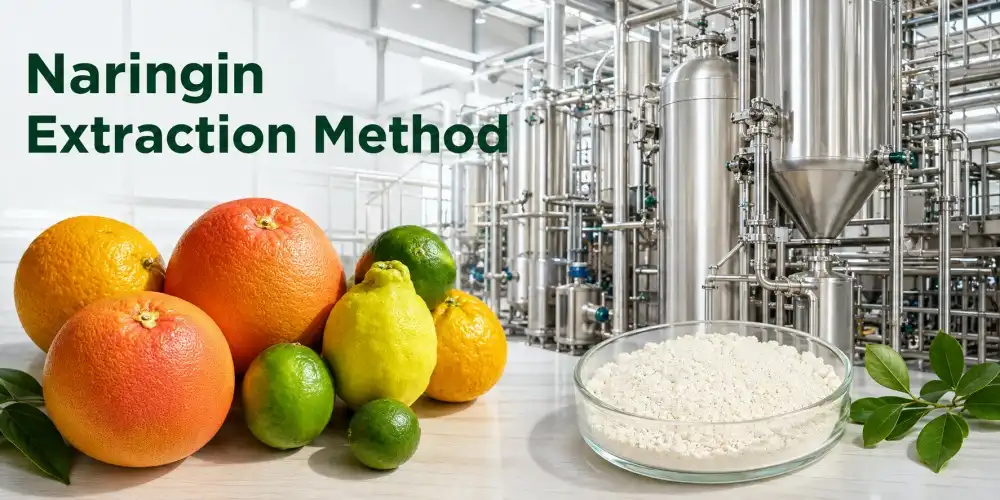
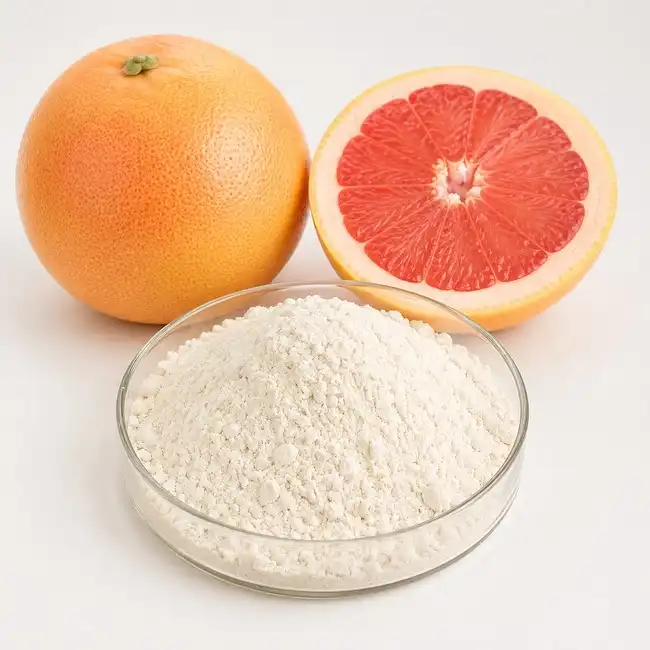
Naringin powder is a polyphenolic flavanone glycoside based from grapefruit (Citrus paradisi) and pomelo (Citrus grandis) peels. It is standardised to 98% purity by HPLC and is a natural bittering agent, flavour modifier and antioxidant component for use in food, beverage, nutraceutical and cosmetic applications. It's one among the most economically adaptable citrus-derived chemicals accessible to B2B customers today with its dual sensory and functional purpose. Naringin powder enables procurement organisations managing multi-SKU ingredient portfolios to maintain consistent performance with traceable plantation-controlled supply.
What Is Naringin Powder? Understanding Its Origins and Properties
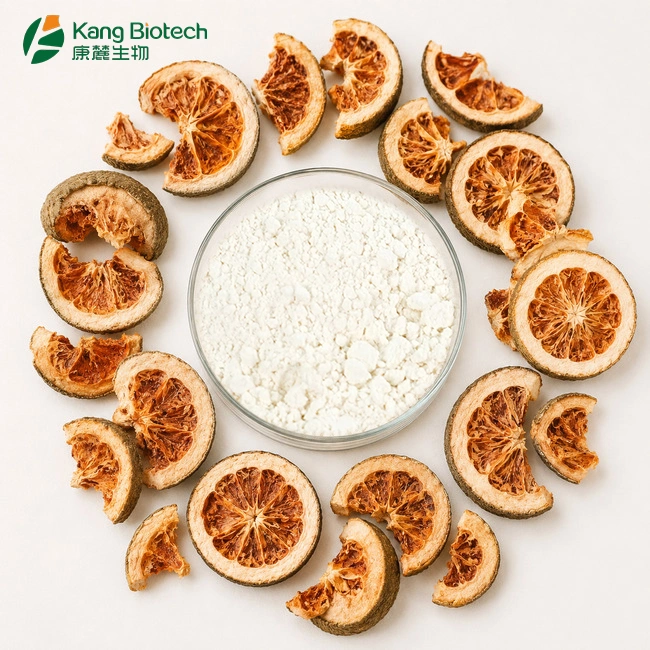
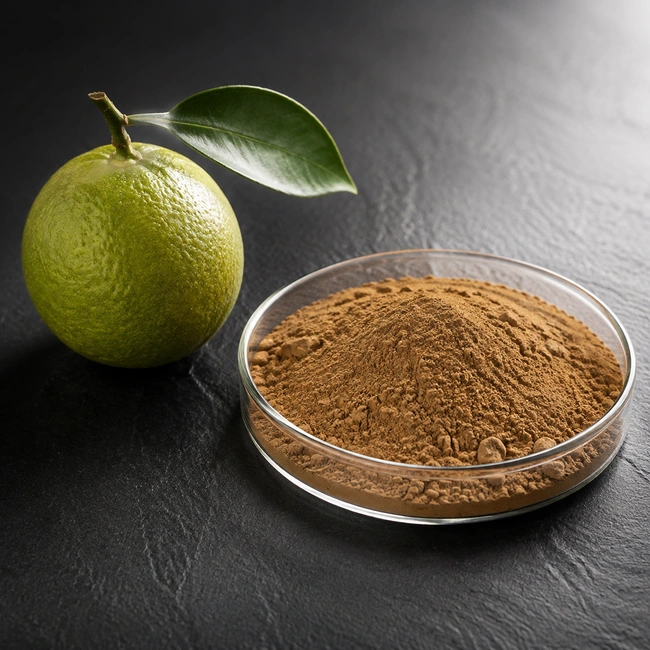
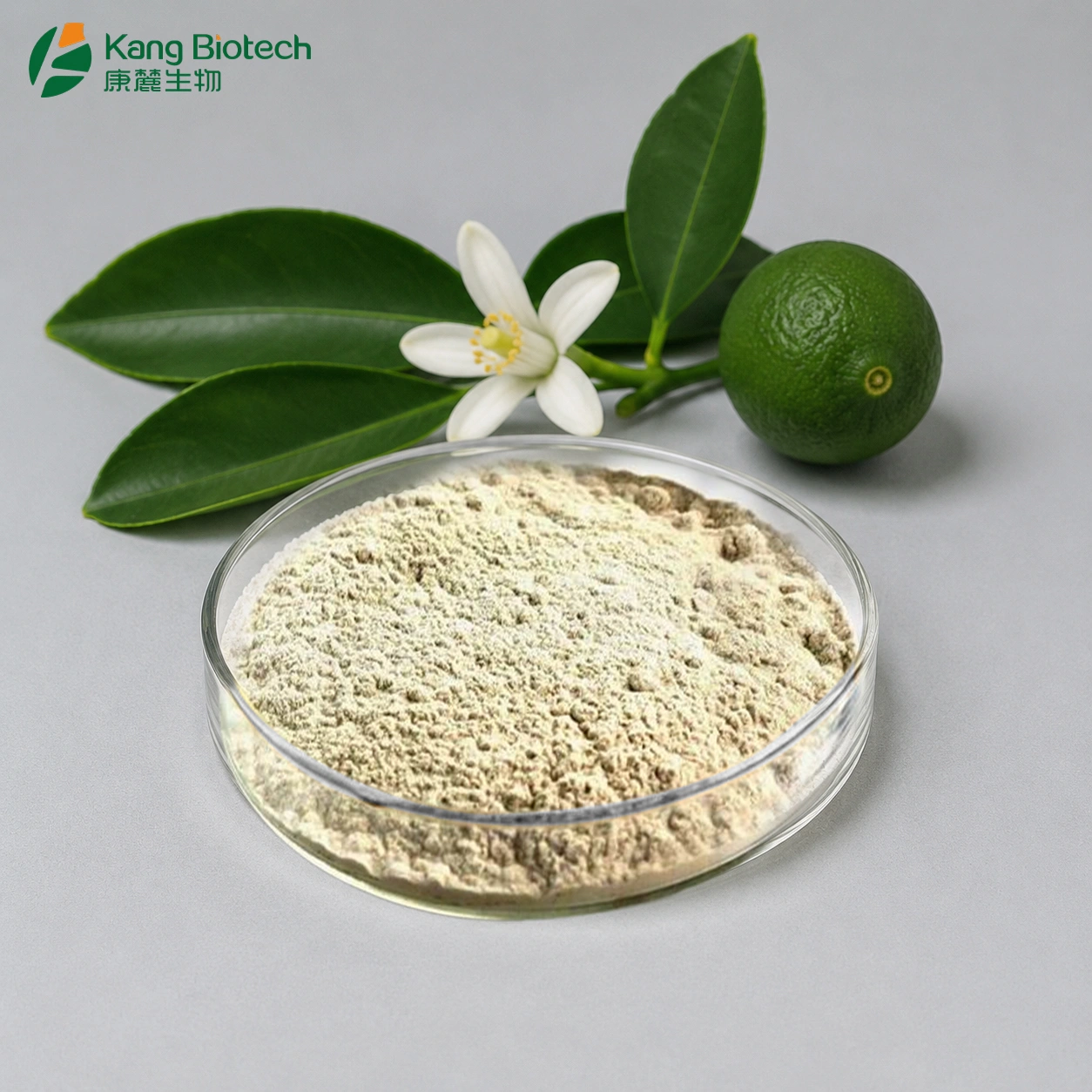
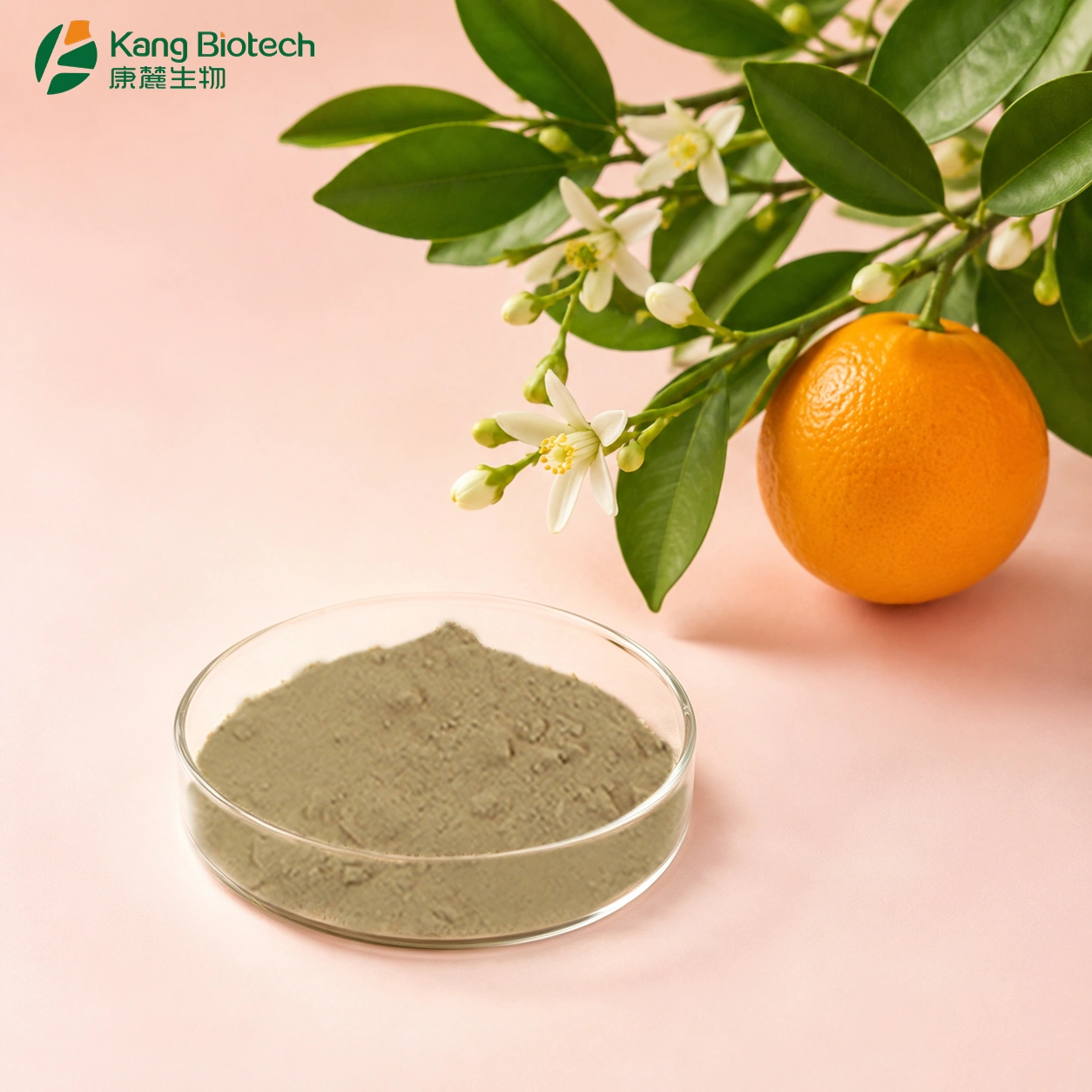
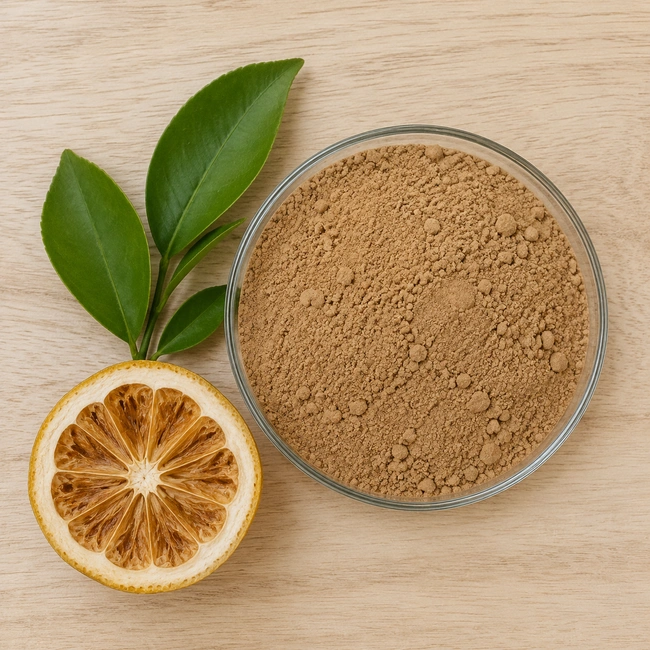
Naringin powder (CAS No: 10236-47-2, Molecular Formula C27H32O14) is prepared from the peel and other citrus fruit tissues using water or ethanol extraction. What is left is an off-white crystalline powder with a molar mass of 580.53 g/mol and an extremely unpleasant flavour even in very little doses.
Chemical Identity and Structure
Naringin consists of the flavanone aglycone naringenin linked to the disaccharide neohesperidose. Its molecular structure contributes to its characteristic bitterness and affects its solubility and behaviour in formulations. Naringin is relatively stable under common food-processing conditions, although its stability can vary depending on temperature, pH, solvent composition and processing time.
Naringin dihydrochalcone (CAS 18916-17-1) and naringin (CAS 10236-47-2) are different compounds with different chemical structures and regulatory considerations. They are not interchangeable in formulation or regulatory documentation. Procurement teams should therefore verify the compound name and CAS number before approving specifications, COAs or source documents.
Extraction and Purity Standards
Both water and ethanol are used by Kang Biotech to produce naringin powder. Both routes are studied in detail to preserve the bioactivity and fulfill the 98% HPLC standard. Buyers may choose the grade they want, from 10% pure to 98% pure. Natural flavour diversity is excellent at 10%-50% purity level. For pharmaceutical or synthesis grade, where precise stoichiometry is important, 98% purity is required.
Quality Benchmarks Procurement Teams Should Verify
These aspects should be considered when you look at a supplier's COA:
- HPLC Assay: Active flavanone content verified within ±2% of labeled specification
- Heavy Metal Screening: ICP-MS confirmation of Pb, As, Hg, and Cd below 10 ppm total
- Solvent Residue (GC): Ethanol or methanol levels below USP <467> thresholds
- Microbial Limits: TAMC <1,000 cfu/g; absence of E. coli and Salmonella
- Moisture Content: <12% to ensure powder flowability and shelf stability
Exploring the Benefits and Uses of Naringin Powder in Industry
Naringin powder is used in several industrial areas. The functional value is not application specific, which makes it attractive to distributors with wide ingredient portfolios.
Flavor Modification and Beverage Applications
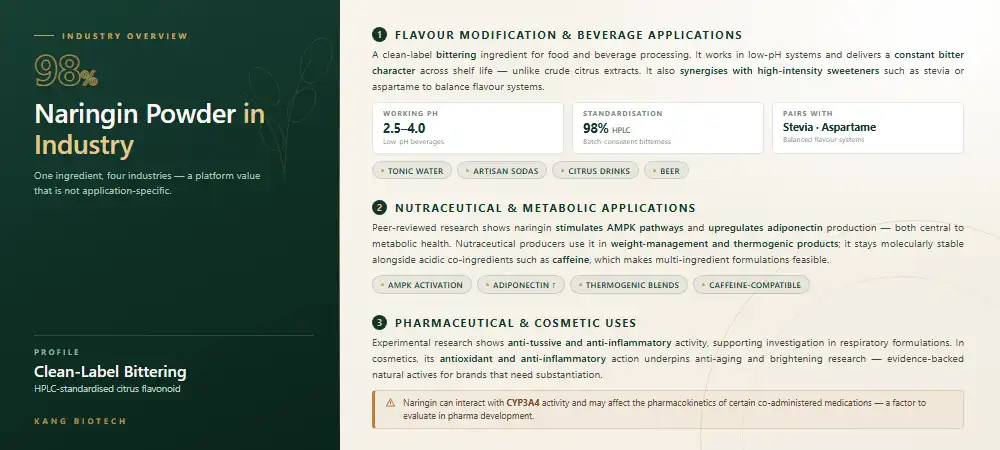
Naringin powder is also used as a clean-label bittering ingredient in food and beverage processing. It works in low-pH situations (pH 2.5–4.0) and is ideal for tonic waters, artisan sodas, citrus drinks and beer. Unlike crude citrus extracts, 98% HPLC standardised naringin powder offers a constant bitter character that will not change during the product’s shelf life. It also synergises with high intensity sweeteners such as stevia or aspartame to balance flavour systems.
Nutraceutical and Metabolic Applications
Peer-reviewed research has shown that naringin stimulates AMPK pathways and upregulates adiponectin production, both of which are significant to metabolic health concerns. Nutraceutical producers use naringin powder in their weight-management and thermogenic products. When combined with acidic co-ingredients (such as caffeine), the chemical is stable on a molecular scale, which makes it feasible to use in multi-ingredient supplement formulations.
Pharmaceutical and Cosmetic Uses
In medicinal uses, naringin powder has shown anti-tussive and anti-inflammatory characteristics in experimental research, which may support its investigation for respiratory and related formulations. It can also interact with CYP3A4 enzyme activity and may affect the pharmacokinetics of certain co-administered medications. In cosmetic applications, the antioxidant and anti-inflammatory action of the chemical supports research into anti-aging and brightening product claims, which is significant for businesses looking for evidence-backed natural actives.
Comparing Naringin Powder with Alternative Flavonoid Extracts
Citrus flavonoids like naringin powder, hesperidin, quercetin, or raw grapefruit juice are often what buying teams look at. They all have their own chemical characteristics and applications.
Naringin vs. Hesperidin
Most of the hesperidin you can find comes from sweet orange peel. It has a characteristic bitter taste and works as an antioxidant in a different way. On the other hand, even when used sparingly, naringin powder has a stronger, sharper flavor. If you need to fine-tune sensory characteristics, this makes it better for those jobs. Antioxidant research indicates that both substances can scavenge free radicals, but they are discussed and regulated in different ways in the market.
Naringin vs. Crude Grapefruit Extract
A different batch of crude grapefruit extract might have a different amount of naringin and other flavonoids, which can change how consistent it is. When naringin powder is measured at 98% HPLC, that variation is reduced. Brands need to make sure that label claims don't change from one run of production to the next. This is a very important step.
Naringin as a Sweetener Precursor
Neohesperidin Dihydrochalcone (NHDC) is a high-intensity sweetener that is used in a range of drinks and foods. Naringin can serve as a starting material for its production. For business, this is a big difference. There are impurities in lower-grade materials that can lower synthesis yields and increase purification costs in the long run. Because of this, the people who make NHDC need to maintain a reliable supply of suitably pure naringin powder.
Procurement Insights: Buying and Sourcing Naringin Powder Globally
Do more than just look for the naringin powder that costs the least per kilogram if you want to buy a lot of it. How much something costs and how risky it is to buy depend on how easy it is to get the supplies, how good your paperwork is, and how well you can handle transportation.
Evaluating Supplier Reliability
An honest company that offers naringin powder should have seals of approval from outside groups like Halal, Kosher, ISO 9001, and ISO 22000. The fact that these certifications were given shows that quality control is done regularly, not just for each job. If someone wants to buy something, they should also check to see if the seller has the raw materials they need. If a business owns a farm, changes in the months' fruit yields are much less likely to hurt it.
Kang Biotech is in charge of citrus trees in Hunan Province, China. Besides that, they run a 33,000 m² plant with 9 work lines. Growing, extracting, and packing are all parts of vertical integration. That way, there will always be enough at both the testing level and the market level.
Logistics and Order Fulfillment
Kang Biotech lets you get naringin powder in a few different ways. First, you can request samples for composition tests. Second, you can buy as little as 1 kg.
Containers with lids are usually used to pack 25 kg of off-white powder per drum.
- Minimum order quantity: 1 kg, with samples available for formulation trials
- Standard packaging: 25 kg/drum, off-white powder in sealed containers
- Small orders: Shipped via FedEx express delivery
- Large orders: Shipped by air or sea freight, with DDP options available
- Lead time: Ready stock maintained for standard grades; immediate dispatch on confirmed orders
You can use these options to try out new recipes right away or to purchase larger quantities for your business. You can also get OEM and ODM services if you need packaging with your own brand name, custom purity levels, or particle size requirements.
Regulatory Documentation for North American and European Markets
Naringin is included in the FEMA GRAS database, and it is listed under applicable provisions for natural substances used as flavouring agents in 21 CFR §182.20. Every box comes with a package of papers. There is a COA, an MSDS, a list of allergens, and any other certifications needed to meet FDA and other international standards.
Why Choose Kang Biotech's Certified Naringin Powder for Your Business
For more than 11 years, Kang Biotech has been making ingredients, and for more than 20 years, their skilled team has been processing citrus fruits. Research and development work is done between the company and the Hunan Institute of Agricultural Product Processing and Quality Safety. Because of this, they can quickly come up with new formulas and meet new needs.
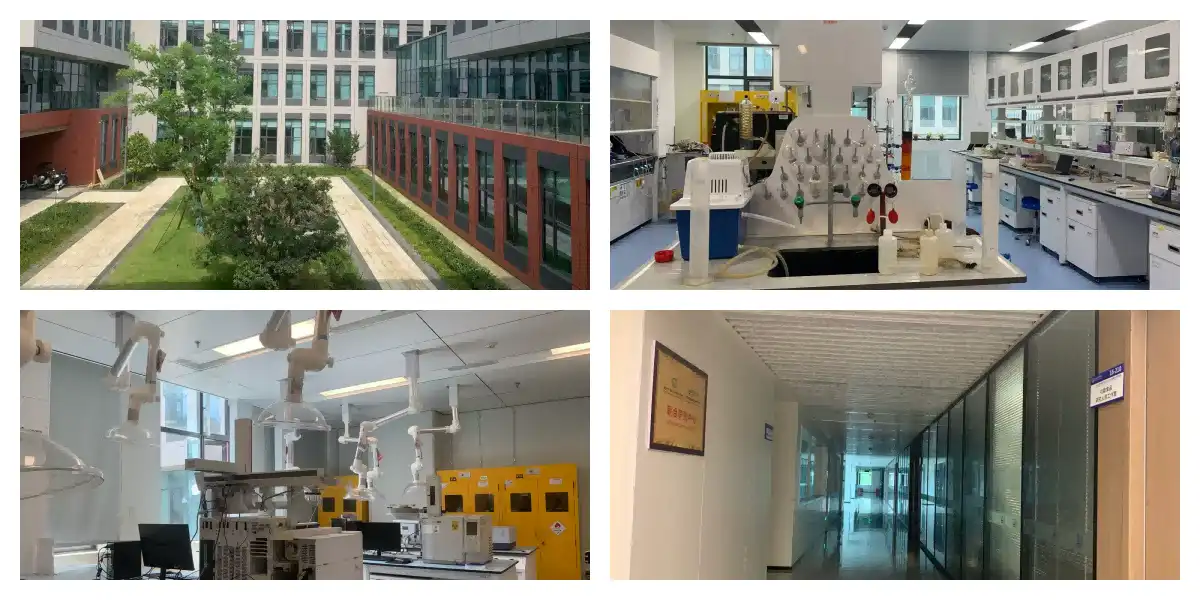
They have ISO 9001, ISO 22000, HACCP, FAMI-QS, Halal, Kosher, and a China SC (Food Production License) license for their goods. Full scientific tests are done on every batch of naringin powder before it is shipped, as always, and records are kept.
People who work with a lot of different SKU ingredients can also buy NHDC, naringenin, hesperidin, and other flavonoids from Kang Biotech. These flavonoids come from citrus fruits. They can get all of their ingredients from one company that is vertically integrated. This means that the company controls both the quality of the raw materials and the schedule for production.
Conclusion
Naringin powder is a well-known and often-used flavonoid that has been studied for applications in pharmaceuticals, cosmetics, food flavour modification, and more. Some applications require the 98% HPLC pure grade because precise composition is important for formulation and processing. For procurement teams, price isn't the only thing that sets one provider apart from another. How clear their supply chain is, how many certifications they have, and how ready they are for transportation are also important. All three are taken care of by Kang Biotech. They get their goods from sources that are controlled by plantations and factories that are approved by international groups. They can also fill orders from 1 kg to full commercial volumes in a number of different ways.
FAQ
1. What is the difference between naringin and naringenin?
Naringin (CAS 10236-47-2) is a flavanone glycoside — naringenin bound to the disaccharide neohesperidose. Naringenin is the aglycone form (CAS 480-41-1), produced when naringin is hydrolyzed. They have different molecular weights, solubility profiles, and regulatory statuses. In procurement documentation, the two compounds are not interchangeable.
2. What purity grade should I specify for beverage applications?
For flavor applications where natural bitterness is the functional goal, 10–50% grades are typically sufficient. For pharmaceutical-grade applications or NHDC synthesis, 98% HPLC is the standard specification.
3. How should naringin powder be stored?
Store in sealed containers at room temperature, away from direct light and moisture. Proper storage conditions preserve antioxidant activity and maintain powder flowability over the shelf life.
4. Is Kang Biotech's naringin powder Halal and Kosher certified?
Yes. Kang Biotech's naringin powder carries both Halal and Kosher certifications, in addition to ISO 22000, HACCP, and FAMI-QS. Full certification documentation is included with each shipment.
5. Can Kang Biotech provide OEM or custom specifications?
Yes. Kang Biotech's R&D team supports customized purity levels, particle size distribution, packaging formats, and labeling for both OEM and ODM requirements.
Partner with Kang Biotech — Naringin Powder Manufacturer and Supplier
This is 98% HPLC naringin powder that Kang Biotech sells. It comes straight from our approved plant in Hunan, China. We have a lot of it in stock, and you can order as little as 1 kg. We also take care of all the paperwork for markets in the US and other places around the world. Our technical and sales teams are ready to help you whether you need a small sample to make sure the recipe works or a deal for a large commercial quantity. You can get a sample or quote right away by emailing sales02@kangbiotech.com or going to cnkangbiotech.com.
References
1. Bharti, S., Rani, N., Krishnamurthy, B., & Bhatt, D. L. (2014). Preclinical Evidence for the Pharmacological Actions of Naringin: A Review. Current Medicinal Chemistry, 21(36), 4244–4255.
2. Alam, M. A., Subhan, N., Rahman, M. M., Uddin, S. J., Reza, H. M., & Sarker, S. D. (2014). Effect of Citrus Flavonoids, Naringin and Naringenin, on Metabolic Syndrome and Their Mechanisms of Action. Advances in Nutrition, 5(4), 404–417.
3. Testai, L., & Calderone, V. (2017). Nutraceutical Value of Citrus Flavanones and Their Implications in Cardiovascular Disease. Nutrients, 9(5), 502.
4. Food and Agriculture Organization of the United Nations / World Health Organization. (2000). Safety Evaluation of Certain Food Additives: Naringin. WHO Food Additives Series No. 44. JECFA Monographs.
5. Mulvihill, E. E., & Huff, M. W. (2010). Antiatherogenic Properties of Flavonoids: Implications for Cardiovascular Disease. Canadian Journal of Cardiology, 26(Suppl A), 17A–21A.
6. Kawaguchi, K., Matsumoto, T., & Kumazawa, Y. (2011). Effects of Antioxidant Activities of Various Flavonoids on Antioxidant Defense Systems in Murine Macrophage RAW264.7 Cells. Biological and Pharmaceutical Bulletin, 34(1), 118–121.

Send Inquiry
Related Industry Knowledge
- How to Select a Bulk Naringenin Powder Supplier
- Apigenin for Sleep: What This Chamomile Compound Does
- How Sweet Is Neohesperidin Dihydrochalcone Powder?
- Naringin Dihydrochalcone: Advances in Applications and Research
- Nobiletin Benefits for Brain Health and Metabolism
- Hesperidin: The Citrus Bioflavonoid that Supports the Brain & Heart
- Nobiletin Uses, Benefits & Dosage
- Naringenin Powder in Dietary Supplements: Formulation Guide
- Evidence for the Health Effects of Hesperidin
- Hesperidin: A Citrus Treasure with a Rich History