
Neohesperidin Powder vs Hesperidin: Key Differences Explained
November 5, 2026
Even though they have the same molecular weight (610.6 g/mol), hesperidin and neohesperidin powder are different citrus flavanone glycosides. What's different about it? The sugar that hesperetin is linked to. Neohesperidin, which tastes bitter and is the building block for neohesperidin dihydrochalcone (NHDC), carries a neohesperidose unit. It only comes in dietary supplements and doesn't taste very good because it has a rutinose unit. The buyers should think of them as two different types of materials that need to be used in different ways. We will talk about how to find, taste, use, choose, and buy each one below.
What Is Neohesperidin Powder?
Chemical Identity and Natural Source
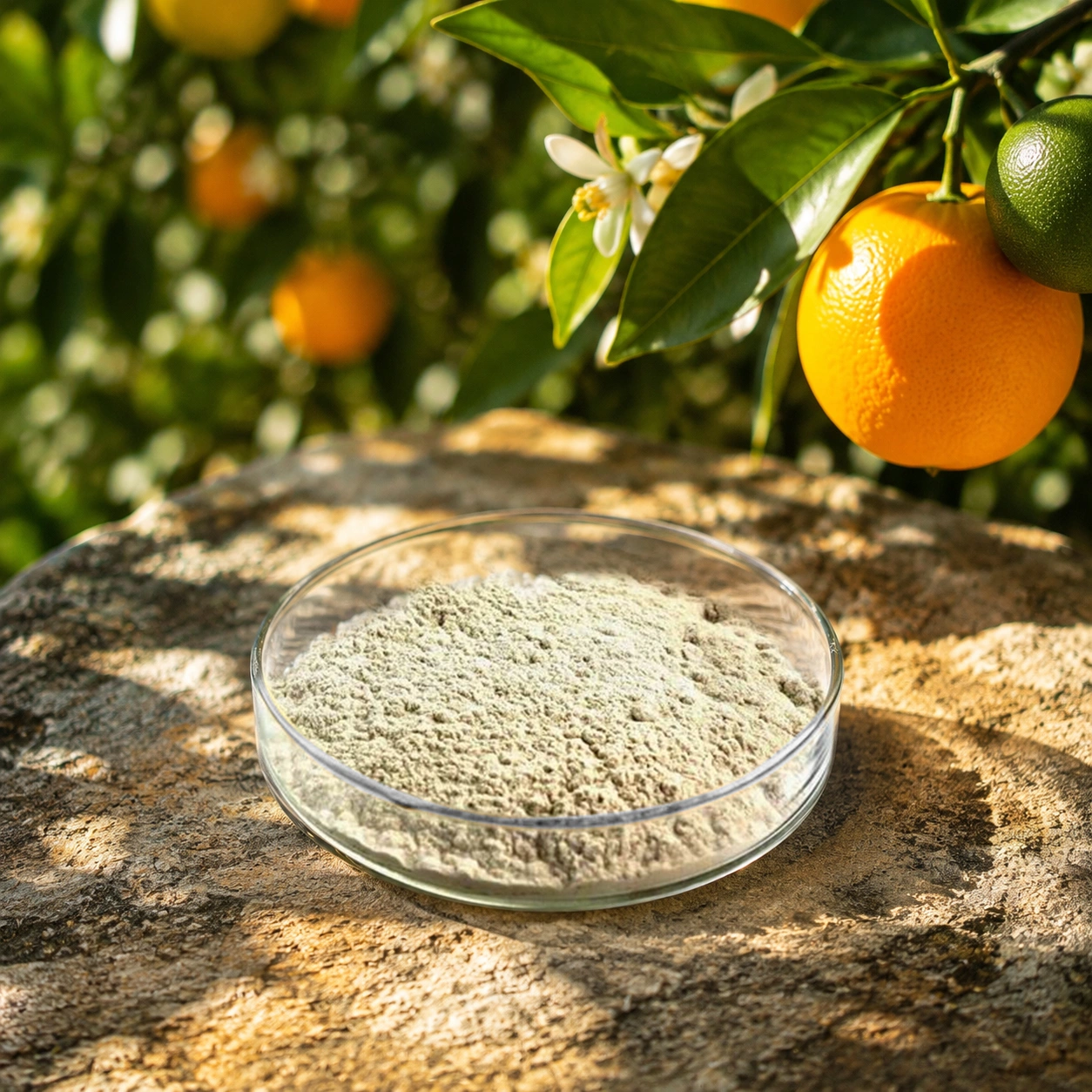
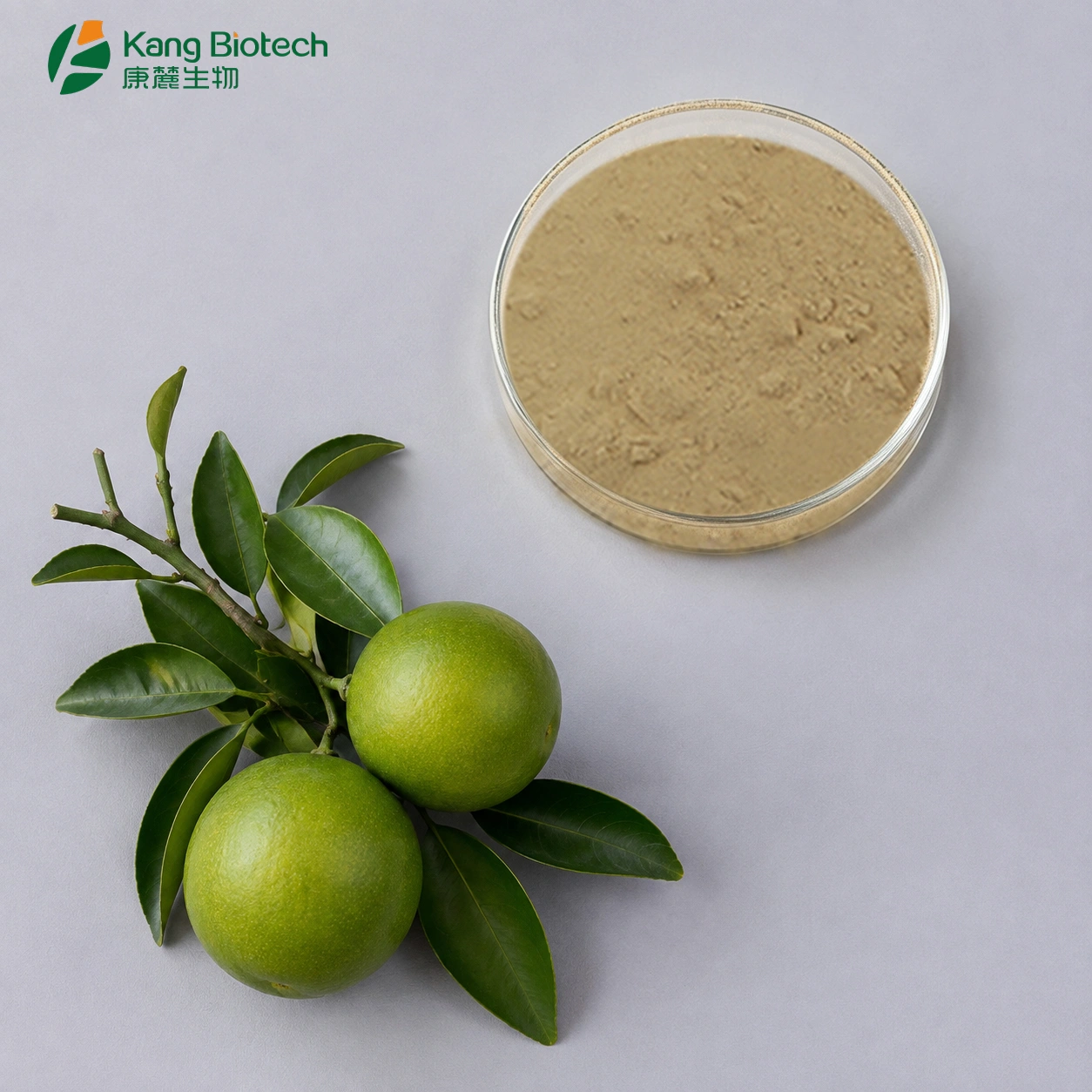
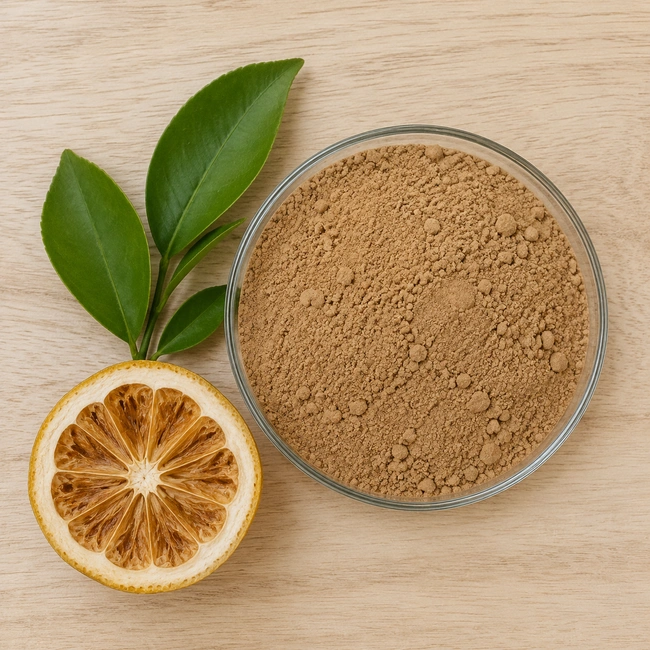
It is made up of hesperetin and a sugar called neohesperidose. Its CAS number is 13241-33-3, its EINECS number is 236-216-9, and its formula is C₂₈H₃₄O₁₅. That it can be found in bitter orange peel and other citrus fruits was written about in the Journal of the Science of Food and Agriculture in 2000. Orange sinensis L. is the plant that our neohesperidin powder comes from, and the powder is white or very light white. Neohesperidin dihydrochalcone has a different formula (C₂₈H₃₆O₁₅) and a different CAS number (20702-77-6). Do not mix them up. The two substances are not the same in taste, use, or government rules, even though their names look alike.
How We Produce It
Depending on what the customer wants, we make neohesperidin powder using either water extraction or ethanol extraction. Kang Biotech takes care of more than 20,000,000 m² of land in Lianyuan, Hunan Province, where the bitter orange plants we use grow. We can keep track of each lot from the farm to the box because we grow and process the crops ourselves. Every batch goes through HPLC tests before it ships. The HPLC range we offer is from 10% to 98%, with 98% being the norm. When you ask for the COA, let us know if your quality team needs data on residual solvents for material that was extracted with ethanol. We are going to see what we can do to assist.

Specifications at a Glance
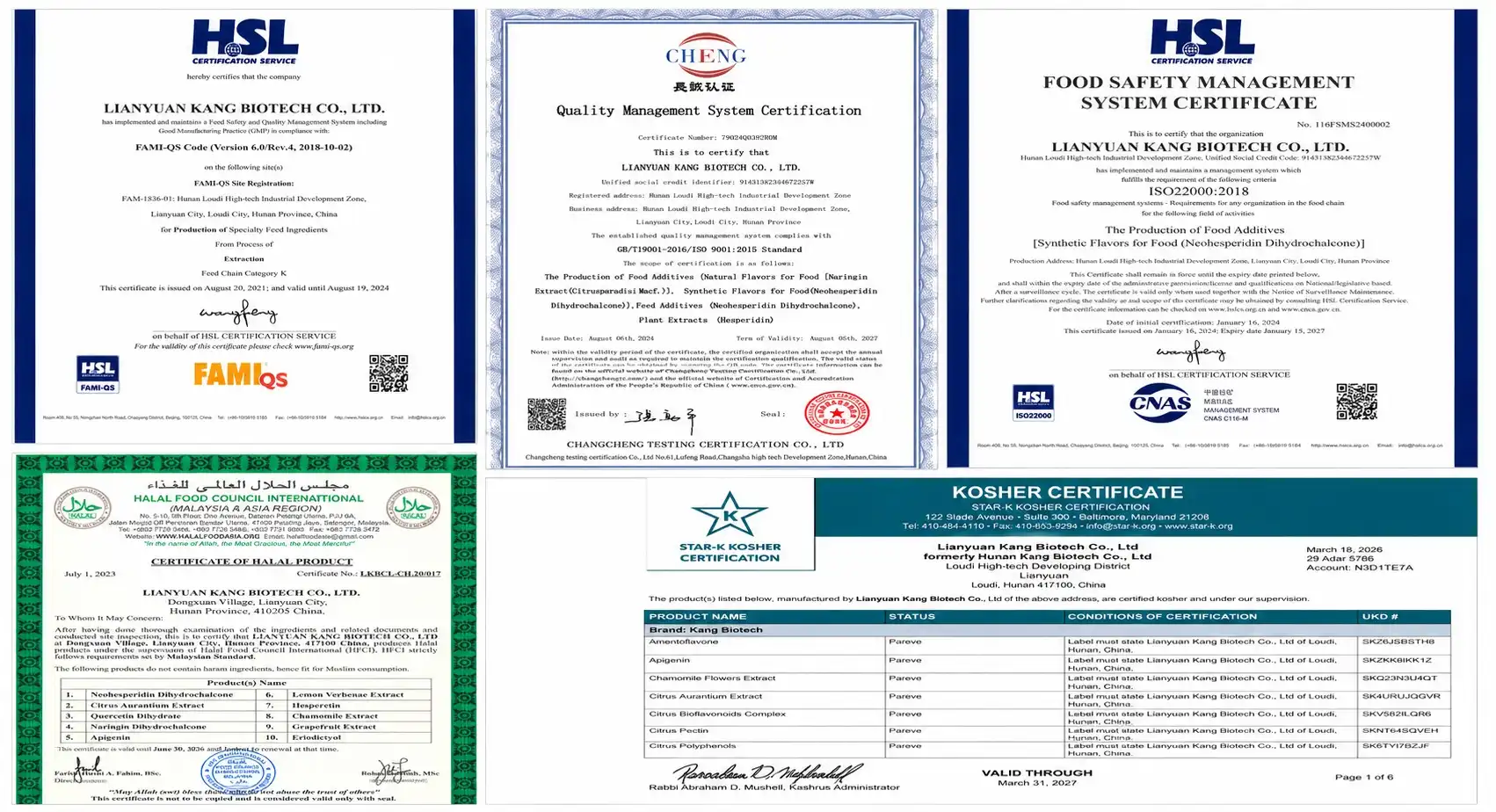
The standard product is neohesperidin powder that is 98% pure by HPLC. It comes in drums that hold 25 kg and can be sent in any size box you choose. You can try small amounts, and the smallest order you can make is 1 kg. We also offer OEM and ODM services, which include custom labeling, packaging, purity levels, and specifications. There are quality systems that are approved by ISO 9001, ISO 22000, HACCP, Halal, Kosher, and FAMI-QS that we use to make our goods. Every package that is sent comes with a COA and an MSDS. So that quality teams can plan their paperwork ahead of time, we make it clear that the grade is food grade and not pharmaceutical grade.
Neohesperidin Powder vs Hesperidin: Key Differences
Sugar Structure and Molecular Identity
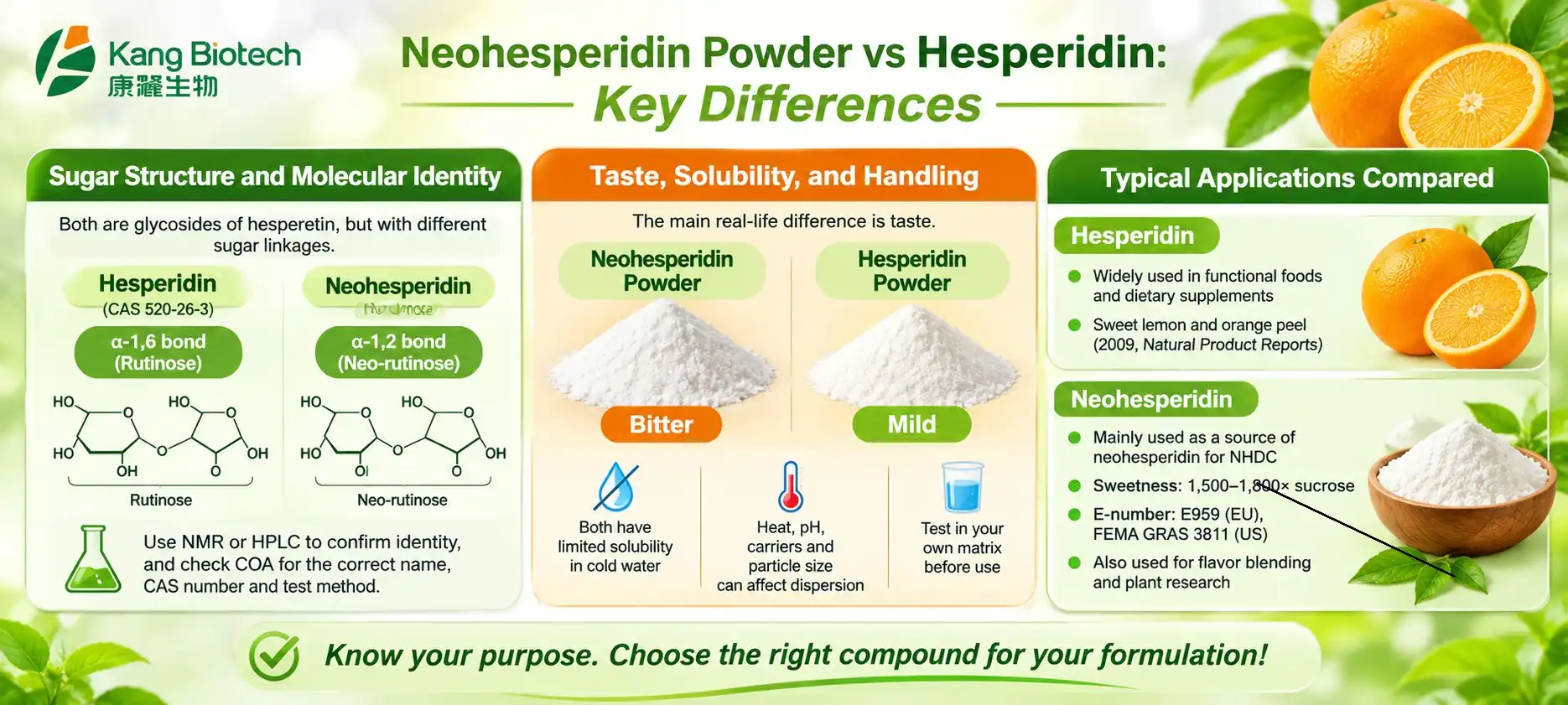
They are both glycosides of the flavanone hesperetin and are different forms of it. Hesperidin (CAS 520-26-3), a chemical, forms a α-1,6 bond between rhamnose and glucose. Rutinose is made this way. It is made up of the same two sugars that neohesperidin does. These sugars are connected by an α-1,2 bond. It's a different shape, but it has the same number of atoms and mass. This is important in the lab because a mass reading can't tell them apart on its own. NMR or HPLC is used to compare the retention time to a standard and make sure it is the same thing. When you buy neohesperidin powder, make sure that the COA has the correct compound name, CAS number, and test method written on it.
Taste, Solubility, and Handling
The main difference in real life is how things taste. They found that the 1,2 sugar linkage in citrus flavanones was connected to bitterness in a study that came out in the Journal of Agricultural and Food Chemistry in 1969. The 1,6 sugar linkage was linked to a profile that didn't taste good. No, that makes sense because neohesperidin is bitter and hesperidin doesn't taste like much. It's important to plan ahead for dispersion in liquids because both compounds don't mix well with cold water. Heat, pH, carriers, and particle size can all change how each powder works. To make sure everything works right, you should test the neohesperidin powder in your own matrix on a bench first.
Typical Applications Compared
It's mostly found in functional foods and dietary supplements since it doesn't taste very strong. A review that came out in 2009 in Natural Product Reports says that it has a lot of sweet lemon and orange peel. Neohesperidin powder follows a different path. It is mostly used in industry as a source of neohesperidin, which is used to make NHDC. Sugar is about 1,500 to 1,800 times sweeter than NHDC. Its E-number is E959 in Europe and FEMA GRAS number 3811 in the US. Neohesperidin is also used in small amounts to blend flavors and for research on plants. Know what you want to use it for before you ask for a quote. That way, you can get the right clean and paperwork.
Neohesperidin Powder Benefits, Uses, and Safety
Starting Material for NHDC Production
Companies that make sweeteners need to make sure they always have neohesperidin powder on hand because they need to make NHDC. People who process citrus fruits look for lots that are consistent, have 98% HPLC purity, and can be traced back to the citrus source when they make NHDC from raw materials. Our supply chain is fully integrated, from planting to extraction. This helps keep track of lots and make sure they are all the same. The grade we usually use is 98% HPLC. NHDC can change the taste of something or make it sweeter. Most of the time, suppliers only give low masking levels, like 10 to 30 parts per million (ppm) for bitter actives. In spite of this, the right amount of each active ingredient is different. Because conversion yield changes based on how you do things, you should do a test lot first.
Uses in Foods, Supplements, and Research
Manufacturers use neohesperidin powder to make nutrition bars, drinks with added vitamins, supplement capsules and tablets, and dry mixes. This review from 2001 in Current Medicinal Chemistry talks about how citrus flavonoids have been shown to be antioxidants in the lab as a whole. This is what a lot of the research is used for. The powder is not good for you. It can be used as both a research tool and an ingredient in a recipe. Drug research teams also use standard extracts like this one in lab studies. People who make personal care products might use it for items with antioxidant themes. Check the finished product for oxygen, heat, light, and pH all the time. Check out how the powder works with sugar and other things too.
Safety, Dosage, and Handling
Neohesperidin powder cannot be taken in a single dose. The format, the test, the matrix, the person you want to reach, and the rules in your market will all help you choose the right level. In the US, that depends on what it will be used for, so before it goes on sale, have regulatory or toxicology staff look it over. You should ask about people who are sensitive to citrus, drug interactions, pregnancy, breastfeeding, and kids using it. Food and Chemical Toxicology (1990) published a 13-week study on NHDC in rats. This is the only published toxicology study that talks about the sweetener that comes after the powder. So, don't think of it as clearance, but as background work. Follow the MSDS we send you on the factory floor. Keep an eye on the dust, protect your hands and eyes, close the drums, and write down the lot numbers.
How to Compare and Choose Neohesperidin Powder Quality
Read the COA Line by Line
It's not enough to just look at the purity number to know everything about neohesperidin powder. Check the batch COA to see the name, the HPLC test, the moisture level, the heavy metals, the microbial limits, and the residual solvents for lots that were extracted with ethanol. Get the batch number, the date it was made, the test method, and either the retest or expiration date. Then look at how closely the results for two or three lots from the same supplier group together. Having the same high number in all lots is more important than having one big number most of the time. When we ship something, it comes with a COA and an MSDS. If your quality system needs more test data, our team can ask for it.
Match the Grade to Your Application
Food and medicine have different grades. Our neohesperidin powder is safe for food use because it has a 98% HPLC level. People who need to buy drugs and need something that meets a Ph. People who want to use a drug master file or an EU or USP monograph should check with their regulatory team and let us know before qualification starts. We'll make a list of the things that our documentation does and does not cover. The HPLC test and being able to find the source are usually the most important things for people who process citrus fruits and make NHDC. Food and supplement brands often look at ISO 22000, HACCP, Halal, and Kosher certifications.
Confirm Fit With Samples and Trials
Ask for a sample before you buy a lot. From 1 kg on up, we offer samples of neohesperidin powder. You can use them to see how well they spread, dissolve, taste, color, and stay stable when pressed in real life. If particle size changes how you blend, encapsulate, or tablet, ask for particle size data and write it down next to what you think. Test at least two lots when consistency is important. In the long run, it will cost a lot more to change the formula after a short test. Move on to a pilot order once the powder fits, and make sure the specification is in the purchase agreement.
Neohesperidin Powder Procurement Guide for Global B2B Buyers
From Inquiry to Supplier Approval
You ask for a sample, the lab tests it, you place a trial order, and then you get approval. This is how you usually buy neohesperidin powder. Most citrus processors can get a trial order in just a few weeks. On the other hand, it takes pharmaceutical quality teams 60 to 90 days to find a supplier that meets their standards. Early on, fill out the forms. In the first message, include the application, the target grade, the purity, the estimated volume, the packaging needs, the destination, and the documents that are needed. Our tech team can look at that short list and make a suggestion for a specification. Also, they can find holes, like a grade difference, before they waste your time. Sending a full first message speeds up the whole process.
Supply, Packaging, and Delivery
We always have neohesperidin powder for sale. It takes 3 to 5 business days to send out most stock items, but up to 3 weeks for large or rare orders. We make sure you know the exact time when you place your order. Small orders are taken care of by express couriers, while bigger ones are sent by planes or ships. The package's size can be changed. Every pack comes in a 25 kg drum. Find the "landed cost," which includes the price of the item, the freight, the customs fees, the testing, and the time for quality control. This will help you compare quotes. It may not be worth it to pay a low price per kilogram when all of those costs are added up. To be fair, ask all of the suppliers for the same things.
Supplier Capability and Support
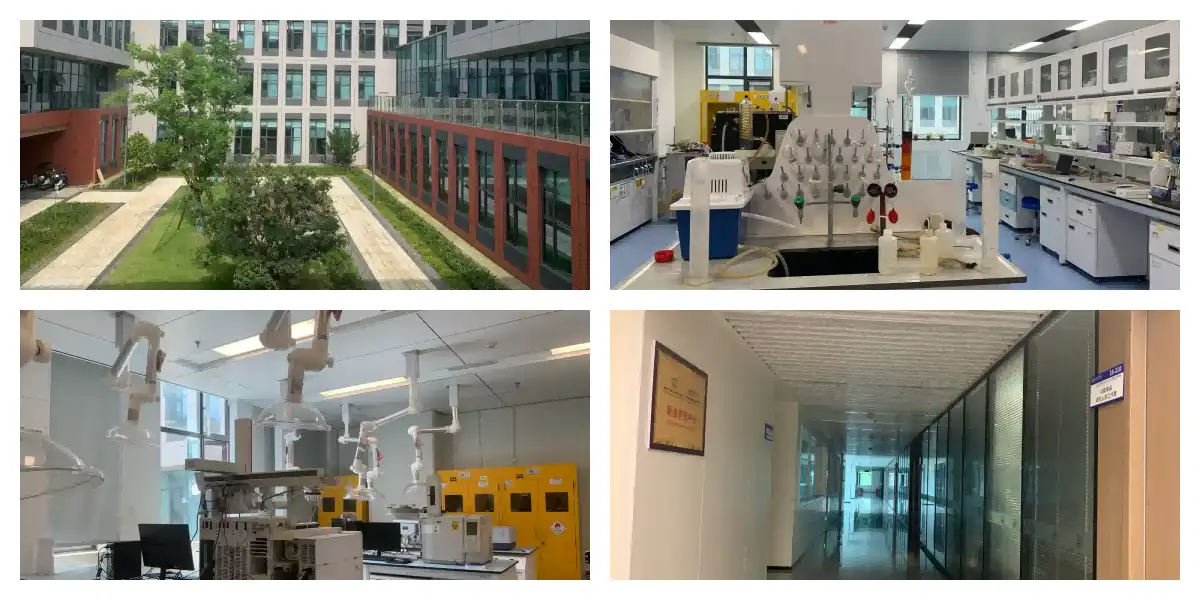
Kang Biotech has been around since 2011 and makes its own products, so you work directly with the person who makes them. Our tech team has been making neohesperidin powder directly for more than 20 years, so they know how to get fruit juice out of citrus fruits. There are 9 production lines in our 33,000 m² building. The Hunan Institute of Agricultural Product Processing and Quality Safety and we have also set up a Joint Research Center. We've sold to more than 40 countries. This team is here to help you pick a product, learn more about it, or get answers to your questions about how to use it. You can choose between OEM and ODM for different markets, and both can handle custom specifications, purity, packaging, and labeling.
Conclusion
Neohesperidin powder and hesperidin are different substances despite having the same molecular weight and formula. This is because of the sugar bonds that connect them. Neohesperidin is a bitter chemical that makes up NHDC. Hesperidin, on the other hand, has a supplement made from the ±-1,2 link that doesn't taste very good. It is possible to prove identity by chromatography because mass alone can't tell the difference. It is possible to compare quality as long as you have the right grade, batch COAs, and lot consistency. Food grade does not meet pharmaceutical requirements on its own. Dosage and safety depend on the product and the market. That's why regulators test and look over the formulation before the product goes on sale. The best deals are found when buyers know what they want to use the goods for right away, test samples, and compare landed cost instead of price per kilogram.
FAQ
1. Is neohesperidin the same as hesperidin?
The formula is the same, but the sugar links are different. This means that they taste, act, and can be used in different ways. Neohesperidin is sweet and bitter, and it helps make NHDC. Hesperidin, on the other hand, is mostly found in supplements because it doesn't taste good.
2. Is neohesperidin powder the same as NHDC?
Not at all. Neohesperidin is not used to make NHDC. Water is used to make it instead. NHDC is sweeter than sucrose and has its own CAS number (20702-77-6). Before you place an order, make sure you know what term a name refers to.
3. Is your neohesperidin powder pharmaceutical grade?
Our powder is safe for food because it has 98% HPLC. Let us know right away if your project needs a pharmacopeial grade. That way, your quality team can plan any extra steps. Our documentation will make it clear what it covers.
4. What are the minimum order and lead time?
You can try small amounts, and the smallest order you can make is 1 kg. For large or unique orders, it might take two to three weeks to ship. It takes 3 to 5 business days to ship items that are in stock. We let you know the time when you place your order.
Request Neohesperidin Powder Samples From Kang Biotech
Neohesperidin powder is made by Kang Biotech and is always available. They pack it in 25 kg drums and need at least 1 kg of it to be ordered. You can ask for samples. After you email sales02@kangbiotech.com with your application, target grade, volume, and where the product is going, our team will send you a quote, COA, and MSDS. You can also visit cnkangbiotech.com to see our selection of citrus ingredients.
References
1. Journal of Agricultural and Food Chemistry, 1969: "Taste and structure in phenolic glycosides."
2. Phytotherapy Research, 2001: "Chemistry and pharmacology of the citrus bioflavonoid hesperidin."
3. Journal of the Science of Food and Agriculture, 2000: "Flavanones, chalcones and dihydrochalcones: nature, occurrence and dietary burden."
4. Natural Product Reports, 2009: "Dietary phenolics: chemistry, bioavailability and effects on health."
5. Current Medicinal Chemistry, 2001: "Biological properties of citrus flavonoids pertaining to cancer and inflammation."
6. Food and Chemical Toxicology, 1990: "Subchronic (13-week) oral toxicity of neohesperidine DC in rats."

Send Inquiry
Related Industry Knowledge
- How Sweet Is Neohesperidin Dihydrochalcone Powder?
- Top Benefits of Apigenin Powder for Health and Wellness?
- NDHC: an updated review on a naturally derived sweetener and flavor potentiator
- NHDC Sweetener Guide: How Neohesperidin Dihydrochalcone Is Changing Low-Calorie Foods
- Naringin Dihydrochalcone: Advances in Applications and Research
- How Naringin Dihydrochalcone Supports Sugar Reduction
- Nobiletin Benefits for Brain Health and Metabolism
- 3 Health Benefits of Horny Goat Weed
- Apigenin: Health Benefits, Sources, and Safety
- What Is Naringenin Powder and How Is It Used?