
NHDC Sweetener Guide: How Neohesperidin Dihydrochalcone Is Changing Low-Calorie Foods
October 28, 2026
If you work in food or beverage formulation, you have probably noticed how hard it is to find a sweetener that checks every box—zero calories, clean taste, heat stability, and regulatory acceptance across multiple markets. Neohesperidin dihydrochalcone powder does exactly that. Derived from citrus flavonoids through water or ethanol extraction, this white crystalline ingredient (CAS No. 20702-77-6, 98% HPLC purity) is earning a firm place in sugar-reduced beverages, dairy products, confectionery, and nutraceuticals. This guide walks through what neohesperidin dihydrochalcone powder is, why it works, and what procurement teams need to know before sourcing it.
What Is Neohesperidin Dihydrochalcone (NHDC) and How Does It Work?
Origin and Chemistry
Bitter oranges (Citrus aurantium) have a flavanone glycoside called neohesperidin. It is converted into NHDC through hydrogenation in the presence of a suitable catalyst. This structural modification changes the sensory properties of the original compound and produces the characteristic sweet taste of NHDC. The resulting material is a white to off-white crystalline powder with a molecular formula of C₂₈H₃₆O₁₅ and a melting point of approximately 156–158°C. It is identified in the EU as E959 and is associated with FEMA No. 3811 in the United States.
How Sweetness Works at the Molecular Level
When it's very small, this molecule gives off about 1,500 to 1,800 times as much sweetness as sugar. Neohesperidin dihydrochalcone powder tastes different from many man-made alternatives because it starts out sweet and ends slowly with a cool note instead of a strong or bitter aftertaste.
Stability Across Processing Conditions
When it's dry, NHDC doesn't soak up water, and it stays the same temperature up to 160°C. It can also handle a pH level of 2 to 7.0. A lot of high-intensity sweets lose their usefulness when they are cooked, pasteurized, or treated with UHT. This one can.
Benefits and Applications of NHDC in Low-Calorie and Sugar-Free Foods
Why Formulators Choose NHDC
Because only ppm-levels of neohesperidin dihydrochalcone powder are used, no extra calories are added. Its low use level and high sweetness intensity make it useful for product lines designed to reduce sugar while maintaining an acceptable sweetness profile. Brands have to deal with sugar taxes in the EU, the UK, and Mexico. For those companies, this is very important.
The following characteristics make Neohesperidin dihydrochalcone powder special:
- Bitterness masking at 1–5 ppm: At very low concentrations, NHDC suppresses the bitter notes that come from stevia rebaudiosides, plant botanicals, hydrolyzed proteins, and mineral salts. This makes it valuable not just as a sweetener but as a flavor modifier in protein supplements, functional waters, and pharmaceutical syrups.
- Synergistic sweetness with blended systems: When paired with acesulfame-K, sucralose, or sugar alcohols, NHDC can amplify total perceived sweetness by up to 40%, which reduces the dosage—and cost—of each sweetener in the blend.
- Sweetness duration: Its slow-onset, long-lasting profile creates a rounder, more natural taste impression compared to the sharp spike-and-fade of saccharin or aspartame.
Application Range Across Categories
The things that NHDC makes are good in many ways. It can be evaluated in fizzy drinks, RTD teas, sports drinks, and fruit juices because of its sweetness and flavor-modulating properties. It can also be used in flavored milk, yogurt, and other reduced-sugar dairy or dairy-alternative products. In confectionery, it can be incorporated into candy and chewing gum, while cookies and cakes can be evaluated for use in baked formulations. NHDC is also relevant to protein shakes, plant-based nutrition drinks, botanical beverages, and other functional products where bitter ingredients need to be balanced.
NHDC vs. Other Natural and Artificial Sweeteners: A Comparative Analysis
Against Stevia
There are different kinds of stevia, and a lot of people use them. But, if you use too much, it can make things taste bitter and like licorice. Neohesperidin dihydrochalcone powder is frequently added at a level of 2 to 5 ppm to stevia-based products to get rid of any off-notes and improve the taste without adding more sugar. This means that the two things work better together than on their own.
Against Aspartame and Sucralose
Aspartame breaks down above 85°C, so it can't be used in foods that are cooked or filled with hot things. It stays stable longer than sucralose, but in some high-acid places it can give off a faint metallic note. NHDC is stable at high temperatures, doesn't react badly with acids or bases, and doesn't taste bad. There are times when having more than one sugar is important for both taste and process freedom. NHDC gives methods that only use one flavor a range of functions that they don't always have.
Supplier Quality Verification
If someone wants to buy neohesperidin dihydrochalcone powder, they should ask the seller for batch-specific COA data that shows the HPLC test was ≥98%, heavy metals (Lead <3 mg/kg, Arsenic <2 mg/kg), and total plate count <1,000 cfu/g. When labs like SGS or Eurofins check the goods, people trust them more. This is especially true for people who buy products that have been checked out by the FDA or EFSA.
Procuring NHDC Powder: What Global B2B Buyers Should Consider
Documentation and Compliance
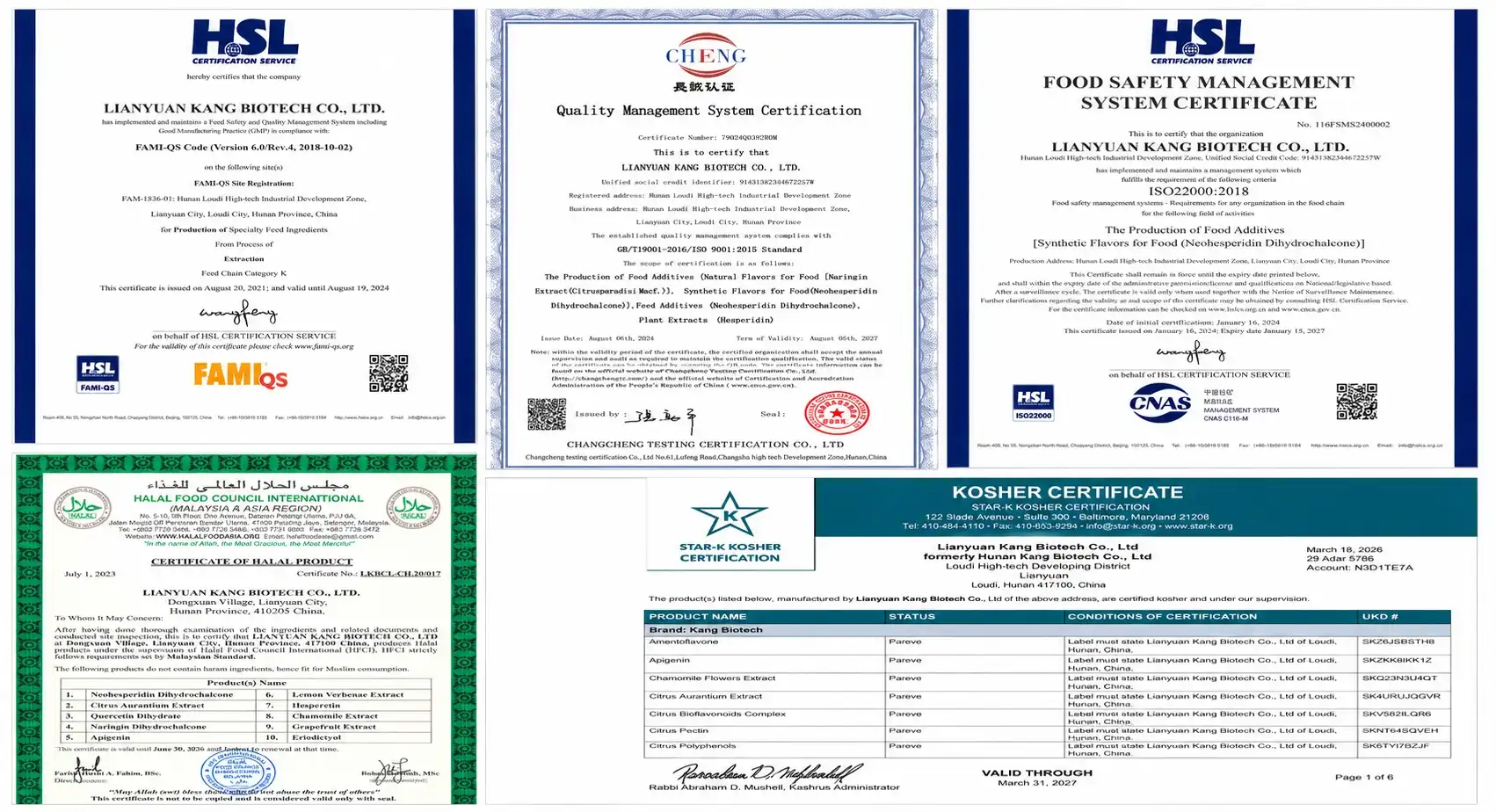
It should say E959 (EU), FEMA 3811 (USA), and GB 2760 (China) on the list of licenses for providers. Buyers who need to follow GRAS rules should ask for the FDA no-objection letter reference (GRN 902) to make sure they understand the full approval scope. This letter lets use amounts between 10 and 1,000 ppm in a number of different food groups. People who want to do business in Southeast Asia, the Middle East, and kosher shopping places must have halal and kosher licenses.
Ordering Terms and Lead Times
What the specifics of a real buying problem are. Because you can order as little as 1 kg, you can test it in the lab first before you decide to buy more. It weighs 25 kg per drum to ship. For goods that are already in stock, FedEx can send small orders within days. Depending on the time frame and budget, large orders can be sent by air or sea freight. There should be both DDP and FOB price levels so that teams that want to buy can get a good idea of how much it will cost to land all together.
What to Expect from a Qualified Supplier
Neohesperidin dihydrochalcone powder should be produced by a reputable company that has Halal and Kosher certifications as well as ISO 9001, ISO 22000, HACCP, and FAMI-QS certifications. With a COA difference of ≤1%, you can expect each batch to be the same. There should be more than just orders taken care of by technical support. They should also help with application advice, design ideas, and the paperwork that needs to be sent to the government.
Future Trends in NHDC Usage for Low-Calorie Foods
Growing Regulatory Pressure on Sugar
As taxes on sugar rise in North America, Europe, and Latin America, food companies have a direct financial reason to make their products less sweet. Over the next five years, more work will be done to change how foods are made with high-intensity sweets that have a good track record with the government. This is shown by the fact that NHDC has the number E959 and the number FEMA 3811.
Advances in Citrus-Derived Ingredients
More strict batch rules are in place for NHDC because better ways are being found to remove and clean it. It is easier for a company to keep up with rising demand if they have direct access to raw materials, like when they run farms that grow bitter oranges.
Expanding Functional Food Applications
Bitter tastes need to be hidden just as well as sweet ones in new areas like sports nutrition, plant-based dairy replacements, and healthy drinks. Neohesperidin dihydrochalcone powder can be added to products containing protein, botanical extracts, vitamins, minerals, and other ingredients that may create undesirable taste notes. This makes it relevant to protein shakes, plant-based health drinks, functional beverages, and other reduced-sugar products where improved palatability is important.
Conclusion
Neohesperidin dihydrochalcone powder is a food-grade ingredient that can help hide taste, stay stable at high temperatures, and work with different pH levels. There are government rules that say it's okay to use under E959, FEMA 3811, GRN 902 (FDA no-objection), and GB 2760. This is why most big stores let you. Supply chain managers who want to make sure everything is honest should use NHDC. So should research and development teams that want to make lines of products with less sugar. It's important to buy it from a business that says their products are clean, their instructions are clear, and they can get you help quickly.
FAQ
1. Is neohesperidin dihydrochalcone powder suitable for sugar-reduced products?
Yes. NHDC is used at very low levels and therefore contributes little to the overall caloric content of a finished product. It can be considered for reduced-sugar and low-calorie formulations, subject to the applicable product category and regulatory requirements.
2. How does NHDC differ from stevia in practical use?
Stevia often leaves behind a bitter or licorice taste when used in amounts that make food taste sweet. NHDC starts out slowly and gets better over time. It's clean at the end and gets cooler. It is often added to stevia mixes at a level of 2–5 ppm to get rid of those off-notes.
3. What documentation should I request from a supplier?
Ask for a COA that is specific to the batch and includes heavy metal analysis, HPLC test results, and data on microbes. These other things should be on regulatory records along with the FDA GRAS no-objection letter reference (GRN 902), the Halal and Kosher license, the FEMA 3811 title, and the E959 approval.
4. What is the recommended use level for bitterness masking?
There should be no sour taste after 1–5 ppm. In general, adding sweetness should be between 10 and 50 ppm, but this can change based on the product and how sweet you want it to be.
5. What is the shelf life of NHDC powder?
Neohesperidin dihydrochalcone powder has a shelf life of 24 to 36 months when stored in its original, covered container in a cool, dry environment.
Request a Sample of Kang Biotech's Neohesperidin Dihydrochalcone Powder
Since 2011, Kang Biotech has supplied citrus-derived ingredients made from bitter orange (Citrus aurantium). There are more than 20 million m² of bitter orange farms and a 33,000 m² factory with 9 different lines that these people are in charge of. From 1 kg for testing to full business quantities, Neohesperidin dihydrochalcone powder can be bought in any quantity. There's no doubt that we follow the rules set by ISO 9001, ISO 22000, HACCP, FAMI-QS, and Halal. If you want a sample, a COA, or help with formulating, email our team at sales02@kangbiotech.com or go to cnkangbiotech.com.
References
-
European Food Safety Authority (EFSA). Re-evaluation of neohesperidin dihydrochalcone (E 959) as a food additive. EFSA Journal, 2011.
-
Flavor and Extract Manufacturers Association (FEMA). GRAS Assessment of Neohesperidin Dihydrochalcone (FEMA No. 3811). 2020.
-
U.S. Food and Drug Administration. GRAS Notice No. GRN 902: Neohesperidin Dihydrochalcone. 2020.
-
European Pharmacopoeia (EP 9.0). Neohesperidin Dihydrochalcone Monograph. Council of Europe, 2017.
-
Kinghorn, A.D., & Compadre, C.M. Less Common High-Potency Sweeteners. In: Alternative Sweeteners, 4th ed. CRC Press, 2012.
-
Mooradian, A.D., Smith, M., & Tokuda, M. The Role of Artificial and Natural Sweeteners in Reducing the Consumption of Table Sugar: A Narrative Review. Clinical Nutrition ESPEN, 2017.

Send Inquiry
 powder.webp "Polymethoxylated Flavones (PMFs) powder")
Related Industry Knowledge
- How to Select a Bulk Naringenin Powder Supplier
- Apigenin for Sleep: What This Chamomile Compound Does
- NHDC Sweetener Guide: How Neohesperidin Dihydrochalcone Is Changing Low-Calorie Foods
- The Power of Naringin
- Naringenin Powder vs Naringin: Key Differences Explained
- Nobiletin Benefits for Brain Health and Metabolism
- Glucosyl Hesperidin Bulk Supplier: What Buyers Should Check
- Hesperidin: The Citrus Bioflavonoid that Supports the Brain & Heart
- Naringenin Powder in Dietary Supplements: Formulation Guide
- What Is Naringenin Powder and How Is It Used?