
Top Benefits of Apigenin Powder for Health and Wellness?
November 3, 2026
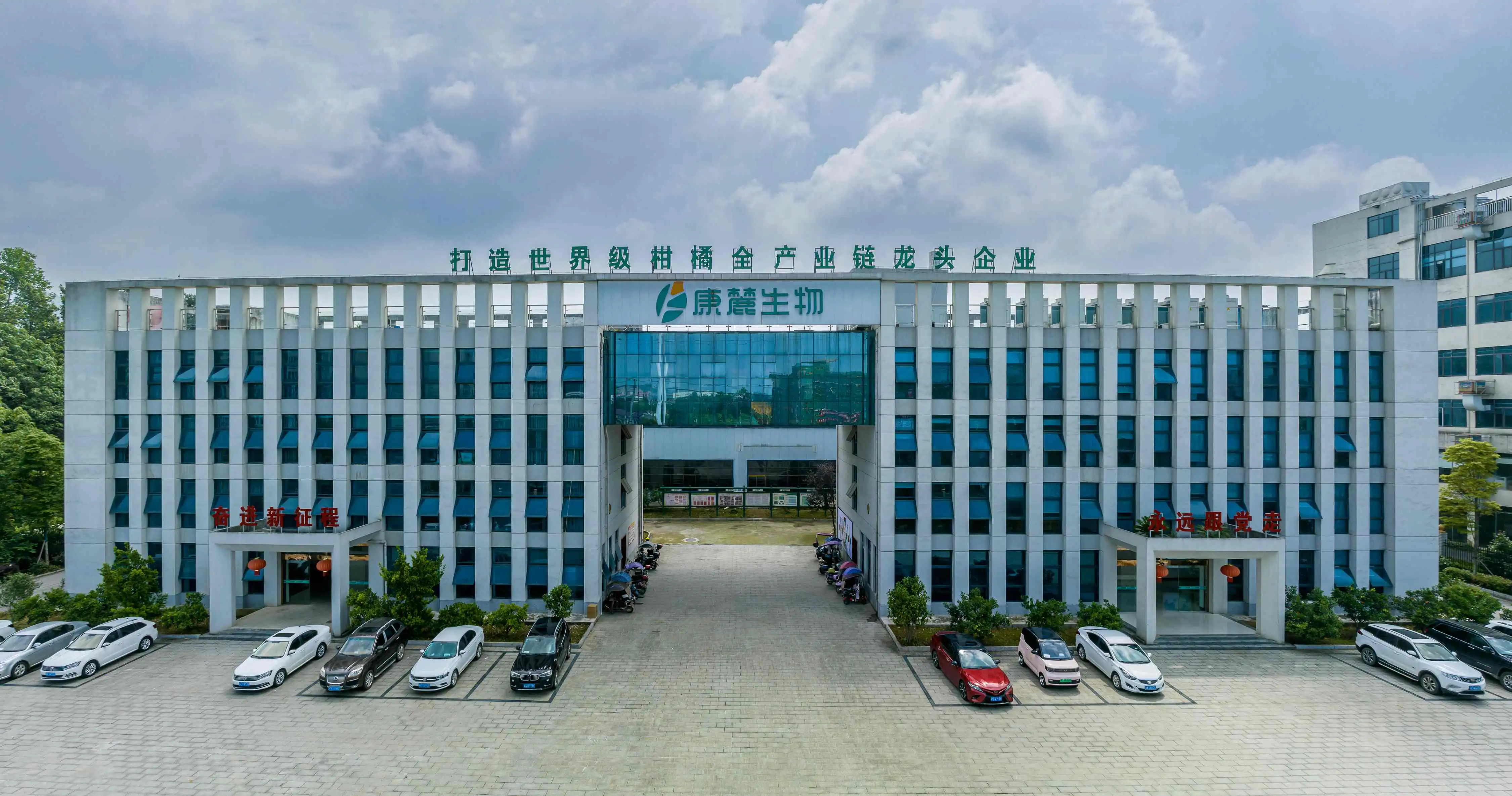
If you've been researching natural ingredients for sleep, relaxation, or antioxidant support, apigenin powder likely appeared on your list. This high-purity flavonoid—standardized to ≥98% by HPLC and derived from botanical sources including Citrus aurantium L.—has become one of the more discussed ingredients in nutraceutical formulation circles. At Kang Biotech, we've supplied apigenin powder to brands across 40+ countries since 2011. This guide covers what it does, why formulators choose it, and how to source it responsibly.
Understanding Apigenin Powder – Composition, Safety, and Usage
What Apigenin Actually Is
Apigenin powder (CAS No: 520-36-5) is a pure form of 4',5,7-trihydroxyflavone, a flavone that is naturally found in chamomile, parsley, celery, and citrus peel. Pharmaceutical-grade apigenin powder has a consistent active load—usually ≥98% by HPLC—unlike a crude chamomile extract that is standardized to 1–2% apigenin. This means that formulators who work with precise milligram dosing ranges don't have to worry about batch-to-batch variability.
Molecular Profile and Physical Properties
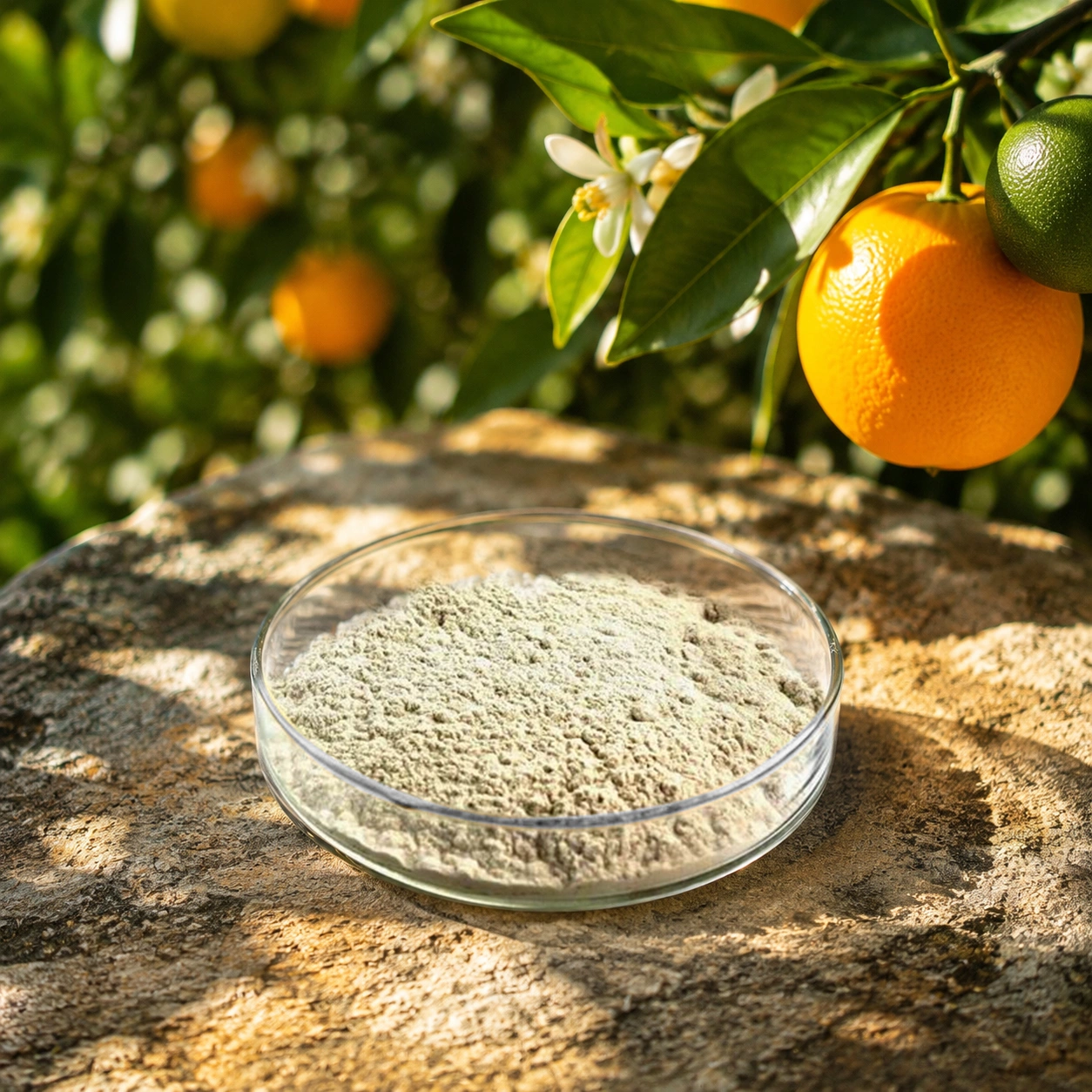
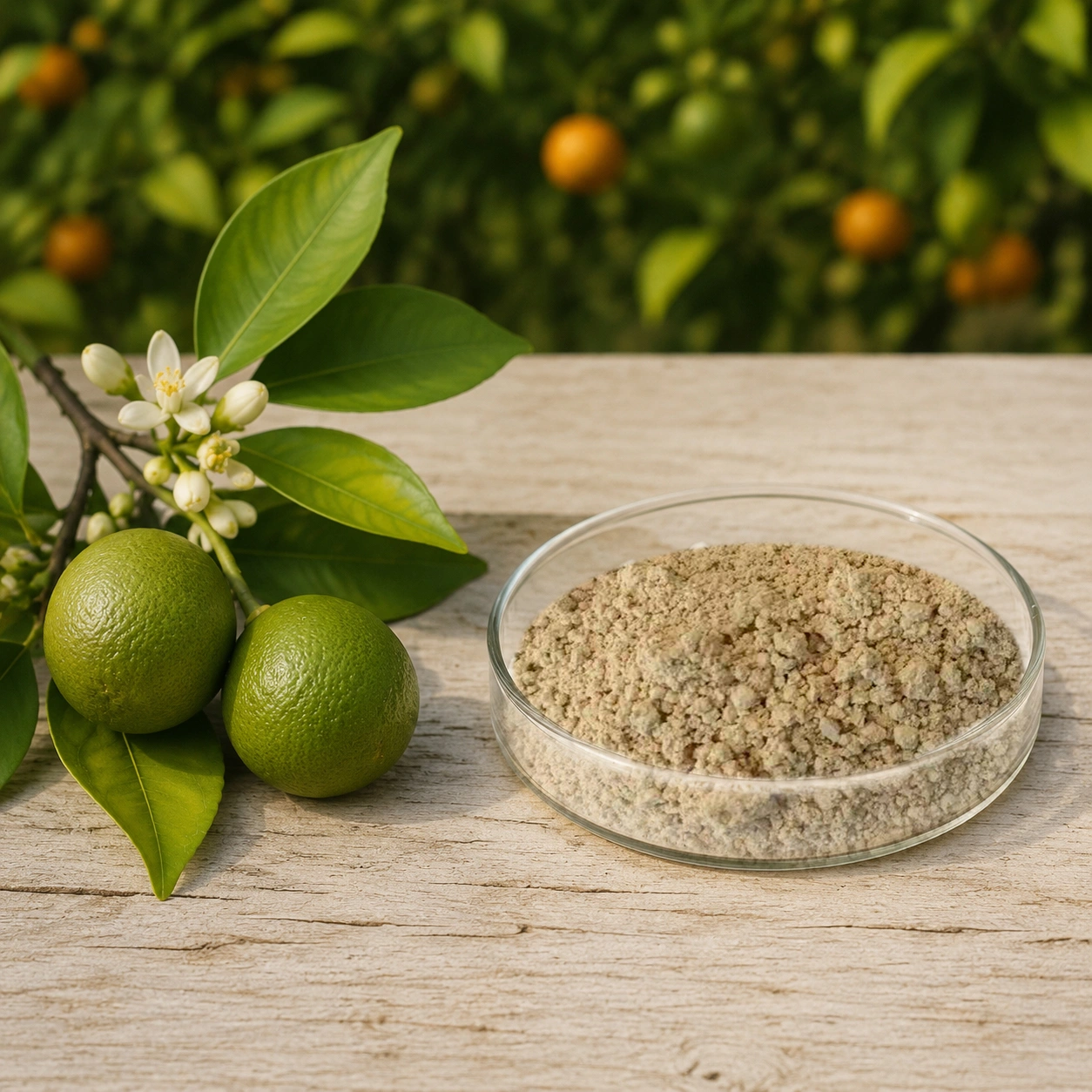
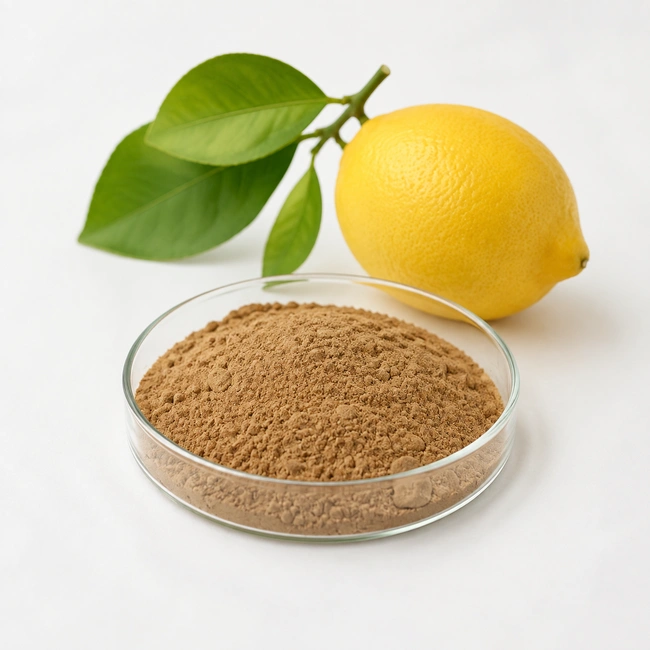
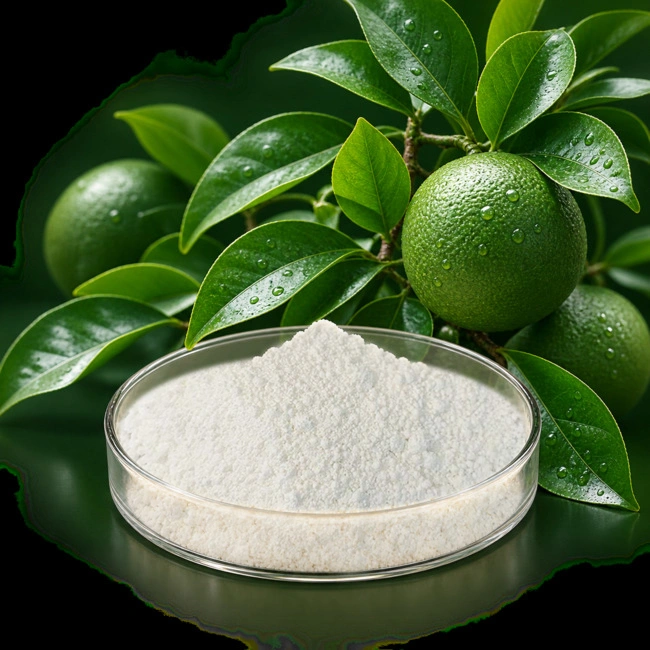
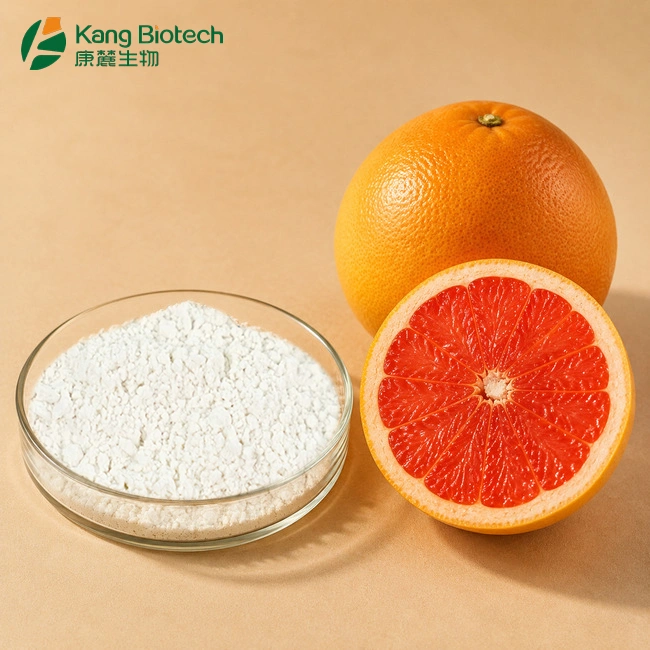
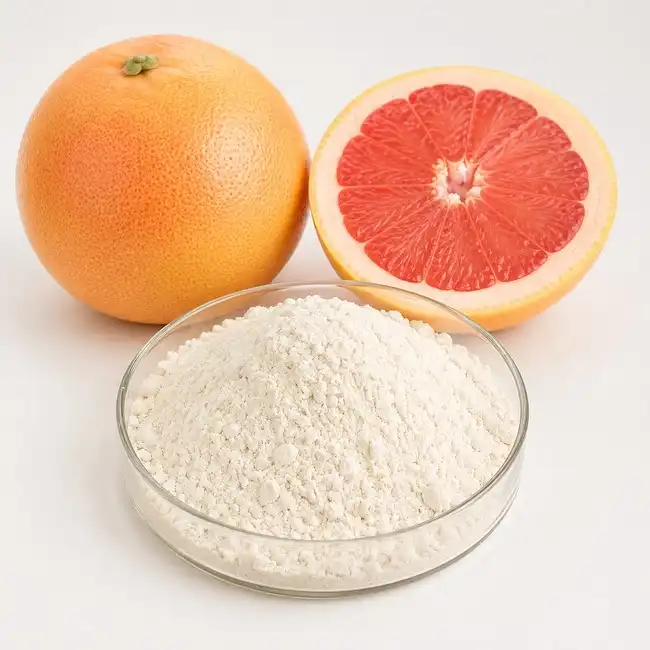
Apigenin powder has the molecular formula C28H34O15 and a melting point of 345–350°C. This means it is very stable at high temperatures and can be used for baking, encapsulation, and tablet compression. At 80–100 mesh, it looks like a fine, light yellow to yellow powder. It doesn't dissolve well in hot ethanol, but it does dissolve in DMSO and alkaline solutions. This directly affects how R&D teams choose carriers and design delivery systems.
Safety Considerations and Regulatory Context
Studies that are published in peer-reviewed journals always report a good tolerability profile at doses that are appropriate for the diet (usually 50–200 mg/day). FDA DSHEA (1994) says that apigenin powder is a structure-function claim ingredient in dietary supplements in the United States. It is not a drug. For the EU market, companies that use isolated apigenin powder at supplement doses higher than 10 mg/day should check the history of use before 1997 or check with the EFSA to see if the product is a novel food. Formulators should also be aware of the possibility of a CYP3A4 interaction and put the right label warnings on drugs that are taken together with sedatives.
Top Health Benefits of Apigenin Powder with Supporting Research
Apigenin powder is useful because it has been studied and approved by experts in the field. Here are the main areas of benefit that are backed up by recent research.
Antioxidant and Anti-Inflammatory Activity
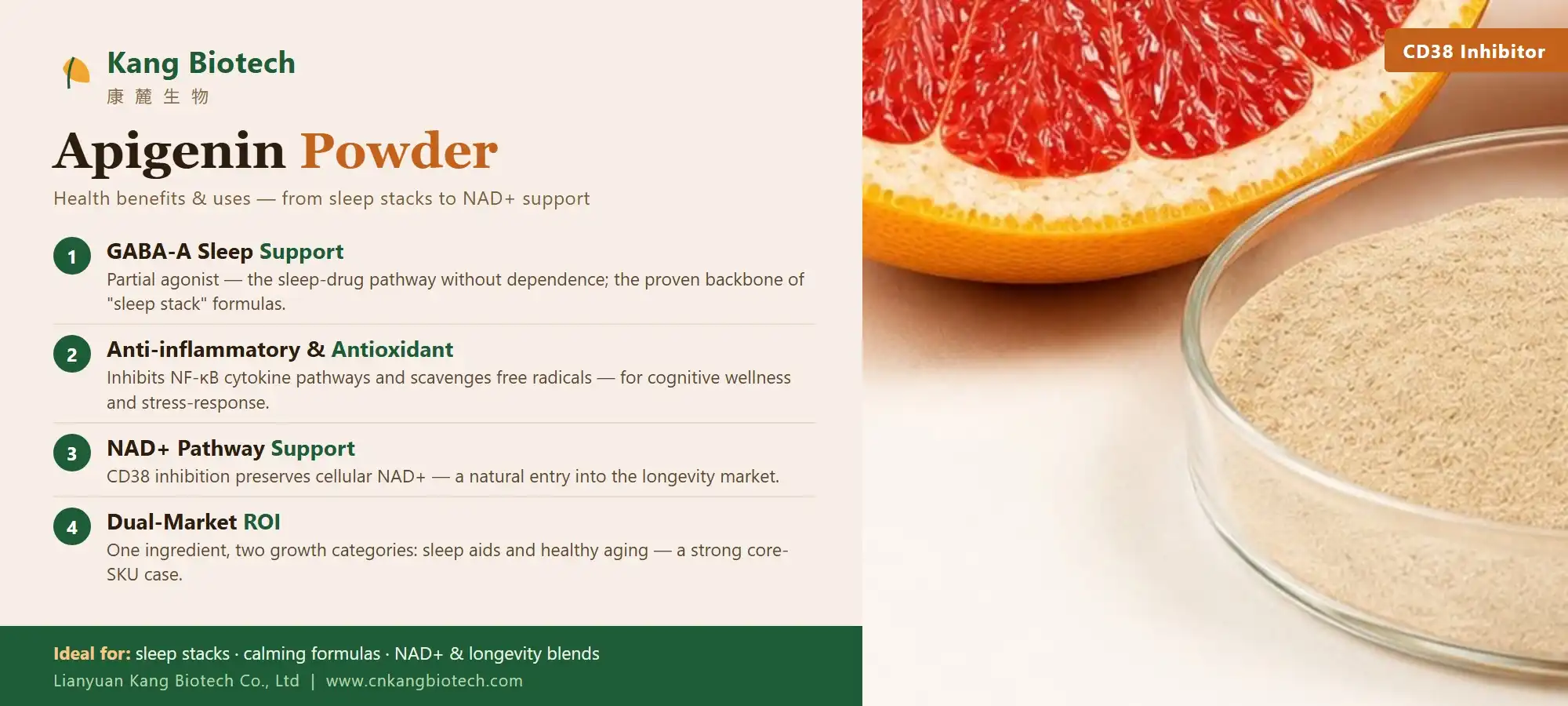
Through the hydroxyl groups at the 4' and 7 positions of the flavone ring, apigenin powder functions as a free-radical scavenger. Researchers have found that apigenin, quercetin, and curcumin all have about the same amount of antioxidant activity. However, some studies show that apigenin is more selective for some oxidative stress pathways. Because of this, apigenin powder can be used as an ingredient in anti-aging and daily wellness products that target oxidative stress.
Relaxation, Sleep Support, and GABA Receptor Modulation
One of the most important things about apigenin powder for business is that it interacts with GABA-A receptors. These are the same receptors that benzodiazepines target, but without the risk of addiction. A study in Nature (Viola et al., 1995) found that apigenin binds to central benzodiazepine receptors, which supports its ability to reduce anxiety. This makes apigenin powder a scientifically sound ingredient for natural sleep and stress relief products, especially when mixed with magnesium, L-theanine, and GABA, which is a combination that supplement brands catering to white-collar workers and Gen Z are quickly adopting.
NAD+ Support and Cellular Health
The enzyme CD38, which breaks down NAD+, is inhibited by apigenin powder. In 2016, Camacho-Pereira et al. led research that showed that blocking CD38 raises NAD+ levels in tissue models. This puts apigenin powder in a unique position—it is both a compound that helps you relax and an ingredient that makes cells last longer. This dual positioning has real business value for brands making anti-aging or biohacking SKUs.
Comparing Apigenin Powder with Other Supplements and Formats
Apigenin Powder vs. Crude Botanical Extracts
The active ingredient in a 10% chamomile extract and a ≥98% apigenin powder is the same, but that's all they have in common. It takes 10 times as much of the crude extract to give the same amount of active ingredient. It also contains plant waxes and chlorophylls that might make the mixture less stable, and there is more difference from lot to lot. Apigenin powder with a 98% HPLC purity level allows for more precise dose control, a cleaner capsule fill, and a more reliable stability profile over the course of its shelf life.
Apigenin vs. Quercetin and Curcumin in Relaxation Formulas
It is known that quercetin and curcumin are protective flavonoids, but they don't work with GABA-A receptors like apigenin does. For sleep and mood preparations, apigenin powder has a specific role to play. Curcumin is better at reducing inflammation, while quercetin is better for allergy and heart conditions. Along with magnesium glycinate and L-theanine, apigenin powder is a natural way to help you relax and sleep. Its GABA receptor activity gives formulators and scientifically savvy customers a good explanation for how it works.
Powder Format vs. Encapsulated Forms
Apigenin powder in bulk (25 kg/drum) gives manufacturers the most options because it can be made into capsules, tablets, powder blends, and sachets. Pre-encapsulated apigenin products are convenient for smaller brands, but they make it harder to change the dose or mix compounds. When OEM/ODM clients are making their own formulas, buying apigenin powder in bulk and directing the encapsulation process themselves gives them more control over dosing accuracy, choosing the right excipients, and making sure that the label claims are legal under DSHEA.
Procurement Insights – How to Source High-Quality Apigenin Powder
It's not as easy as placing an order on a commodity platform to get apigenin powder for commercial use. There are real changes in quality between providers that can be measured.
When expert procurement managers look at apigenin powder sources, these are the things they look at:
- HPLC assay documentation: The COA should confirm ≥98% assay by HPLC, with the test method clearly stated. Any supplier unwilling to share method details warrants caution.
- Heavy metals and pesticide residue testing: Results should show heavy metals below 10 ppm and pesticide residues within regional regulatory limits (EU, US EPA, or equivalents). These numbers matter for market access.
- Botanical traceability: Reputable suppliers can trace apigenin powder back to a specific plant source—whether Citrus aurantium, chamomile flowers, or parsley—with field-level documentation. This matters for clean label claims.
- Certifications: ISO 9001, ISO 22000, HACCP, Halal, and Kosher certifications indicate a manufacturing environment with documented control systems, not just quality promises.
- NDA and formula protection: Brands developing proprietary blends should verify that suppliers offer Non-Disclosure Agreements and protect client formulation data.
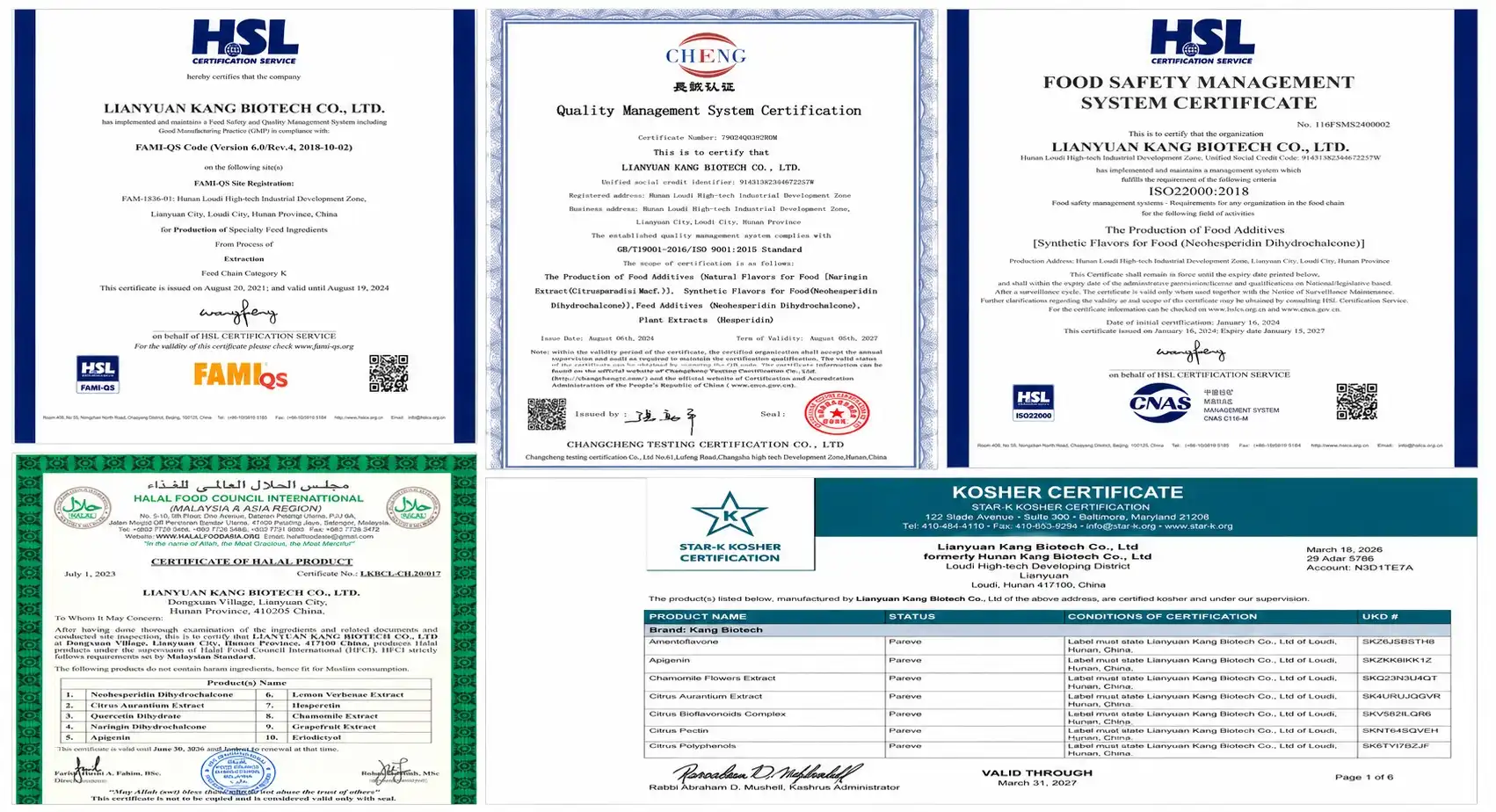
If your product is going to have structure-function claims, be tested by a third party, or go into markets that are Health Canada NPN or EU-compliant, you can't break these rules. Every batch of apigenin powder made at Kang Biotech is only released after it has been tested for heavy metals, microbes, and HPLC.
Once these are done, logistics will be the next thing to think about. Apigenin powder is always in stock, and you can order as little as 1 kg at a time. Small R&D orders are sent by FedEx, while business packages go by air or sea with all the necessary paperwork.
Maximizing Business Value – Integrating Apigenin Powder into Your Product Line
Apigenin powder is being added to more and more products by brands at a time when people are clearly becoming more interested in non-drug ways to help them sleep and relax. According to statistics from IRI from 2023, the category of sleep supplements in the US grew by more than 10% each year.
Apigenin powder naturally works in a number of different product forms. The amount that works well in food supplements is 50 to 150 mg per pill or tablet. Its heat stability means that it can be used in useful foods like bars and baked goods without breaking down much. It works well with magnesium, L-theanine, GABA, and passionflower extract to make a multi-mechanism relaxation formula that is added to supplements.
Our R&D team can help brands working with Kang Biotech on OEM/ODM projects change the particle size, test for stability, and make legal documents. We offer recipe advice from the first sample request all the way through commercial production. The sample and R&D phase lasts 30 to 60 days, and the path to full production takes 90 to 180 days.
Quality control doesn't end with where the ingredients come from. When adding apigenin powder to a finished product, formulators should get it tested by a third party for stability under fast conditions, make sure that the label claim is legal under DSHEA, and keep records of each batch for future audits.
Conclusion
Apigenin powder has a place in modern nutraceutical formulation because the science behind it is sound, the ingredient can be used in ways that consumers want, and it falls into a clear functional category. This flavonoid works in a number of ways that are important to the wellness market today. For example, it can change GABA receptors to help with natural sleep and stop CD38 from working to support NAD+ levels. A trustworthy product is different from a generic blend because it comes from a manufacturer that has been checked out and is certified. The element works, but only if it comes from the right place.
FAQ
1. What is the standard dosage of apigenin powder in supplements?
Apigenin powder, which has 50–150 mg per dose, is used in most food supplement products. For accurate doses at this level, you need material that is ≥98% HPLC-standardized. Lower purity grades cause too much variation for the label promises to be true.
2. Does apigenin powder interact with medications?
Yes, CYP3A4 enzymes, which break down many drugs like sedatives and some antidepressants, have been shown to combine with apigenin powder. Formulators should make sure that product labels have the right warnings and that retailers and healthcare advisors have access to supporting literature.
3. What certifications should I require from an apigenin powder supplier?
Ask for at least ISO 22000, HACCP, and a full COA with HPLC results, heavy metal results, and pesticide residue data. Getting Halal and Kosher licenses can help you get into more markets.
4. What is the shelf life of apigenin powder?
At room temperature below 25°C and covered in cases that don't let light in, apigenin powder stays fully active for 24 months. Since apigenin is photosensitive, UV light speeds up the breakdown process.
5. Can apigenin powder be used in beverages?
Standard apigenin powder doesn't mix well with water. To get the right amount of distribution and bioavailability in water-based uses, R&D teams should think about using cyclodextrin inclusion complexes or liposomal transport.
Partner with Kang Biotech for Your Apigenin Powder Supply
Kang Biotech is a straight producer of apigenin powder that has been in business for over 11 years and has a fully integrated fruit supply chain in Hunan Province. We have apigenin powder that is at least 98% pure according to HPLC, it ships right away, and it comes with all the regulations, COAs, and MSDSs you need. OEM/ODM preparation help is offered for orders of 1 kg or more. You can email our technical sales team at sales02@kangbiotech.com or go to cnkangbiotech.com to ask for a sample or talk about your product needs.
References
1. Viola, H., et al. "Apigenin, a component of Matricaria recutita flowers, is a central benzodiazepine receptors-ligand with anxiolytic effects." Planta Medica, 1995.
2. Camacho-Pereira, J., et al. "CD38 Dictates Age-Related NAD Decline and Mitochondrial Dysfunction through an SIRT3-Dependent Mechanism." Cell Metabolism, 2016.
3. Shukla, S., & Gupta, S. "Apigenin: A Promising Molecule for Cancer Prevention." Pharmaceutical Research, 2010.
4. Salehi, B., et al. "The Therapeutic Potential of Apigenin." International Journal of Molecular Sciences, 2019.
5. Wang, M., et al. "Antioxidant and anti-inflammatory activities of apigenin and related flavonoids." Food Chemistry, 2021.
6. Ullah, A., et al. "Important Flavonoids and Their Role as a Therapeutic Agent." Molecules, 2020.

Send Inquiry
Related Industry Knowledge
- How to Select a Bulk Naringenin Powder Supplier
- Apigenin for Sleep: What This Chamomile Compound Does
- How Sweet Is Neohesperidin Dihydrochalcone Powder?
- Exploring Antioxidant Applications of Polymethoxy Flavonoids Powder
- Neohesperidin Powder: Uses, Benefits and Applications
- What Are the Benefits of Naringin?
- Glucosyl Hesperidin Bulk Supplier: What Buyers Should Check
- Apigenin: Health Benefits, Sources, and Safety
- Exploring Hesperetin Powder for Modern Cosmetic Formulation
- What Is Naringenin Powder and How Is It Used?