
What is Neohesperidin Dihydrochalcone?
November 5, 2026
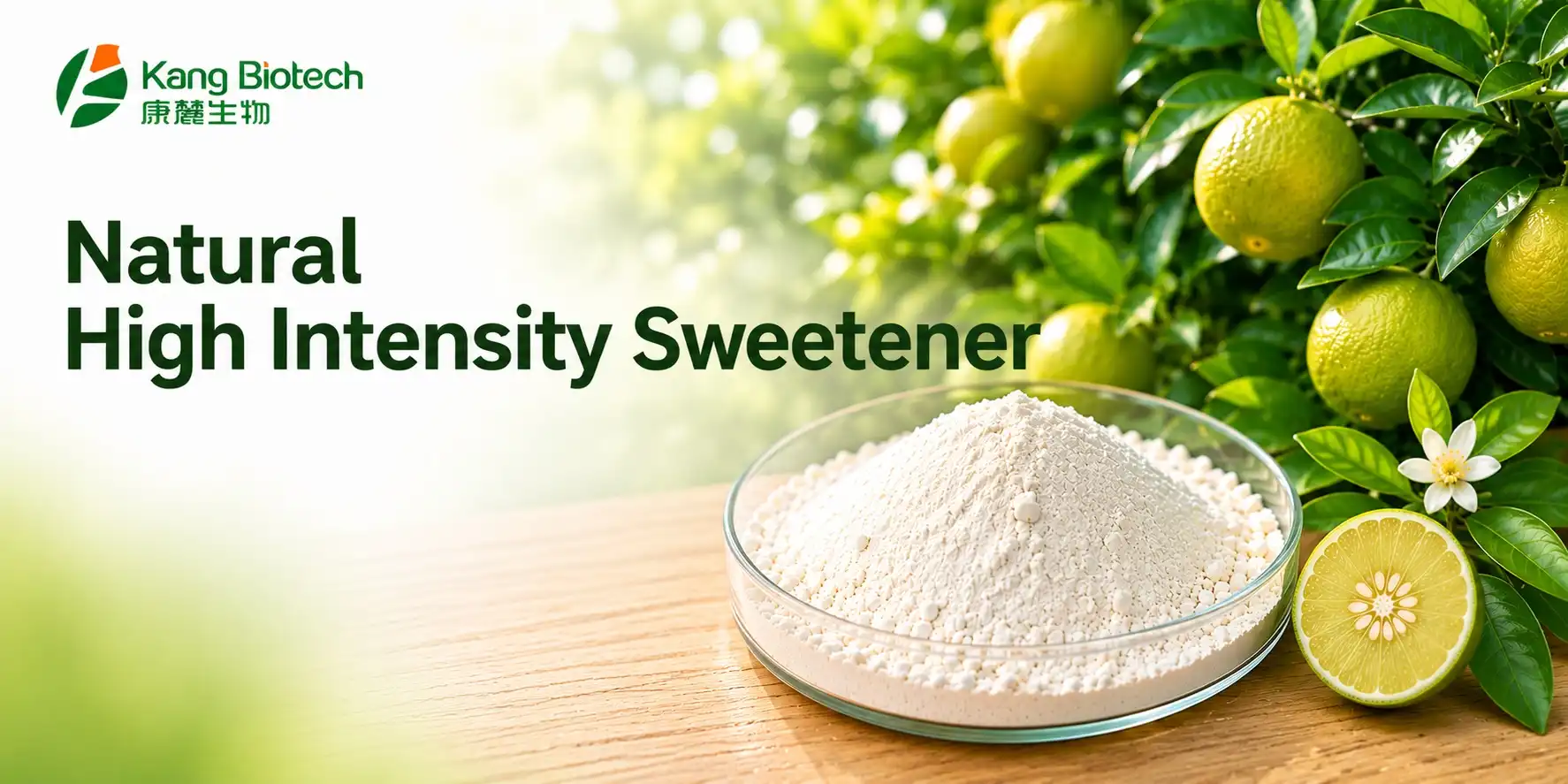
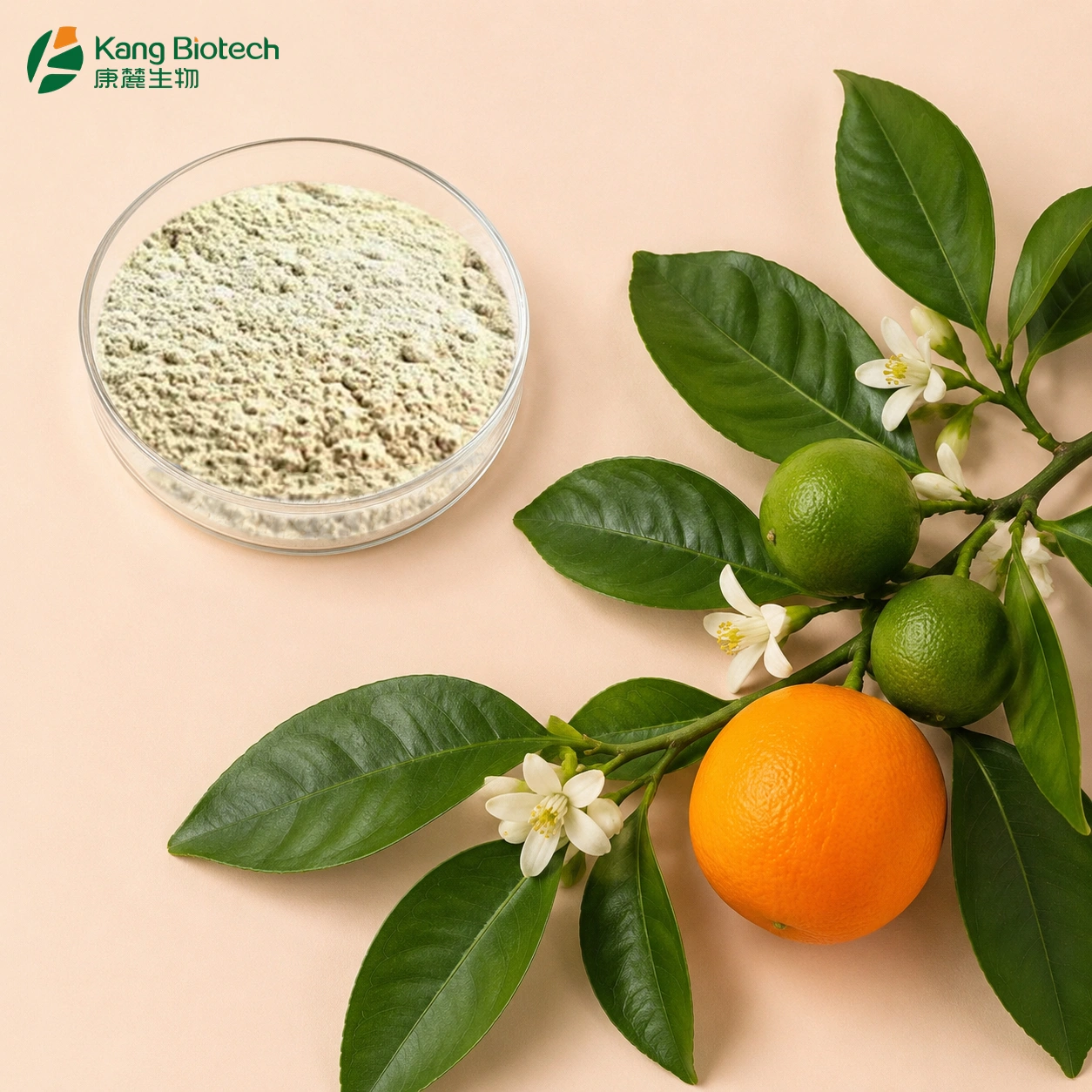
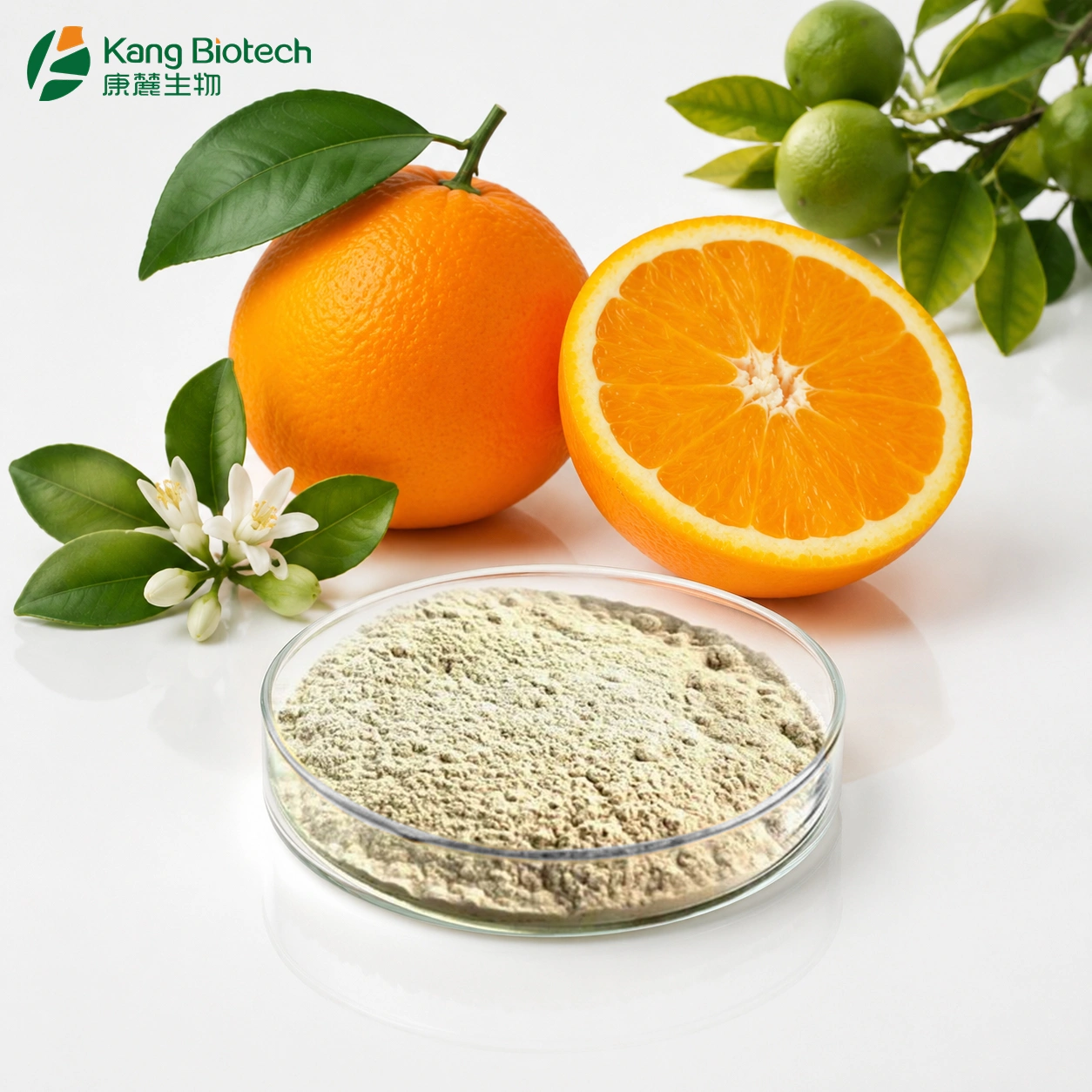
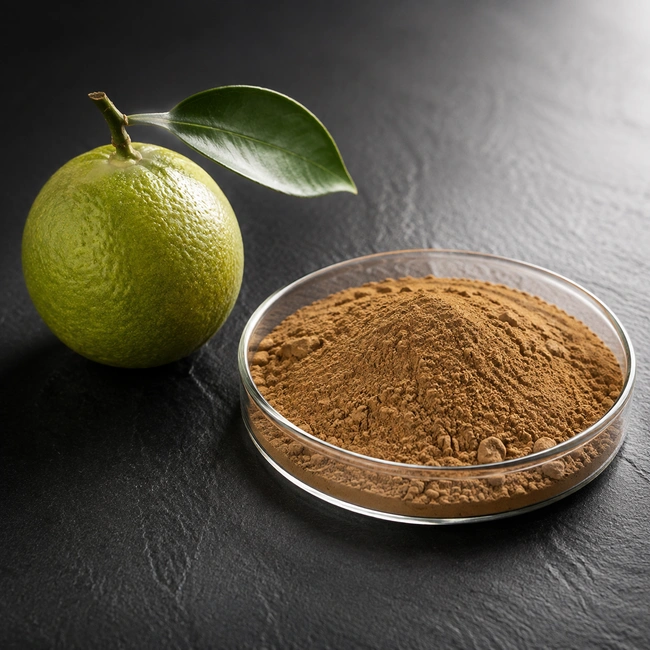
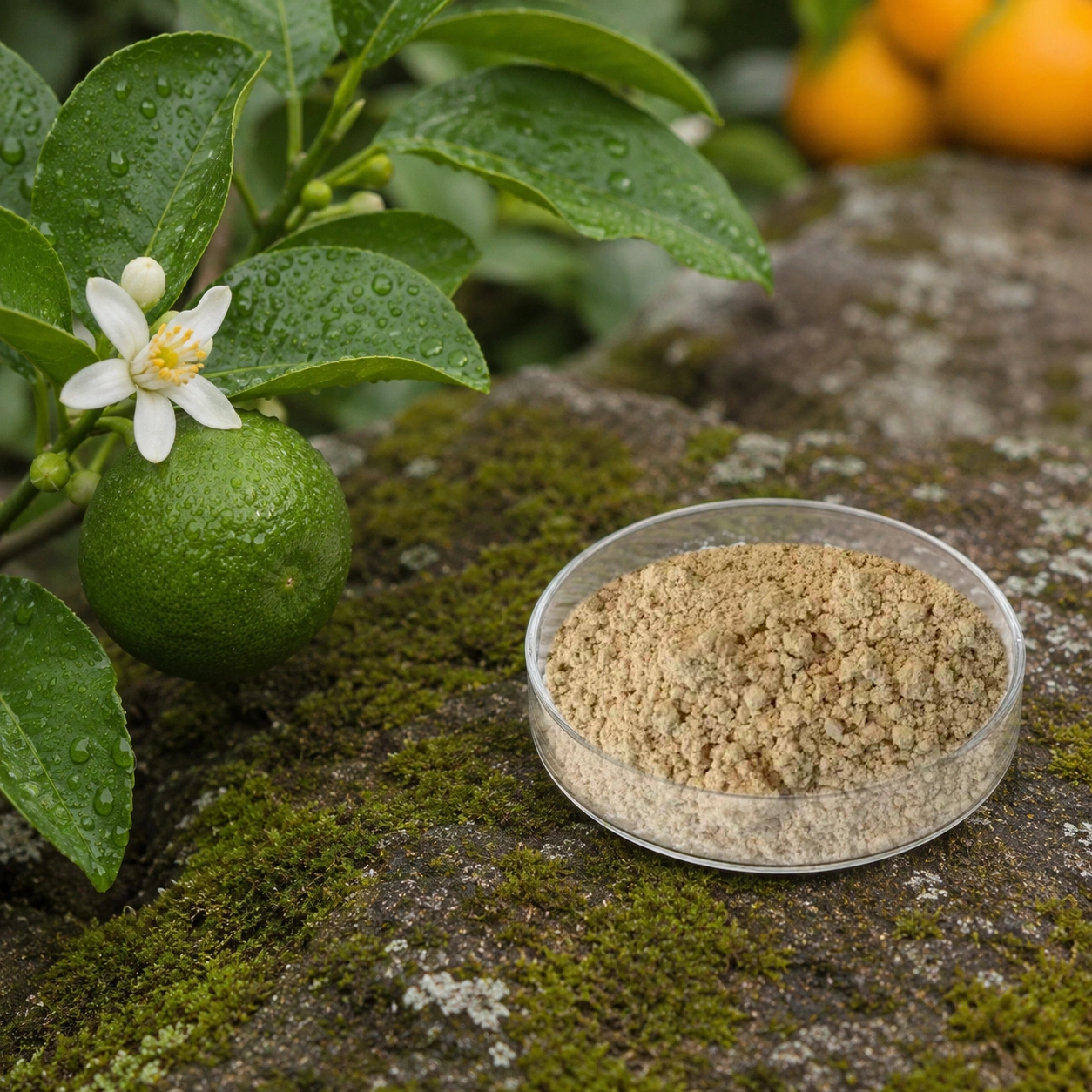
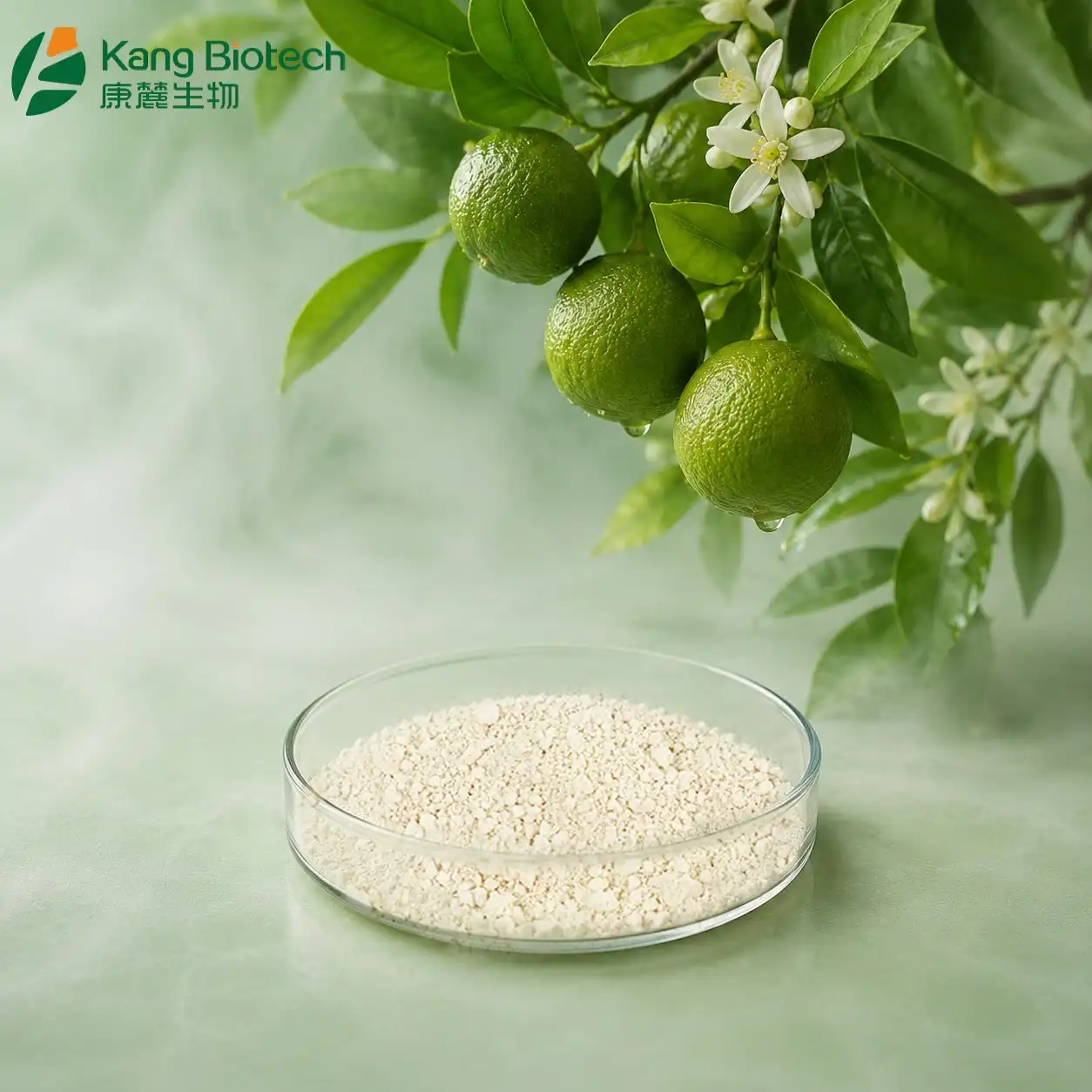
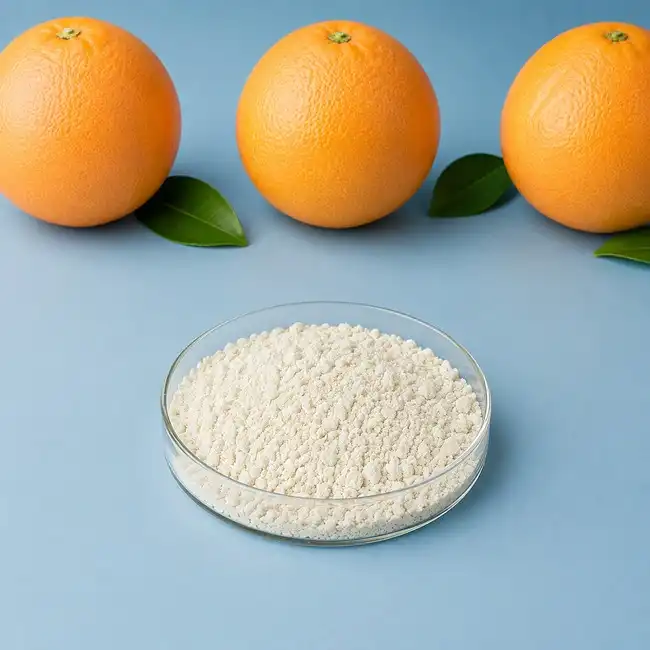
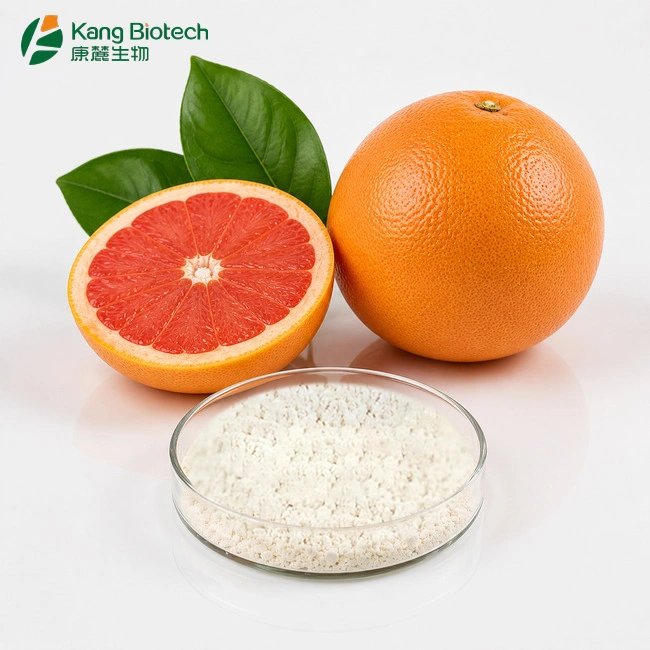
Neohesperidin dihydrochalcone (NHDC) is a strong sweetener and flavour modifier developed from the flavonoid neohesperidin, naturally present in bitter oranges. Neohesperidin dihydrochalcone powder CAS 20702-77-6 is white to off-white, and it is 1,500 to 1,800 times as sweet as sucrose. It is also used to mask the harsh, metallic tastes in low-sugar drinks, vitamins and dental care products. This page gives an insight into what NHDC is, where it fits, the US requirements and how to check out a source before purchasing.
What Are the Main Benefits of Neohesperidin Dihydrochalcone Powder?
Sweetness From Neohesperidin Dihydrochalcone Powder at Low Doses
NHDC is regarded first since it has a lot of sweetness per gram. It is 1,500 to 1,800 times sweeter than sucrose therefore only a few parts per million may alter the perceived sweetness of a beverage. The matrix says that the normal sweetening range is 10-50 ppm. That tiny dose makes the composition a lighter and more compact one. Neohesperidin dihydrochalcone powder is packaged in 25 kilogram drums, which allows a large amount of finished product to be packaged and lowers the cost of goods sold per serving. The dose is so little that NHDC doesn't add much in the way of bulk. Best added to dishes that do add bulk and not used in place of sugar on its own.
Bitterness and Metallic Note Masking
NHDC changes other tastes also. It may reduce bitterness of protein supplements, plant extracts and medicinal syrups at 1 to 5 ppm levels . When blended with other sweeteners it helps disguise the harsh or metallic aftertaste of certain potent sweets. A formulator may utilise Neohesperidin dihydrochalcone powder to fix a flavour problem without sweetening the product more than is wanted, since it works for taste correction at a level much below the range of sweetening. I would do parallel sensory tests with and without the NHDC to verify the effect on your own basis.
Low Calorie Profile for Sugar Reduction
The amount of use is in parts per million (ppm) hence NHDC doesn't add much in the way of calories to a finished product. It does not make you gain weight. It has little impact on blood sugar, making it a good choice for diabetics and those on the keto diet. But NHDC does not colour, thicken or have the same texture as sugar. To give the product body and mouthfeel, most producers mix it with fibres, sugar alcohols, or other bulking agents. Neohesperidin dihydrochalcone powder is better described as a taste enhancer and sweetener, not a sugar substitute. Correct language also makes your label safe.
How Does Neohesperidin Dihydrochalcone Work as a Sweetener?
Taste Profile: Slow Onset and Lasting Sweetness
NHDC doesn't taste like sugar at all, it tastes in a manner that no one had felt sweetness before. This sugar type gives sweetness more slowly than sucrose, and for a longer time, sometimes concluding with a chilly, menthol or licorice-like flavour. Some people like this rounded look, others notice it when the tastes are not strong enough. Some sweeteners have a big peak that falls down quickly. A late start lowers the peak. With the long tail, the first step tends to be a little dose. neohesperidin dihydrochalcone powder should be studied by both professional and unskilled taste panels, as the finish varies with each base.
Blending With Stevia, Sucralose, and Sugar Alcohols
NHDC does not operate in isolation very often. Neohesperidin dihydrochalcone powder finishes the sweetness curve and eliminates bitter or metallic tails when combined with stevia extracts, sucralose, aspartame, acesulfame-K or sugar alcohols. Plus, blending may lower the amount of the pricier sweetener you need for a meal." A common bench approach is to set the appropriate level of sweetness and then incrementally replace small amounts of the principal sweetener with NHDC. Log the beginning, peak and end of each step. Many teams finish at the bottom NHDC level when the tail vanishes. This is because larger quantities may push the licorice-like end forward.
Dosage Ranges and Dissolution
The dose is based on the goal. 1 to 5 ppm is usually enough to cover up the bitterness. Most of the time, 10 to 50 ppm is enough to sweeten, but it depends on the matrix. As much as dose, how it dissolves is important. When mixed with ethanol and water, NHDC dissolves better than when it is mixed with cold water (0.4 to 0.5 g/L). Many plants mix neohesperidin dihydrochalcone powder with a warm concentrate first, and then they add that stock to the batch. This keeps the sugar from solidifying and making the sweetness different in each tank. Before you set the final dose, you should always check the maximum level that is allowed for your product type.
Neohesperidin Dihydrochalcone Powder Properties and Applications
Chemical Identity and Technical Specifications
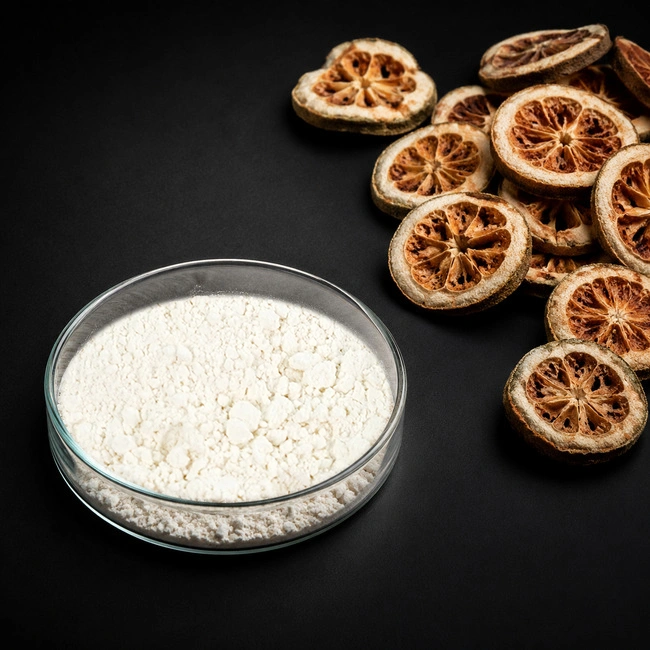
Our neohesperidin dihydrochalcone powder has the CAS number 20702-77-6, the EINECS number 243-978-6, the FEMA number 3811, and the E959 number. The formula for molecules is C28H36O15. This is food grade, it has a 98% HPLC assay, and it looks like a white to off-white powder that melts at 156 to 158°C. It comes from the plant Citrus sinensis L., and we package it in 25 kg drums. Neohesperidin can be extracted from citrus fruits with water or ethanol. It is then hydrogenated to make NHDC. In this form, the fruit does not hold NHDC.
Solubility and Stability in Processing
Being stable is a useful trait. Based on our product data, NHDC stays stable up to 160°C, which is hot enough for pasteurization, UHT, and baking. It also stays stable between pH 2 and 7, which is the pH range of most acidic juices and drinks. Since aspartame breaks down in heat, NHDC works better with products that have been heated. You can store neohesperidin dihydrochalcone powder in a cool, dry place for 24 to 36 months if you keep it sealed in its original box. After each use, seal the drums again. Because every finished matrix acts a little differently, you should do your own stability test at your pH, fill temperature, and storage conditions.
Applications by Industry
The NHDC is suitable for ready-to-drink carbonated soft drinks, juices, sports drinks and teas. For milk, yoghurt and ice cream it works in dairy and frozen desserts. It's heat resistant enough for use in baking and candy manufacturing for hard candies, gum, cookies and cakes. Its bitter flavour and cooling finish make it suitable for toothpaste, mouthwash, chewable pills and syrups for medication and dental care. It is used to soften strong plant and protein overtones in flavour systems and supplements. In the U.S., companies who market sugar-free beverages and supplements may sometimes use neohesperidin dihydrochalcone powder as a small-dose companion to stevia, since it can soften the stevia tail.
Neohesperidin Dihydrochalcone Powder vs Other Sweeteners and US Compliance
Comparison With Stevia, Sucralose, and Aspartame
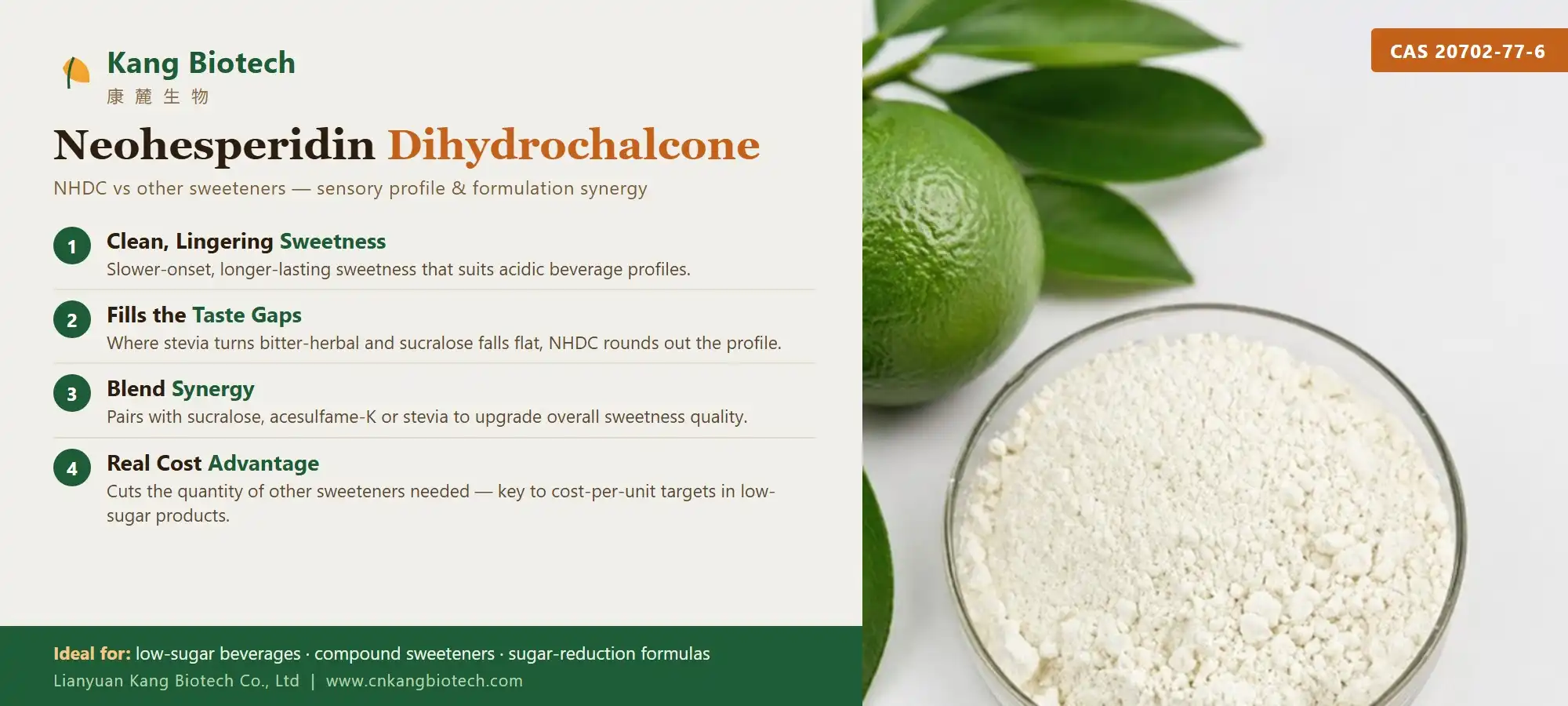
Sweeteners and US Compliance Stevia, Sucralose, Aspartame Each sweetener is useful for something else. Stevia extracts are very sweet, yet may have a bitter or liquorice aftertaste. Sucrose is stable when heated, however some formulators prefer a smoother finish. Aspartame loses the sweetness as it becomes heated. NHDC is sluggish to start, long-running and can take the heat. At greater dosages it may leave a cooling coating on. This is why neohesperidin dihydrochalcone powder often is used along with other medications and not alone. See how much each choice costs to use rather than price per kg. Calculate the delivery cost, the amount needed per batch and the required sweetness. If a cheap substance is used in high proportions, it could cost more than if it were used in little doses (20 ppm).
Regulatory Status in the United States and Europe
The EU says that NHDC can be used as food additive E959. It has the FEMA number 3811 and is FEMA GRAS for flavor use in the US. How sweeteners are used in certain types of food is a different question. There is a public list of GRAS notices kept by the FDA. For the category and use level you plan, I suggest you check it with your regulatory counsel. NHDC is also listed in the European Pharmacopeia and the GB 2760 in China. Before a pilot batch, let us know early on if your brand needs a certain GRN citation. That way, we can share the documents we have and find any gaps.
Safety Background and the "Natural" Label
Some buyers say that NHDC tastes like older man-made sweeteners like saccharin and cyclamate. NHDC is a different chemical that comes from a flavonoid found in citrus fruits. EU regulators have looked at it as E959, and the toxicology report includes studies on rats that were exposed to it for short periods of time. You can get opinions and notice letters about your market from any source. The FDA has not established a formal definition of natura for food labels, and neohesperidin dihydrochalcone powder is labeled as citrus-derived but made through hydrogenation. A lot of brands say it's citrus-derived and have lawyers look over any natural claims.
How to Choose and Buy Neohesperidin Dihydrochalcone Powder
Documents to Request With Neohesperidin Dihydrochalcone Powder
You should ask for the certificates that are specific to your market, as well as the COA, SDS, allergen and GMO statements. A COA should have the batch number, the date it was made, the method, the limits, and the results written on it. There must be less than 3 mg/kg of lead and 2 mg/kg of arsenic in our samples, and the total plate count must be less than 1,000 cfu/g. There must also be less than 12% loss on drying, and there must be organoleptic checks. Our product is at least 98% pure and meets the standards set by EP, FCC, and USP. Tell us in your request if your quality team needs data from a separate lab on a sample lot, and we'll help you plan the tests.
Testing and Quality Verification
Identification and testing are usually done with HPLC-UV, and NHDC reads at 282 nm. When new lots come in, your lab can use the same method on them and compare the results to the COA and the reference standard. Add microbiology and heavy metals checks, as well as checks for moisture, particle size, and appearance, for the people you want to buy from you. This is how a good qualification plan works: documents are looked over, samples are approved, bench and pilot tests are done, the first commercial batch is checked, and tests are done again and again. Watch how the assay changes from one batch to the next. The process stays the same when the spread between lots is small.
Evaluating a Dependable Supplier
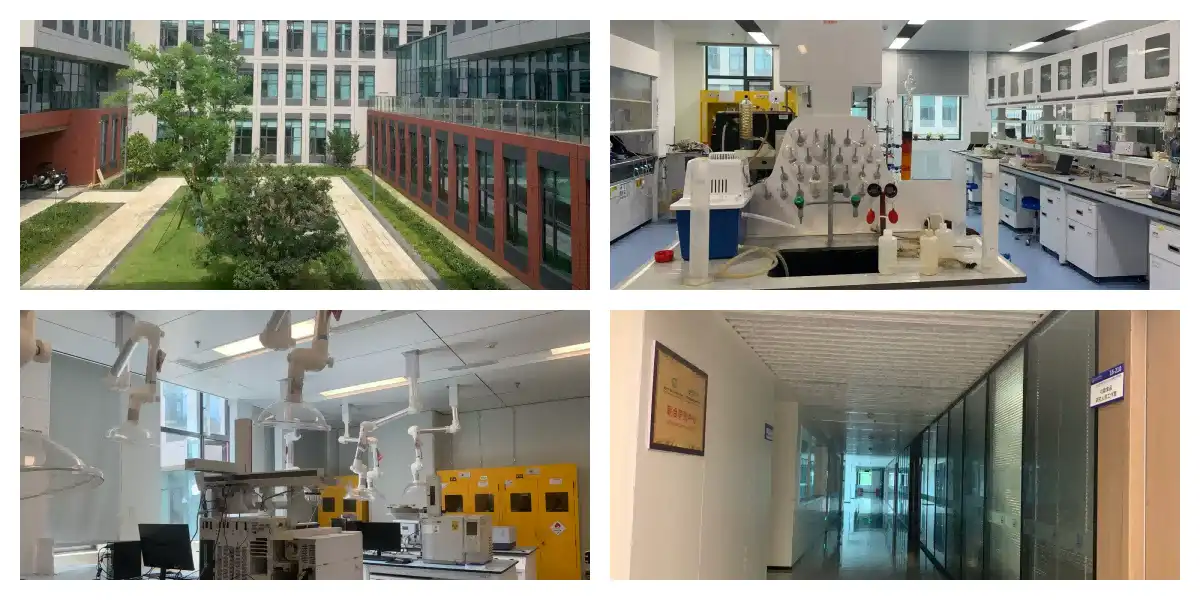
Check to see if the company makes the material itself or just sells it, and make sure that the certificates it gives you back up what it says it does. Kang Biotech was established in 2011 and is in charge of more than 20,000,000 m² of bitter orange plantations in Lianyuan, Hunan. Making things is done in a 33,000 m² plant with 9 production lines. We are licensed by ISO 9001, ISO 22000, HACCP, FAMI-QS, SC, and for Halal, Kosher, and FAMI-QS. More than 40 countries have bought from us. We work with the Hunan Institute of Agricultural Product Processing and Quality Safety to run a Joint Research Center. Online, our sales and technical teams answer questions about how to dissolve and mix neohesperidin dihydrochalcone powder for lab work.
Ordering, Samples, and Delivery
Our smallest order is 1 kg, and you can get samples to test in the lab. The item is in stock. For small orders, we use an express courier service. For large orders, we use air or sea freight. The standard way to pack is 25 kg per drum. To get fair quotes, be clear about the grade, assay, trial quantity, annual volume, destination, Incoterms, packaging, and certificates you need when you ask for them. We also offer OEM and ODM services, which include custom specifications, labeling, packaging, and help with formulation. That way, the lab results will match what you get later. Make sure the sample comes from a commercial production lot.
Conclusion
A high-intensity sweetener and flavor enhancer made from citrus fruits, neohesperidin dihydrochalcone powder has a sweetness that is 1,500 to 1,800 times that of sucrose. It adds almost no calories and can be used at 10 to 50 ppm for sweetness or 1 to 5 ppm to hide bitterness. However, it can't replace sugar in terms of bulk or texture. It works well with heat-treated and acidic foods because it starts slowly, lasts a long time, and is stable up to 160°C and across pH 2 to 7. It is usually mixed with stevia or sucralose. The regulatory status varies by market. In the US, it's FEMA 3811, while in the EU it's E959. US category checks are still needed. Sound sourcing is supported by full documents, HPLC confirmation, and bench trials.
FAQ
1. Is NHDC a natural sweetener?
NHDC comes from citrus fruits, but it is made by hydrogenating neohesperidin. The FDA doesn't have a formal definition of "natural," so any label claim should be looked over by a lawyer.
2. How much NHDC should I use?
Use 1 to 5 ppm to cover up bitterness and 10 to 50 ppm to make it sweet. Before you decide on a dose, make sure you know the highest level that is allowed for your product and market.
3. Is NHDC stable in baking and acidic drinks?
Our data on the product show that it is stable up to 160°C and from pH 2 to 7. In that list are pasteurization, UHT, baking, and most soft drinks and juices.
4. What are the minimum order and shelf life?
You can get samples, and the least you can order is 1 kg. In its original, sealed packaging, neohesperidin dihydrochalcone powder can be stored in a cool, dry location for 24 to 36 months.
5. How do I check quality?
HPLC-UV at 282 nm confirms the test. Get the batch COA and the reference standard and compare your result to them.
Request Neohesperidin Dihydrochalcone Powder Samples from Kang Biotech
Kang Biotech makes neohesperidin dihydrochalcone powder directly and has samples for lab tests and powder in stock. The minimum order size is 1 kg. Send your application, target market, and expected volume to sales02@kangbiotech.com. Our team will get back to you with a quote, COA, and SDS. Our full line of products can also be seen at cnkangbiotech.com.
References
1. EFSA Journal, 2022. Re-evaluation of neohesperidine dihydrochalcone (E 959) as a food additive.
2. Official Journal of the European Union, 2011. Commission Regulation (EU) No 1129/2011 establishing the Union list of food additives.
3. Alternative Sweeteners, Fourth Edition, CRC Press, 2012. Chapter on neohesperidine dihydrochalcone.
4. Sweeteners and Sugar Alternatives in Food Technology, Second Edition, Wiley-Blackwell, 2012.
5. Food and Chemical Toxicology, 1990. Subchronic (13-week) oral toxicity of neohesperidine DC in rats.
6. U.S. Food and Drug Administration, 2018. Additional Information about High-Intensity Sweeteners Permitted for Use in Food in the United States.

Send Inquiry
Related Industry Knowledge
- How to Use Naringenin Powder in Dietary Supplements
- What is Neohesperidin Dihydrochalcone?
- How to Choose a Polymethoxy Flavonoids Powder Manufacturer
- Exploring Antioxidant Applications of Polymethoxy Flavonoids Powder
- Apigenin Benefits: Sleep, Anxiety, Healthy Aging, and More
- What Is Hesperetin? Guide to the Flavonoid
- Naringin Dihydrochalcone Food Grade: What Buyers Should Know
- 4 Benefits of Naringin For Your Health
- Nobiletin Benefits for Brain Health and Metabolism
- Glucosyl Hesperidin Bulk Supplier: What Buyers Should Check