
Why Is Polymethoxy Flavonoids Powder Used in Wellness Formulas?
November 11, 2026
The polymethoxy flavonoids powder has gained a reputation in high-end wellness formulations for achieving what many single-compound citrus extracts can not: a broad range flavone profile with much enhanced absorption. It is a concentrated extract with several methoxyl groups on flavone skeleton, prepared from peel of Citrus sinensis and related species. This structural characteristic confers a greater lipophilicity than sugar-bound flavonoids and enables for passive absorption across cell membranes. For companies producing science-backed solutions for longevity and metabolic health, that translates into real formulation value at lower input doses.
Understanding Polymethoxy Flavonoids Powder: Definition and Core Benefits
What Makes PMFs Structurally Different
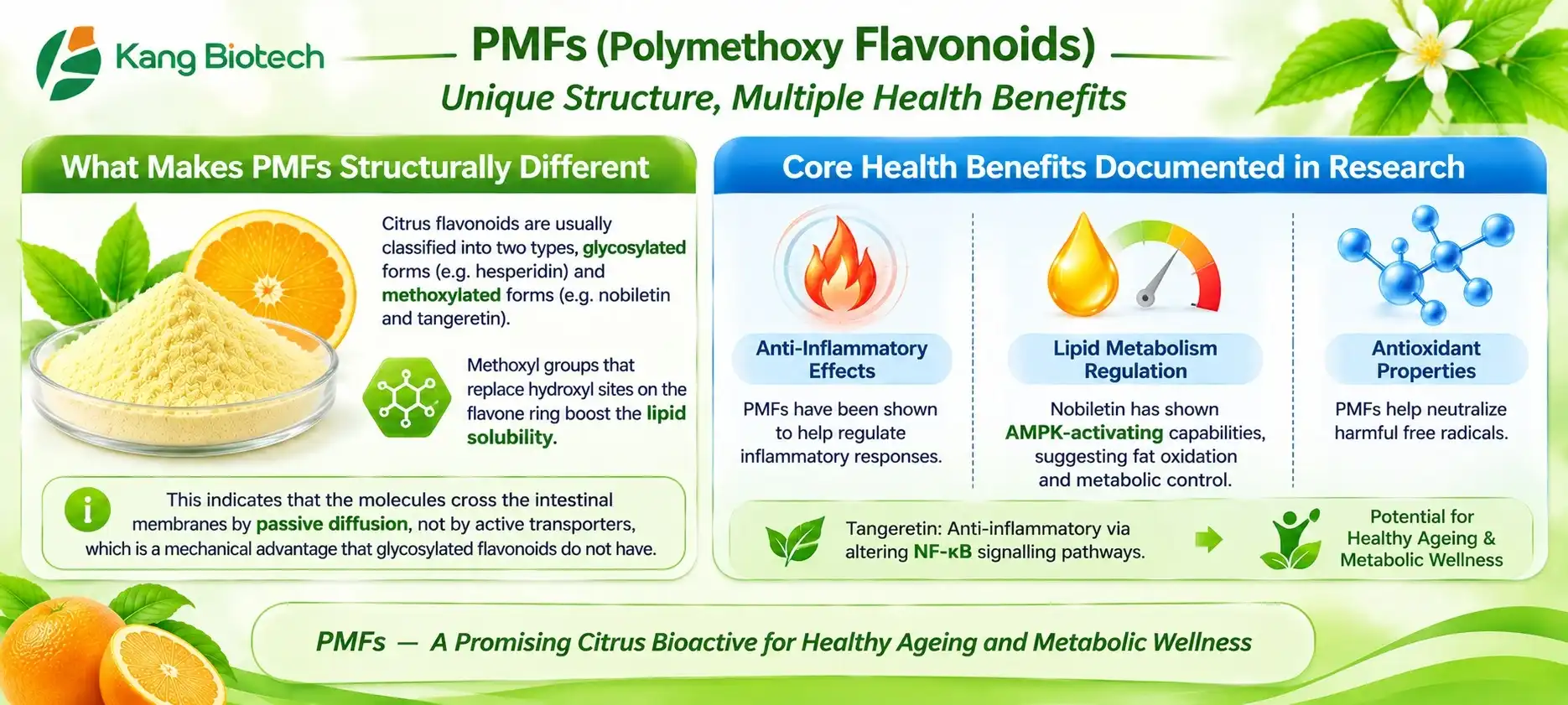
Citrus flavonoids are usually classified into two types, glycosylated forms (e.g. hesperidin) and methoxylated forms (e.g. nobiletin and tangeretin). The methoxyl groups that replace hydroxyl sites on the flavone ring boost the lipid solubility. This indicates that the molecules cross the intestinal membranes by passive diffusion, not by active transporters, which is a mechanical advantage that glycosylated flavonoids do not have.
Core Health Benefits Documented in Research
The anti-inflammatory, lipid metabolism regulating and antioxidant properties of PMFs have been investigated. One of the key active indicators, nobiletin, has shown AMPK-activating capabilities in preclinical studies, suggesting fat oxidation and metabolic control. Tangeretin has anti-inflammatory effects via altering NF-κB signalling pathways. The processes make the PMF interesting for healthy ageing and metabolic wellness segments.
Why Bioavailability Matters for Formulators
Increased bioavailability also allows a formulator to get a desired biological effect at a lower dosage, which impacts both the cost-per-serving and label claim placement. Kang Biotech's PMF extract is standardised to 80% HPLC with nobiletin and tangeretin as declared active markers, providing formulators a predictable, consistent starting point for capsule, softgel and functional beverage applications.
Comparing Polymethoxy Flavonoids Powder to Other Flavonoids and Supplements
PMFs vs. Hesperidin and Naringin
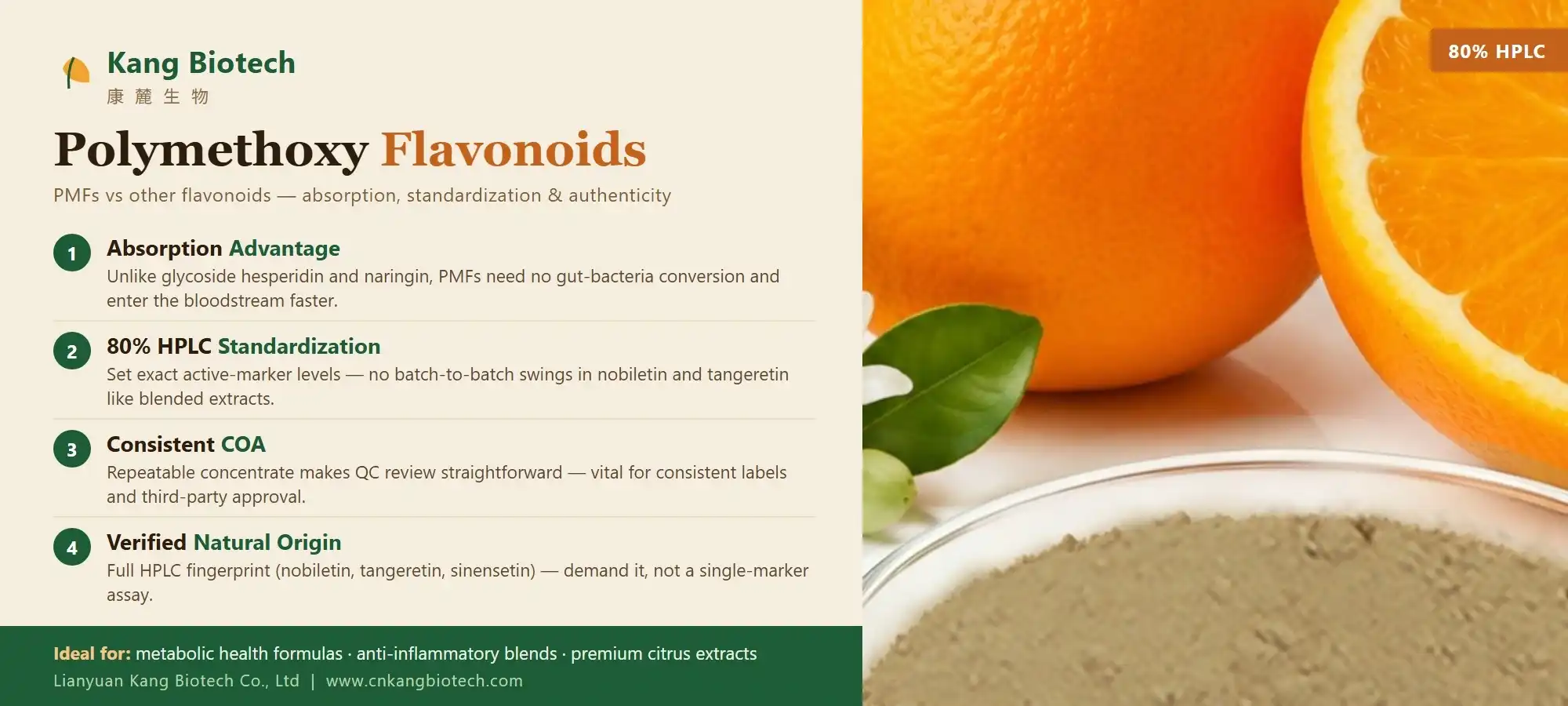
By weight, hesperidin and naringin make up most of the flavonoids in citrus fruits. However, it is hard for them to get into the gut because they are in glycoside form. There are studies that show PMFs enter the bloodstream more quickly. Gut bacteria change glycosides before they are absorbed, but these PMFs work more directly. This is better for brands that want to improve metabolic health or reduce inflammation.
Pure PMF Concentrate vs. Blended Citrus Extracts
For formulators, they can control the amounts of active markers when they use a normal PMF powder at 80% HPLC. Mixed citrus extracts are less expensive, but the amounts of nobiletin and tarteretin can change from one batch to the next. As long as the concentrate is the same from batch to batch, it's easy to look over the COA during getting quality control for brands that need consistent labels and third-party approval.
Natural vs. Synthetic PMFs: What Procurement Teams Should Know
Synthetic polymethoxylated flavones are used in research, but when they are added to finished goods, they break rules and make people less likely to trust the brand. Carbon-14 dating and HPLC fingerprint study of the amount of nobiletin, tangeretin, and sinensetin show that natural PMFs from citrus come from plants. To be sure that the polymethoxy flavonoids powder extract comes from real citrus and wasn't made in a lab, buyers should ask for full HPLC fingerprint data, not just a single-marker assay.
Key Factors When Procuring Polymethoxy Flavonoids Powder for Wellness Formulas
If you want to buy the best orange PMF extract, it's not just about costs. The people who work in procurement for health and nutraceutical brands need to check three things before they place a business order.
These are the main things that experienced B2B buyers look at when they find a new PMF source:
- Certificate of Analysis scope: A credible COA should report HPLC assay for both nobiletin and tangeretin individually, heavy metals (Pb, As, Cd, Hg per USP <233>), microbial limits per AOAC methods, residual solvents per ICH Q3C, and moisture content below 5.0%. A COA that only lists total flavonoids without specifying individual markers is insufficient for premium brand formulations.
- Contaminant screening: Citrus raw materials can carry agricultural residues. Suppliers with verified 400+ pesticide residue screening protocols, particularly for crops from regulated farming regions, provide stronger supply assurance than those relying on spot-check sampling.
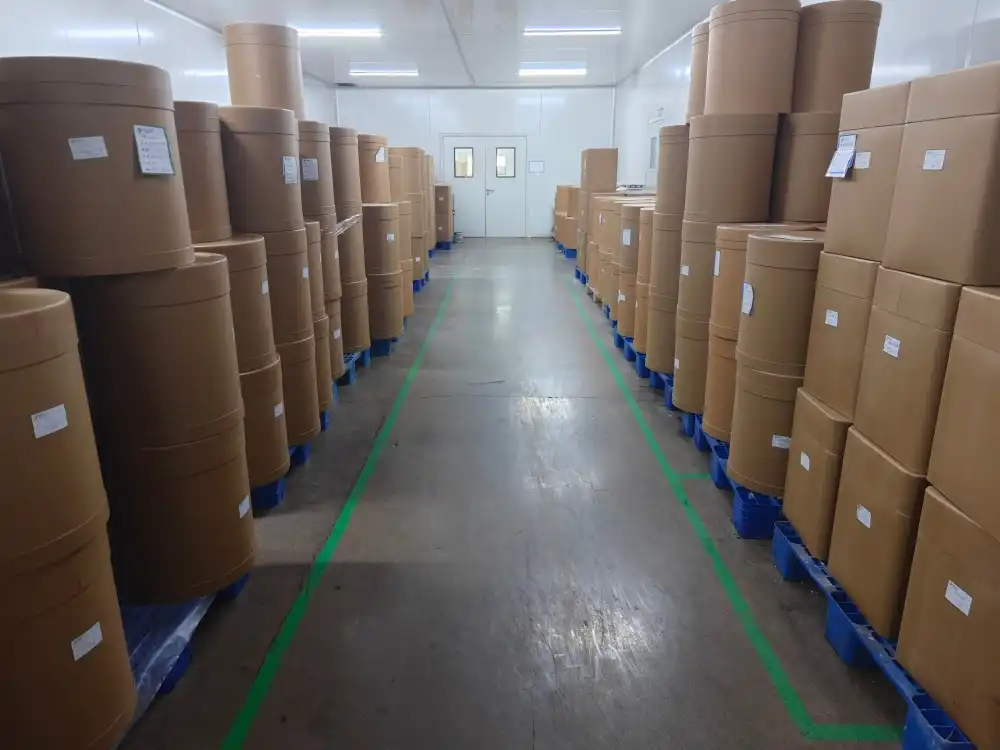
- Packaging and transit integrity: Food-grade PMF powder should be packed in 25 kg fiber drums with dual polyethylene inner liners to prevent moisture ingress during ocean or air transit. The 24-month shelf life is only valid when storage conditions (sealed, cool, dark) are maintained from the origin warehouse to the customer's facility.
Selecting the Right Supplier: What B2B Buyers Should Look For
Manufacturing Certifications and Audit Readiness
For starters, a good PMF provider should be certified by ISO 9001 and ISO 22000. They should also have HACCP, Halal, Kosher, and GMP methods in place. After making goods, you need these certificates to sell them in Europe and North America. When suppliers keep these systems up to date on all production lines, not just a few, dealers who work with more than one customer are less likely to be audited.
Vertical Integration as a Quality Signal
Those who buy peel from third-party brokers are more likely to have quality problems than those who source their own peel. There are more than 20,000,000 m² of bitter orange trees owned by Kang Biotech in Lianyuan, Hunan Province. The business also has a 33,000 m² factory with nine separate production lines for polymethoxy flavonoids powder. When there is direct control from the farm to the extract, there is no longer a point of difference that makes the test less stable between production runs.
OEM and Custom Specification Capability
When it comes to encapsulation, longevity brands that make their own products often need specific amounts of nobiletin to tarteretin or custom-sized particles. A company that makes products lets product teams stand out by letting them extract with water or ethanol and clean across a 10%–80% HPLC range. When Kang Biotech does OEM and ODM work, it can make sure that each brand gets the purity levels, particle sizes, and package shapes that they need.

Optimizing Wellness Formulas with Polymethoxy Flavonoids Powder
Recommended Application Formats
If the PMF powder is good enough to eat, it works well in hard-shell pills, softgels, capsules, and other ways that use fats to give medicine. It can handle temperatures of up to 120°C and a pH range of 3.0 to 8.0, which means it can be used with most common ways to make supplements, like spray-drying and making hot drinks.
Expanding Into Functional Foods and Topical Applications
Extract of citrus PMF can be used for more than just pills. Along with ready-to-drink drinks, stick packs, and healthy snacks, it can also be used in these things. Because it is an antioxidant, it can also be used in anti-aging skin care products that want to use a plant-based ingredient that has been shown to fight free radicals. The color of natural powder can be light yellow to greenish brown. It mixes well and doesn't change color much most of the time.
Market Trends Supporting PMF Growth
People in the US are interested in metabolic health, controlling inflammation, and the science behind living longer, so the market for products that help you age well keeps growing. Products with PMF can be sold to protect nerves, help with weight loss, and keep the heart healthy. All of these areas sell well and have more and more clinical studies to back them up.
Conclusion
People use citrus fruit PMF extract in health products because it does something that other citrus flavonoids can't: it works reliably and has many biological effects from a single, controlled ingredient. Companies that want to buy a broad-spectrum nobiletin and tangeretin complex should look for a supplier that can go from a sample to a commercial volume without lowering the quality of any batch of polymethoxy flavonoids powder. They should also look for assay consistency at 80% HPLC and full HPLC fingerprint documentation. All of these things show how a useful ingredient is different from a goods.
FAQ
1.How does PMF powder differ from a standard citrus bioflavonoid complex?
Standard citrus bioflavonoid complexes are dominated by hesperidin, a glycoside with lower passive absorption. PMF concentrates are standardized for nobiletin and tangeretin, two methoxylated flavones with higher lipophilicity and different biological targets, particularly around lipid metabolism and inflammation pathways.
2.What does 80% HPLC mean on a PMF specification sheet?
It means that 80% of the dry weight consists of polymethoxylated flavones, measured by high-performance liquid chromatography. This figure should be supported by individual marker data for nobiletin and tangeretin, not just a total flavonoid sum, to confirm the extract profile.
3.Is citrus PMF powder legal to use in US dietary supplements?
Yes. Citrus-derived PMFs are used as food ingredients in the United States. The manufacturer holds GMP certification and produces under food-grade conditions. Buyers should confirm regulatory status with their own compliance team for specific finished product claims.
4.Can PMF powder be combined with other longevity ingredients?
Research suggests compatibility with omega-3 fatty acids and other plant polyphenols in synergistic aging-related formulas. Formulators should conduct stability testing when combining with highly reactive antioxidants in lipid-based systems.
Request a Sample from Kang Biotech — PMFs Supplier with Verified 80% HPLC
Kang Biotech has sold polymethoxy flavonoids powder to better health and longer life names in over 40 countries since 2011. The business has directly grown citrus fruits and has ISO 9001, ISO 22000, HACCP, Halal, and Kosher certifications to back up its goods. We need at least 1 kg of goods to start an order, and samples are sent via FedEx. Each batch comes with full COA records. To ask for a sample and talk about your needs, please email our team at sales02@kangbiotech.com or go to cnkangbiotech.com.
References
1. Mulvihill, E. E., & Huff, M. W. (2010). Antiatherogenic properties of flavonoids: Implications for cardiovascular disease. Canadian Journal of Cardiology, 26(Suppl A), 17A–21A.
2. Ong, K. C., & Khoo, H. E. (1997). Biological effects of myricetin. General Pharmacology: The Vascular System, 29(2), 121–126.
3. Manthey, J. A., & Grohmann, K. (2001). Phenols in citrus peel byproducts: Concentrations of hydroxycinnamates and polymethoxylated flavones in citrus peel molasses. Journal of Agricultural and Food Chemistry, 49(7), 3268–3273.
4. Abe, I., Seki, T., Umehara, K., Miyase, T., Noguchi, H., Sakakibara, J., & Ono, T. (2000). Green tea polyphenols: Novel and potent inhibitors of squalene epoxidase. Biochemical and Biophysical Research Communications, 268(3), 767–771.
5. Cooke, D., Steward, W. P., Gescher, A. J., & Marczylo, T. (2005). Anthocyans from fruits and vegetables—Does bright colour signal cancer chemopreventive activity? European Journal of Cancer, 41(13), 1931–1940.
6. Sergeev, I. N., Ho, C. T., Li, S., Colby, J., & Dushenkov, S. (2009). Apoptosis-inducing activity of hydroxylated polymethoxyflavones and polymethoxyflavones from orange peel in human breast cancer cells. Molecular Nutrition & Food Research, 53(S1), S48–S53.

Send Inquiry
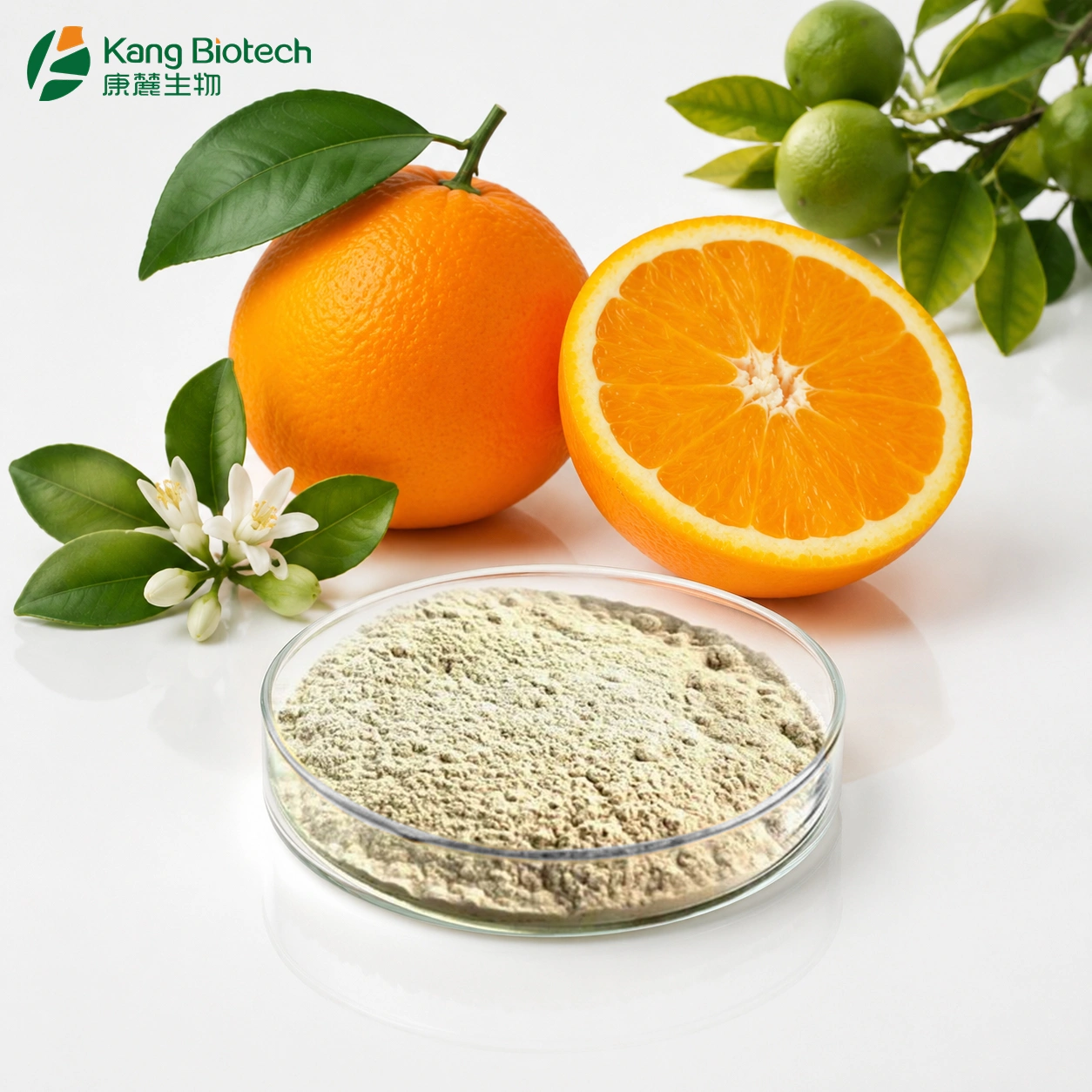
 powder.webp "Polymethoxylated Flavones (PMFs) powder")
Related Industry Knowledge
- How Neohesperidin Powder Supports Antioxidant Formulations
- Nobiletin: The Flavonoid You Probably Never Knew Your Bones Needed
- Glucosyl Hesperidin as an Antioxidant: What Research Shows
- Neohesperidin Powder vs Hesperidin: Key Differences Explained
- What is Neohesperidin Dihydrochalcone?
- Where Does Hesperetin Powder Fit in Nutraceutical Innovation?
- Neohesperidin Powder: Uses, Benefits and Applications
- NDHC: an updated review on a naturally derived sweetener and flavor potentiator
- NHDC Sweetener Guide: How Neohesperidin Dihydrochalcone Is Changing Low-Calorie Foods
- Apigenin: Health Benefits, Sources, and Safety