
Can Hesperidin Powder Improve Skin Health?
November 20, 2026
Hesperidin powder may support skin health, but the evidence is still limited, so it works best as a supporting ingredient rather than a stand-alone treatment. Hesperidin is a citrus flavonoid with antioxidant and anti-inflammatory properties, and laboratory and animal studies point to possible benefits for the skin barrier and small blood vessels. Human skin data remain thinner, and results depend on dose, formulation, bioavailability, and the individual. Below, I explain where hesperidin powder fits in beauty-from-within and topical products, what to check on a specification sheet, and how to source it with fewer surprises.
Hesperidin Powder Benefits and Uses for Skin-Focused Formulations
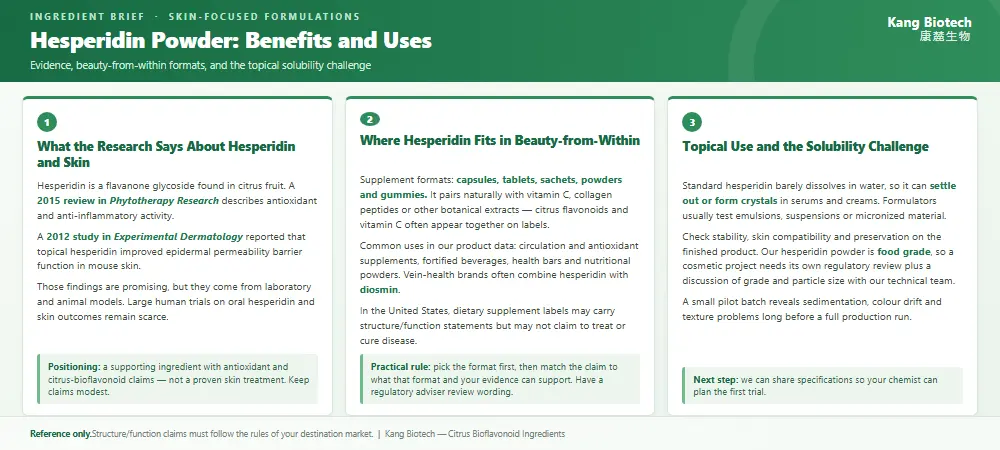
What the Research Says About Hesperidin and Skin
Hesperidin is a flavanone glycoside found in citrus fruit. A 2015 review in Phytotherapy Research describes its antioxidant and anti-inflammatory activity. A 2012 study in Experimental Dermatology reported that topical hesperidin improved epidermal permeability barrier function in mouse skin. Those findings look promising, yet they come from laboratory and animal models. Large human trials on oral hesperidin and skin outcomes remain scarce. For that reason, I treat hesperidin powder as a supporting ingredient with antioxidant and citrus-bioflavonoid positioning, not as a proven skin treatment. Keeping claims modest protects both the consumer and the brand, and it keeps your marketing aligned with the evidence you can actually show.
Where Hesperidin Powder Fits in Beauty-From-Within Products
Supplement brands can use hesperidin powder in capsules, tablets, sachets, powders, and gummies. It pairs naturally with vitamin C, collagen peptides, or other botanical extracts, since citrus flavonoids and vitamin C often appear together on labels. Our product data lists circulation and antioxidant supplements, fortified beverages, health bars, and nutritional powders as common uses. Many vein-health brands also combine hesperidin with diosmin. In the United States, dietary supplement labels may carry structure/function statements but may not claim to treat or cure disease, so a regulatory adviser should review your wording. Here is the practical point: pick the format first, then match the claim to what that format and your evidence can support.
Topical Use and the Solubility Challenge
Topical formulas need extra care. Standard hesperidin barely dissolves in water, so it can settle out or form crystals in serums and creams. Formulators usually test emulsions, suspensions, or micronized material, and they check stability, skin compatibility, and preservation on the finished product. Our hesperidin powder is food grade, so a cosmetic project needs its own regulatory review and a conversation with our technical team about grade and particle size. A small pilot batch shows sedimentation, color drift, and texture problems long before a full production run does. We can share specifications so your chemist can plan the first trial.
Hesperidin Powder Chemical Profile: Source, Formula, CAS Number, and Solubility
Citrus Source and Extraction Methods
Commercial hesperidin comes from citrus peels and processing by-products. The botanical source listed for our hesperidin powder is Citrus sinensis L., and we run both water extraction and ethanol extraction. Kang Biotech manages more than 20,000,000 m² of bitter orange plantations in Lianyuan, Hunan, and controls the chain from planting to extraction. That matters because the extraction route affects purity, color, residual solvents, particle size, and batch consistency. Seasonal harvest changes can also move the assay from one lot to the next, so a supplier that controls its own fruit supply has fewer variables to manage. Ask any supplier which route produced your specific lot.

Formula, CAS Number, and Identity Checks
Chemically, hesperidin is hesperetin 7-rhamnoglucoside. The molecular formula is C28H34O15, the molecular weight is 610.56 g/mol, the CAS number is 520-26-3, and the EINECS number is 208-288-1. Match these identifiers across the COA, the specification sheet, and the drum label. HPLC testing then confirms the active level. Our standard hesperidin powder reaches 98% HPLC, and our specifications range from 10% to 98%. Because HPLC separates individual compounds, it helps rule out look-alike flavonoids such as naringin or didymin, which could otherwise inflate a purity figure on a weaker test. A quick cross-check like this takes minutes and prevents costly mix-ups.
Appearance, Solubility, and Particle Size
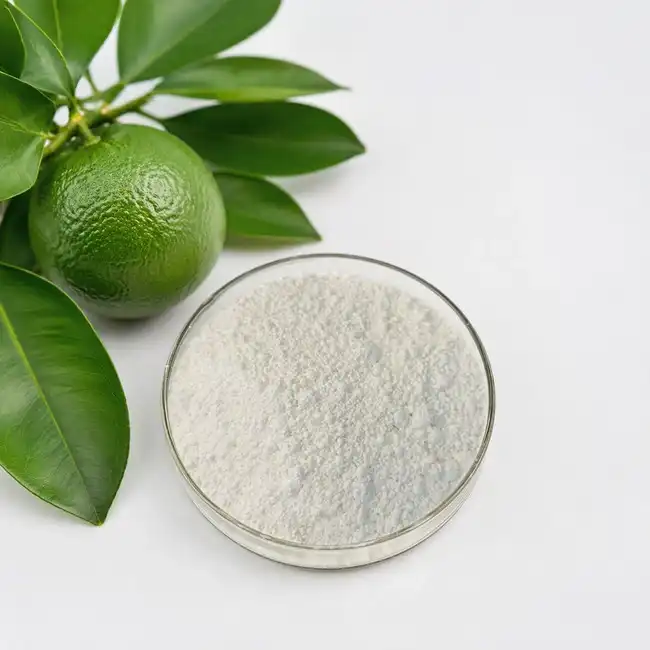
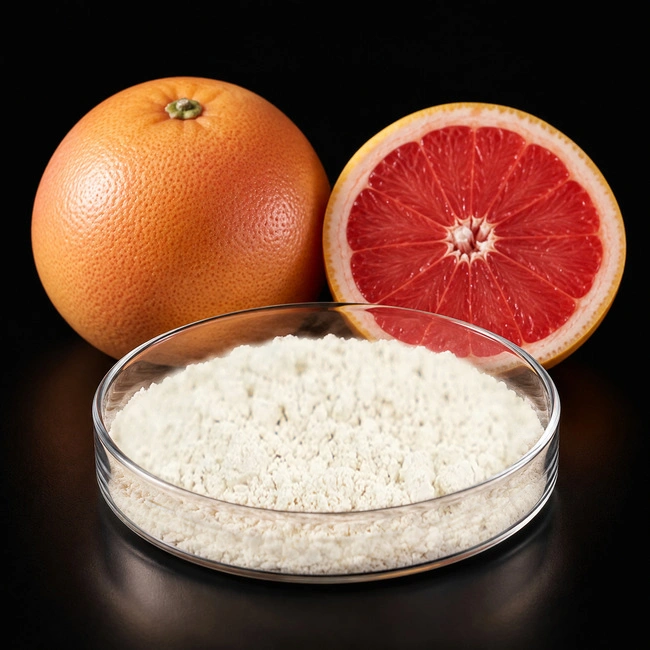
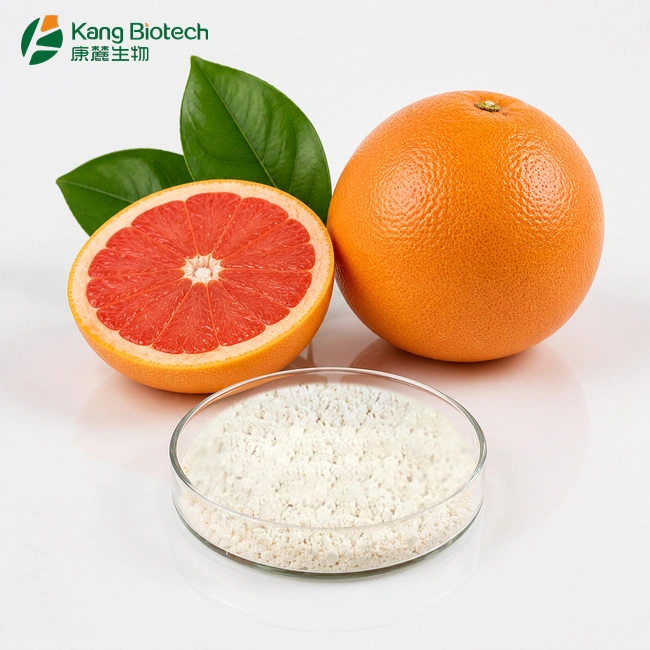
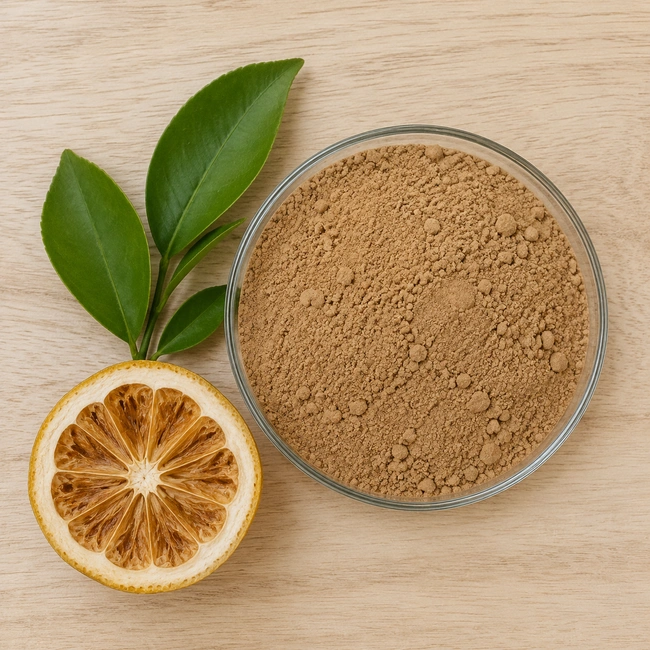
Our hesperidin powder appears light yellow to grey. It is practically insoluble in water and dissolves in dilute alkali, which explains why clear drinks and water-based formulas are hard to build. Particle size helps. We supply standard material at 80 mesh and micronized material below 10 microns, and finer particles disperse more evenly and dissolve faster. Standard grades still suit many projects, so I suggest testing both in your own matrix. Run dissolution, sedimentation, and filling trials on each grade, and record the results lot by lot. Those numbers will tell you whether the extra processing step of micronization pays off for your product.
Hesperidin Powder Dosage, Safety, and Responsible Use
Why No Single Dosage Fits Every Product
No universal dosage exists for hesperidin powder. The right amount depends on the product format, the assay, the delivery system, the target consumer, and the market. Separate the raw-material inclusion rate from the serving size on the finished label. A 98% powder and a 50% powder need very different weights to supply the same amount of hesperidin, so calculate from the assay on the COA, not from the product name. Qualified formulation and regulatory professionals should set the final dose and permitted claims. We supply specifications and technical answers, and each brand decides its final formula with its own advisers.
Safety Documents to Request
Safety starts with paperwork. We test every batch of hesperidin powder for microbiology, heavy metals, and residual solvents. Our listed limits are total plate count below 1,000 cfu/g with no pathogens, lead below 3.0 ppm, arsenic below 1.0 ppm, cadmium below 1.0 ppm, and mercury below 0.1 ppm, with extraction solvents assessed under ICH Q3C. We also check yeast and mold, E. coli, and Salmonella. Request the COA, specification sheet, and SDS, plus any extra reports your third-party lab or regulatory consultant needs. Compare these limits with your internal specification before you order, because a mismatch found after a stability study costs weeks.
Sensitive Groups and Professional Review
Some consumers need extra caution. A product aimed at pregnant or breastfeeding women, people who take prescription medicine, or people with citrus allergies deserves a professional safety review before launch. Allergen and origin statements should appear in your supplier documents. If your vein-health formula pairs hesperidin with diosmin, check how both ingredients appear on the label. A 2020 Cochrane review of phlebotonics, a group that includes diosmin–hesperidin combinations, assessed outcomes such as swelling, symptoms, and ulcer healing. It reminds me to keep claim language inside what the evidence supports. Responsible use protects your customers first, and it protects your brand from regulatory trouble.
How to Choose High-Purity Hesperidin Powder for Skin-Health Products
Define the Application and Specification First
Before you compare quotes, write down the application, target assay, grade, particle size, packaging, and destination market. A capsule supplement, a gummy, and a topical serum each ask different things from hesperidin powder. Our standard specification is 98% HPLC, food grade, packed in 25 kg drums, and packaging can be customized. If your design needs a lower assay or a finer grind, tell us at the start, since custom specifications take longer than stock items. Clear requirements keep quotes comparable, they stop you from paying for purity you do not need, and they give our technical team what it needs to recommend a grade.
Read the HPLC Report and the COA Closely
A purity claim only counts when the method behind it is visible. Request the chromatogram, the HPLC method, and the assay basis, plus identity, moisture, ash, residual solvent, and contaminant results. Check that the lot number on the COA matches the drum label. Then compare two or three lots side by side. If assay, color, and flow stay close from lot to lot, your capsule filler should run steadily. Consistency across lots matters more than one impressive number on a single certificate, because switching suppliers later can force you to repeat a stability study. A high-purity hesperidin powder earns trust through repeatable data.
Certifications, Samples, and Pilot Testing
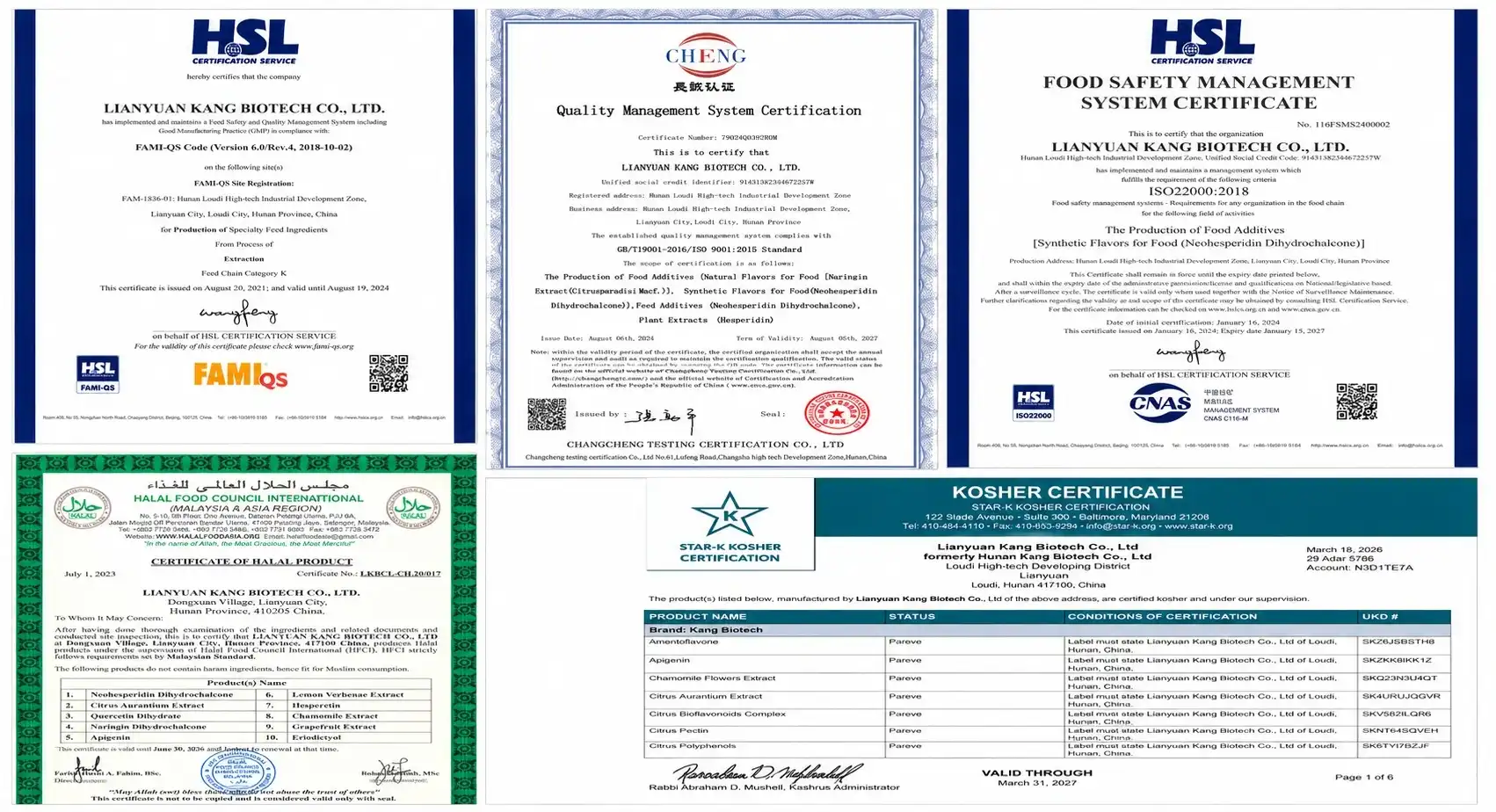
Certificates show how a factory runs day to day. Kang Biotech operates under ISO 9001, ISO 22000, HACCP, Halal, Kosher, FAMI-QS, and SC certification, and we support FDA and CE documentation on request. Paperwork does not replace your own tests, though. We provide 1 kg samples so your team can run dissolution, stability, and filling trials before any bulk commitment. Allow roughly two to six weeks for this stage. That time costs far less than a failed production lot, and it gives your regulatory adviser real data to review. Tell us your intended product format and we will point you to the right grade.
Hesperidin Powder Procurement: Bulk Price, MOQ, and Supplier Evaluation
What Drives Bulk Hesperidin Pricing
Price reflects assay, extraction route, order volume, packaging, testing scope, certifications, shipping terms, and delivery schedule. The lowest quote can cost more overall if lots vary, lead times stretch, or documents arrive incomplete. Each handoff between factory and buyer can also add cost and blur traceability. When you request a bulk hesperidin powder quotation, send your target assay, annual volume, packaging needs, testing needs, and destination, so every supplier prices the same terms. Extra reports can change the quote, so list them up front. Comparing like with like shows the true landed cost, and it shows which supplier answers technical questions quickly.
Direct Manufacturer or Trading Company
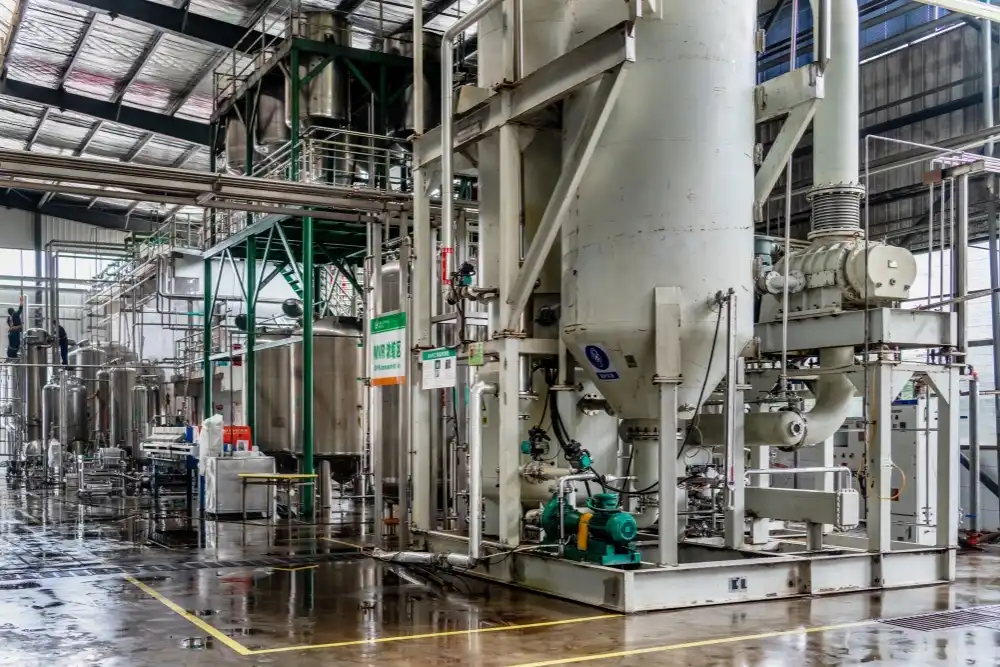
Ask who actually makes the material. Kang Biotech is a direct manufacturer of hesperidin powder. Founded in 2011, we run citrus cultivation, extraction, quality control, and application development in one chain, with nine production lines and a joint research center with the Hunan Institute of Agricultural Product Processing and Quality Safety. Our customers sit in more than 40 countries, including markets in Europe and North America. A direct line to the factory shortens technical answers and makes batch traceability simpler. Smaller brands often worry that a large plant will push a small order to the back of the schedule, so check the minimum order and sample policy early, as covered below.
MOQ, Samples, Lead Times, and OEM/ODM
The minimum order for our hesperidin powder is 1 kg, and samples are available. We hold stock of standard specifications, which ship in 3–5 business days, while custom specifications or large orders may take 2–3 weeks. Small orders go by FedEx, and large orders ship by air or sea. Standard packing is 25 kg per drum. OEM and ODM services cover custom specifications, purity levels, packaging, labeling, and formulation support. This setup lets you start with a trial lot, then move to a larger first order and repeat orders once your stability data look good. Our sales and technical teams answer questions online while you plan each run.
Conclusion
Hesperidin powder is a citrus flavonoid with antioxidant and anti-inflammatory properties, and research points to possible skin-barrier and microcirculation benefits, mostly from laboratory and animal work. Human skin evidence remains limited, so it fits best as a supporting ingredient in beauty-from-within products and carefully tested topical formulas, with modest claims. Poor water solubility shapes formulation, which is why particle size, dispersion, and pilot testing matter. Dosage depends on assay, format, and target consumer, and safety review needs complete documents, including heavy-metal, microbiological, and solvent data. Good selection rests on a verified CAS number, formula, HPLC report, and consistent lots. Supplier evaluation depends on total cost, direct manufacturing, minimum order, sample access, and lead time.
FAQ
1. Is hesperidin powder a proven skin treatment?
No. Studies point to antioxidant and skin-barrier effects, mostly in laboratory and animal models, and human skin data remain limited. I position it as a supporting ingredient, never as a treatment.
2. What separates standard from micronized grades?
Standard material passes 80 mesh, while micronized material measures below 10 microns. Finer particles disperse and dissolve better, which helps liquid and high-performance supplement formats. We supply both.
3. Can I test a sample before a bulk order?
Yes. The minimum order is 1 kg, and samples are available for your own dissolution, stability, and filling trials. In-stock standard grades ship in 3–5 business days.
4. Which documents and certifications come with an order?
We provide the COA and specification sheet and support FDA and CE paperwork on request. Our certifications include ISO 9001, ISO 22000, HACCP, Halal, Kosher, FAMI-QS, and SC.
Request Hesperidin Powder Samples From Kang Biotech
Looking for a hesperidin powder supplier that handles 1 kg trial lots as readily as bulk orders? Kang Biotech offers 98% HPLC food-grade hesperidin powder with samples, COA and specification support, and OEM/ODM options. Email sales02@kangbiotech.com with your target assay, volume, packaging needs, and destination market, and our team will reply with a quotation and technical answers. Visit cnkangbiotech.com for more details.
References
1. Experimental Dermatology, 2012
2. Phytotherapy Research, 2015
3. Life Sciences, 2015
4. Phytotherapy Research, 2001
5. Cochrane Database of Systematic Reviews, 2020
6. ICH Q3C(R8) Guideline for Residual Solvents, 2021

Send Inquiry
Related Industry Knowledge
- Can Hesperidin Powder Improve Skin Health?
- Glucosyl Hesperidin vs Rutin: Solubility and Functional Differences
- What to Check When Sourcing Bulk Neohesperidin Powder
- Can Naringenin Powder Improve Antioxidant Product Formulations?
- Naringin And Naringenin: What Are Antioxidant Ingredients?
- Retaliating Properties of Naringin: A Mini-Review
- Polymethoxy Flavonoids Powder: A Guide to Citrus PMFs
- How to Choose a Neohesperidin Powder Manufacturer
- Top Benefits of Apigenin Powder for Health and Wellness?
- Naringin Dihydrochalcone Food Grade: What Buyers Should Know