Can Naringenin Powder Improve Antioxidant Product Formulations?
November 19, 2026
Yes, naringenin powder can improve antioxidant product formulations, but only under the right conditions. This citrus flavanone shows free radical scavenging activity in laboratory tests and has a clear chemical identity (CAS 480-41-1), so formulators have a defined active to build around. It does not guarantee finished-product efficacy, because low water solubility, light sensitivity, and dispersion problems can limit results. In my experience at Kang Biotech, the best outcomes come when teams match the ingredient to the delivery system, validate it in the real formula, and buy from a supplier that documents every batch.
Why Naringenin Powder Is Receiving Attention in Antioxidant Formulation Development
What Naringenin Powder Is and How It Differs From Naringin?
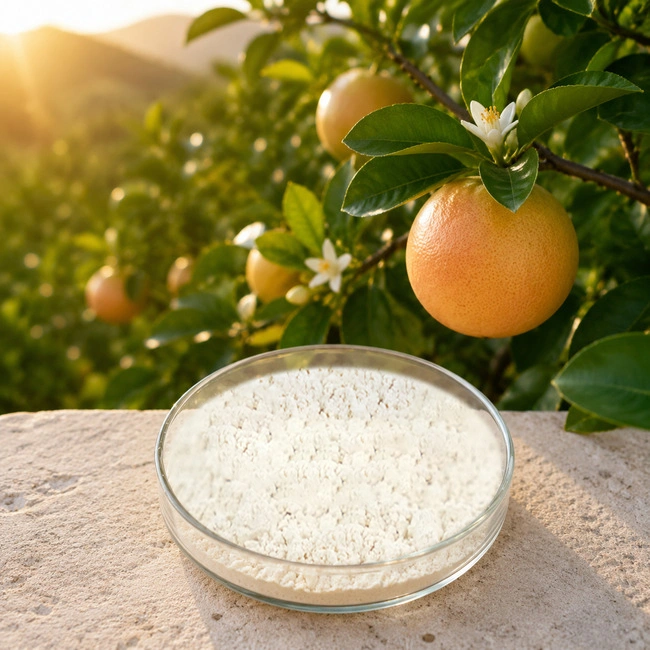
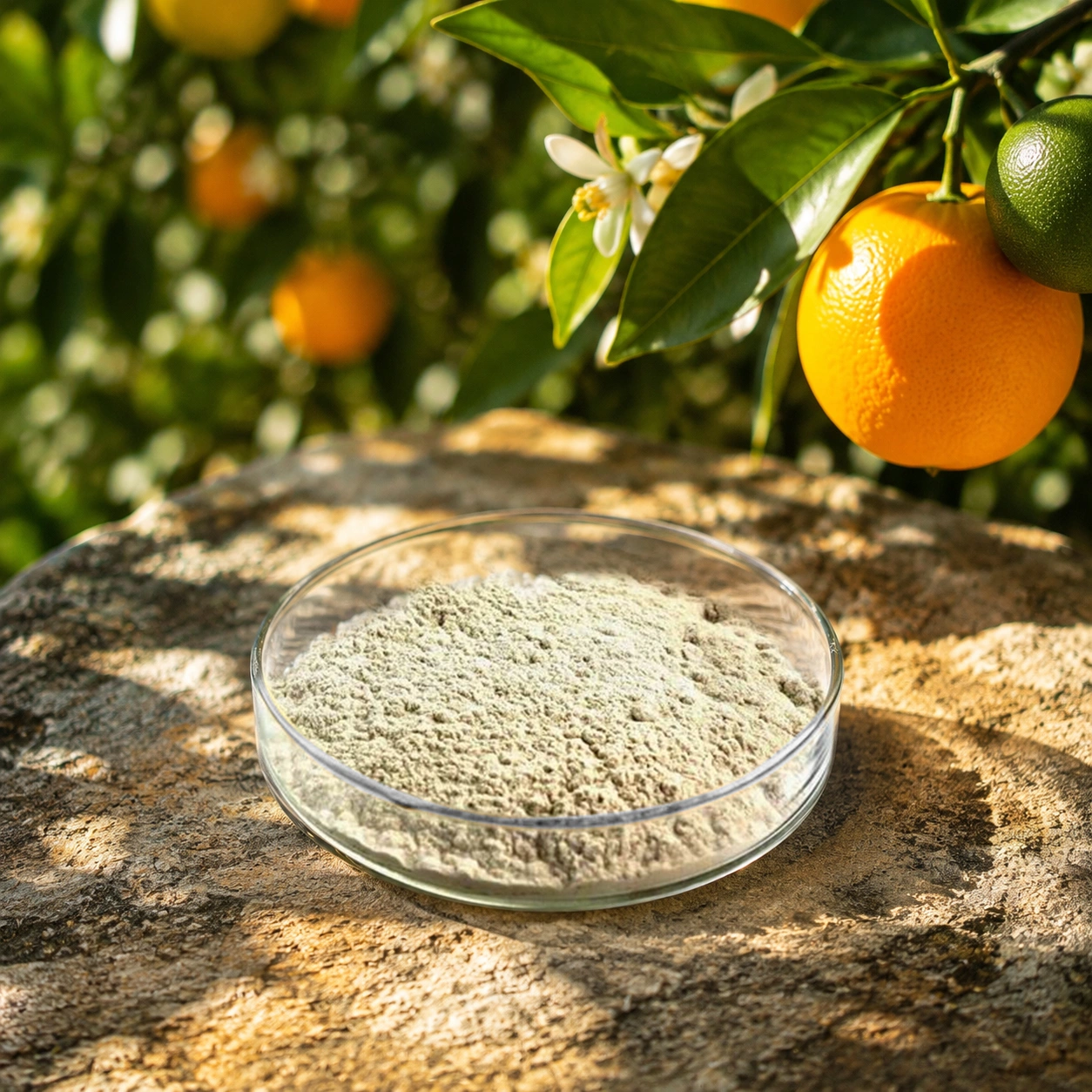
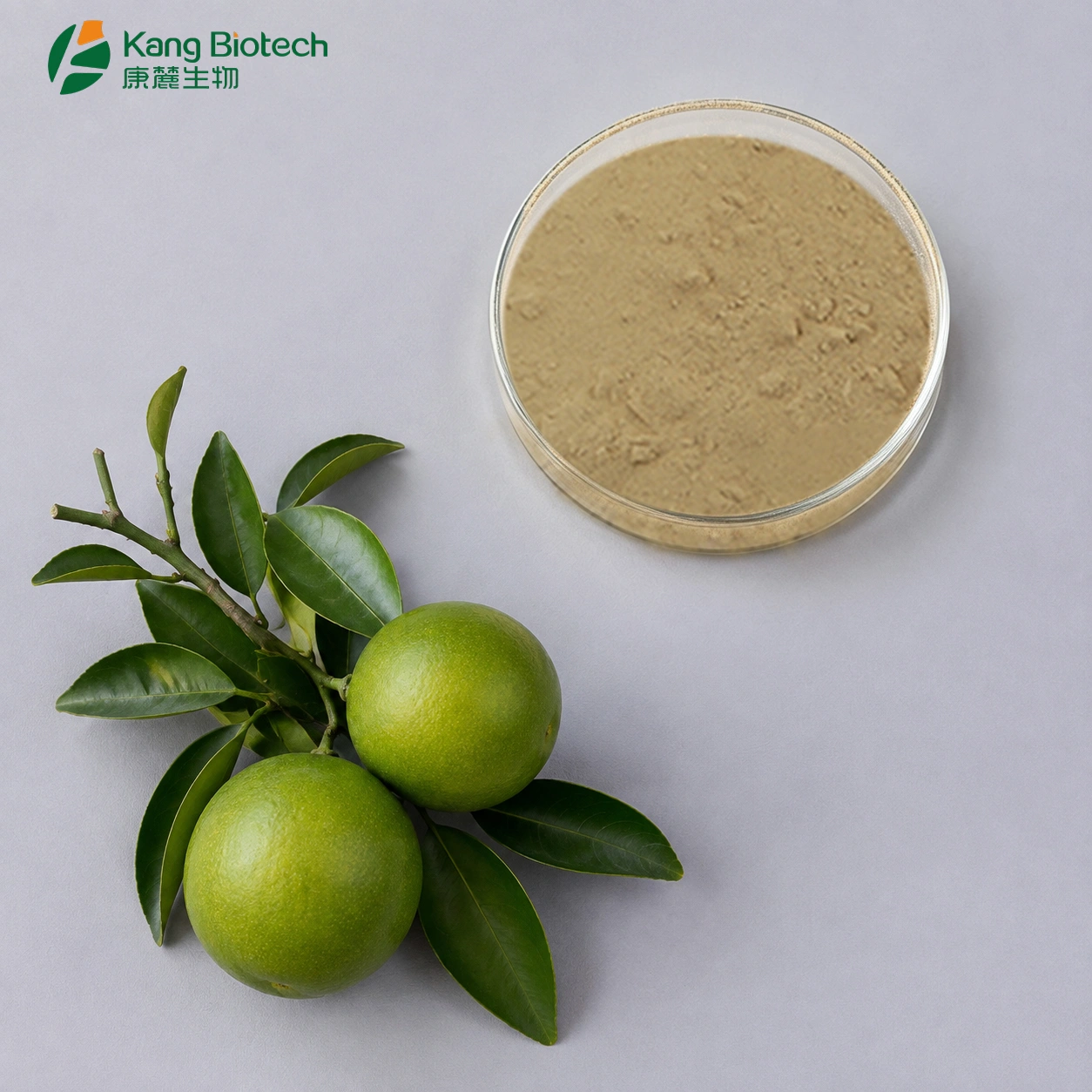
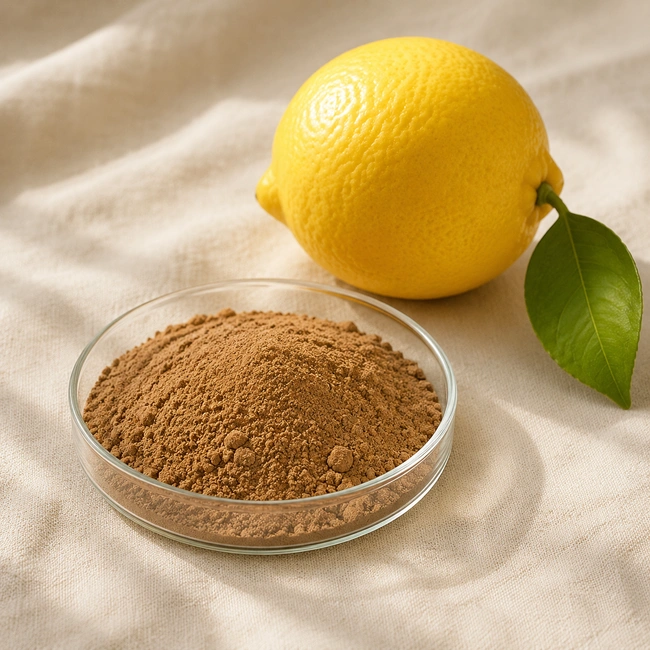
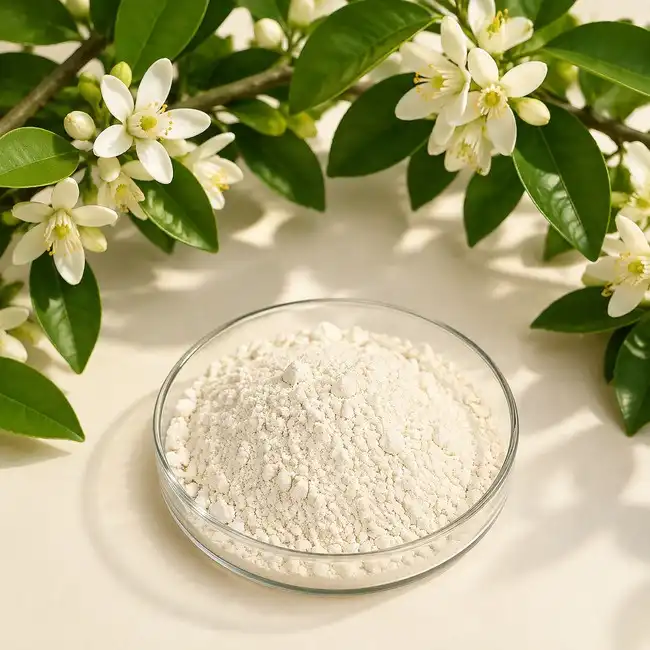
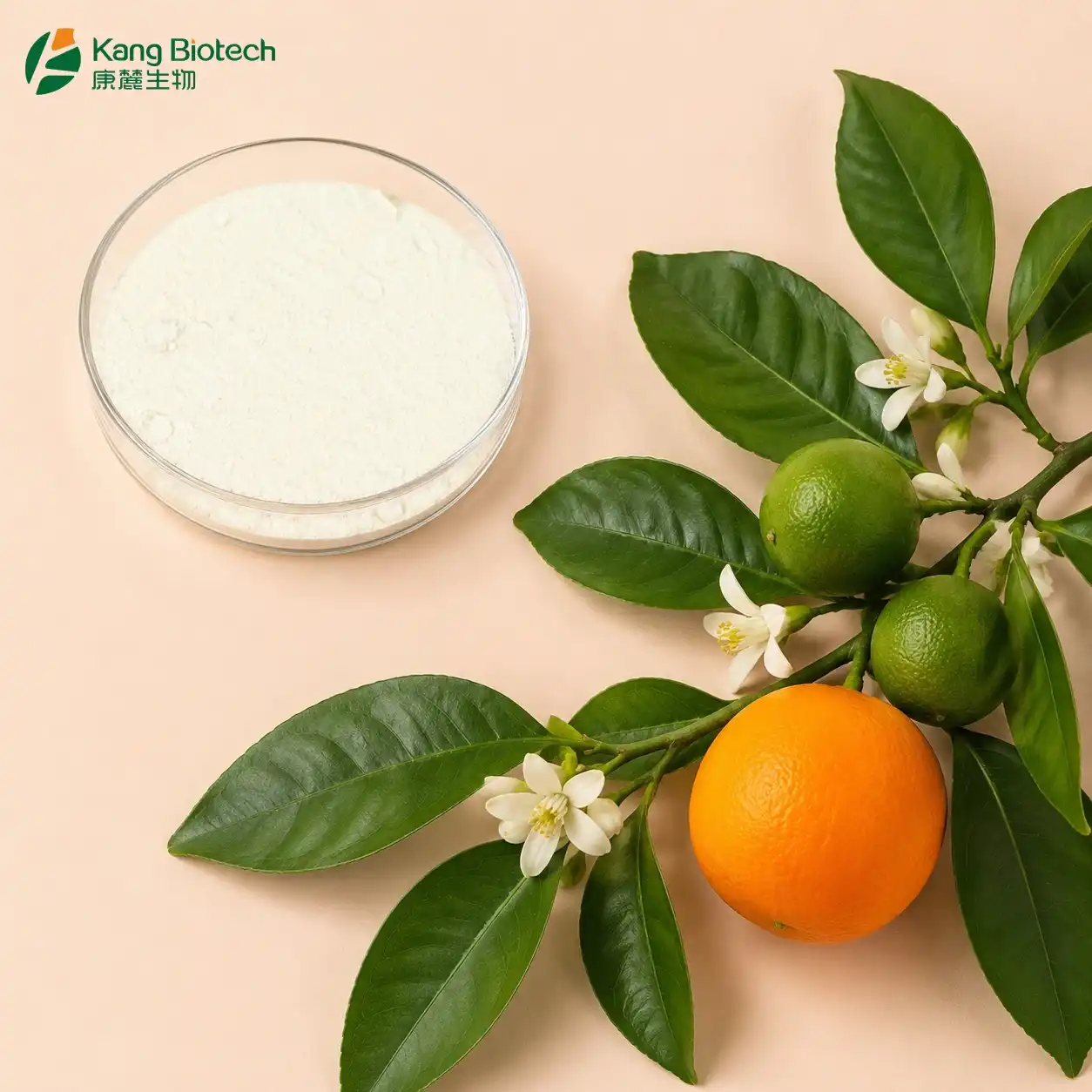
Naringenin is the aglycone of naringin, meaning it is the same flavanone without the attached sugar unit. Its formula is C15H12O5, its molecular weight is 272.25 g/mol, and its melting point falls between 247°C and 251°C. Our naringenin powder is a white to off-white powder made from citrus resources, with Citrus aurantium L. as the botanical source. Without the sugar, the molecule is more lipophilic than naringin, which changes taste, solubility, and behavior in oils, emulsions, and aqueous systems. Formulators who treat the two as interchangeable often face surprises during scale-up, so I recommend writing the exact compound name into every specification.

Where Antioxidant Formulators Use Naringenin Powder?
Interest comes from several product categories. Dietary supplement brands use it in antioxidant complexes and metabolic support blends. Functional food and beverage developers consider it for naturally derived, citrus-themed positioning. Flavor companies study its role as a low-dosage modifier of bitter notes. Cosmetic teams test it in skin-care serums, and pharmaceutical researchers use it as a reference flavanone. Buyers range from brands and contract manufacturers to distributors and international procurement departments. Each group needs different paperwork and particle behavior, so name the finished-product format before comparing suppliers. A beverage concentrate and a softgel will rank the same powder very differently.
Specifications Formulators Check First
Before running a trial, most teams read the specification sheet line by line. They check HPLC assay, identity, particle size, residual solvents, heavy metals, microbial limits, and batch consistency. Our food grade naringenin powder is standardized at 98% by HPLC, and each batch is tested for purity and for residual naringin and similar impurities. We follow USP and EP guidelines for residual solvents and microbial requirements. A high assay number alone does not prove suitability, so I advise reading the method, the acceptance limits, and the lot-to-lot history together. That habit prevents most disputes between the lab and purchasing later in a project.
Naringenin Powder Benefits and Antioxidant Performance in Finished Products
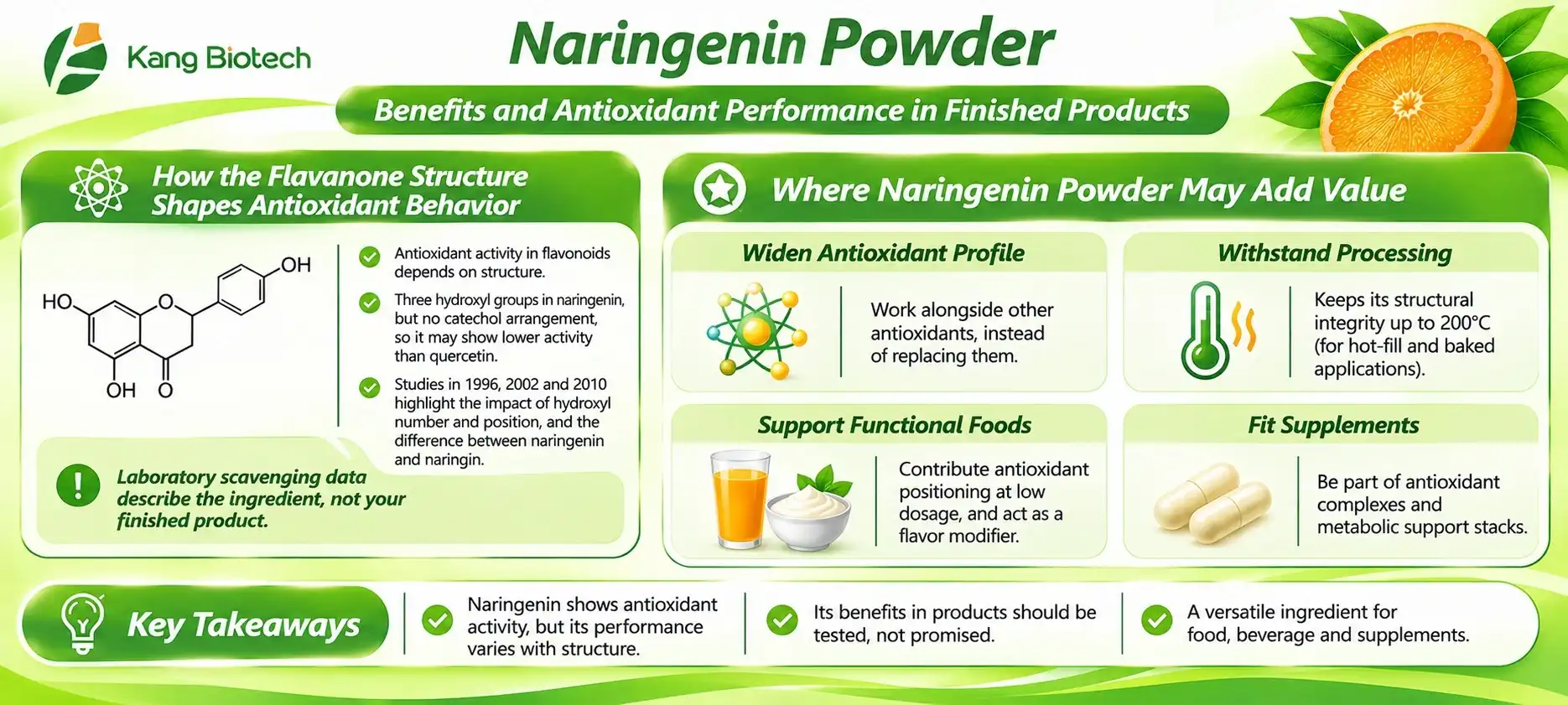
How the Flavanone Structure Shapes Antioxidant Behavior
Antioxidant activity in flavonoids depends on structure. Rice-Evans and colleagues showed in 1996 that the number and position of hydroxyl groups drive radical scavenging, and a 2002 review by Heim and colleagues reached a similar conclusion. Naringenin carries three hydroxyl groups but lacks the catechol arrangement found in flavonoids such as quercetin, so in many laboratory assays it scores lower than those compounds. A 2010 comparison of naringenin and naringin also reported differences between the aglycone and the glycoside. Laboratory scavenging data therefore describe the ingredient, not your finished product, and they should never be presented as proof of consumer efficacy.
Where Naringenin Powder May Add Value
Used alongside other antioxidants, naringenin powder can widen a formula's antioxidant profile instead of replacing existing actives. Our product data show that it keeps its structural integrity during processing up to 200°C, which matters for hot-fill and baked applications. In functional foods, its free radical scavenging capacity supports antioxidant positioning. At low dosage, it also acts as a flavor modifier that can soften bitter notes in beverages and dairy products. In supplements, it fits antioxidant complexes and metabolic support stacks. Treat each of these benefits as a hypothesis to test, not a promise to print on a label.
What to Validate Before Claiming an Improvement
A real improvement shows up in the finished product, not in a beaker of ethanol. I suggest a short validation plan. Run antioxidant assays on the finished formula, measure how much active remains after storage, check dispersion or dissolution, run a sensory panel, and test the chosen packaging. Then repeat the work on a pilot batch to see whether results hold at larger scale. If the new formula scores no better than the control, the data still help, because they show whether solubility, light exposure, or excipient interactions limit performance.
Solubility, Stability, and Processing of Naringenin Powder
Managing Low Water Solubility
Naringenin dissolves in ethanol and DMSO but has low water solubility, so beverages and other aqueous products need a delivery plan. Solubility, dispersibility, dissolution rate, and bioavailability are four separate properties, and improving one does not automatically improve the others. Options include micronization, emulsions, nanoemulsions, encapsulation, and complexation with carriers. A 2011 study in PLoS ONE reported that complexing naringenin with hydroxypropyl-β-cyclodextrin raised its absorption in human volunteers. Test any carrier in your own matrix, since pH, temperature, and excipients all shift performance. A naringenin powder that disperses well in a lab beaker may still settle in a finished drink.
Building a Stability Program
Flavonoids can degrade under light, heat, and moisture, so stability work matters. Stored cool and dry, away from direct sunlight, in a sealed drum, our product has a 24-month shelf life. Inside your formula, shelf life can differ. Track assay, degradation products, moisture, colour, odour, and microbial status under accelerated and real-time conditions. Test the final packaging, not just the raw powder. Export products also face humidity and long transit, so include shipping simulation if you sell across regions. Light protection and oxygen control cost little when added early and a great deal when added after a reformulation.
Processing Notes for Naringenin Powder in Powders, Drinks, and Topicals
The 200°C structural tolerance gives some room for baking, extrusion, and hot processing, but every matrix behaves differently. In powdered blends, particle size affects flow, blend uniformity, and dissolution. In drinks, wetting and dispersion are the main hurdles, so pre-dispersing the powder in a carrier phase helps. In oil-based products and emulsions, the lipophilic character of the aglycone works in your favor. Whatever the format, run a small trial first and record mixing order, temperature, and hold times. Those notes become the foundation of your scale-up record.
Dosage, Safety, and U.S. Regulatory Considerations
Why There Is No Universal Dosage
I cannot give one dosage that fits every product, and no responsible supplier should. The right level depends on product category, format, target market, regulatory status, and the safety data on file. Keep three numbers separate: the concentrations used in research, the inclusion rate of the raw material in your formula, and the serving size a consumer receives. Review toxicology and tolerability data, and check for possible medication interactions before launch. Salehi and colleagues reviewed the clinical trials of naringenin in 2019, and their work shows that the human evidence base is still developing. That is a good reason to keep claims conservative.
FDA Pathways: NDI Notifications and GRAS
In the United States, regulatory status depends on product type. For dietary supplements, an ingredient not marketed before October 15, 1994 may need a New Dietary Ingredient notification, which FDA requires at least 75 days before marketing. For conventional foods, a GRAS statement should point to a specific notice number, not a general assertion. Confirm the route for your exact compound, because a notice covering one citrus compound does not cover another. Ask your regulatory advisor to review the plan early. A failed filing costs far more time than extra weeks of preparation.
Claims, Documentation, and the EU Listing
Claims need their own review. Antioxidant statements on supplements must follow FDA structure/function claim rules, and cosmetics fall under separate rules from foods. Teams that also sell in Europe should note that Commission Regulation (EU) 2025/1112 added naringenin (FL No 16.132) to the EU list of flavouring substances. That listing concerns flavouring use and does not approve antioxidant claims. In any market, request batch-specific COAs, specifications, SDS, allergen and origin statements, residual solvent data, heavy metal results, and microbiological results. Every Kang Biotech shipment includes a COA, MSDS, allergen declarations, and regulatory documents.
Choosing and Buying Naringenin Powder From a Manufacturer
Source and Manufacturing Controls
Start with how the material is made. Our naringenin powder comes from citrus resources through water and ethanol extraction. We manage more than 20,000,000 m² of bitter orange plantations in Lianyuan, Hunan Province, so our supply chain runs from plantation to production. Manufacturing takes place in a 33,000 m² facility with 9 production lines, under ISO 9001, ISO 22000, HACCP, Halal, Kosher, and FAMI-QS certification. Our team brings more than 20 years of citrus extraction experience, and a joint research center with the Hunan Institute of Agricultural Product Processing and Quality Safety supports extraction improvements. Buyers should verify natural or synthetic origin through documents, not marketing language.

Evaluating a Naringenin Powder Supplier
Price per kilogram tells only part of the story. Compare assay consistency, documentation, export experience, lead times, technical service, and total landed cost, including testing, packaging, freight, insurance, and tariffs. For U.S. imports, define Incoterms, customs documents, and procedures for complaints, deviations, and damaged shipments in the contract. Ask for a confidentiality agreement before sharing a formula. We keep ready stock of standard specifications and ship them within 3-5 business days, and we serve customers in more than 40 countries and regions. Small orders go by FedEx, and larger orders move by air or sea. Standard packaging is 25 kg per drum, with a 1 kg minimum order.
A Step-by-Step Selection Process
A simple sequence keeps teams objective. First, define the product goal, format, and target customer. Second, set non-negotiable limits for identity, assay, particle size, residual solvents, heavy metals, microbiology, and documentation. Third, request a sample and test it in your actual formula, not only in water. Fourth, run a pilot batch and compare handling, dispersion, taste, colour, and stability. Fifth, approve the supplier after reviewing multiple lots, capacity, lead time, quality agreements, and change control. We provide samples, and our OEM and ODM services cover custom specifications, packaging, private labeling, and documentation support.
Conclusion
Naringenin powder can improve antioxidant formulations when its properties suit the product and the claims are backed by testing. It is a citrus flavanone with a defined structure, a 98% HPLC food grade specification, and tolerance to processing temperatures up to 200°C. Its limits are equally clear: low water solubility, sensitivity to light and moisture, and laboratory antioxidant data that do not prove finished-product efficacy. Delivery systems such as cyclodextrin complexes, stability programs, and pilot batches address those limits. In the United States, regulatory status, whether through an NDI notification or a GRAS notice with a specific number, must be confirmed for each application. Comparing suppliers on batch documentation, extraction method, and lot consistency completes the decision.
FAQ
1. What is the difference between naringenin and naringin?
Naringenin is the aglycone, while naringin carries a sugar unit. The aglycone is more lipophilic, and the two differ in taste, solubility, and formulation behavior.
2. How should naringenin powder be stored?
Keep it cool and dry, away from direct sunlight, in a sealed container. Under these conditions, our product has a 24-month shelf life.
3. What documents come with each shipment?
Each shipment includes a COA, MSDS, allergen declarations, and regulatory documents. Standard specifications ship in 3-5 business days from stock, and complex custom formulas take 2-3 weeks.
4. Is the product suitable for vegans and vegetarians?
Yes. Our citrus-based product contains no animal additives.
5. Can I order a small trial quantity?
Yes. The minimum order is 1 kg, samples are available, and FedEx Express ships small test orders.
Request Naringenin Powder Samples From Kang Biotech
Kang Biotech is a direct naringenin powder manufacturer with ready stock, a 1 kg minimum order, and 98% HPLC food grade material backed by 20,000,000 m² of managed bitter orange plantations. Send your application, target market, purity requirement, and annual volume to sales02@kangbiotech.com, and our team will reply with a specification, COA, and sample details. You can also visit cnkangbiotech.com to review our citrus ingredient range.

References
1. Free Radical Biology and Medicine, 1996 – Structure-antioxidant activity relationships of flavonoids and phenolic acids
2. The Journal of Nutritional Biochemistry, 2002 – Flavonoid antioxidants: chemistry, metabolism and structure-activity relationships
3. Journal of the Science of Food and Agriculture, 2010 – Antioxidant properties, radical scavenging activity and biomolecule protection capacity of flavonoid naringenin and its glycoside naringin: a comparative study
4. PLoS ONE, 2011 – Enhancement of naringenin bioavailability by complexation with hydroxypropyl-β-cyclodextrin
5. Pharmaceuticals, 2019 – The Therapeutic Potential of Naringenin: A Review of Clinical Trials
6. U.S. Food and Drug Administration, 2016 – Dietary Supplements: New Dietary Ingredient Notifications and Related Issues: Guidance for Industry

Send Inquiry
Related Industry Knowledge
- Apigenin for Sleep: What This Chamomile Compound Does
- How Sweet Is Neohesperidin Dihydrochalcone Powder?
- What Is Glucosyl Hesperidin? Benefits and Uses Explained
- Naringin And Naringenin: What Are Antioxidant Ingredients?
- Unlocking the Secrets of Horny Goat Weed
- The Natural Enhancer: Unpacking Horny Goat Weed
- How to Use Naringenin Powder in Dietary Supplements
- Where Does Hesperetin Powder Fit in Nutraceutical Innovation?
- Neohesperidin Dihydrochalcone Powder vs Stevia: Which Natural Sweetener Wins?
- Exploring Hesperetin Powder for Modern Cosmetic Formulation