
Polymethoxy Flavonoids Powder for Healthy Aging Formulations
November 17, 2026
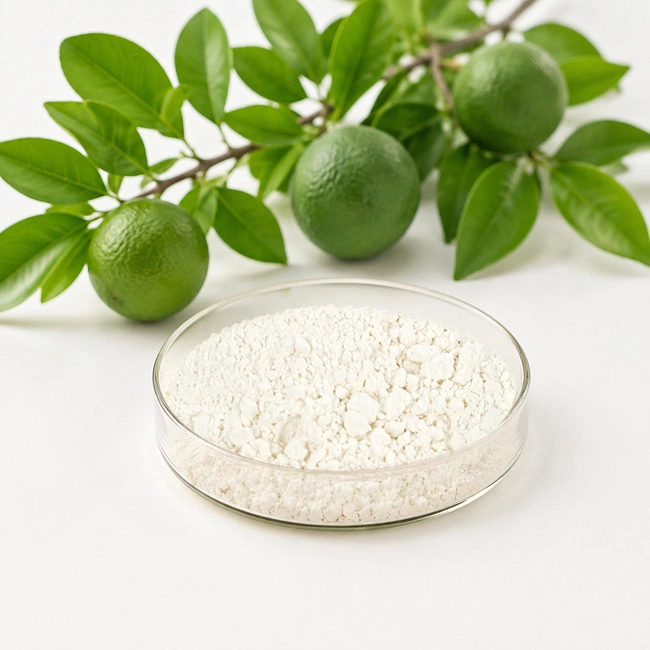
For healthy aging formulas, polymethoxy flavonoids powder is a concentrated citrus extract that gives you nobiletin, tangeretin, and other related compounds. It gives companies a standard, multi-compound ingredient they can use in antioxidant and metabolic health products. We at Kang Biotech sell polymethoxy flavonoids powder at 80% HPLC (nobiletin & tangeretin), which is made by extracting citrus fruits grown in our own orchards with water or ethanol. There are capsules, tablets, softgels, and lipid-based blends that can use the powder. I talk about what the ingredient is, how it stacks up against other choices, which quality checks are important, and how to get samples in this guide.
What Are Polymethoxy Flavonoids? Composition, Benefits, and Mechanism
Composition and Citrus Sources
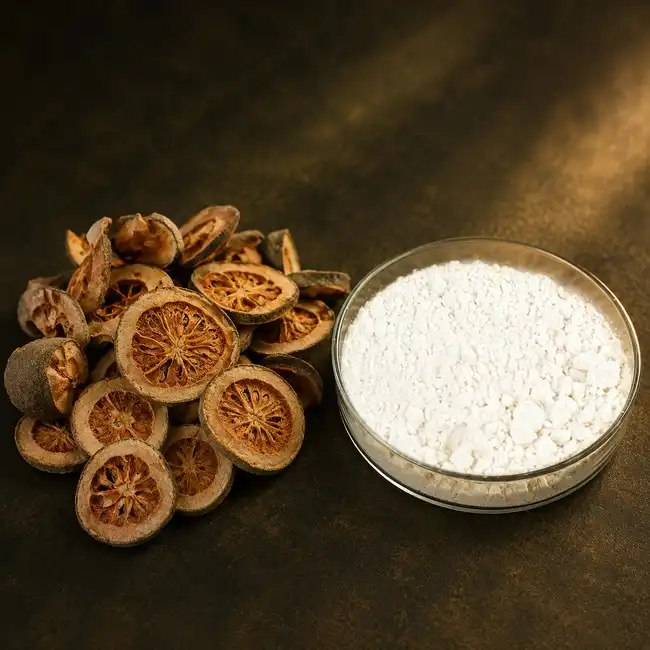
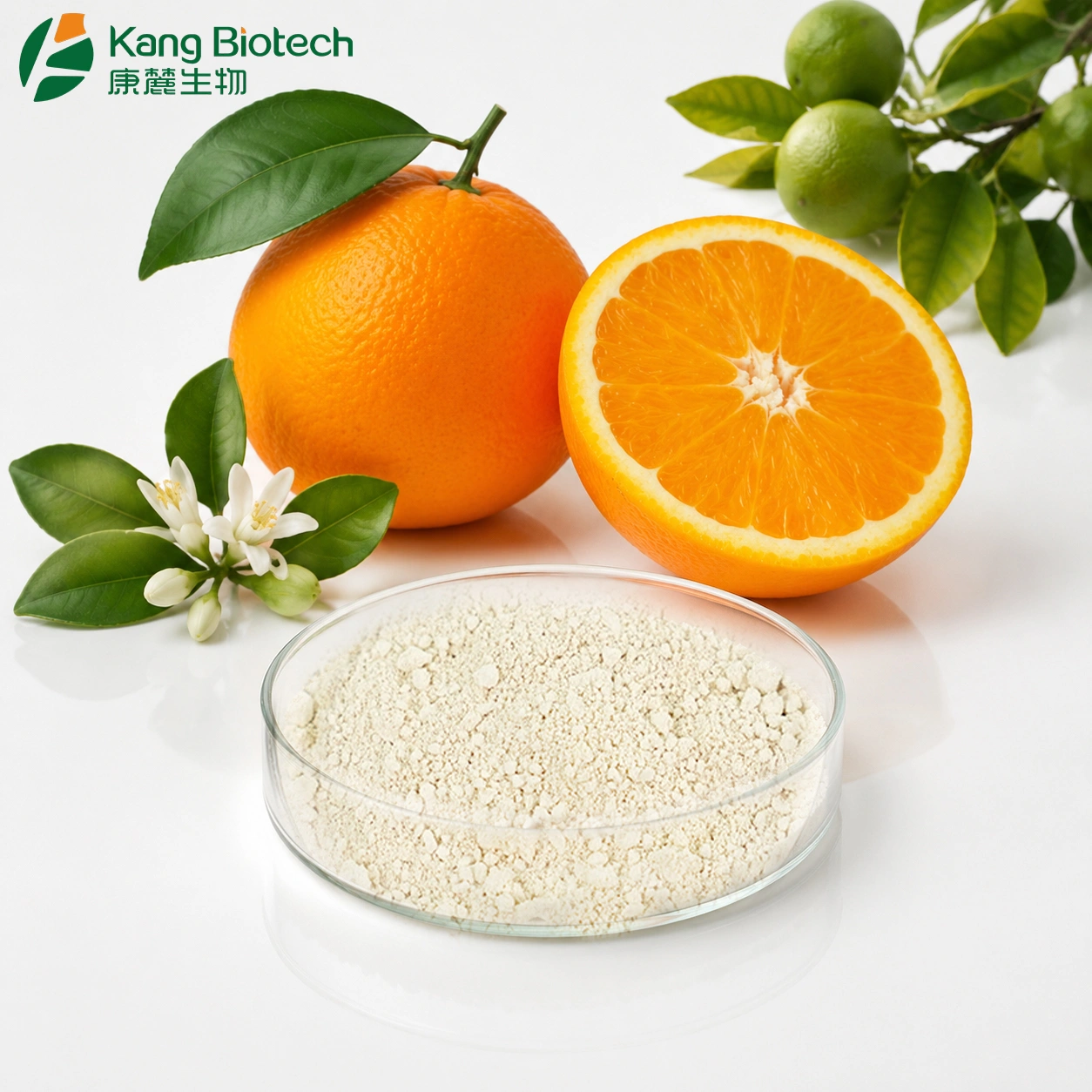
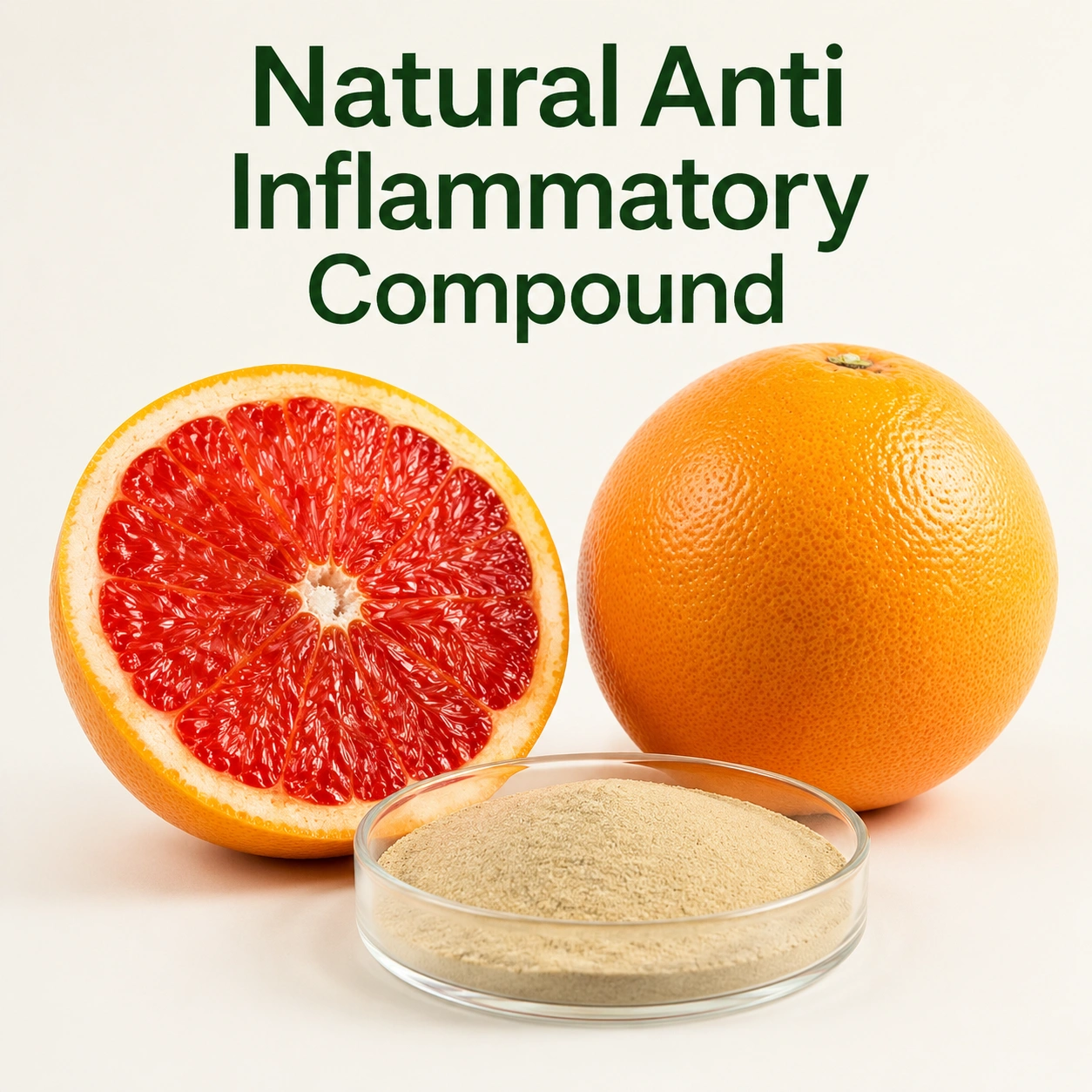
PMFs are citrus flavonoids that have more than one methoxy group on the backbone of the flavone. Some of the most well-known members are nobiletin, tangeretin, and sinensetin. They mostly sit in orange peel. Bitter orange orchards covering more than 20,000,000 m² are at the beginning of our supply chain in Lianyuan, Hunan Province. This way, we have control over the raw material before it is extracted. There are different kinds of commercial products. Some only contain one compound, while others mix several, and still others are citrus extracts with a stated total. Carefully read the specs to figure out which one you should buy.

What Research Suggests for Healthy Aging
Most of the information comes from studies on cells and animals. A 2016 study in Cell Metabolism found that nobiletin improved mice's circadian rhythms and kept them from getting metabolic syndrome. In 2011, a study on diabetes found that nobiletin lowered the amount of VLDL and bad cholesterol in insulin-resistant mice. In 2009, the Journal of Functional Foods published a review that summed up PMFs' antioxidant and anti-inflammatory effects. This gives formulators a reason to learn more about the ingredient. They don't show the same effects in people, and you should be careful to say that in your marketing.
Why Methoxy Groups Matter for Absorption
PMFs are more attracted to fat than to sugar-bound flavonoids such as hesperidin because they contain methoxy groups. Methoxylated flavones are more persistent in metabolism and more effective at bridging membranes than hydroxylated ones," Walle noted in Seminars in Cancer Biology (2007). That's simply chemistry. Doesn't mean every formula is going to work. In the US, supplement labels can tell you what the supplement does and how it works, but they can't tell you that it cures or prevents illness. Before you approve any polymethoxy flavonoids powder label text, make sure to discuss marker substances, test methodologies and dosage relevance with your qualified dietitian.
Polymethoxy Flavonoids Powder Uses in Supplements and Functional Products
Capsules, Tablets, and Softgels
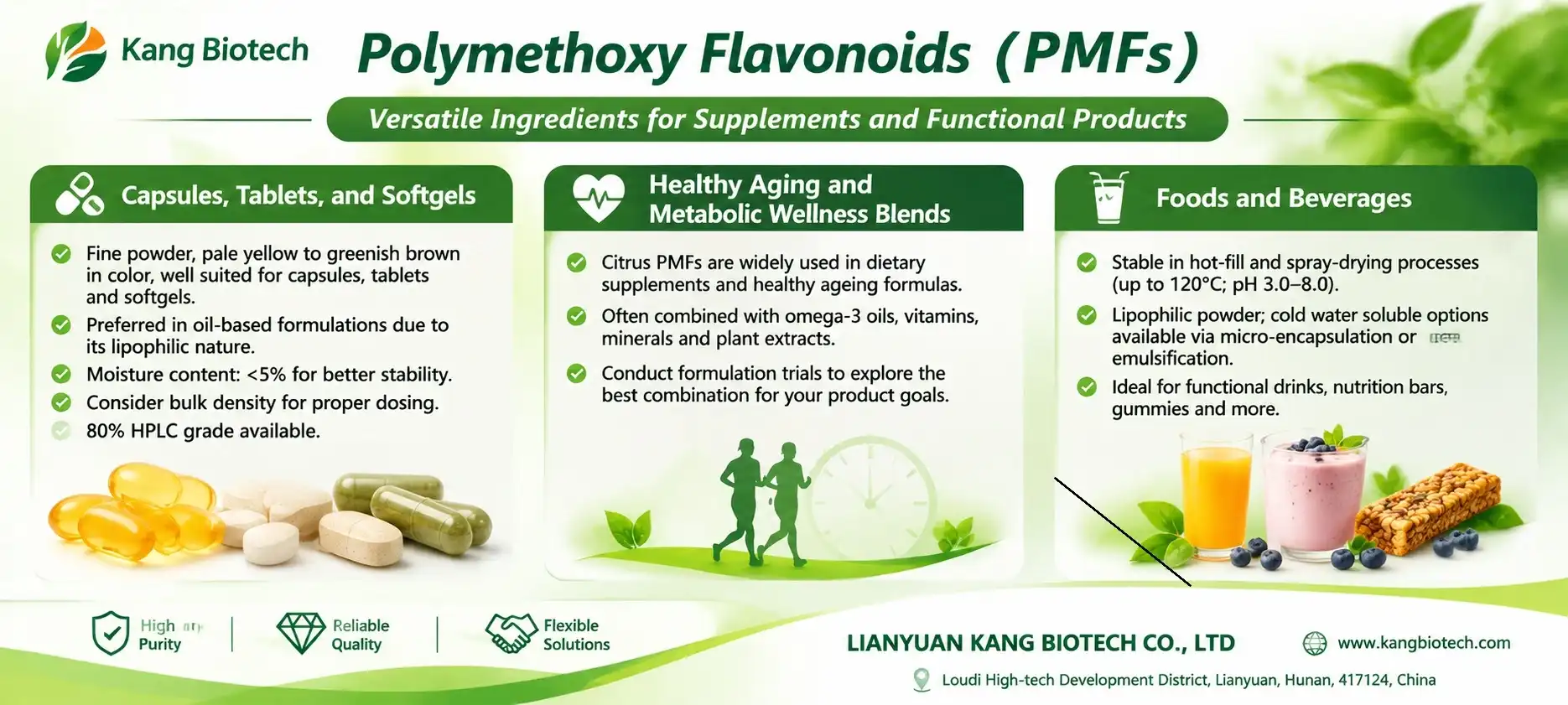
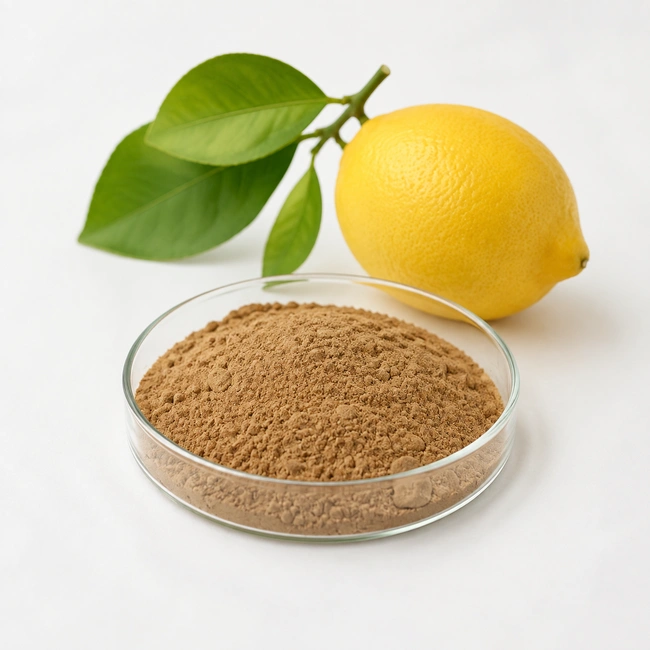
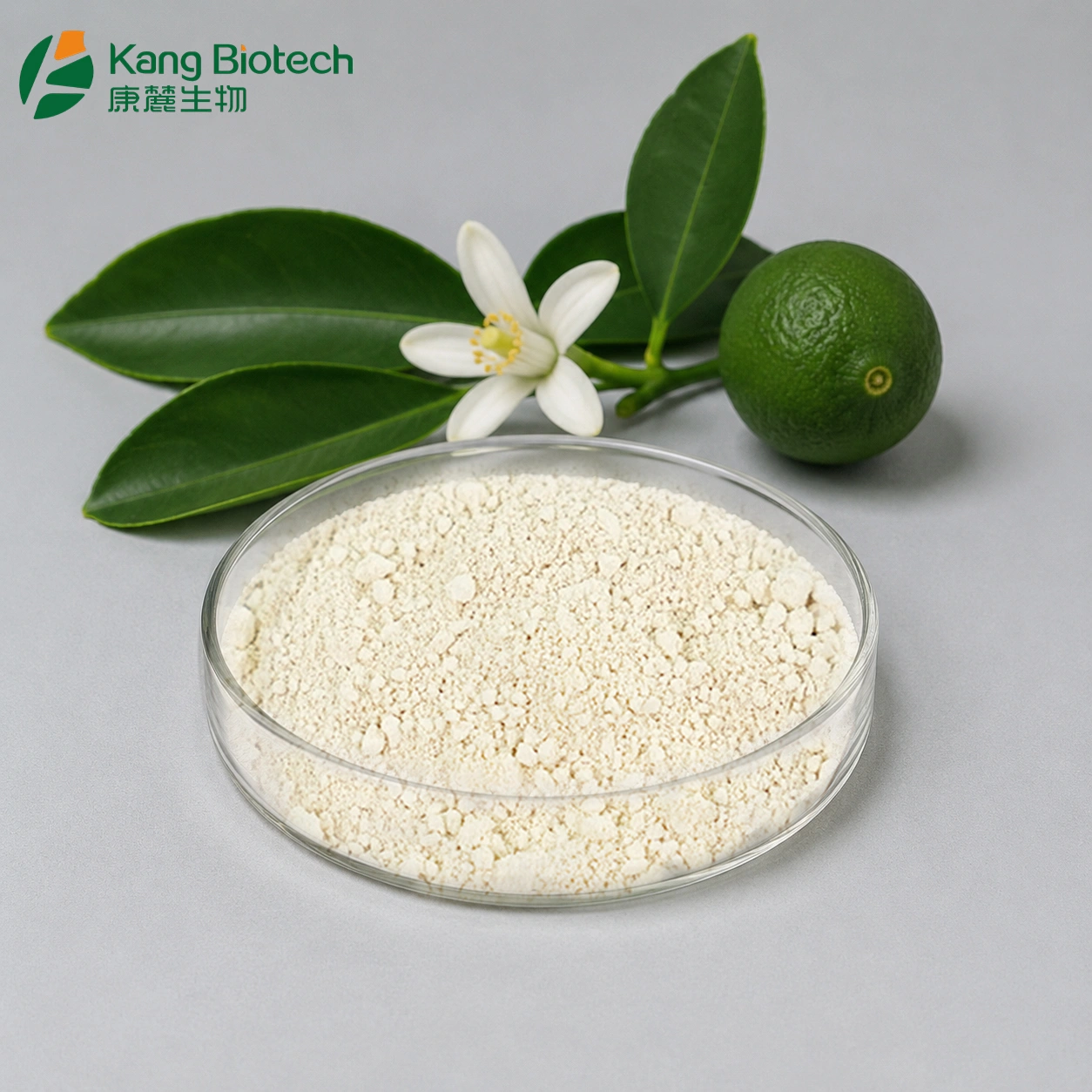
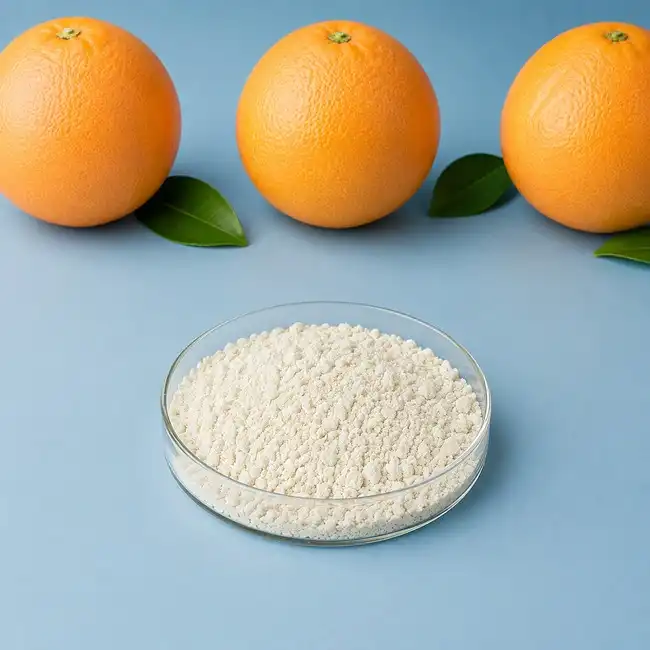
The simplest forms starting out are capsules, pills and soft gels. The powder we supply is fine in texture and simple to deal with. Colour is pale yellow to greenish brown. Because the molecule prefers fat, softgels and oil-based fillers function well. If you are cautious, sachets and powder mixtures may also be used. Our criteria states that the moisture content must be less than 5%. this limits the growth of microorganisms during storage and shipping of products. Before deciding on a capsule size, ask your encapsulation partner for a bulk density value. This is vital to make sure the dose is proper. You may also deal with tiny fill weights with an 80% HPLC grade.
Healthy Aging and Metabolic Wellness Blends
Many companies that promise to add years to your life mix citrus PMFs with omega-3 oils, vitamins, minerals and plant extracts. Our product description lists popular usage as dietary supplements, heart health products, anti-aging and healthy ageing formulae. A fish oil softgel is an excellent pilot format, the powder favours fats. You may experiment which ingredient influences flavour, colour or stability by introducing them one at a time in little quantities. --Labels should only state truthful things and relate to your proof file. The recipe, claim and dosage of polymethoxy flavonoids powder are best planned together.
Foods and Beverages
More preparation is needed for food and drink applications. Our powder can withstand the hot-fill and spray-drying procedures as it can tolerate up to 120°C and a pH range of 3.0 to 8.0. Pure PMF powder is lipophilic, however for clear liquids a different approach is needed. We offer cold water soluble versions of our goods created by micro-encapsulation or emulsification. Taste, spread and sediment of your actual drink base, not water on the bench. You may need to undertake a high-shear mixing experiment for a functional drink. You may discuss the optimum format with our technical staff.
Polymethoxy Flavonoids Powder vs. Other Ingredient Options
Versus Single-Compound Nobiletin or Tangeretin
A powder that is a single chemical is straightforward to test and easy to label. As nobiletin, tangeretin and sinensetin all occur in citrus peel, a standardised polymethoxy flavonoids powder will have a profile of more than one chemical. If your brand tells a lot of different tales, then the mix works better. If you require only one molecule for a dosage response curve, then choose the monomer. Distributors often purchase both and use the same HPLC procedure to compare the batches. In this cross check one may position our 80% HPLC powder against a nobiletin monomer. We will have the data to tell which one performs best for each client.
Versus Citrus Extract and Hesperidin
Many citrus bioflavonoid extracts are glycosides, e.g. naringin, hesperidin. They have a sugar group on them that helps them out for the water. The methoxy groups of PMFs, rather than hydroxy groups, increase their lipophilicity, requiring alternative carriers. This chemical difference means you can't use a hesperidin extract for a PMF powder. Choose according to the claim you want to convey. Hesperidin is a bioflavonoid present in citrus fruits, thus it could be relevant to your narrative. If nobiletin and tangeretin, ask for PMFs via HPLC.
Why Standardization and Fingerprints Matter
A number that says 80% HPLC makes it easier to compare lots of specs, quotes, and repeat orders. But a number by itself doesn't show that someone has a broad-spectrum profile. You can ask any supplier for the full HPLC fingerprint, which should include the amounts of nobiletin, tangeretin, and sinensetin. Our quality team uses HPLC-DAD fingerprinting on these three ratios to find fake analogs that have been mixed in. Standardization doesn't take the place of identity testing, testing for contaminants, or validating the finished product. Also, high purity doesn't mean that something will dissolve in water. Use the test as a starting point and back it up with data from polymethoxy flavonoids powder lots that you test yourself.
Formulation Considerations: Solubility, Stability, and Dosage
Solubility and Delivery Systems
Pure PMF powder is lipophilic, which means it doesn't dissolve well in water. Separate true dissolution from other terms like suspension, dispersion, emulsion, or encapsulation, and don't settle for a simple "water-soluble" label. Instead, ask for application data. Some common ways are cyclodextrin complexes, emulsions, spray-dried carriers, microencapsulation, and smaller particle size. We have versions that dissolve in cold water that are made by microencapsulation or emulsification, and our OEM and ODM services can make particles of any size. If you send us your base formula, our technical team will help you come up with a way to start your polymethoxy flavonoids powder trials.
Heat, pH, and Shelf Life
The temperature range in our specification is up to 120°C, and the pH range is from 3.0 to 8.0. These limits cover standard tablet and capsule processing, hot-filling, and spray-drying. Light, oxygen, and moisture can still change the finished product, so test the whole recipe, not just the powder. The powder can be kept for 24 months in a cool, dark, sealed container. You should use the results of that study to set retest dates for your finished product's stability at the storage conditions you want to use.
Dose, Packaging, and Labeling
Figure out the dose with the help of a registered dietitian, taking into account the studies you want to use and the amount of food that each serving can hold. If you have an 80% HPLC powder, you can use the batch COA to figure out how much active ingredient is in each serving. Quality is kept safe during shipping by packaging. We pack 25 kg in fiber drums with two food-grade polyethylene liners to keep out moisture, and we can change the size of the packs to fit your stock. Each pilot batch should have a lot number written down so that each result can be linked to its COA.
Quality, Safety, and Compliance Checklist
Testing and Documents to Request
A valid COA should have the batch number, test methods, assay, moisture, and contaminant information written on it. There are more than 400 pesticide residues that our program checks for using GC-MS against the ICH limit of 5000 ppm for ethanol, microbiological limits by AOAC plate count and yeast and mold methods, and heavy metals (Pb, As, Cd, Hg) under USP <233>. Our specification says that the botanical source is Citrus sinensis L. and that the moisture level must be less than 5%. With third-party validation, each batch can be released, and each batch comes with a COA. Ask for the HPLC chromatogram along with it.
Regulatory Status for the US Market
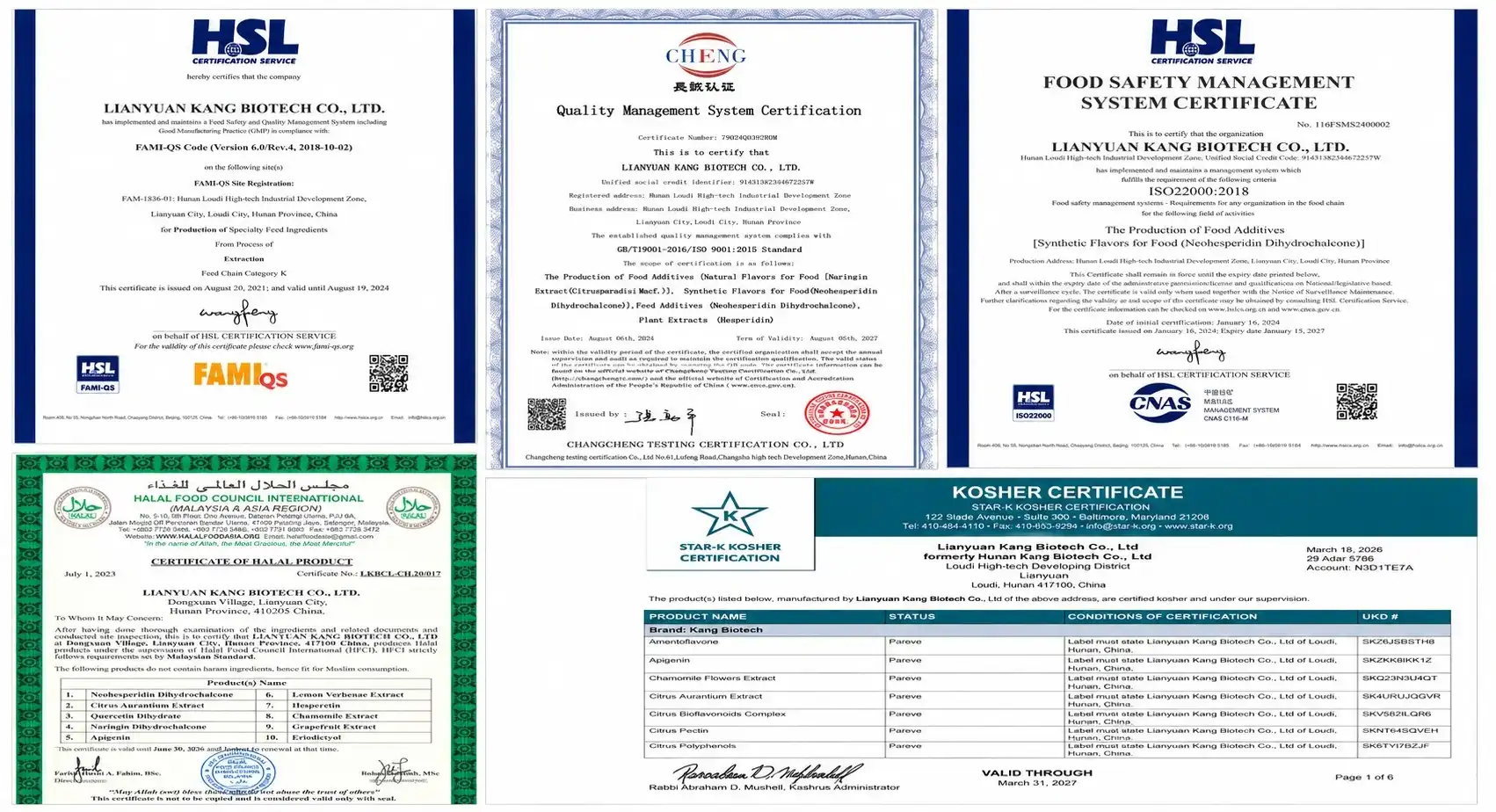
Citrus-based PMFs do not have a GRAS listing from the FDA. Our powder is food safe and is made from citrus fruit. Your regulatory expert should make sure it's safe for your dosage and format. Structure/function claims must be supported with research and labels must include an FDA disclaimer. You can't substitute a safety review for terms like "natural" or "high purity". Our manufacturing system is certified to ISO 9001, ISO 22000, HACCP, Halal, Kosher and FAMI-QS. We can provide copies of these certificates for your supplier file.
Content Stability and Batch Consistency
Brands that put a marker amount on their products often worry about content drift. We cut it down at its source by keeping an eye on the orchards and using water or ethanol to extract it. There are purification steps that get rid of chlorophyll and waxes while leaving the bioactive markers behind. Every batch goes through tests for assay, heavy metals, and microbiology, and once a month, the stability is checked. Before you choose a launch volume, you should compare three lots side by side on fingerprint and assay. Then, in your quality agreement, write down an acceptable range of assays and rules for controlling changes.
Sourcing and Procurement Workflow for B2B Buyers
What to Look for in a Supplier
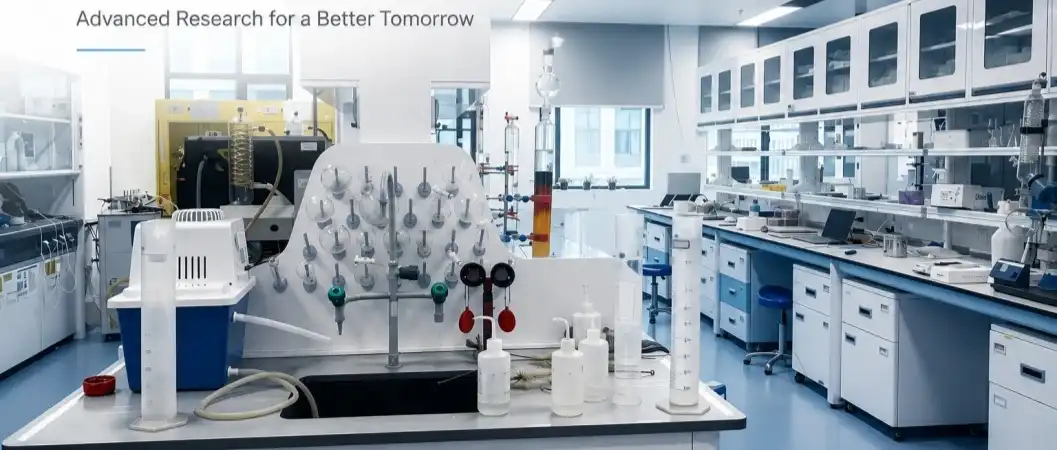
Look for direct manufacturing, experience with citrus extraction, clear paperwork, and batch control that can be done again and again. Kang Biotech was started in 2011 and has been making things for 11 years. Their technical team has more than 20 years of experience extracting citrus fruits. Our building is 33,000 m² and has nine production lines. We have customers in over 40 countries. Our work on extraction is helped by a research center that we share with the Hunan Institute of Agricultural Product Processing and Quality Safety. Distributors who work with many clients can ask for copies of our certificates and information about our facility for their records.
Samples, MOQ, and Delivery
Start with a small piece. Our smallest order is 1 kg, and we offer samples for work on formulations. The standard sizes are in enough stock for us to ship small orders by FedEx and large orders by air or sea. The standard way to pack is 25 kg per drum. We offer OEM and ODM services that let you choose the purity, particle size, and packaging. Our standard range of HPLC is from 10% to 98%. Each shipment comes with paperwork needed to clear customs. Give us your destination and annual volume, and we'll get you a quote on terms that work for you.
A Five-Step Buying Workflow
First, write down your requirements, such as the markers, assay, dosage form, pack size, certificates, destination, and annual volume. Second, ask two or three suppliers for the COA, the specification sheet, and the fingerprint. Third, test samples in their final form to make sure they are the same, that they dissolve, that they spread out, and that they stay stable. Fourth, agree on prices, lead times, how to handle lots that don't meet requirements, and how to handle changes. Fifth, compare each batch to the specs and choose a new supplier on a regular basis. A small sample can be sent to a research lab for method work, and the powder can be run next to a nobiletin monomer by distributors.
Conclusion
Healthy aging brands can use polymethoxy flavonoids powder, which is made up of nobiletin and tangeretin and is a standard citrus ingredient. Many of the studies that went into making PMFs used cells and animals. Because of this, label claims must be kept low and follow US law. A blend has a wider range of effects than single compounds or common citrus extracts, but an HPLC fingerprint is needed to show this. Because PMFs are lipophilic, how well a formula works depends on how well it dissolves, what carrier is used, and how stable it is. A clear sourcing workflow and batch COAs that cover assay, heavy metals, microbiology, and residual solvents lower risk. The best choice depends on the dosage form, the claim, and data from a batch that has been checked.
FAQ
1. Is polymethoxy flavonoids powder water soluble?
Pure PMF powder attracts fat. We have cold water soluble versions of our products that are made by micro-encapsulation or emulsification.
2. What is the minimum order quantity?
You can get samples, and the least you can order is 1 kg. FedEx ships small orders, and air or sea ships large orders.
3. How long is the shelf life?
It can be kept for 24 months in a cool, dark, sealed space.
4. Which documents come with each batch?
There is a COA for assay, heavy metals, and microbiology with every batch that is sent out. Ask for the HPLC fingerprint along with the sample you want to send.
5. Does Kang Biotech offer OEM or ODM service?
Yes. We let you choose the packaging, purity, and particle size.
Request Polymethoxy Flavonoids Powder Samples From Kang Biotech
Kang Biotech makes direct polymethoxy flavonoids powder and keeps 80% of it in stock. They have a 1 kg minimum order size and offer OEM/ODM service. Send your desired dosage form, volume, and location to sales02@kangbiotech.com. We will get back to you with a specification sheet, COA, and sample information. You can see all of our citrus ingredients at cnkangbiotech.com. Then, for your next healthy aging formula, ask for a sample of our polymethoxy flavonoids powder.
References
1. Journal of Functional Foods, 2009: Li et al., chemistry and health effects of polymethoxyflavones and hydroxylated polymethoxyflavones.
2. Seminars in Cancer Biology, 2007: Walle, methoxylated flavones as a flavonoid subclass.
3. Cell Metabolism, 2016: He et al., nobiletin, circadian rhythm, and protection against metabolic syndrome in mice.
4. Diabetes, 2011: Mulvihill et al., nobiletin, VLDL overproduction, dyslipidemia, and atherosclerosis in insulin-resistant mice.
5. International Journal of Molecular Sciences, 2019: Nakajima and Ohizumi, potential benefits of nobiletin against Alzheimer's disease and Parkinson's disease.
6. Evidence-Based Complementary and Alternative Medicine, 2016: Huang et al., the multifunctional effects of nobiletin and its metabolites in vivo and in vitro.

Send Inquiry
Related Industry Knowledge
- How Sweet Is Neohesperidin Dihydrochalcone Powder?
- What Food Manufacturers Need to Know About Neohesperidin Powder
- How Glucosyl Hesperidin Fits Modern Skincare Formulas
- Naringin Dihydrochalcone: Uses, Benefits and Sweetness
- Glucosyl Hesperidin as an Antioxidant: What Research Shows
- What is Neohesperidin Dihydrochalcone?
- Top Benefits of Apigenin Powder for Health and Wellness?
- Where Does Hesperetin Powder Fit in Nutraceutical Innovation?
- Nobiletin Uses, Benefits & Dosage
- What Is Naringenin Powder and How Is It Used?